Case Media
Case Notes
This page keeps the media, full prompt, and original source together so you can inspect the result first and decide whether the prompt is worth copying, saving, or comparing.
Case Insights
To make this page easier to search, cite, and reuse later, the case is also broken down into practical guidance about usage, visual cues, and prompt structure.
Best Fit Scenarios
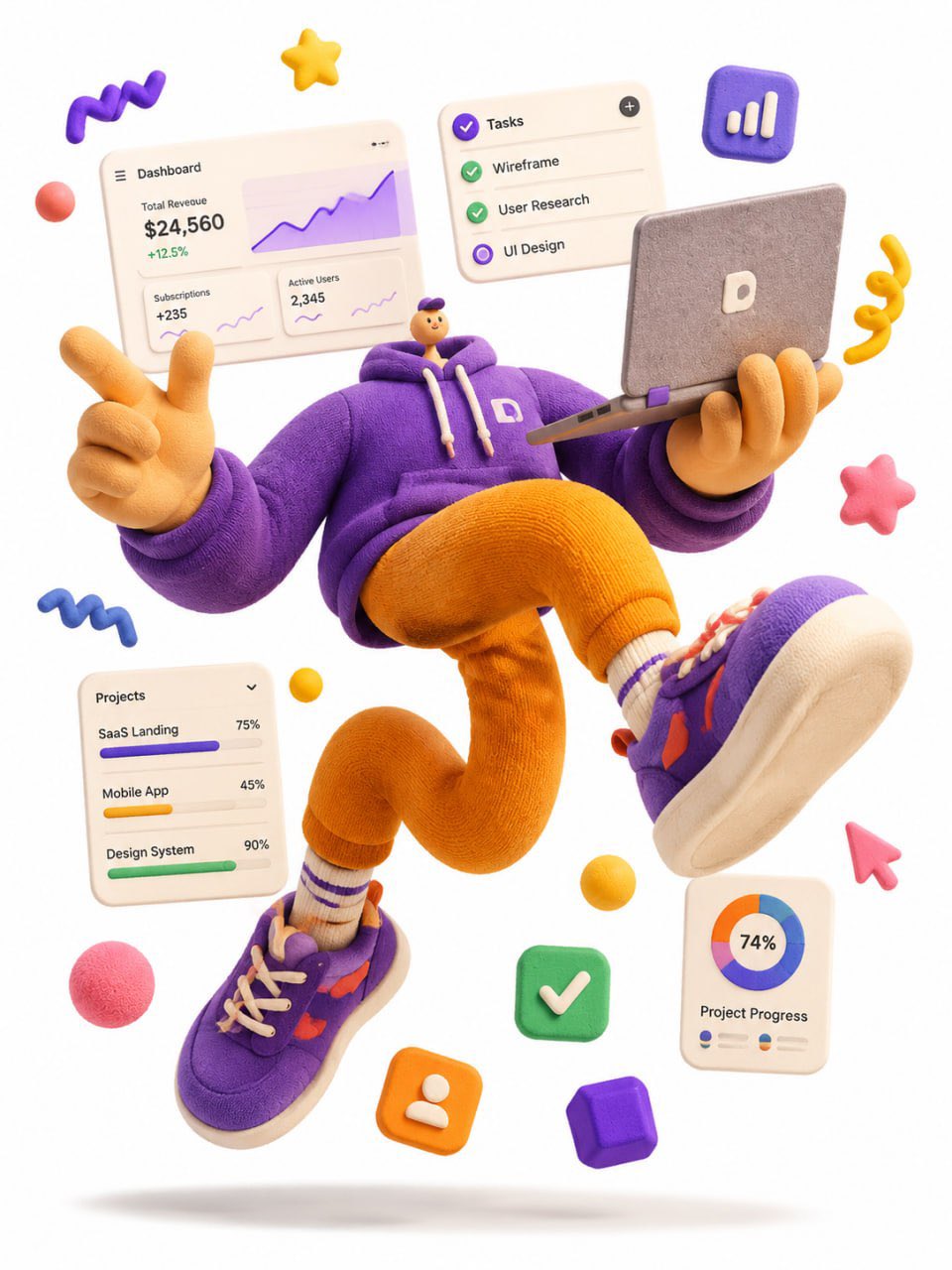
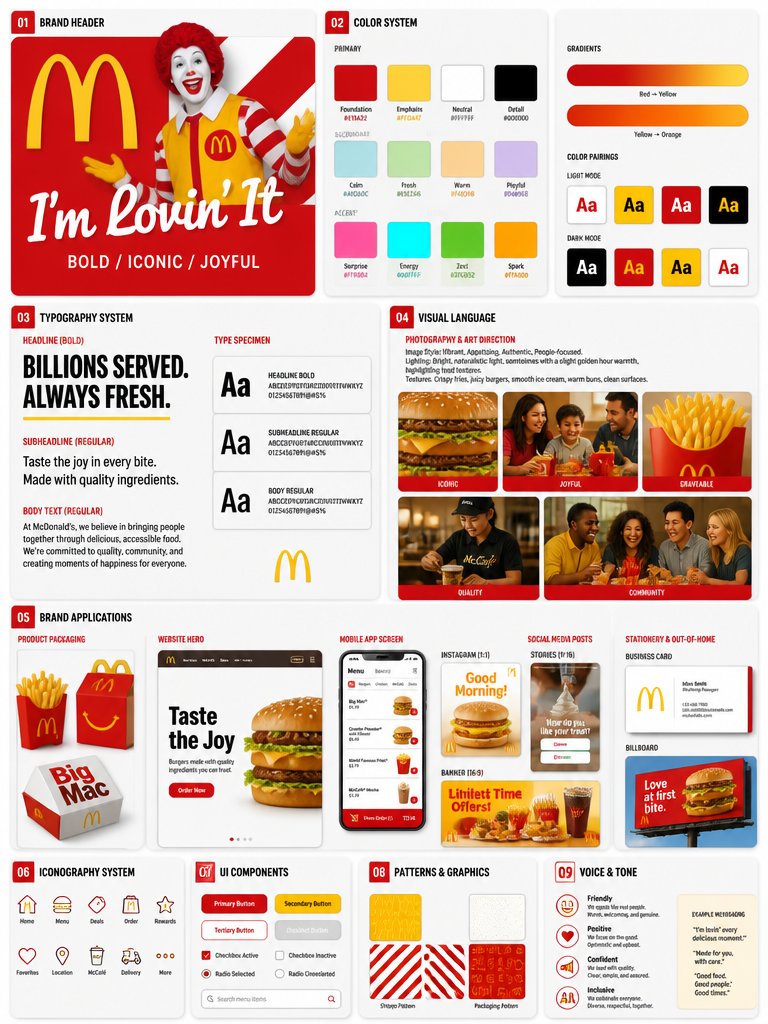
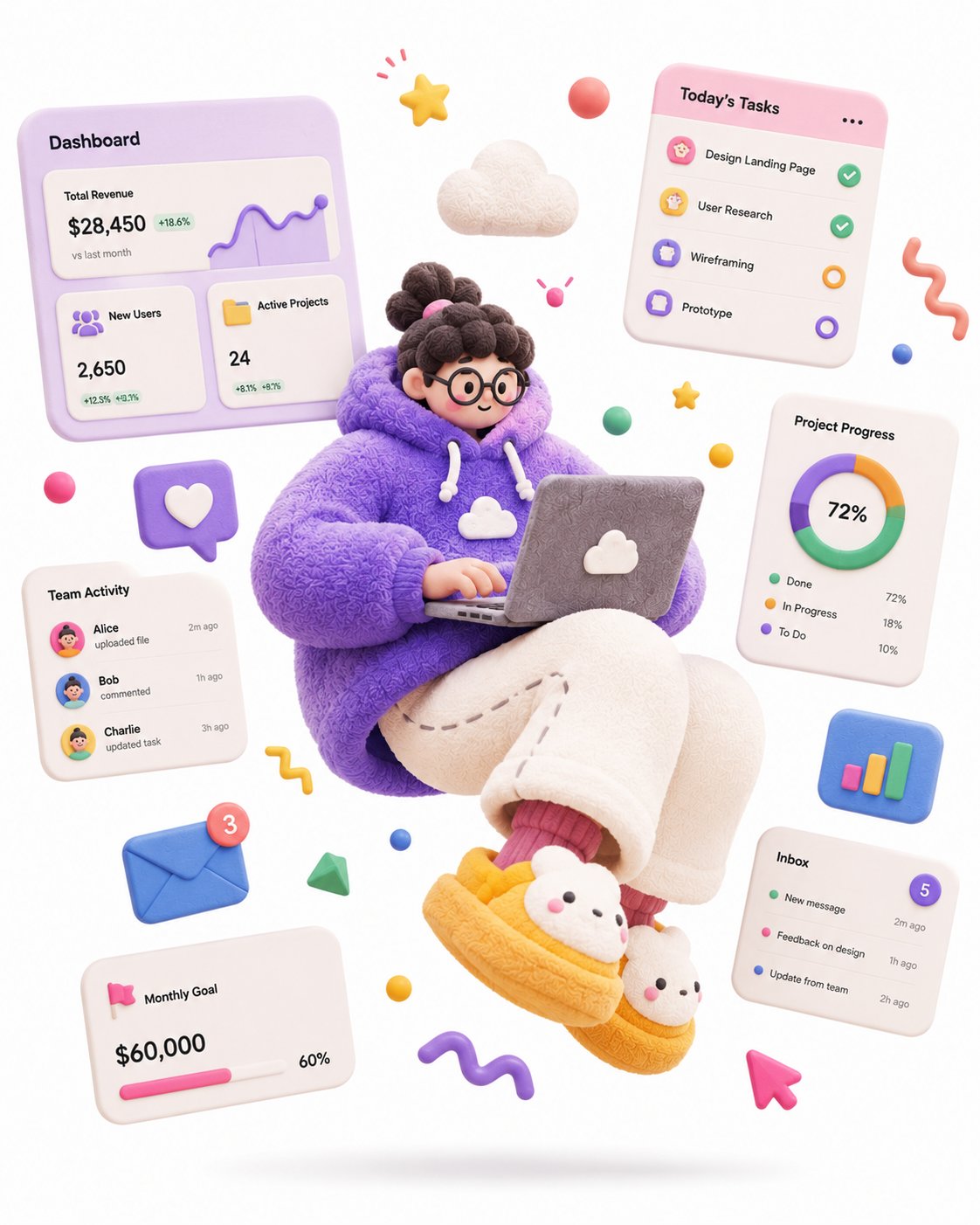
- Use this as a ui & social screens benchmark when you need a fast style baseline before rewriting your own prompt.
- It is especially helpful if your target overlaps with 35mm, Fashion, Illustration and you want to judge the image result before tuning wording.
- Keep it as a control sample when you compare nearby prompt variants one variable at a time.
Visual Signals To Notice
- The clearest style signals here are 35mm, Fashion, Illustration, so those should usually stay in your first rewrite.
- The important layer is usually interface density, card hierarchy, and how the screen tells the story before you read small text.
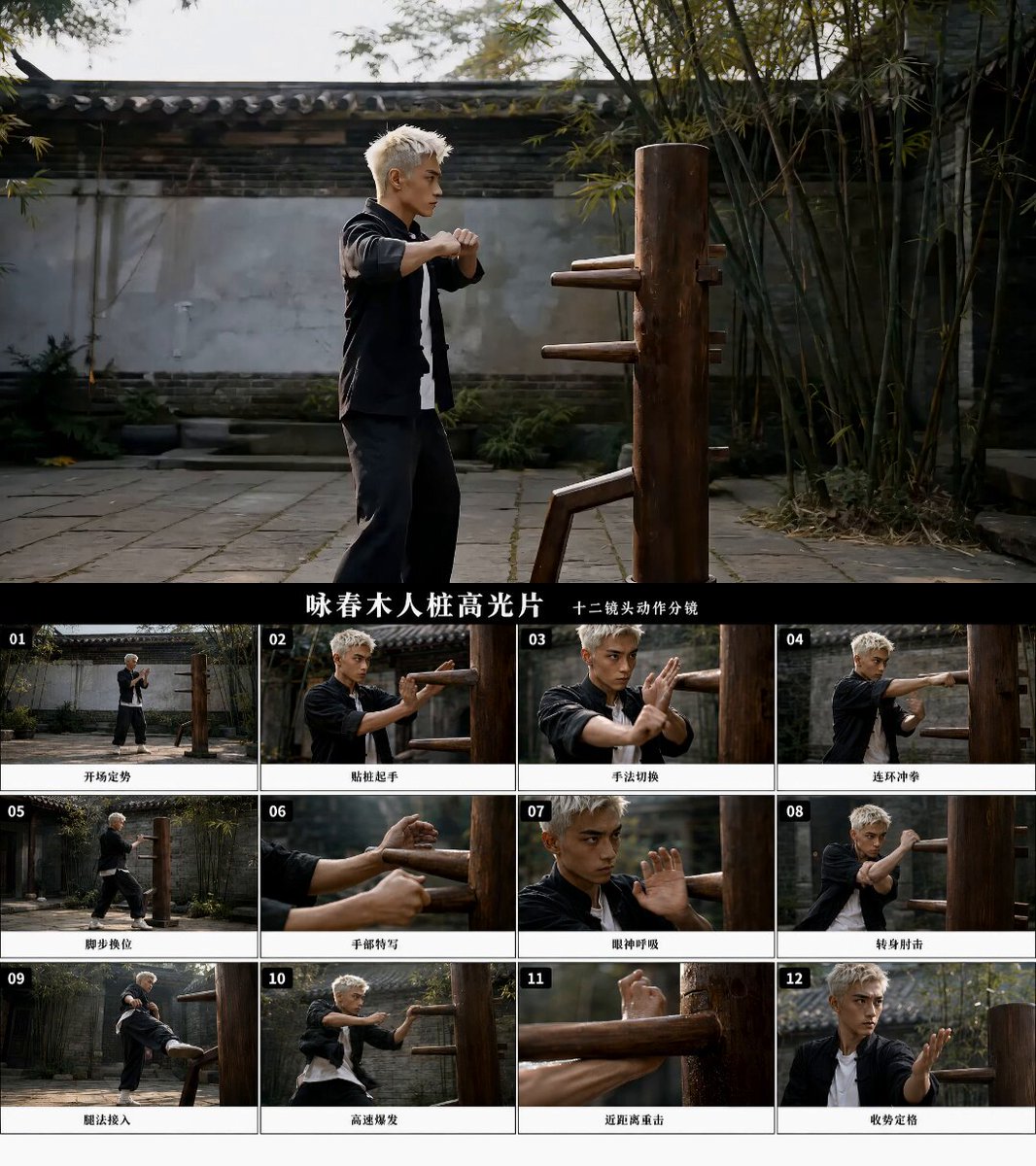
- This case keeps one primary output, so the first image should be treated as the main visual reference.
How The Prompt Is Structured
- The prompt reads as a long, highly specified prompt, which is useful when you want to judge how much specificity this direction needs.
- Its keyword cluster is centered on 35mm, Fashion, Illustration, so you can usually keep that cluster while swapping subject, camera, layout, or copy details.
- A practical rewrite path is: keep the outcome, keep the strongest style cues, then replace only the subject and environment blocks.
Good Follow-up Questions
- What changes first if you keep 35mm, Fashion, Illustration but switch the subject matter?
- Which part of the result comes from section-level structure (UI & Social Screens) versus tag-level style cues?
- Which related cases in the same section give you a cleaner or more extreme variation of the same direction?
Full Prompt
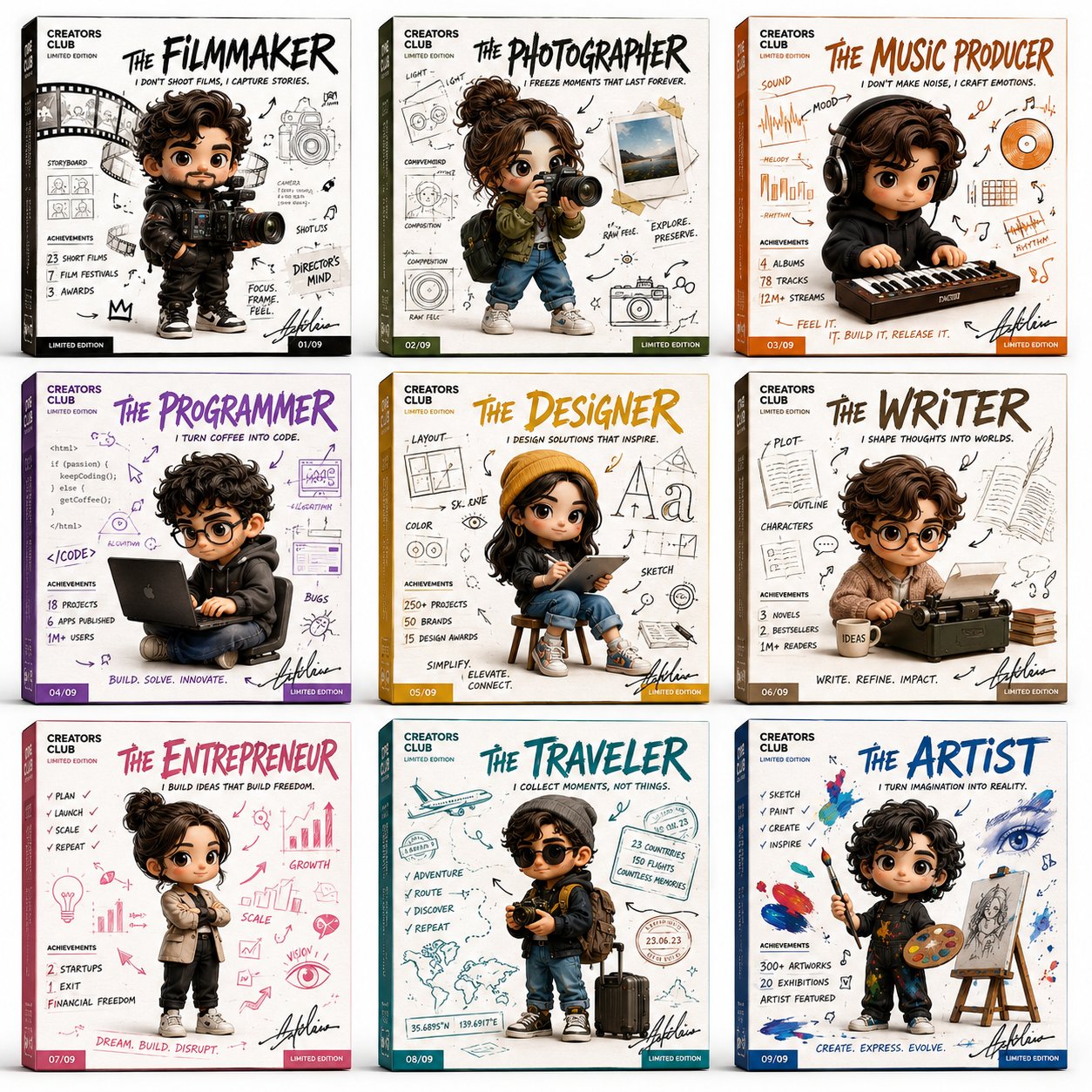
Create an ultra-premium collectible character-card collection featuring nine iconic creative archetypes instead of athletes. The image is arranged as a perfectly organized 3×3 gallery of limited-edition designer cards. Each card showcases a different stylized 3D miniature character inspired by modern creative culture: The Filmmaker The Photographer The Music Producer The Programmer The Designer The Writer The Entrepreneur The Traveler The Artist Each character appears as a highly detailed designer-toy figure with realistic clothing textures, expressive facial features, oversized stylized proportions, and dynamic movement. Every card uses its own visual identity: The Filmmaker surrounded by film strips, lens sketches, storyboard doodles, camera diagrams. The Programmer surrounded by code snippets, UI wireframes, glowing cursor marks, keyboard sketches. The Music Producer surrounded by waveform illustrations, headphones, vinyl icons, rhythm markers. The Traveler surrounded by passport stamps, route maps, airplane doodles, coordinates. The Artist surrounded by paint splashes, brush strokes, color palettes, unfinished sketches. Around every figure are energetic hand-drawn visual notes: arrows, circles, annotations, symbols, mini sketches, achievement marks, creative stats, personal mottos, signature-style handwriting. Large expressive typography becomes part of the artwork itself. Each card contains: the archetype title, unique slogan, fictional achievements, personal symbols, decorative signatures, illustrated icons. No corporate logos. No sports references. No football elements. Color palette varies per card while maintaining overall harmony. Design language: premium toy packaging, designer collectibles, modern street-culture illustration, editorial graphic design, luxury stationery aesthetics, Japanese sketchbook inspiration, high-end Behance showcase quality. The final image should feel like a sold-out limited-edition collectible set purchased from a premium design museum gift shop. Ultra-detailed 3D rendering, pristine white background, playful sophistication, exceptional typography integration, premium print-ready quality, vibrant but elegant, highly shareable social-media aesthetic, 8K masterpiece.