Case Media

Case Notes
This page keeps the media, full prompt, and original source together so you can inspect the result first and decide whether the prompt is worth copying, saving, or comparing.
Case Insights
To make this page easier to search, cite, and reuse later, the case is also broken down into practical guidance about usage, visual cues, and prompt structure.
Best Fit Scenarios
- Use this as a ui & social screens benchmark when you need a fast style baseline before rewriting your own prompt.
- It is especially helpful if your target overlaps with Cinematic, Poster, UI and you want to judge the image result before tuning wording.
- Keep it as a control sample when you compare nearby prompt variants one variable at a time.
Visual Signals To Notice
- The clearest style signals here are Cinematic, Poster, UI, so those should usually stay in your first rewrite.
- The important layer is usually interface density, card hierarchy, and how the screen tells the story before you read small text.
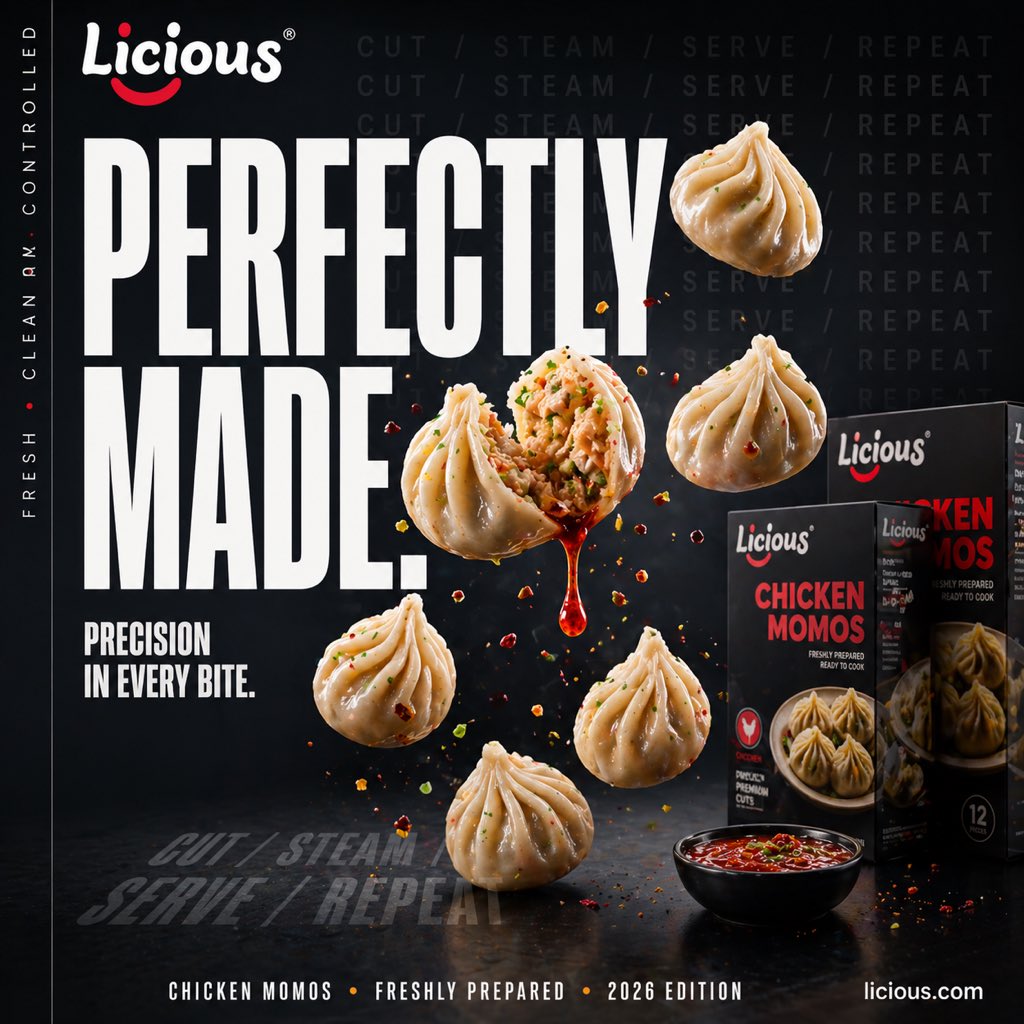
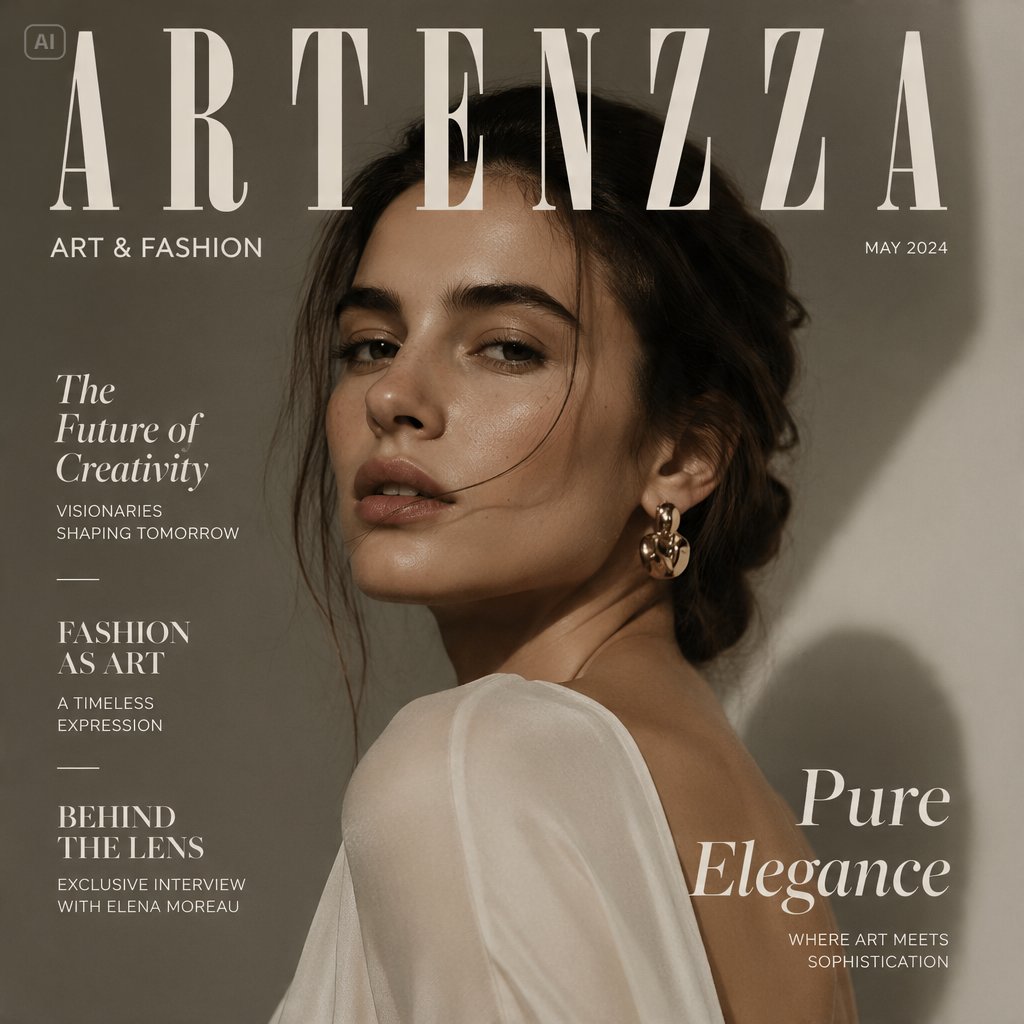
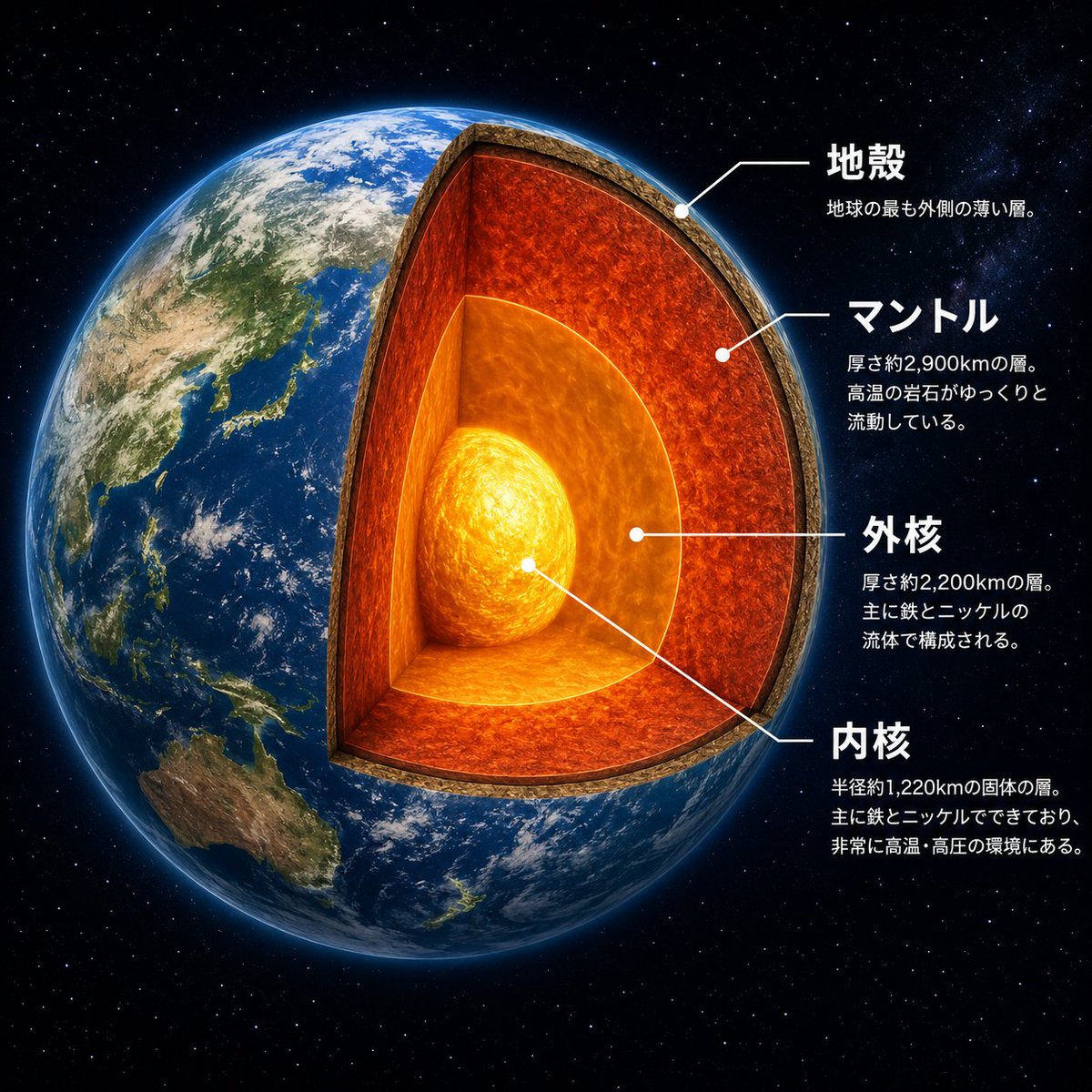
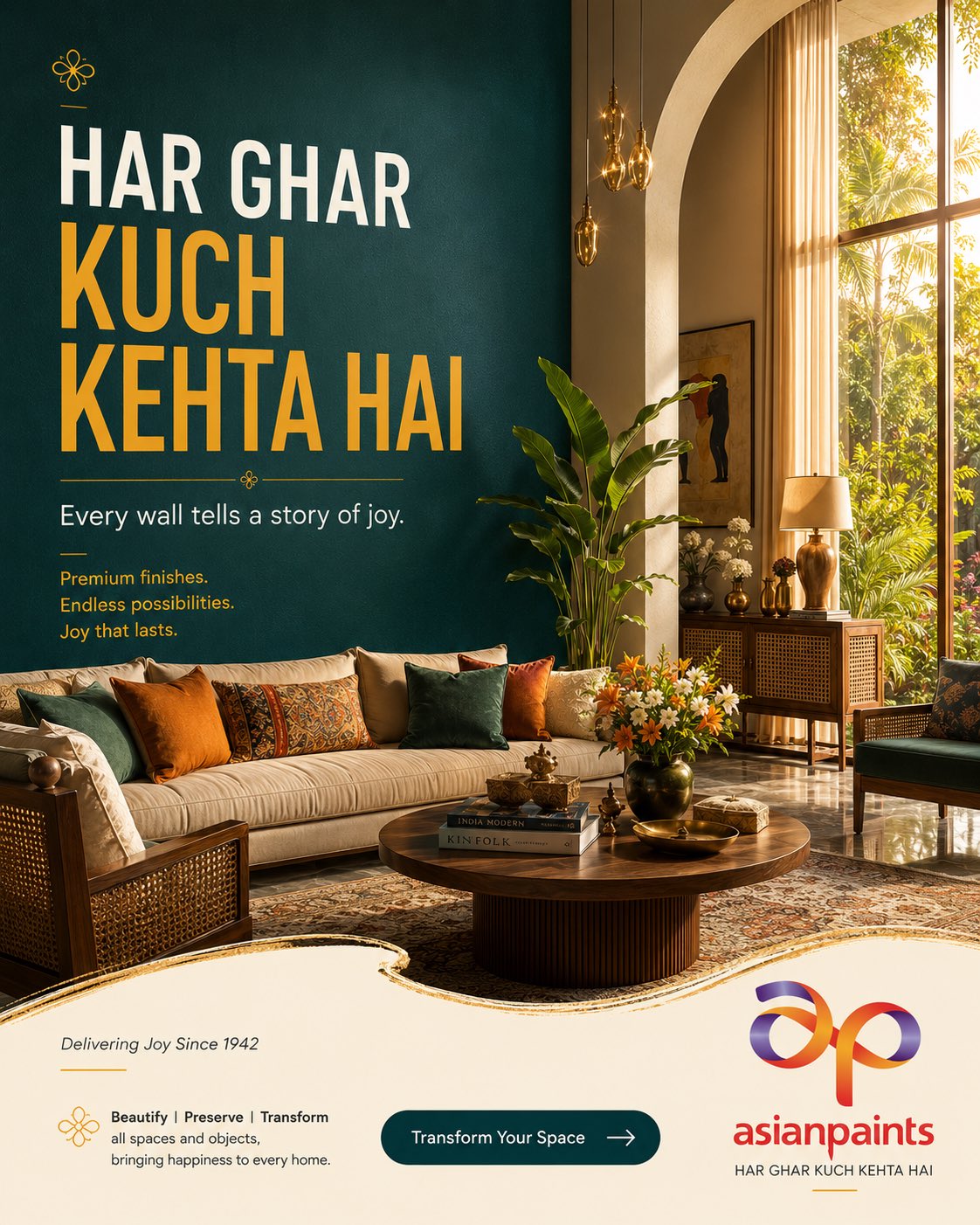
- This case keeps one primary output, so the first image should be treated as the main visual reference.
How The Prompt Is Structured
- The prompt reads as a long, highly specified prompt, which is useful when you want to judge how much specificity this direction needs.
- Its keyword cluster is centered on Cinematic, Poster, UI, so you can usually keep that cluster while swapping subject, camera, layout, or copy details.
- A practical rewrite path is: keep the outcome, keep the strongest style cues, then replace only the subject and environment blocks.
Good Follow-up Questions
- What changes first if you keep Cinematic, Poster, UI but switch the subject matter?
- Which part of the result comes from section-level structure (UI & Social Screens) versus tag-level style cues?
- Which related cases in the same section give you a cleaner or more extreme variation of the same direction?
Full Prompt
Create a polished square promotional hero graphic for an online class about using ChatGPT for commercial product visuals. Canvas: 1:1 aspect ratio, dark navy-to-charcoal gradient background with a subtle studio floor reflection and soft vignette. Center the composition on a premium blank {argument name="product type" default="t-shirt"} floating in midair, rendered as a realistic 3D product mockup with smooth fabric texture, short sleeves, rounded collar, and no logos. Lighting should be dramatic studio-soft with warm golden rim light from the left and cool electric blue light from the right, creating a high-end ecommerce product photography feel. Surround the product with glowing gold circuit-board traces, small luminous nodes, and scattered bokeh particles, suggesting AI prompt engineering and automated commerce workflows. Add exactly 3 semi-transparent dark glassmorphism code-terminal windows around the product: one upper left, one upper right, and one lower left/lower right area split visually by perspective; each window has rounded corners, tiny red/yellow/green window dots, faint monospace code snippets, and subtle blur, but text can be mostly decorative except the upper-left terminal title should read “$ prompt engineering terminal”. Make the terminals look like prompt and JSON/code panels controlling the product render. At the bottom center, add large clean typography with the title “{argument name="headline text" default="ChatGPT"}” in white and the subtitle “{argument name="subtitle text" default="Foundations"}” in warm gold. Overall style: commercial-grade tech course thumbnail, premium Shopify/ecommerce product visual, cinematic lighting, crisp high-resolution render, balanced negative space, no watermark, no extra logos, no people.