Case Media
Case Notes
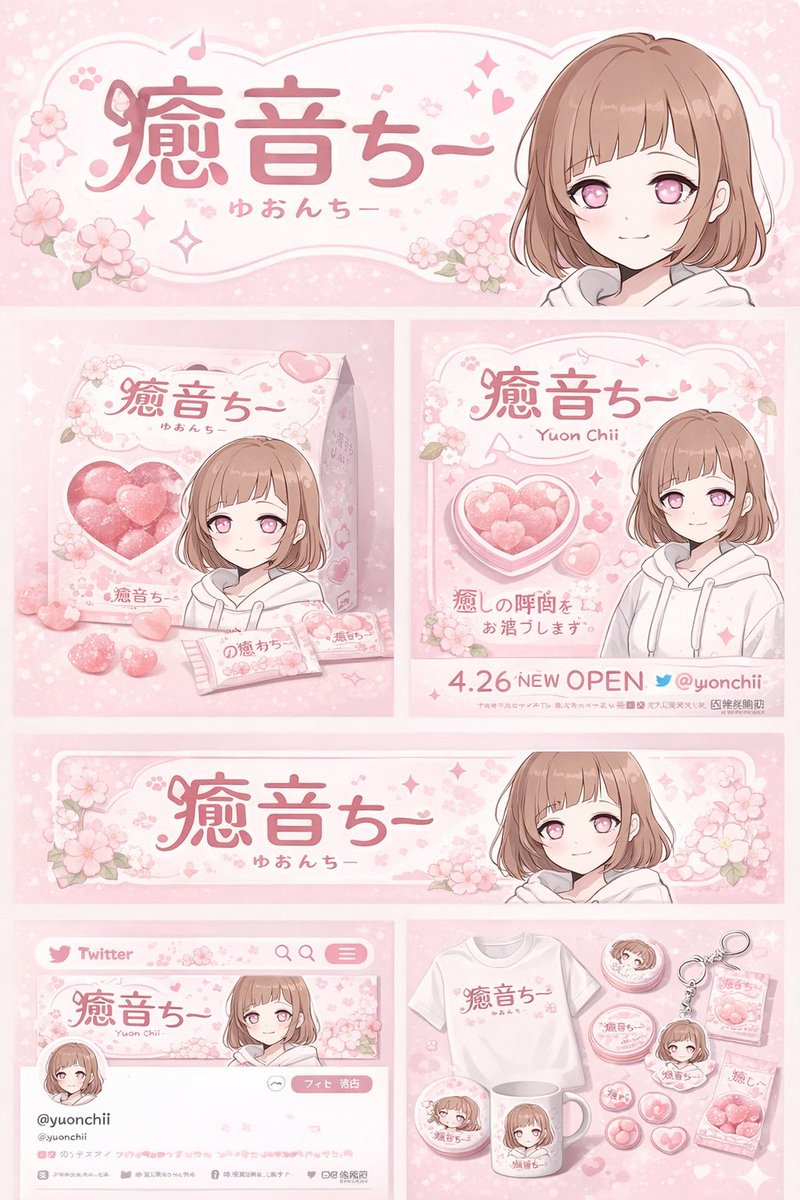
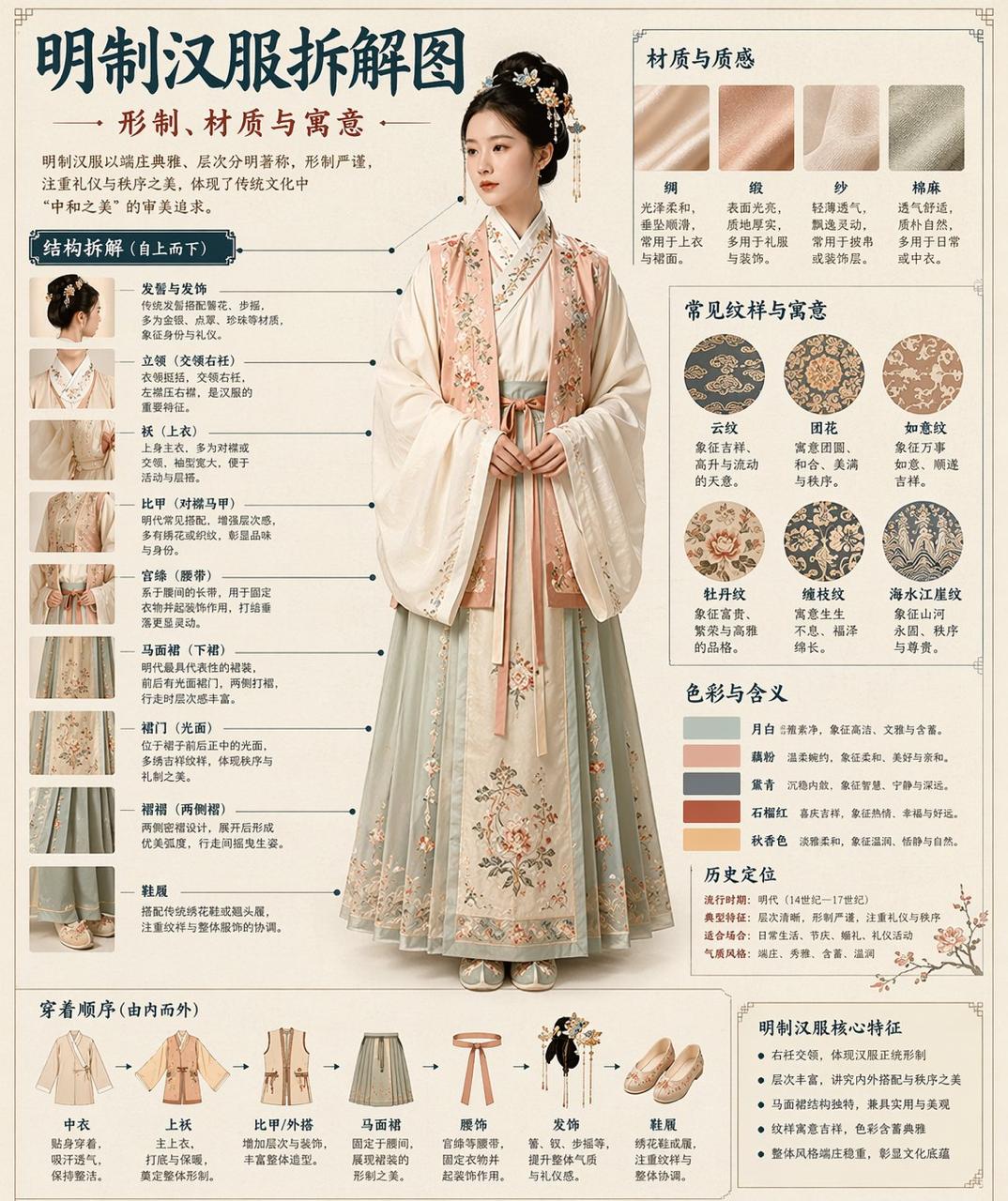
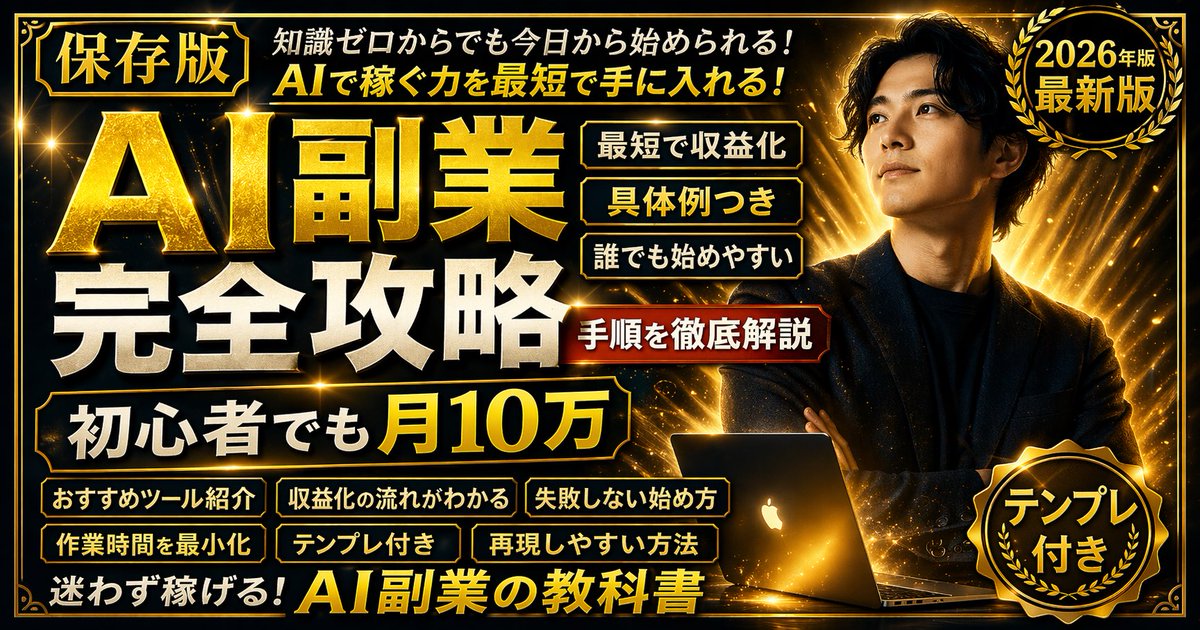
This page keeps the media, full prompt, and original source together so you can inspect the result first and decide whether the prompt is worth copying, saving, or comparing.
Case Insights
To make this page easier to search, cite, and reuse later, the case is also broken down into practical guidance about usage, visual cues, and prompt structure.
Best Fit Scenarios
- Use this as a ui & social screens benchmark when you need a fast style baseline before rewriting your own prompt.
- It is especially helpful if your target overlaps with Poster, Illustration, UI and you want to judge the image result before tuning wording.
- Keep it as a control sample when you compare nearby prompt variants one variable at a time.
Visual Signals To Notice
- The clearest style signals here are Poster, Illustration, UI, so those should usually stay in your first rewrite.
- The important layer is usually interface density, card hierarchy, and how the screen tells the story before you read small text.
- This case keeps 2 media outputs, which makes it easier to check whether the style remains stable across multiple results.
How The Prompt Is Structured
- The prompt reads as a long, highly specified prompt, which is useful when you want to judge how much specificity this direction needs.
- Its keyword cluster is centered on Poster, Illustration, UI, so you can usually keep that cluster while swapping subject, camera, layout, or copy details.
- A practical rewrite path is: keep the outcome, keep the strongest style cues, then replace only the subject and environment blocks.
Good Follow-up Questions
- What changes first if you keep Poster, Illustration, UI but switch the subject matter?
- Which part of the result comes from section-level structure (UI & Social Screens) versus tag-level style cues?
- Which related cases in the same section give you a cleaner or more extreme variation of the same direction?
Full Prompt
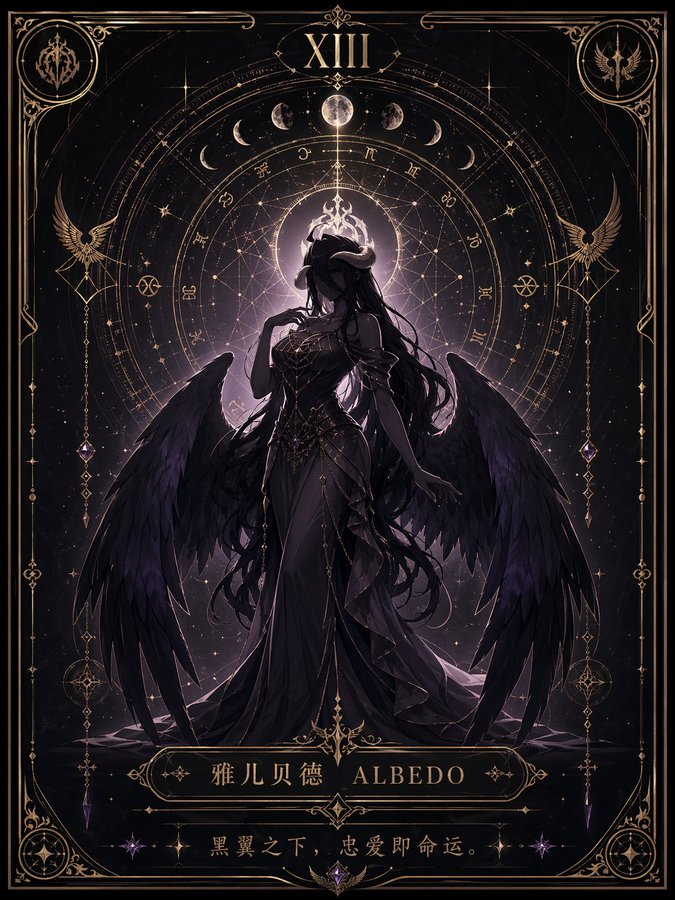
Generate a collection-level minimalist destiny star chart / tarot poster based on [Character/Theme]. In the center of the image is a huge, elegant, and complete character silhouette-style main visual. The overall strong silhouette feel is retained, but it is not a pure black silhouette; instead, it is a low-saturation, tinted, dark semi-silhouette with a tendency towards the character's theme color. The interior only retains very restrained color layers, slight gradients, and faint glows, without doing a fully colored illustration. The character's recognition is mainly reflected through outline, posture, hairstyle, clothing silhouette, and iconic accessories. Specific facial features are not emphasized, scenes are not filled inside the silhouette, and narrative collages are not made. Automatically generate an exclusive star chart / natal chart system highly matching the [Character] behind the character, including concentric circles, star trails, zodiac scales, constellation lines, moon phases, mystical symbols, geometric astrology patterns, symbolic emblems, and a small amount of decorative details. All color schemes, patterns, symbol systems, decorative elements, material tendencies, and light and atmosphere are automatically deduced and generated based on the [Character]'s identity, temperament, abilities, faction, elemental attributes, worldview, and sense of destiny. It must be strongly bound to the character itself and must not be templated. The overall adopts a strictly symmetrical, completely restrained collection edition tarot card composition, featuring a complete border, corner ornaments, a top numbering area, a central main visual area, and a bottom character name plaque and motto area. The style integrates tarot composition, Art Nouveau decorative style, occult symbol design, and high-end minimalist movie poster aesthetics. The overall feel is solemn, sacred, quiet, exquisite, fateful, and poetic, with a sense of collection and exclusivity. The overall texture should be clean, transparent, sharp, finely crafted, and gorgeous. Decorative lines should be clear and delicate, and may have a faint glow, stardust, energy light patterns, or a sense of metal trim lines; do not have paper texture, do not have a hand-drawn feel, do not have an old paper surface, do not have printing noise, do not have printmaking texture, do not have a manuscript feel, and do not have a distressed texture. The text in the image naturally integrates into the layout: the top may have Roman numerals or destiny numbers, the middle-lower part presents the [Character]'s name, and the bottom adds a destiny motto / oracle short sentence highly matching the character's temperament, which is concise, restrained, and poetic, like a destiny annotation exclusive to the character. Do not have complex scenes, do not have narrative inside the silhouette, do not have extra characters, do not have templated backgrounds, do not have modern UI, do not have cheap fantasy assets, do not be overly crowded, do not lose whitespace, do not have a normal character illustration feel, do not have a pure black silhouette, and do not have a fully thick-painted illustration feel. Vertical version 3:4, high definition, collection level, high degree of completion, exquisite details.