Case Media
Case Notes
This page keeps the media, full prompt, and original source together so you can inspect the result first and decide whether the prompt is worth copying, saving, or comparing.
Case Insights
To make this page easier to search, cite, and reuse later, the case is also broken down into practical guidance about usage, visual cues, and prompt structure.
Best Fit Scenarios
- Use this as a ui & social screens benchmark when you need a fast style baseline before rewriting your own prompt.
- It is especially helpful if your target overlaps with Neon, Portrait, Illustration and you want to judge the image result before tuning wording.
- Keep it as a control sample when you compare nearby prompt variants one variable at a time.
Visual Signals To Notice
- The clearest style signals here are Neon, Portrait, Illustration, so those should usually stay in your first rewrite.
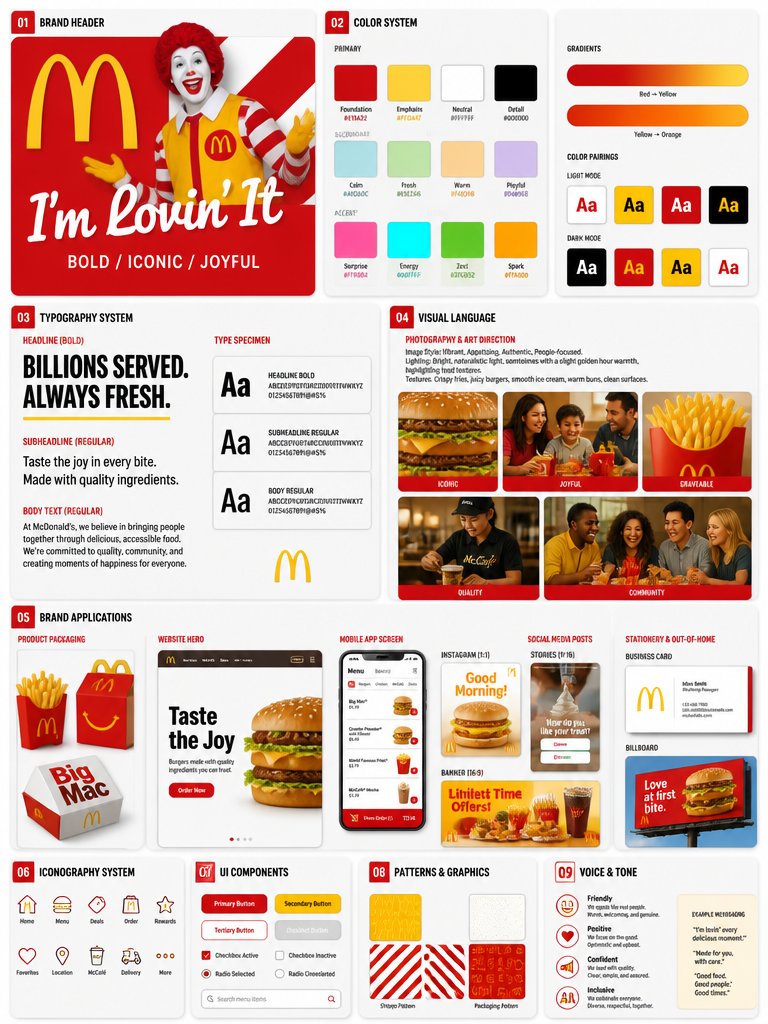
- The important layer is usually interface density, card hierarchy, and how the screen tells the story before you read small text.
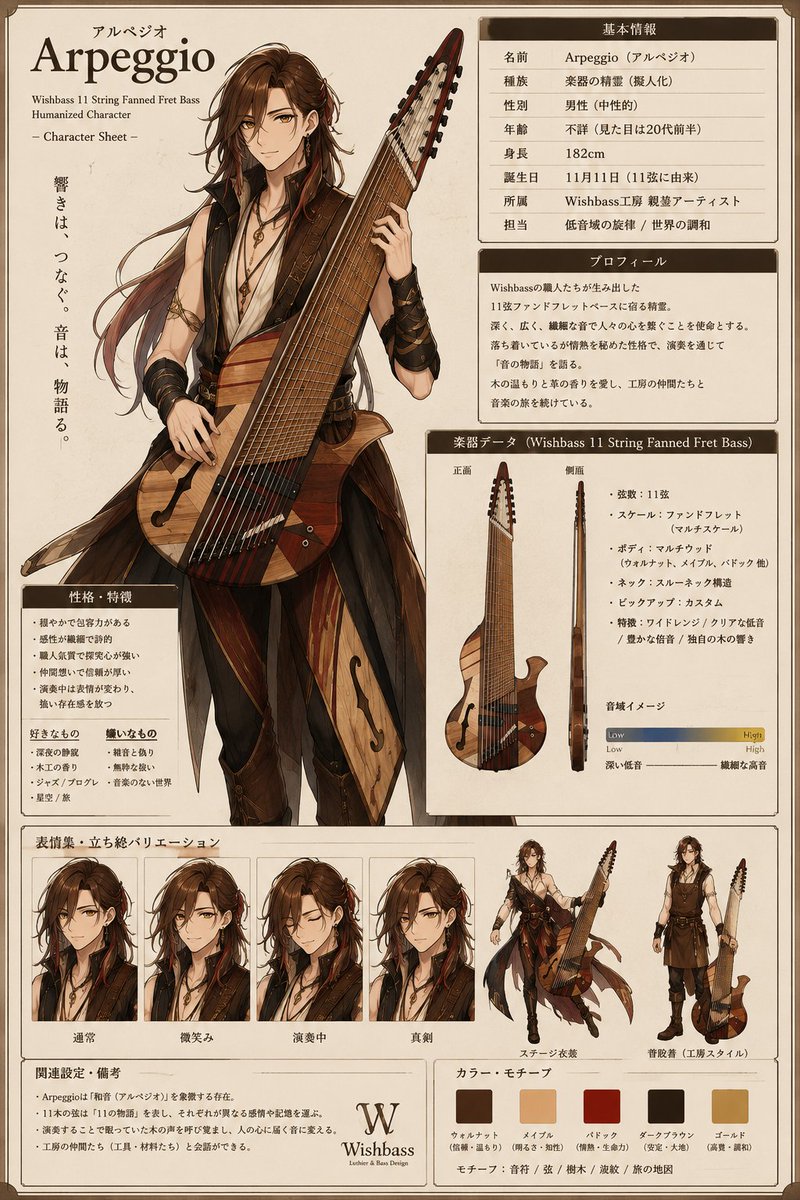
- This case keeps one primary output, so the first image should be treated as the main visual reference.
How The Prompt Is Structured
- The prompt reads as a long, highly specified prompt, which is useful when you want to judge how much specificity this direction needs.
- Its keyword cluster is centered on Neon, Portrait, Illustration, so you can usually keep that cluster while swapping subject, camera, layout, or copy details.
- A practical rewrite path is: keep the outcome, keep the strongest style cues, then replace only the subject and environment blocks.
Good Follow-up Questions
- What changes first if you keep Neon, Portrait, Illustration but switch the subject matter?
- Which part of the result comes from section-level structure (UI & Social Screens) versus tag-level style cues?
- Which related cases in the same section give you a cleaner or more extreme variation of the same direction?
Full Prompt
Goal: Create a detailed vertical fantasy character sheet for {argument name="character name" default="Arpeggio (アルペジオ)"}, a humanized instrument spirit based on {argument name="instrument name" default="Wishbass 11 String Fanned Fret Bass"}. The sheet should look like a premium illustrated game-design reference page with sepia parchment paper, thin dark brown borders, elegant serif typography, and Japanese-inspired layout styling. Canvas: Portrait orientation, approximately 3:4 ratio, aged cream paper background with a thin double-line frame and small corner ornaments. Use warm browns, walnut wood tones, black leather, muted red accents, and gold highlights. The overall style is painterly anime / fantasy concept art, highly detailed, refined, and print-ready. Main subject: A tall androgynous young male character, early twenties, 182 cm impression, standing full-body on the left-center of the page while holding an enormous multi-string bass guitar upright like a sacred artifact. He has long messy {argument name="hair color" default="chestnut brown hair with reddish streaks"}, layered strands, loose waves, and a mysterious soft-blurred facial area with no detailed facial features. Outfit: sleeveless dark open vest, layered necklaces, leather wrist wraps, fingerless gloves, asymmetric belts, flowing dark cloth strips, black trousers, high boots, and wooden instrument-like armor panels. The character is calm, poetic, and solitary, as if listening to the resonance of wood. The bass is oversized, with 11 visible strings, fanned frets, a natural multi-tone wood body, dark fretboard, tuning pegs along an elongated headstock, and a rich luthier-crafted look. Layout: Top left contains a large elegant title reading Arpeggio, with a smaller subtitle naming the instrument and a character sheet label. Down the left side beside the character, place a vertical poetic tagline in Japanese-style arrangement meaning: resonance connects, sound tells stories. Right side contains three stacked information panels. Bottom third contains expression portraits, standing-pose variations, notes, logo, and color palette. Right-side panels: Include exactly 3 boxed panels. Panel 1 is Basic Information with 8 rows: name, species, gender, age, height, birthday, affiliation, and role. Panel 2 is Profile with a paragraph describing a spirit born from the Wishbass instrument, quiet and introverted, speaking through resonance and music. Panel 3 is Instrument Data with front and side views of the bass plus technical bullet points and a small tonal-range meter. Instrument data details: Show exactly 2 instrument diagrams in the panel: one front view and one thin side view. Add concise specs: 11 strings, fanned fret scale, multi-wood body, through-neck or laminated neck construction, custom pickup, wide range, clear low tones, rich harmonics, and unique wood resonance. Include one horizontal tone-image bar labeled from low to high, with warm brown-to-gold coloring. Lower sections: Include exactly 4 expression bust portraits in a row, each with the same blurred facial area and hair/outfit consistency. Label them as: normal, faint smile, performing, serious. To the right, include exactly 2 standing variation miniatures: stage outfit holding the giant bass dynamically, and casual artisan/workshop outfit standing with the bass. At bottom left, include a related settings / notes box with short lore bullets. At bottom center, include a simple Wishbass logo mark with a large W and small leather-and-bass-design text. At bottom right, include exactly 5 color swatches labeled by motif: walnut, maple, padauk, dark brown, and gold. Text style: The page may use Japanese-style headings and compact annotation blocks, but keep the visible design clean and legible. Use elegant serif Latin text for the main title and small neat Japanese-style body text blocks for authenticity. Do not overcrowd the sheet beyond the described panels. Constraints: Exactly 1 main full-body character, exactly 1 oversized 11-string bass held by the character, exactly 3 right-side information panels, exactly 2 instrument diagrams, exactly 4 expression portraits, exactly 2 standing variation miniatures, and exactly 5 color swatches. No modern UI, no sci-fi neon, no photographic realism, no watermark, no extra characters.