Case Media
Case Notes
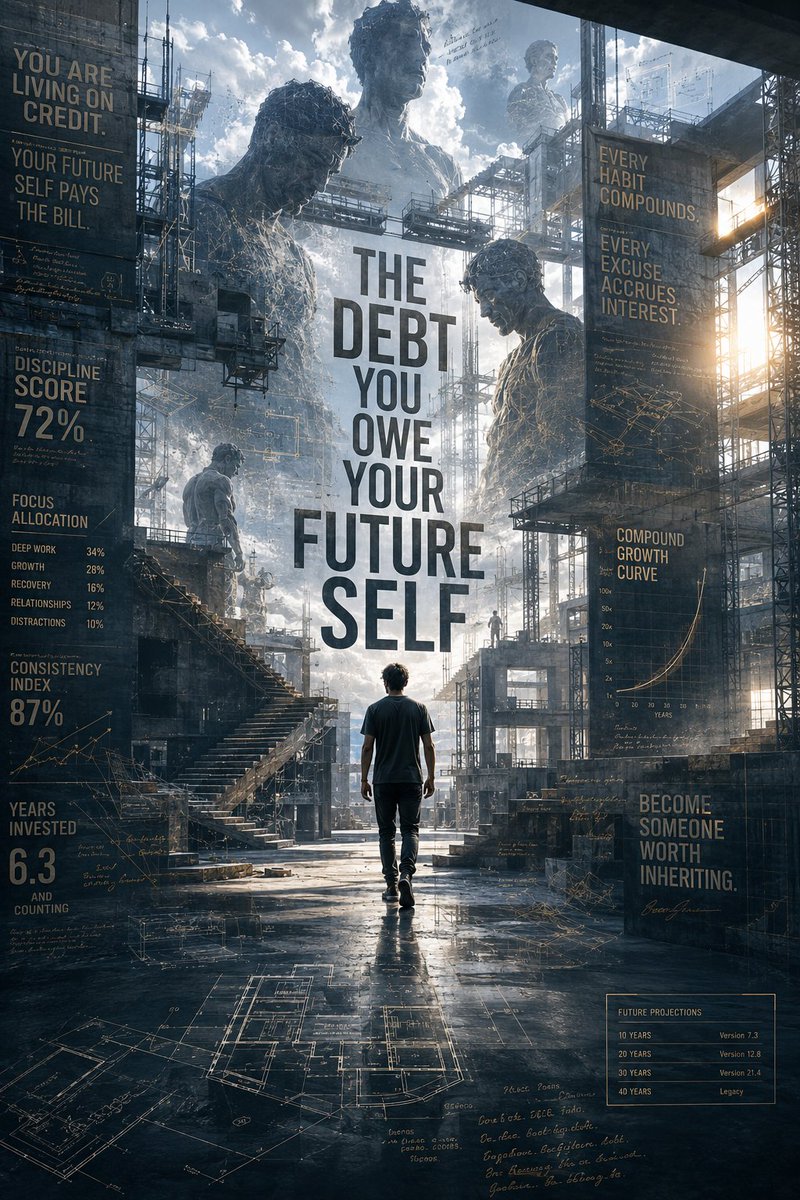
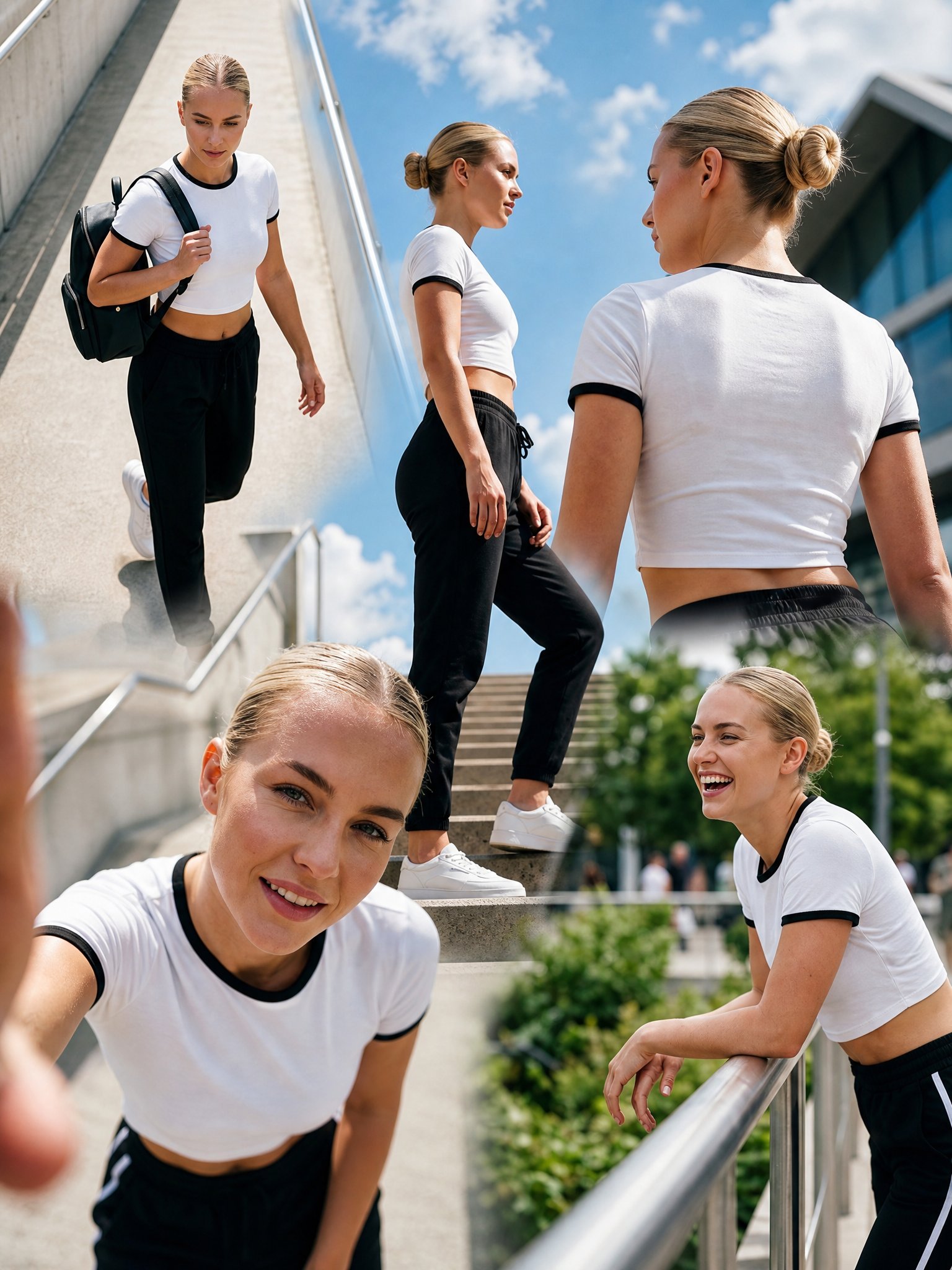
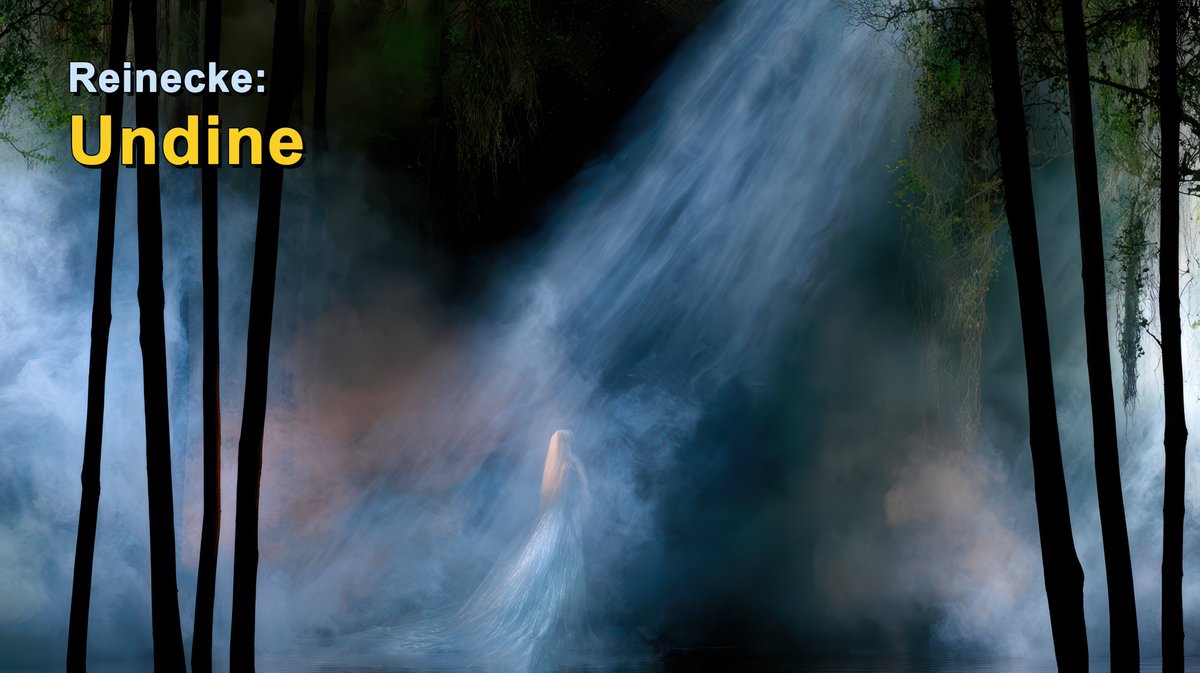
This page keeps the media, full prompt, and original source together so you can inspect the result first and decide whether the prompt is worth copying, saving, or comparing.
Case Insights
To make this page easier to search, cite, and reuse later, the case is also broken down into practical guidance about usage, visual cues, and prompt structure.
Best Fit Scenarios
- Use this as a portrait & photography benchmark when you need a fast style baseline before rewriting your own prompt.
- It is especially helpful if your target overlaps with Portrait, Cinematic, Typography and you want to judge the image result before tuning wording.
- Keep it as a control sample when you compare nearby prompt variants one variable at a time.
Visual Signals To Notice
- The clearest style signals here are Portrait, Cinematic, Typography, so those should usually stay in your first rewrite.
- Focus on framing, light direction, pose, and the distance between subject and camera.
- This case keeps 2 media outputs, which makes it easier to check whether the style remains stable across multiple results.
How The Prompt Is Structured
- The prompt reads as a long, highly specified prompt, which is useful when you want to judge how much specificity this direction needs.
- Its keyword cluster is centered on Portrait, Cinematic, Typography, so you can usually keep that cluster while swapping subject, camera, layout, or copy details.
- A practical rewrite path is: keep the outcome, keep the strongest style cues, then replace only the subject and environment blocks.
Good Follow-up Questions
- What changes first if you keep Portrait, Cinematic, Typography but switch the subject matter?
- Which part of the result comes from section-level structure (Portrait & Photography) versus tag-level style cues?
- Which related cases in the same section give you a cleaner or more extreme variation of the same direction?
Full Prompt
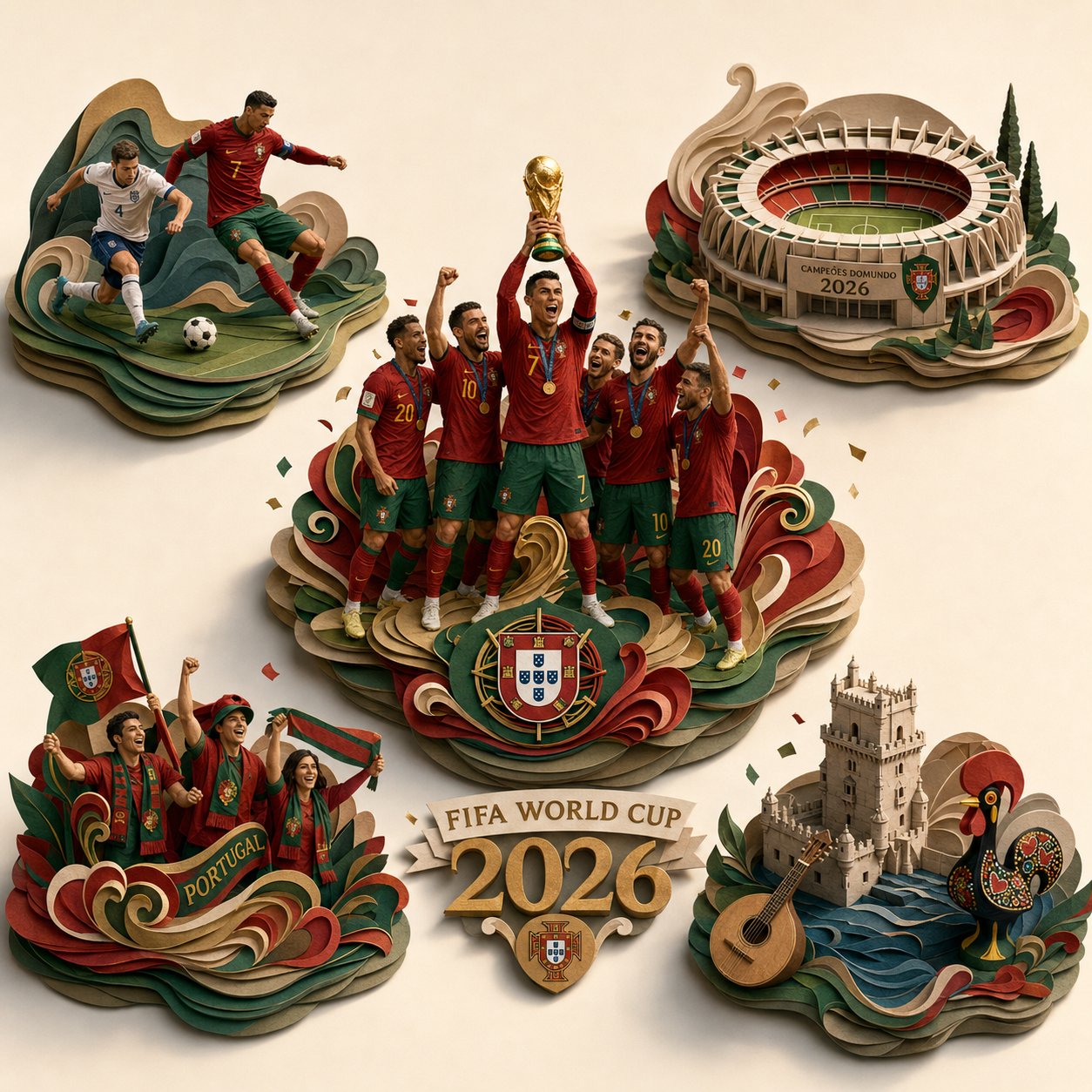
Epic FIFA World Cup 2026 championship celebration of [COUNTRY], transformed into a one-of-a-kind ultra-detailed 3D layered paper sculpture diorama, square composition, aspect ratio 1:1. The year "FIFA World Cup 2026" should be clearly visible and elegantly integrated into the artwork as a prominent celebratory element. The match has already ended. Create a spacious championship composition built from multiple connected visual islands distributed throughout the artwork. The Championship Trophy Cluster must be the largest island and occupy the visual center of the composition. Island 1 (Largest Central Island): Championship Trophy Cluster. A small group of players proudly lifts the World Cup trophy while teammates celebrate nearby. This island serves as the primary focal point and should be significantly larger than all other islands. Island 2: Match-Winning Football Action Cluster. One player from the champion nation and one opposing player compete in a decisive football moment. The ball remains clearly visible. This is the only football action scene in the composition. Island 3: Championship Stadium Cluster. A miniature paper-craft stadium monument symbolizing the nation's World Cup triumph, designed as a collectible architectural centerpiece. Island 4: Supporter Celebration Cluster. A small group of supporters celebrating with flags and subtle festive elements. Island 5: National Identity Cluster. A small collection of iconic cultural, architectural, natural, or symbolic elements representing the nation. The central trophy island should occupy approximately 35% of the total visual attention. The remaining islands should share the remaining visual attention and remain noticeably smaller than the central trophy island. Each island should be visually separated by generous negative space while remaining connected through subtle paper-craft visual flow. Visual weight must be distributed across the entire canvas. No single area should contain the majority of players, supporters, ornaments, landmarks, or decorative elements. Approximately 3–5 celebration clusters should be scattered throughout the composition, separated by intentional negative space. Open negative space occupies approximately 40% of the canvas. Negative space has higher priority than decorative elements. Empty space should weave naturally between the islands, creating multiple breathing zones throughout the composition. Entire scene created as handcrafted layered paper sculpture with elegant paper-cut engineering, dimensional paper layers, premium diorama craftsmanship, and refined paper textures. Automatically derive colors, visual motifs, decorative influences, architecture, landscapes, symbolism, artistic traditions, environmental storytelling, and visual identity from the specified country. Select only the most representative national elements. Avoid excessive landmarks or excessive cultural references. Decorative paper ribbons, paper curls, ornamental structures, and celebratory paper elements should be used sparingly and distributed throughout the artwork. Avoid large crowds. Avoid dense clustering. Avoid central crowd formations. Avoid excessive confetti. Avoid excessive ribbons. Avoid excessive landmarks. Avoid visual clutter. Avoid border-to-border decoration. Avoid filling every corner. Avoid symmetrical layouts. The composition should feel elegant, premium, spacious, collectible, museum-quality, and visually balanced. Hyper-detailed handcrafted paper textures, museum-quality paper sculpture, deep layered shadows, cinematic lighting, extraordinary depth, masterpiece paper art installation.