Case Media
Case Notes
This page keeps the media, full prompt, and original source together so you can inspect the result first and decide whether the prompt is worth copying, saving, or comparing.
Case Insights
To make this page easier to search, cite, and reuse later, the case is also broken down into practical guidance about usage, visual cues, and prompt structure.
Best Fit Scenarios
- Use this as a portrait & photography benchmark when you need a fast style baseline before rewriting your own prompt.
- It is especially helpful if your target overlaps with Portrait, Cinematic, Poster and you want to judge the image result before tuning wording.
- Keep it as a control sample when you compare nearby prompt variants one variable at a time.
Visual Signals To Notice
- The clearest style signals here are Portrait, Cinematic, Poster, so those should usually stay in your first rewrite.
- Focus on framing, light direction, pose, and the distance between subject and camera.
- This case keeps one primary output, so the first image should be treated as the main visual reference.
How The Prompt Is Structured
- The prompt reads as a long, highly specified prompt, which is useful when you want to judge how much specificity this direction needs.
- Its keyword cluster is centered on Portrait, Cinematic, Poster, so you can usually keep that cluster while swapping subject, camera, layout, or copy details.
- A practical rewrite path is: keep the outcome, keep the strongest style cues, then replace only the subject and environment blocks.
Good Follow-up Questions
- What changes first if you keep Portrait, Cinematic, Poster but switch the subject matter?
- Which part of the result comes from section-level structure (Portrait & Photography) versus tag-level style cues?
- Which related cases in the same section give you a cleaner or more extreme variation of the same direction?
Full Prompt
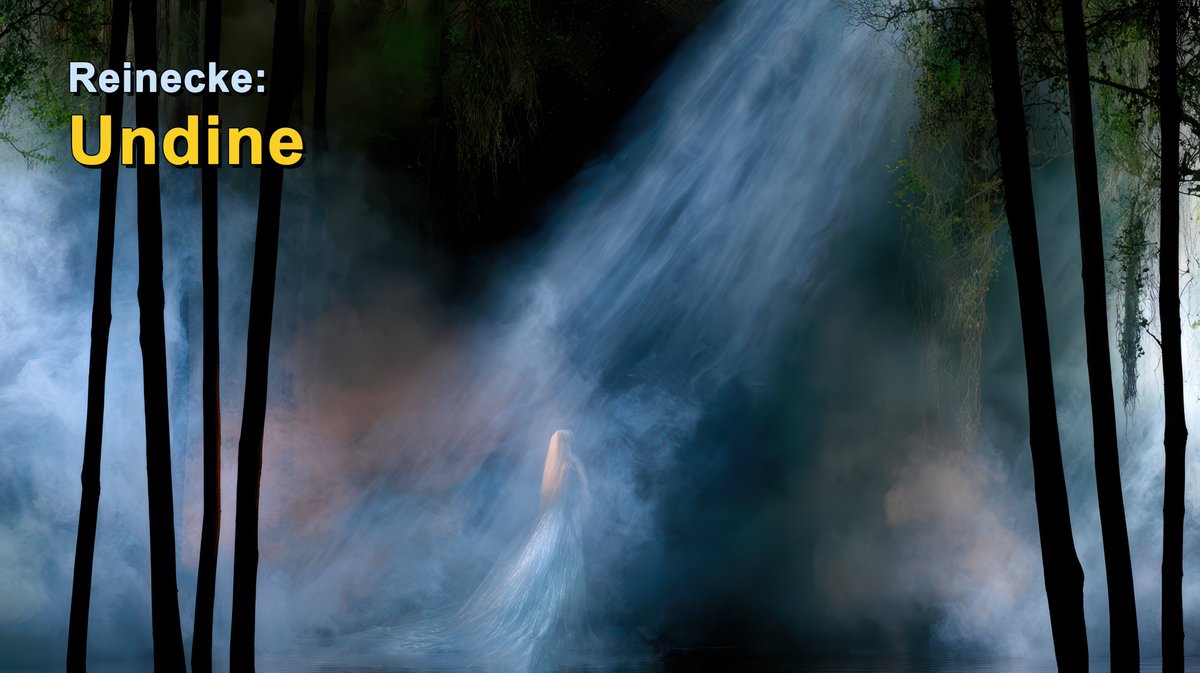
Create a cinematic horizontal title card for a classical music video about {argument name="composer and work" default="Reinecke: Undine"}. Use a 16:9 widescreen canvas. The scene is a dark Romantic forest at night, filled with blue-gray mist and water vapor, with a shallow reflective pool along the bottom edge. A powerful diagonal shaft of cold moonlight enters from the upper right and illuminates a ghostly water spirit or undine standing near the lower center, small in scale, with very long pale blonde hair and a translucent silver-blue gown that blends into the fog and water. Frame the image with exactly 9 prominent black tree trunks in the foreground: 5 clustered on the left side and 4 on the right side, with thin hanging branches and moss near the top. The atmosphere should feel mysterious, mythic, and operatic, with deep greens, blacks, cyan-blue haze, and soft volumetric lighting. Add bold title text in the upper left: exactly 2 lines, line 1 reads {argument name="top title text" default="Reinecke:"} in white, smaller bold sans-serif, and line 2 reads {argument name="main title text" default="Undine"} in large bright yellow bold sans-serif with a subtle dark shadow. Keep the typography clean and highly legible, leave the rest of the image free of text, no logos, no watermark.
Related Cases

Portrait & Photography
Cristiano Ronaldo Cr7 Portugal Legendary Sports Poster Prompt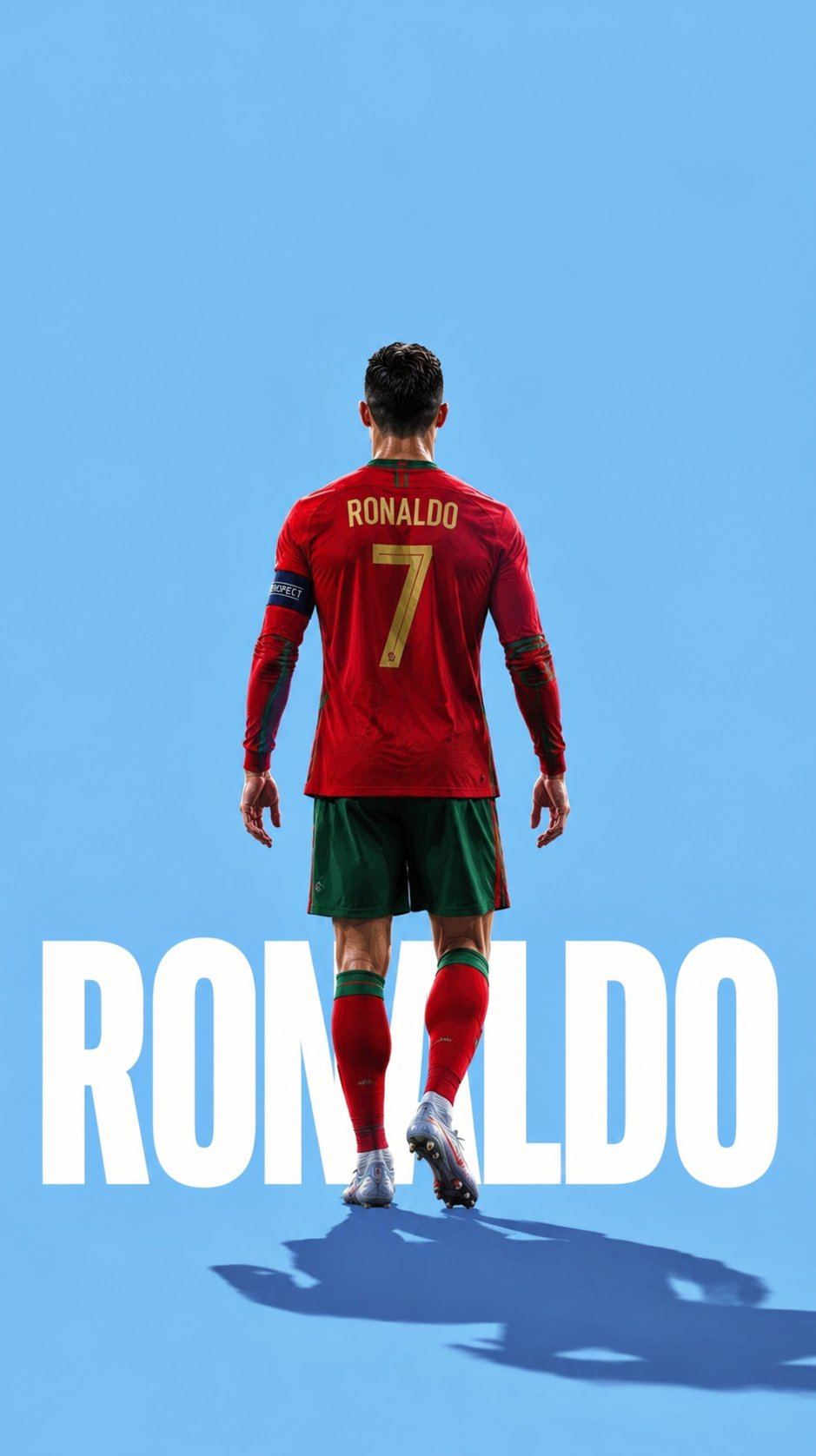
Portrait & Photography
Minimalist Ronaldo Portugal Sports Poster Wallpaper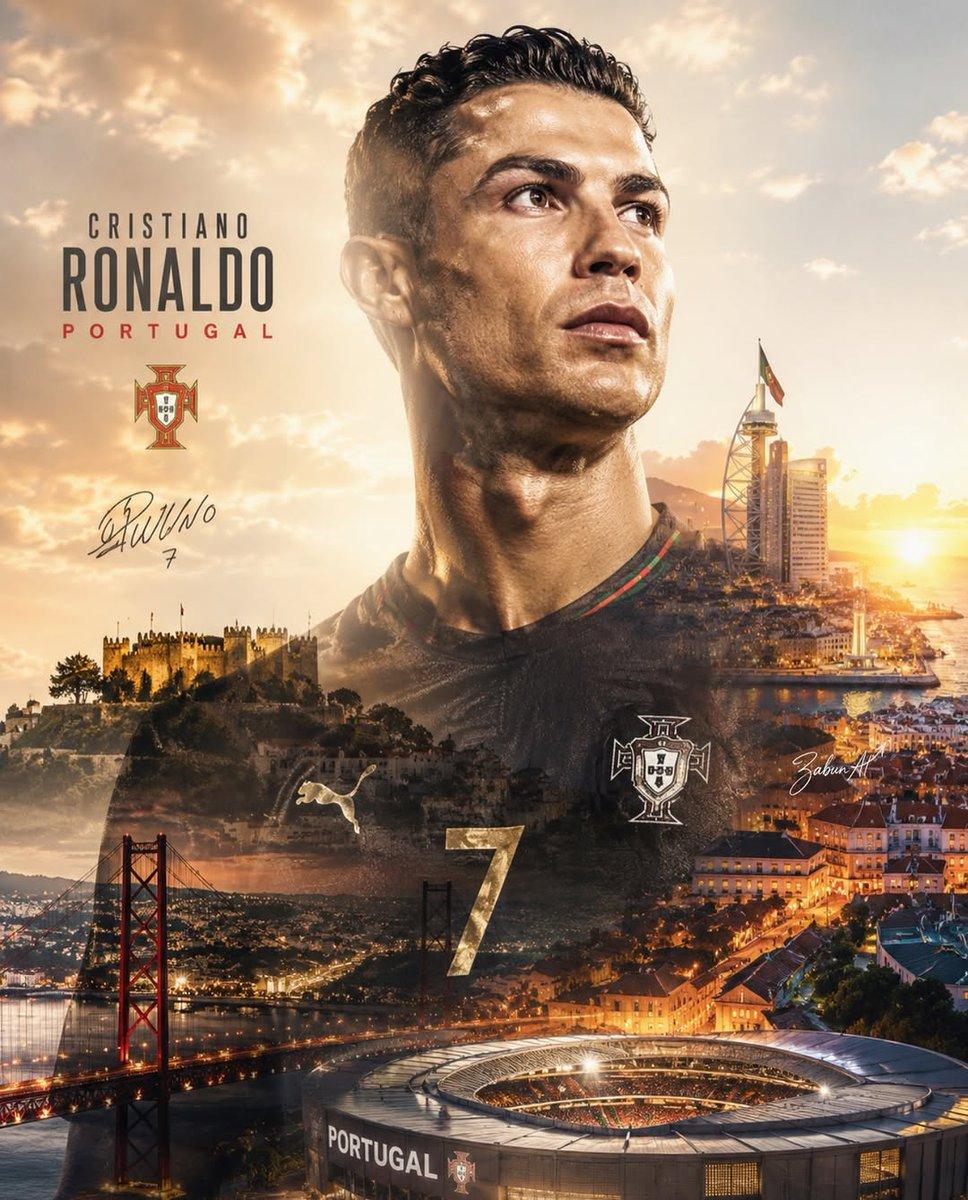
Portrait & Photography
Cinematic National Hero Football Player Poster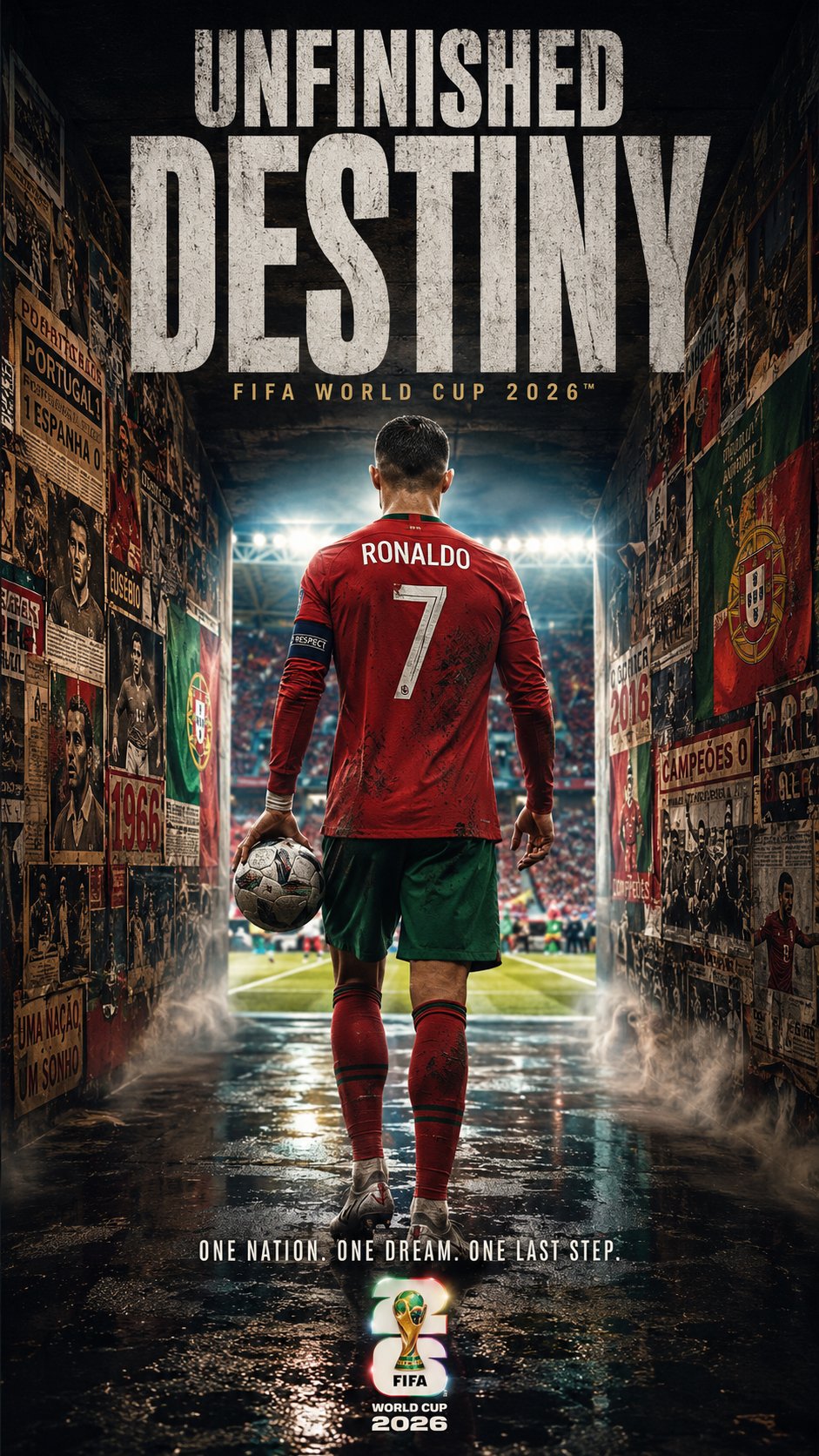
Portrait & Photography
Ultra Realistic Fifa World Cup 2026 Cinematic Sports Poster