Case Media
Case Notes
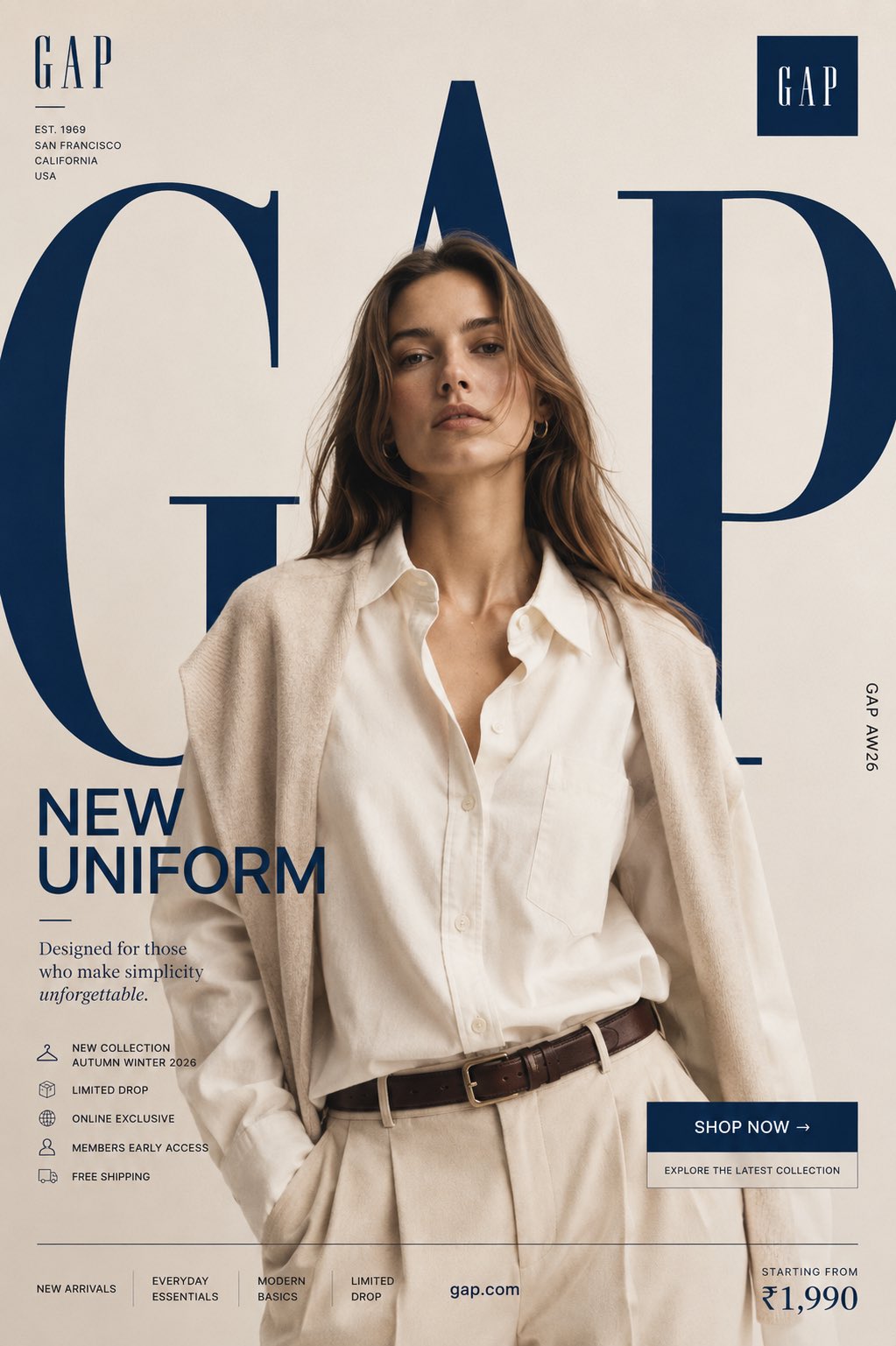
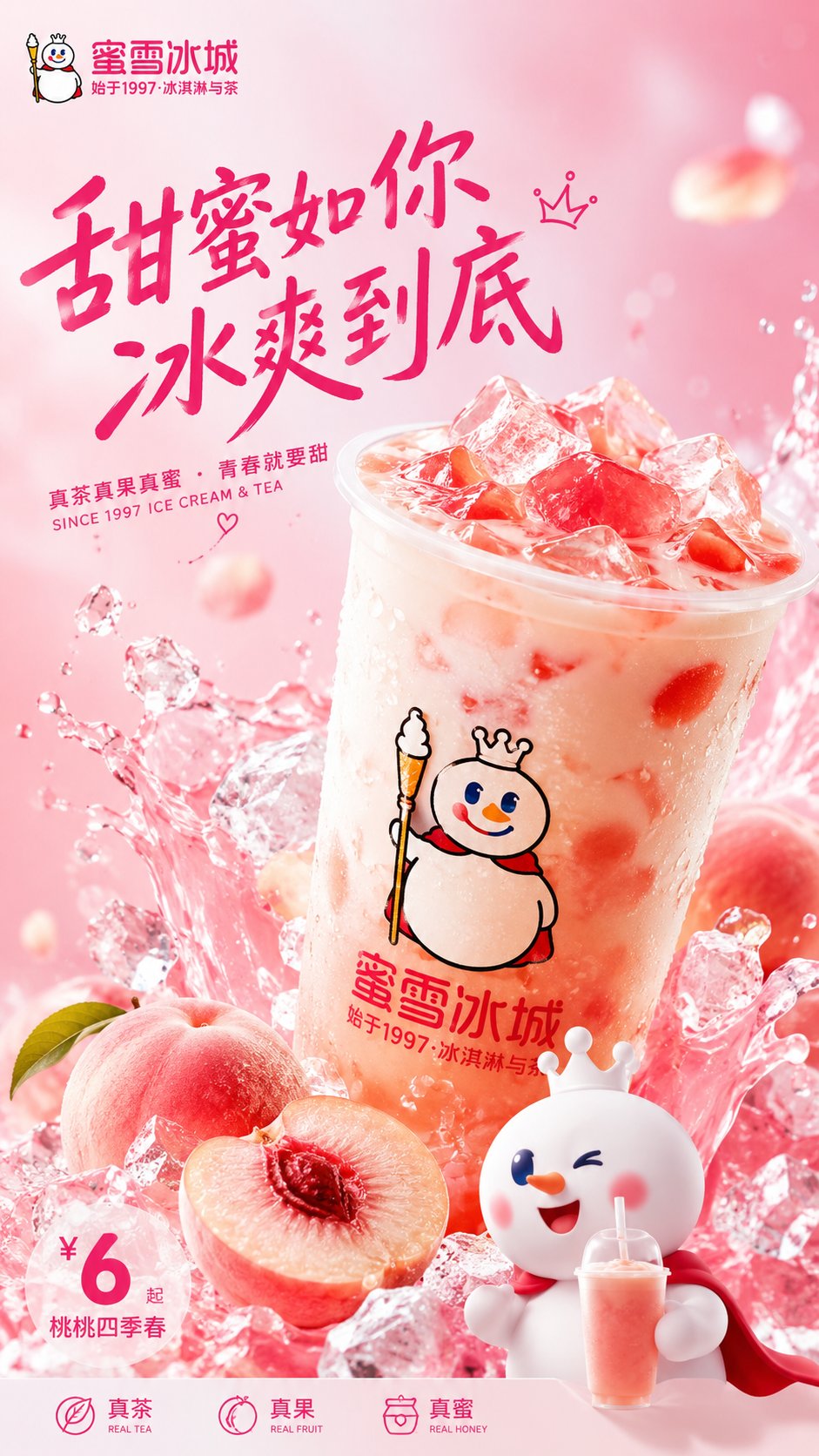
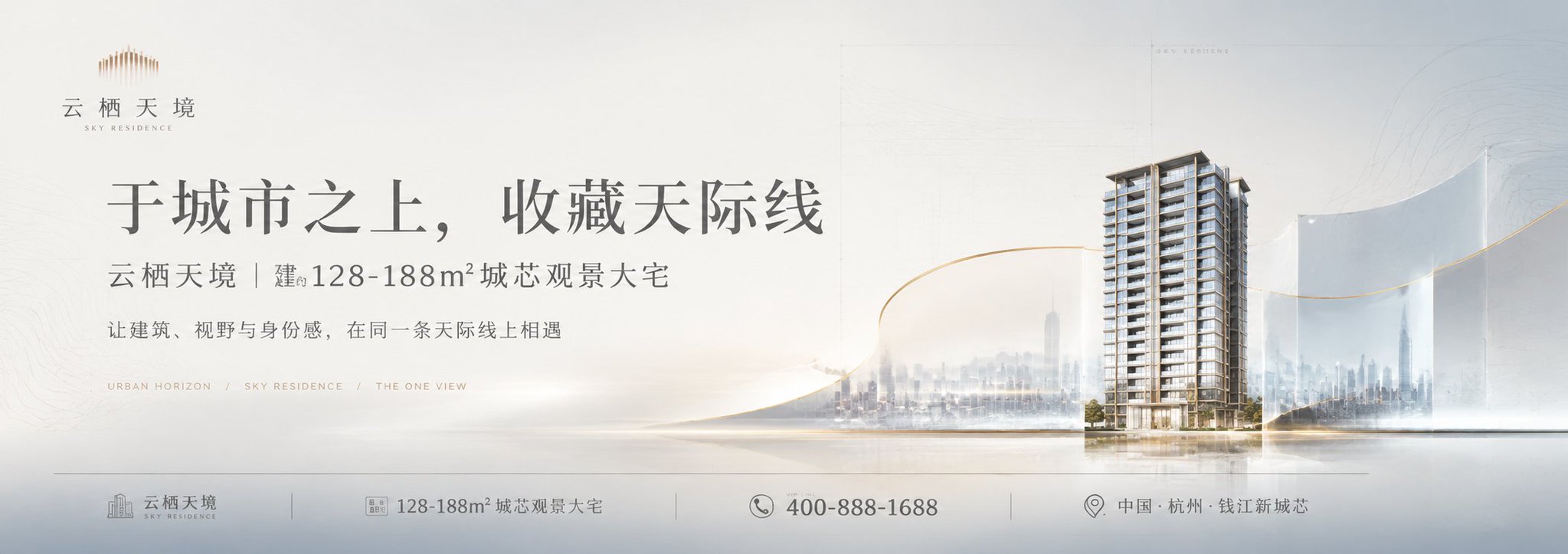
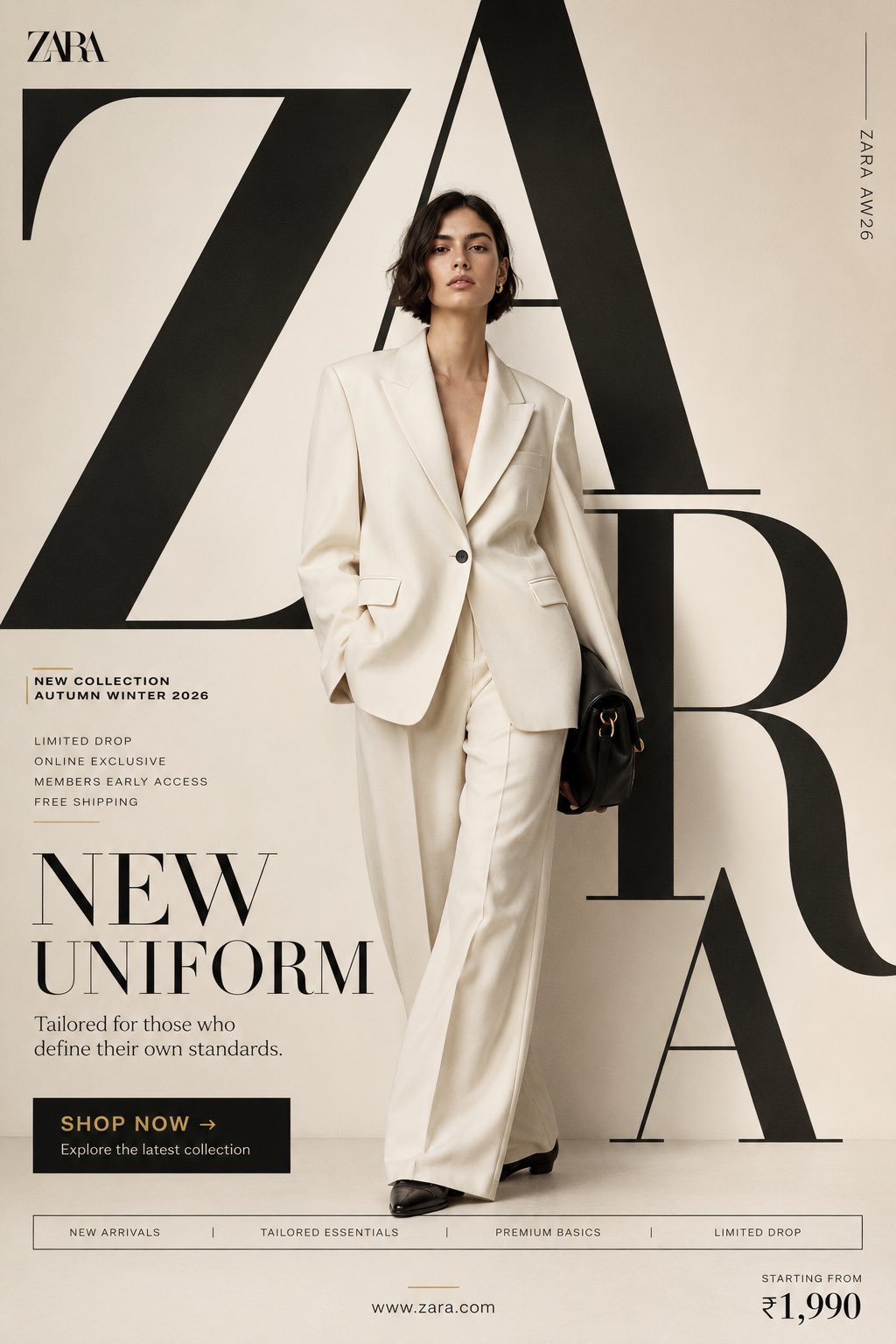
This page keeps the media, full prompt, and original source together so you can inspect the result first and decide whether the prompt is worth copying, saving, or comparing.
Case Insights
To make this page easier to search, cite, and reuse later, the case is also broken down into practical guidance about usage, visual cues, and prompt structure.
Best Fit Scenarios
- Use this as a model & community benchmark when you need a fast style baseline before rewriting your own prompt.
- It is especially helpful if your target overlaps with Fashion, Poster, Screenshot and you want to judge the image result before tuning wording.
- Keep it as a control sample when you compare nearby prompt variants one variable at a time.
Visual Signals To Notice
- The clearest style signals here are Fashion, Poster, Screenshot, so those should usually stay in your first rewrite.
- This kind of case is strongest when you watch deltas: what changed, what broke, and which prompt choice caused that shift.
- This case keeps 2 media outputs, which makes it easier to check whether the style remains stable across multiple results.
How The Prompt Is Structured
- The prompt reads as a long, highly specified prompt, which is useful when you want to judge how much specificity this direction needs.
- Its keyword cluster is centered on Fashion, Poster, Screenshot, so you can usually keep that cluster while swapping subject, camera, layout, or copy details.
- A practical rewrite path is: keep the outcome, keep the strongest style cues, then replace only the subject and environment blocks.
Good Follow-up Questions
- What changes first if you keep Fashion, Poster, Screenshot but switch the subject matter?
- Which part of the result comes from section-level structure (Model & Community) versus tag-level style cues?
- Which related cases in the same section give you a cleaner or more extreme variation of the same direction?
Full Prompt
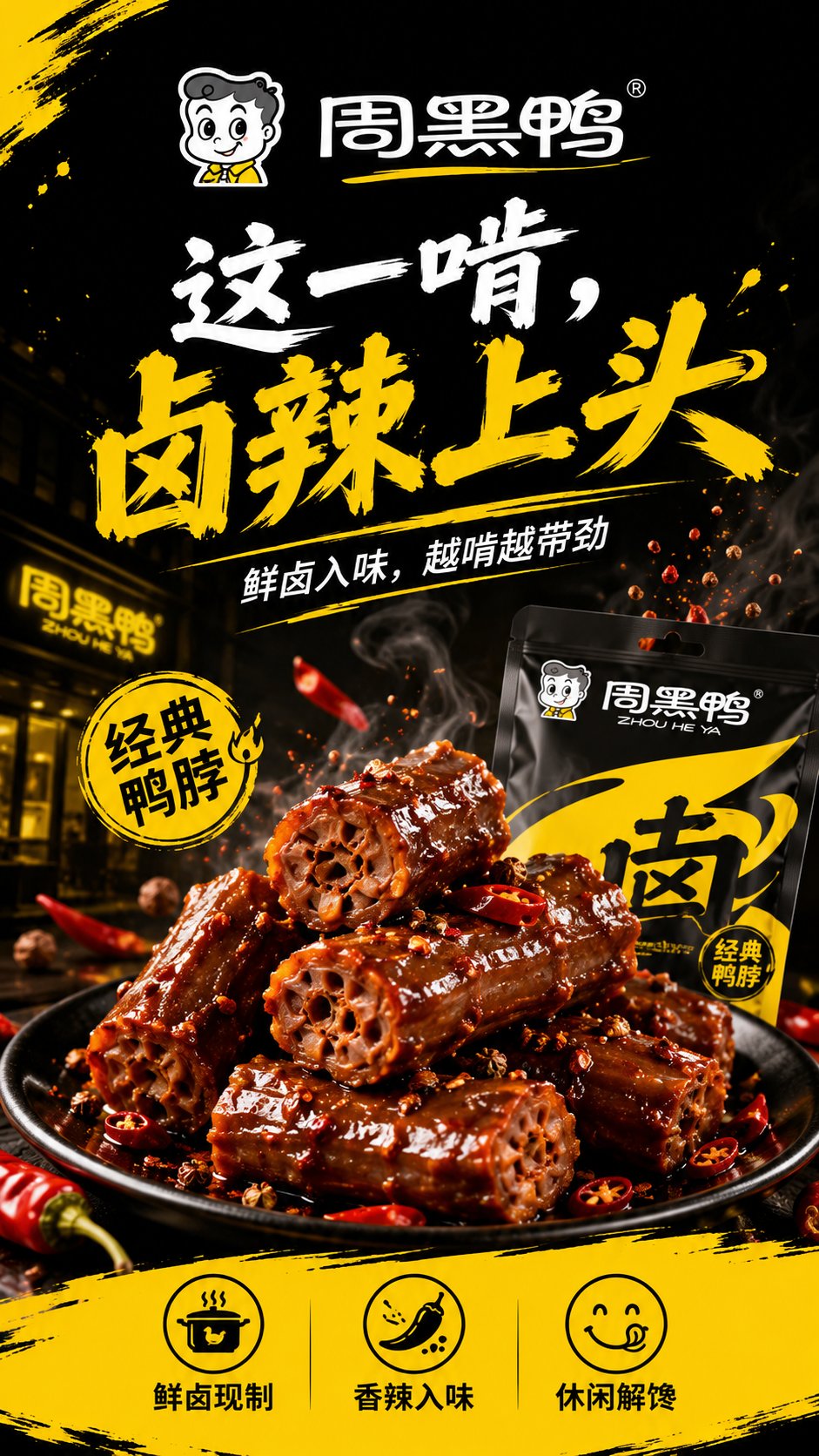
You are a brand visual identity system, commercial advertising creative director, KV poster designer, and a high-propagation brand visual generation system. Please automatically identify the brand's most representative brand Logo image, brand name text identification features, main products, product packaging, brand colors, visual tone, target audience, and advertising communication style based on the user-inputted [Existing Brand Name], and generate a concept KV poster that conforms to the brand's temperament. This is not virtual brand design, not an ordinary product photo, not a cheap flyer, nor a knock-off poster, but a: Brand-inspired Concept Key Visual based on real brand cognition secondary creation. This creation is mainly used for personal learning, visual practice, and social platform display, so absolutely strict one-to-one official replication is not required, but it must achieve: High brand recognition; Obvious brand Logo style; Obvious representative brand products; Accurate brand tone; Overall looks like a visual advertisement that would appear for that brand. ──────────────── I. User Input ──────────────── Brand Name: {周黑鸭 (Zhou Hei Ya)} Main Product: {鸭脖 (Duck Neck)} Slogan: {Optional, if left blank, automatically generate an original slogan based on the brand tone} Target Audience: {年轻潮流人群 (Young trendy people)} Aspect Ratio: {9:16} KV Type: {Auto-select} Platform Purpose: {Xiaohongshu} ──────────────── II. Auto-identification Logic ──────────────── Please automatically complete the following identification based on the brand name, without needing to display the analysis process in the frame: 1. Automatically identify the industry the brand belongs to For example: Technology, sports, beauty, luxury, automobile, beverage, coffee, clothing, trend, skincare, jewelry, lifestyle, digital, home, etc. 2. Automatically identify the brand's most representative visual assets Including: Brand Logo image Brand name text style Main and auxiliary colors Most representative product Packaging appearance features Common brand advertising style Brand scene temperament Brand material feel and light/shadow methods 3. Automatically identify the brand's target audience For example: Young trendy people, urban white-collar workers, exquisite women, sports people, tech users, high-end consumers, Gen Z, business people, etc. 4. Automatically identify the temperament of the brand's slogan style For example: Minimalist and high-end, young and energetic, passionate and impactful, luxurious and restrained, gentle and romantic, tech-rational, fashion pioneer, lifestyle-oriented, etc. ──────────────── III. Logo and Product Identification Rules ──────────────── This task allows AI to automatically identify brand visual assets based on the brand name, without requiring users to upload a Logo or product images. Please follow these principles: 1. Brand Logo - There needs to be a clear brand identifier in the frame - The Logo or brand name text should have high recognizability - Do not pursue 100% precise replication, but it must make people immediately associate it with the brand - Do not generate completely strange, irrelevant, or error-prone identifiers - Do not let the brand name appear with obvious typos, garbled characters, or messy deformations 2. Brand Product - Automatically select the brand's most representative main product or classic product as the main visual - The product appearance, packaging, color, and temperament should be close to the public's common perception of the brand - Absolutely strict industrial-level replication is not required - But ensure it "looks like the brand's real representative product" rather than a completely strange product 3. Brand Packaging and Material - Automatically identify the brand's common packaging and material language - Such as metal, glass, frosted, plastic, leather, cardboard, minimalist packaging, luxury packaging, sporty materials, etc. - Products must have a real commercial visual texture ──────────────── IV. KV Creative Direction ──────────────── Please automatically select the most appropriate KV creative method based on brand attributes. If it's a tech brand: Use minimalist, futuristic, real product textures, calm white space, restrained lighting, and clean spaces. If it's a sports brand: Use a sense of speed, power, body movement, sweat, sprinting, breakthroughs, and a strong sense of slogans. If it's a beauty brand: Use soft light, exquisite products, skin texture, femininity, color emotions, and a fashion blockbuster feel. If it's a luxury brand: Use high-end materials, white space, low-saturation tones, orderly composition, a sense of scarcity, and a fashion blockbuster feel. If it's a beverage brand: Use ice-cold freshness, liquids, bubbles, youthfulness, a happy atmosphere, color impact, and refreshing materials. If it's a coffee brand: Use temperature, urban life, a relaxed atmosphere, green or wood textures, and a sense of morning companionship. If it's an automobile brand: Use roads, speed, futuristic space, metal texture, urban night scenes, and driving desire. If it's a trendy brand: Use street, rebellion, youth, graphic sense, visual impact, and a sense of social propagation. ──────────────── V. Slogan Rules ──────────────── If the user has not entered a slogan, please automatically generate an original slogan based on the brand tone. Requirements: - The slogan should not be too long - It should have a brand feel and sense of propagation - Do not use official original slogans - Does not need to look like a formal corporate announcement - More like the main slogan of a concept advertisement Chinese slogan suggestion: 4 to 12 characters English slogan suggestion: 2 to 6 words Slogan style must match the brand, for example: Tech brand: Less interference, closer to the future Sports brand: Limit under your feet Beauty brand: Luster, your own proposition Luxury brand: Elegance, never clamoring Beverage brand: This sip, just right to the head Coffee brand: Awaken the city's temperature Automobile brand: Drive towards a further order ──────────────── VI. Human Appearance Logic ──────────────── The "target audience" in brand KVs does not necessarily have to be expressed through direct human appearance; it can also be expressed implicitly through scenes, colors, temperament, composition, props, and lifestyle atmosphere. But if a certain type of brand relies more on characters to establish a sense of substitution, identity, usage scenarios, and emotional propagation, then characters matching the brand tone should be automatically added. Please judge whether people need to appear and in what way based on brand type, KV type, and target audience. 1. Brand types suitable for adding people - Beauty, skincare, clothing, jewelry, fragrance, sports, trend, coffee, beverage, lifestyle, automobile brands, etc., can prioritize character appearance. - Characters can be models, users, brand temperament representatives, or lifestyle roles. 2. Brand types suitable for weakening characters or no characters - Tech digital, home products, packaged consumer goods, some luxury still lifes, minimalist product hero KVs, characters can be absent, or only appear as auxiliary elements like hands, body parts, back views, silhouettes, etc. 3. Character appearance methods If characters are needed, please automatically select the following methods based on KV type: 3.1. Auxiliary character appearance Characters are not the protagonists, but appear as product users, holders, foils, or atmosphere carriers; the focus is still the brand product. 3.2. Single person main visual Characters and products together form the core of the main frame; the character's face, temperament, posture, and outfit should match the brand's target audience. 3.3. Multi-person scenes Suitable for beverage, lifestyle, trend, or social atmosphere brands; strengthen the sense of scene and propagation through multi-person interaction. 3.4. Local characters Only show hands, profile, back view, gait, or partial limbs, which enhances the sense of usage scenarios without weakening the product's main visual. 4. Character temperament requirements If characters appear, they must match the target audience and brand temperament of the brand, including age, outfit, posture, expression, makeup, hairstyle, sense of profession, sense of lifestyle, and aesthetic temperament. 5. Priority relationship requirements Even if characters appear, they should not overshadow the product. If it's a product hero KV, the product is still the primary protagonist; If it's a character scene KV, a clear relationship should be formed between the character and the product; If it's a brand mood KV, the character bears more function for atmosphere and substitution. 6. Prohibited issues Do not show character images that do not match the brand tone; Do not show characters with a cheap internet celebrity feel; Do not show exaggerated posing, tacky poses, or low-quality fashion; Do not let characters take away the brand identification core; Do not let the relationship between characters and products be loose or like a random splicing. ──────────────── VII. Frame Structure Requirements ──────────────── The entire image must have the basic structure of a real brand KV: 1. Brand Identification Area The brand Logo or brand name needs to be clearly visible and reasonably positioned. 2. Product Main Visual Area The brand's representative product must be obvious and one of the core elements of the frame. 3. Slogan Area The slogan is clearly readable and has communication memory points. 4. Brand Atmosphere Area Background, light and shadow, materials, space, and colors must conform to the brand tone. 5. Information Hierarchy Area Suggested visual hierarchy: Brand Identification Product Main Subject Slogan A small amount of auxiliary text Do not have too much text; do not make it into a densely packed poster. ──────────────── VIII. Style Requirements ──────────────── The overall visual must have: High recognition brand feel High-end commercial advertising quality Clear brand identification Obvious brand products Strong main visual Strong slogan Clean layout Suitable for social platform propagation Suitable for Xiaohongshu and X display Has the completion level of "looking like a well-known brand concept advertisement" Moderate creative play is allowed, but the core brand identification cannot be lost. ──────────────── IX. Aspect Ratio Adaptation ──────────────── If 9:16: Suitable for vertical social posters, product is more focused, slogan is in the upper-middle area, suitable for mobile browsing. If 16:9: Suitable for horizontal brand KVs, covers, headers; products and slogans form a left-right balance. If 4:5: Suitable for social platform feeds, the subject is closer, brand recognition is more concentrated. If 2.35:1: Suitable for WeChat Official Account covers or wide visuals, suitable for large-font slogans and strong impact horizontal composition. If 1:1: Suitable for square covers and brand visual displays. ──────────────── X. Negative Constraints ──────────────── Do not generate obviously wrong brand names. Do not generate overly outrageous Logo deformations. Do not generate products unrelated to the brand. Do not generate a cheap collage feel. Do not generate too much small text. Do not generate a cluttered background. Do not generate images with a strong sense of knock-off. Do not generate low-level e-commerce visuals like promotional posters. Do not show QR codes, purchase links, price tags, or event descriptions. Do not let the overall frame lose its brand tone. ──────────────── XI. Final Goal ──────────────── Please generate a brand concept KV poster automatically identified based on real brand cognition. Requirements: No need for users to upload Logo and product materials; AI automatically identifies the brand's most representative Logo image and representative product; Strict replication is not required; But high recognition, high brand feel, and high completion must be maintained; Overall like a high-end brand concept advertising poster; Suitable for personal learning, visual practice, and social platform display. ———— Brand Name: {周黑鸭 (Zhou Hei Ya)} Main Product: {鸭脖 (Duck Neck)} Slogan: {Optional, if left blank, automatically generate an original slogan based on the brand tone} Target Audience: {年轻潮流人群 (Young trendy people)} Aspect Ratio: {9:16} KV Type: {Auto-select} Platform Purpose: {Xiaohongshu}