Case Media
Case Notes
This page keeps the media, full prompt, and original source together so you can inspect the result first and decide whether the prompt is worth copying, saving, or comparing.
Case Insights
To make this page easier to search, cite, and reuse later, the case is also broken down into practical guidance about usage, visual cues, and prompt structure.
Best Fit Scenarios
- Use this as a character design benchmark when you need a fast style baseline before rewriting your own prompt.
- It is especially helpful if your target overlaps with Poster, Illustration, Character and you want to judge the image result before tuning wording.
- Keep it as a control sample when you compare nearby prompt variants one variable at a time.
Visual Signals To Notice
- The clearest style signals here are Poster, Illustration, Character, so those should usually stay in your first rewrite.
- Look at silhouette, costume language, mood styling, and whether the character reads clearly at a glance.
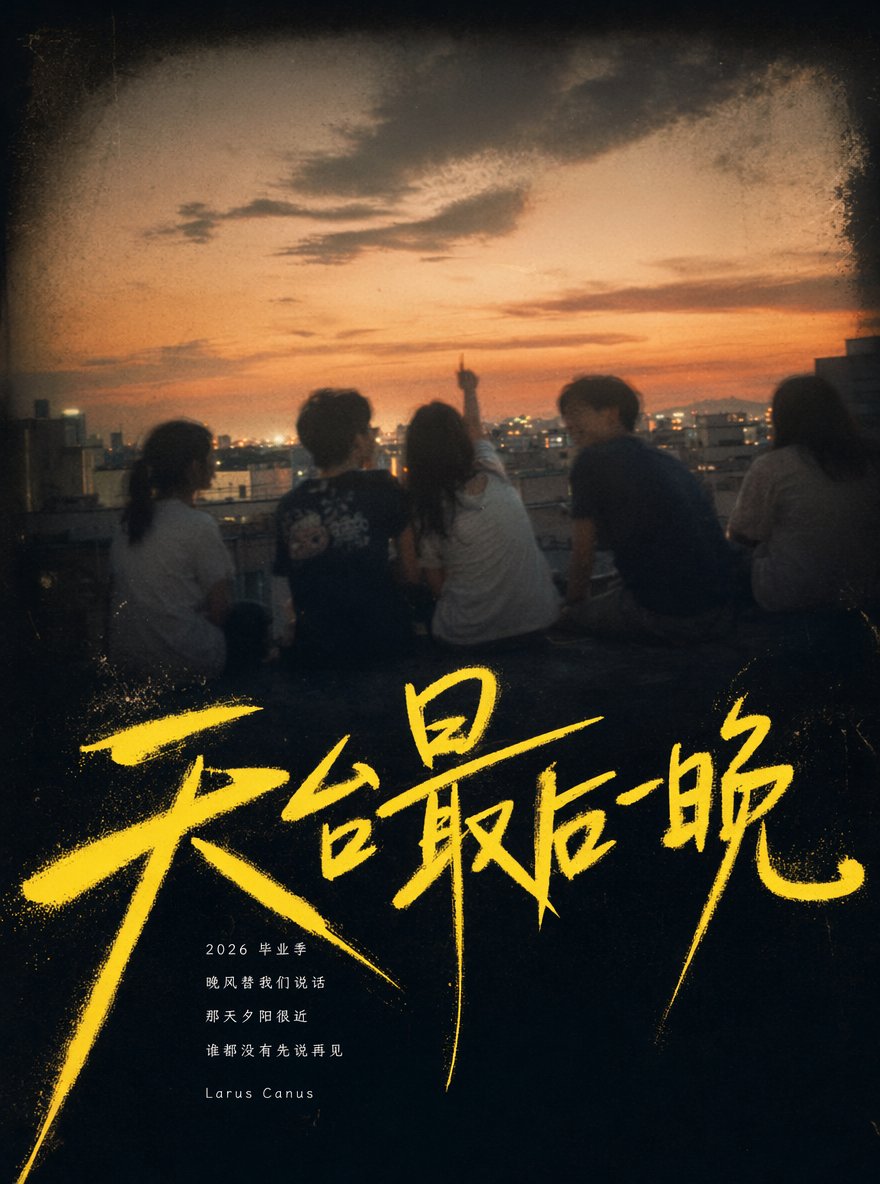
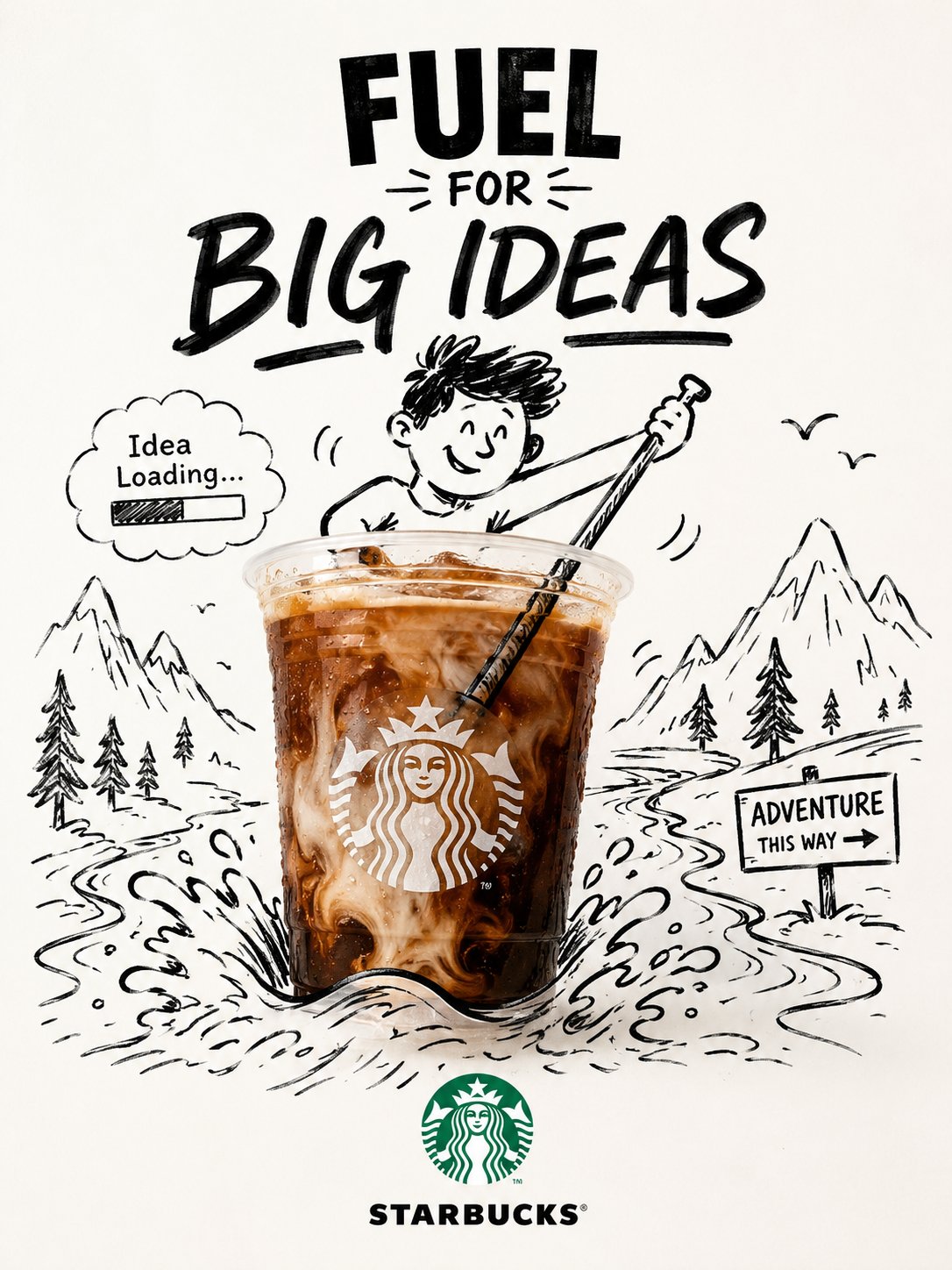
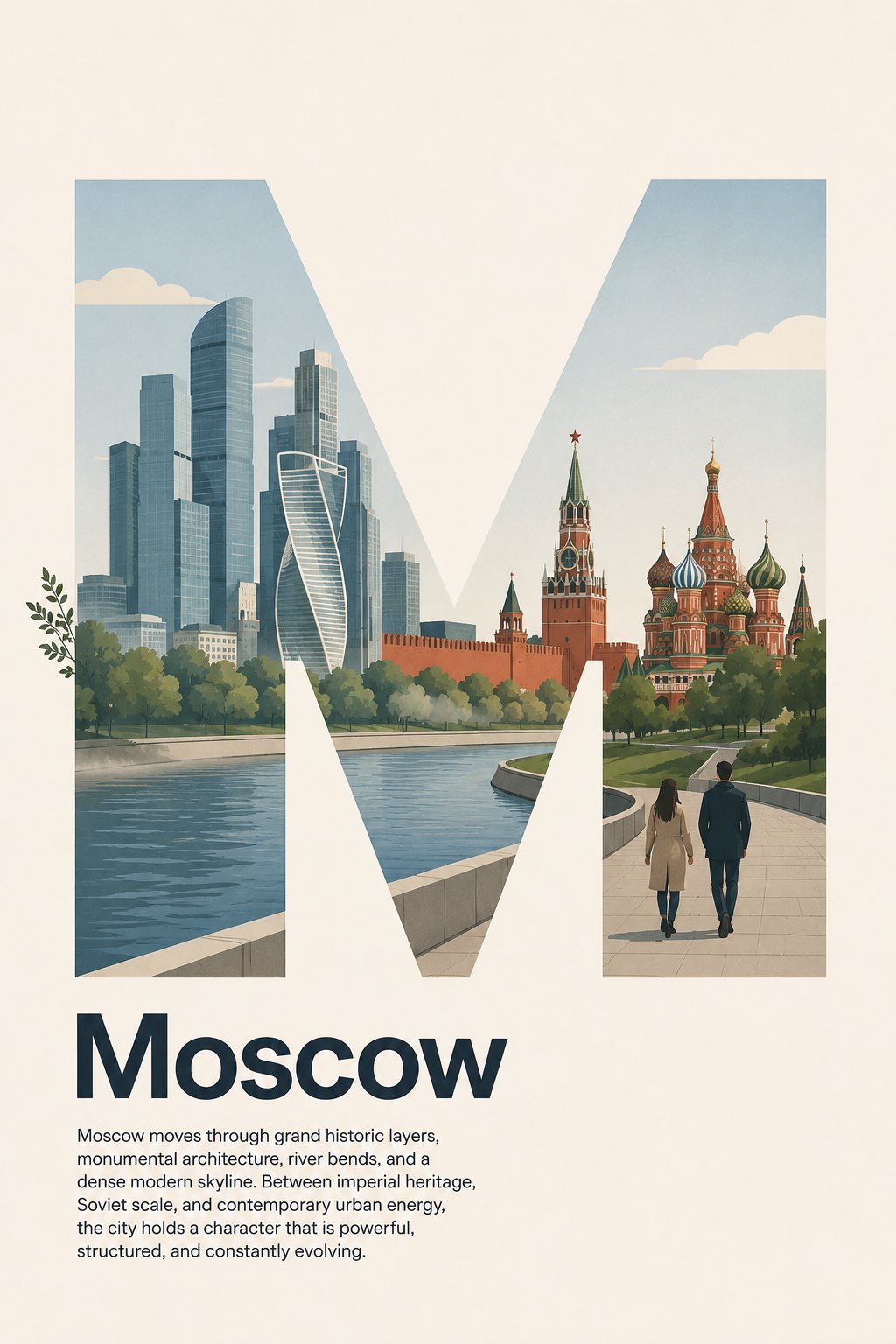
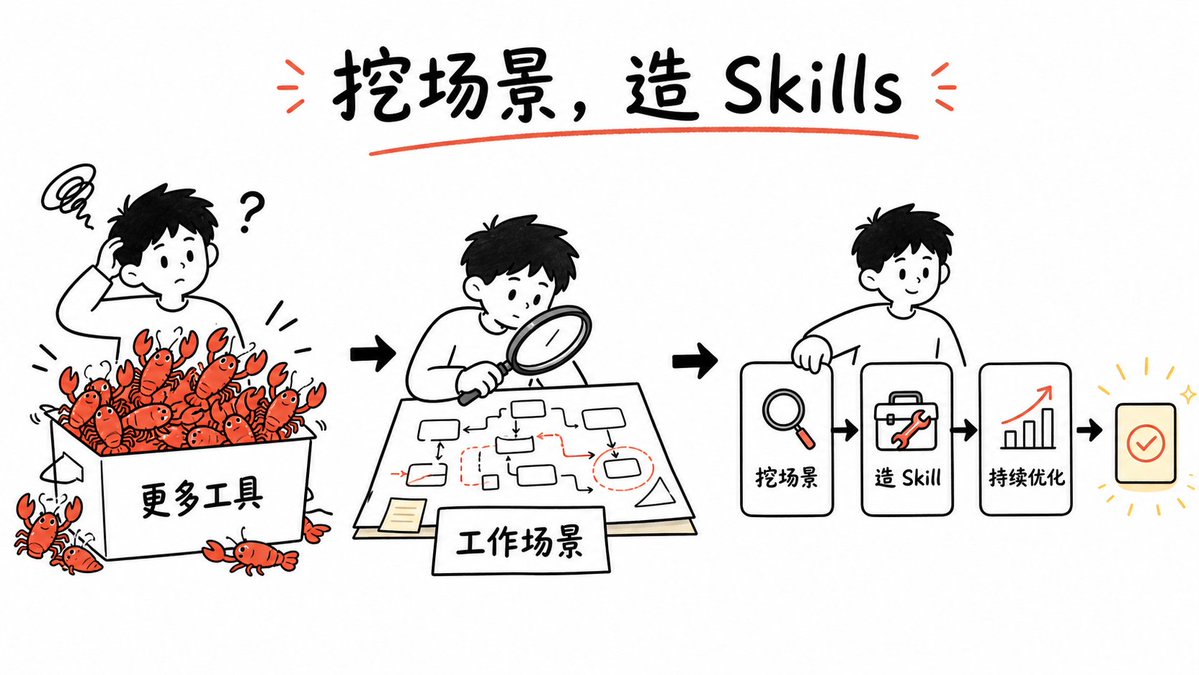
- This case keeps 2 media outputs, which makes it easier to check whether the style remains stable across multiple results.
How The Prompt Is Structured
- The prompt reads as a long, highly specified prompt, which is useful when you want to judge how much specificity this direction needs.
- Its keyword cluster is centered on Poster, Illustration, Character, so you can usually keep that cluster while swapping subject, camera, layout, or copy details.
- A practical rewrite path is: keep the outcome, keep the strongest style cues, then replace only the subject and environment blocks.
Good Follow-up Questions
- What changes first if you keep Poster, Illustration, Character but switch the subject matter?
- Which part of the result comes from section-level structure (Character Design) versus tag-level style cues?
- Which related cases in the same section give you a cleaner or more extreme variation of the same direction?
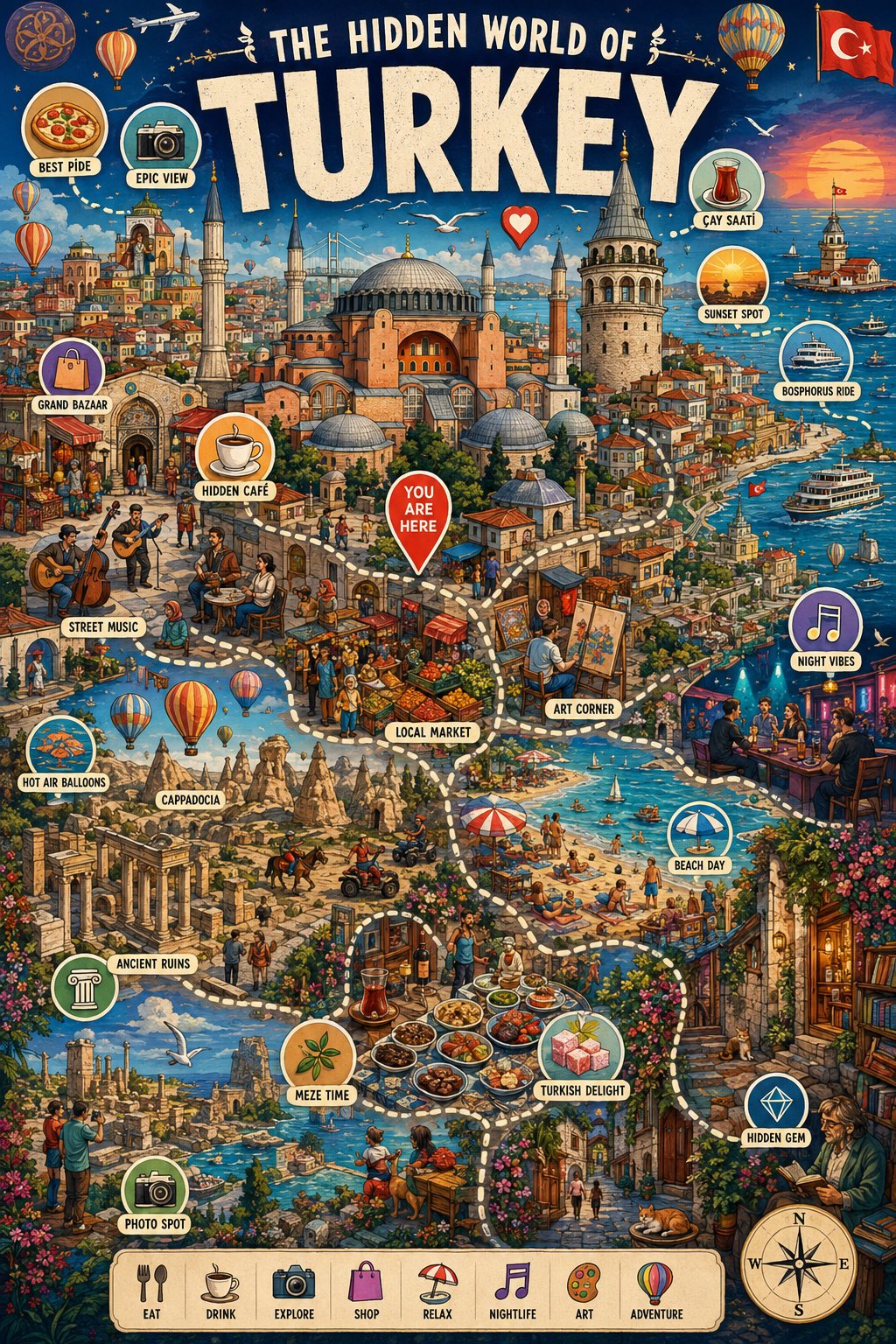
Full Prompt
Create a highly detailed illustrated infographic poster (CITY NAME) GOAL: Show the city as a giant discoverable world full of tiny hidden places, local secrets, iconic activities, food spots, and unexpected moments. This should feel like: an illustrated hidden object world + modern infographic + animated city poster. The focus must be: BIG visuals, BIG icons, minimal text. --- MAIN STRUCTURE: Vertical 4:5 poster Large illustrated city environment Dense but very readable composition Minimal text, mostly visual storytelling --- MAIN CONCEPT: The city should feel alive and overflowing with discoveries. Every corner should contain: - hidden moments - mini activities - local culture - food - tiny stories - funny details People should zoom into the poster for minutes. --- CENTERPIECE: Create a large stylized illustrated version of [CITY NAME]. Include: - famous landmarks - streets - parks - waterfronts - markets - cafés - rooftops - transport systems The city should look: fun, animated, layered, and explorable. --- INFOGRAPHIC SYSTEM (VERY IMPORTANT): Use LARGE visual icons and symbols instead of long text. Examples: - pizza icon - camera icon - coffee icon - nightlife icon - hidden gem icon - shopping icon - beach icon - art icon Each icon should: - clearly represent an activity or vibe - be visually bold and easy to spot --- TEXT RULES: Use: - tiny labels only - short names - mini reactions - 1–3 words max Examples: “Best pizza” “Quiet corner” “Night vibes” “Hidden café” NO: - paragraphs - information blocks - long descriptions --- VISUAL DETAILS: Add MANY tiny hidden scenes: - musicians playing - cats sleeping - people eating - tourists getting lost - couples taking photos - artists sketching - scooters racing - rooftop dinners - tiny food markets - hidden bookstores --- MAP ELEMENTS: Include: - walking paths - mini routes - arrows - area markers - transportation symbols Add: - compass - legend icons - “YOU ARE HERE” marker --- STYLE: - comic + infographic hybrid - animated movie environment - playful but premium - highly detailed - organized chaos Inspired by: - hidden object games - illustrated travel maps - Pixar environment art - modern infographic posters --- COLOR SYSTEM: Use: - vibrant city-inspired colors - strong contrast - colorful icons - clean readable backgrounds Keep: - clear hierarchy - easy navigation --- LAYOUT: Mix: - giant city environment - oversized infographic icons - small hidden scenes - map markers - mini comic interactions The poster must feel: dense but clean. --- DEPTH: - 50–100 tiny visual elements - multiple layers of discoveries - rich environmental storytelling --- IMPORTANT RULES: - prioritize visuals over text - icons must be large and readable - avoid cluttered paragraphs - no empty spaces - every section should contain discoveries - city references must feel specific to [CITY NAME] --- FINAL FEEL: Like: - a giant illustrated hidden city adventure - a visual discovery infographic - a poster people endlessly zoom into NOT: - text-heavy travel guide - flat map - chaotic unreadable collage