案例媒体
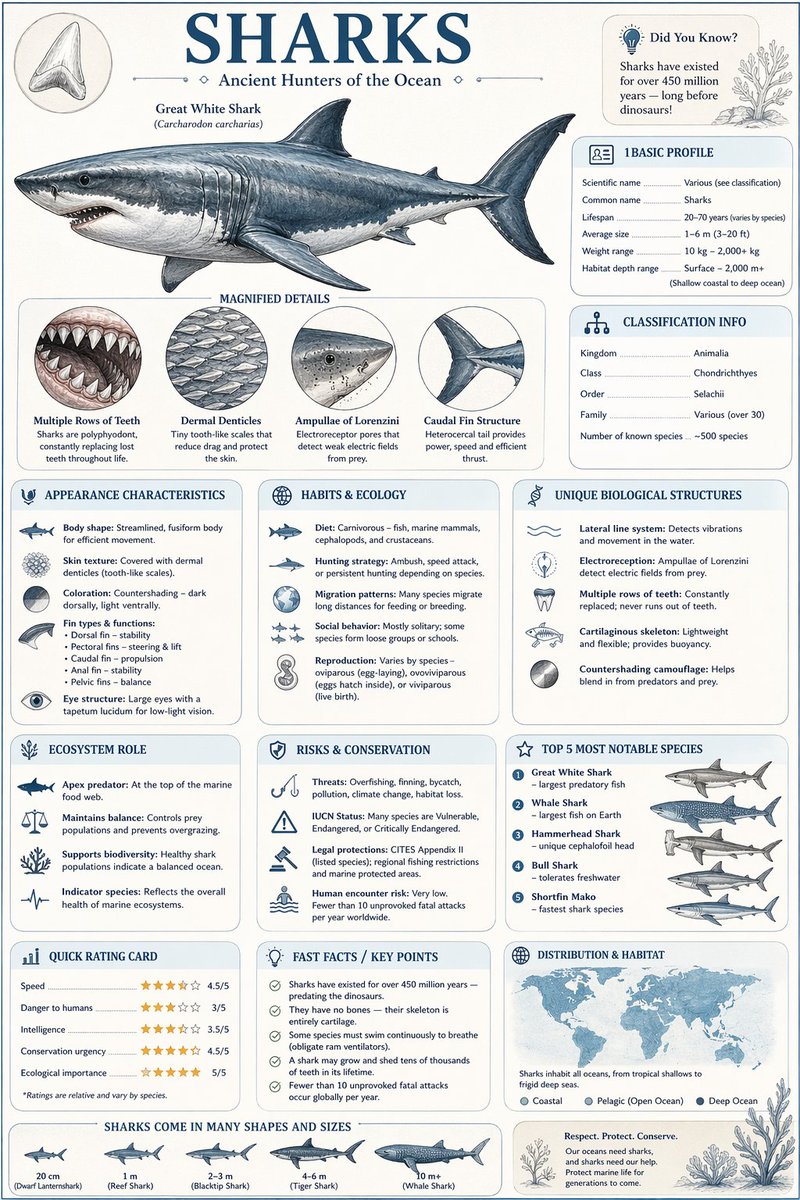
案例说明
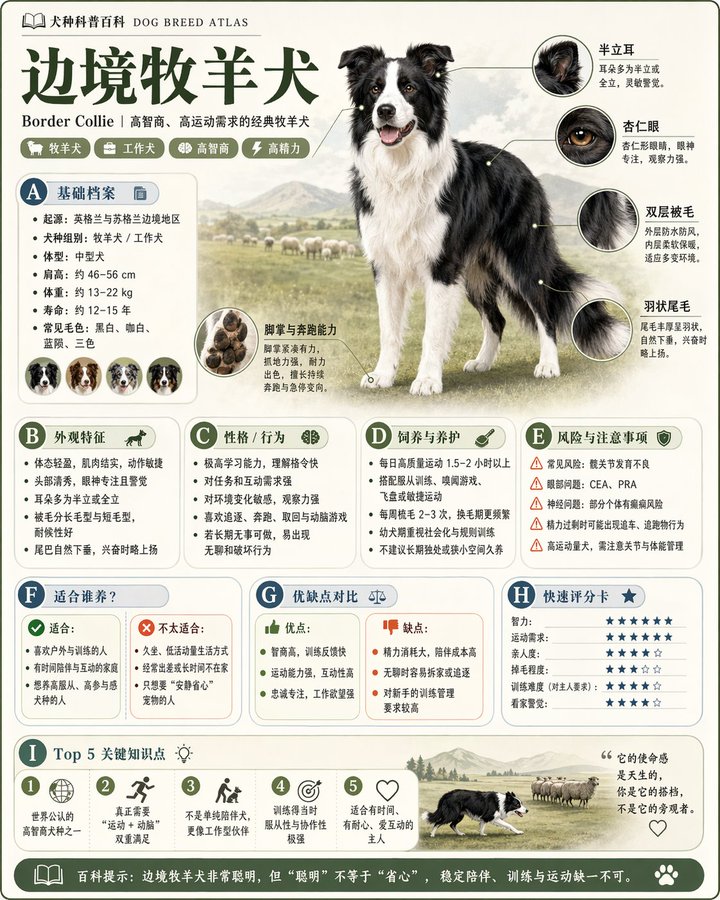
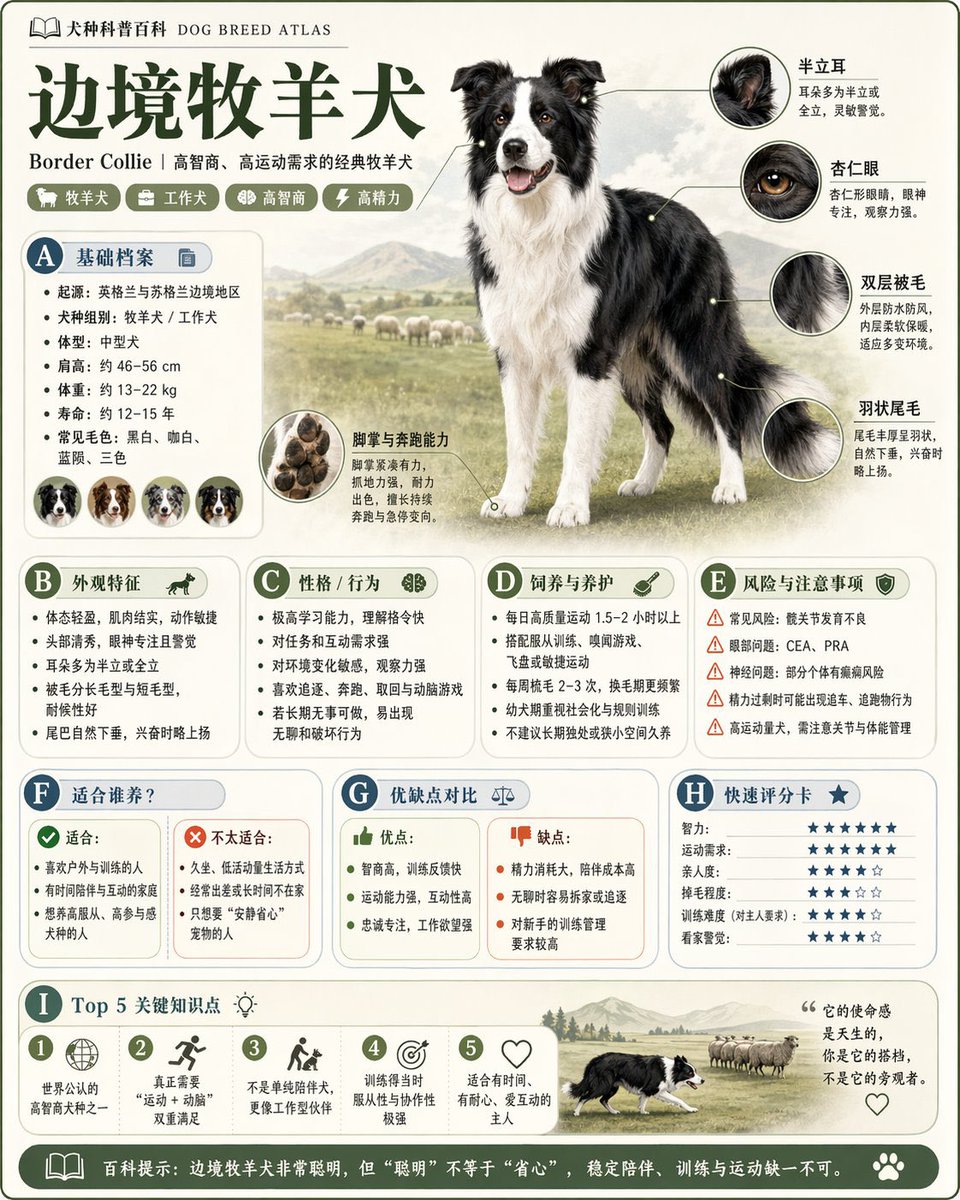
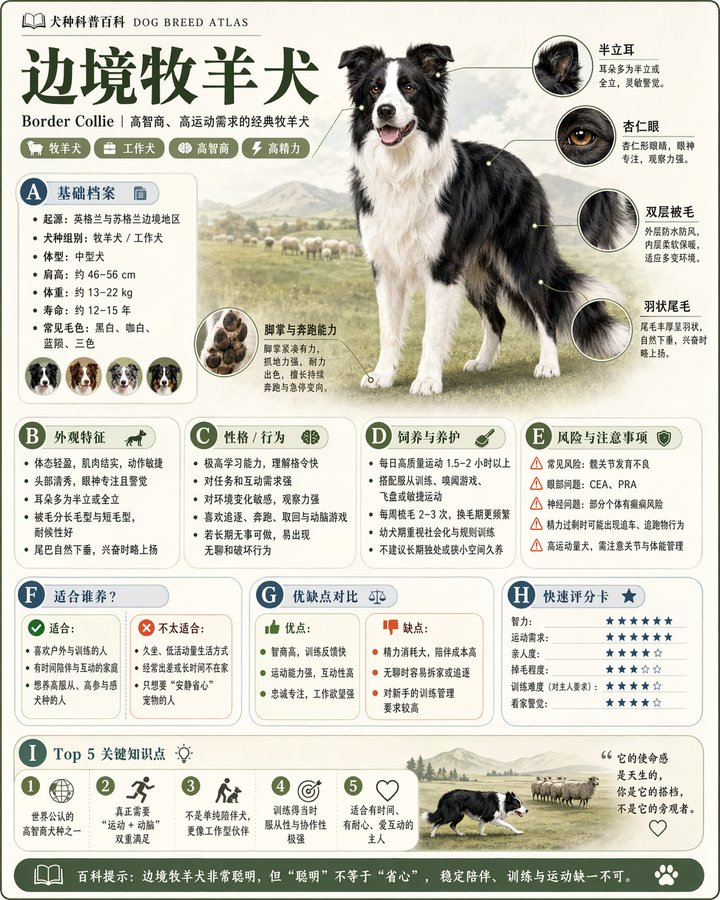
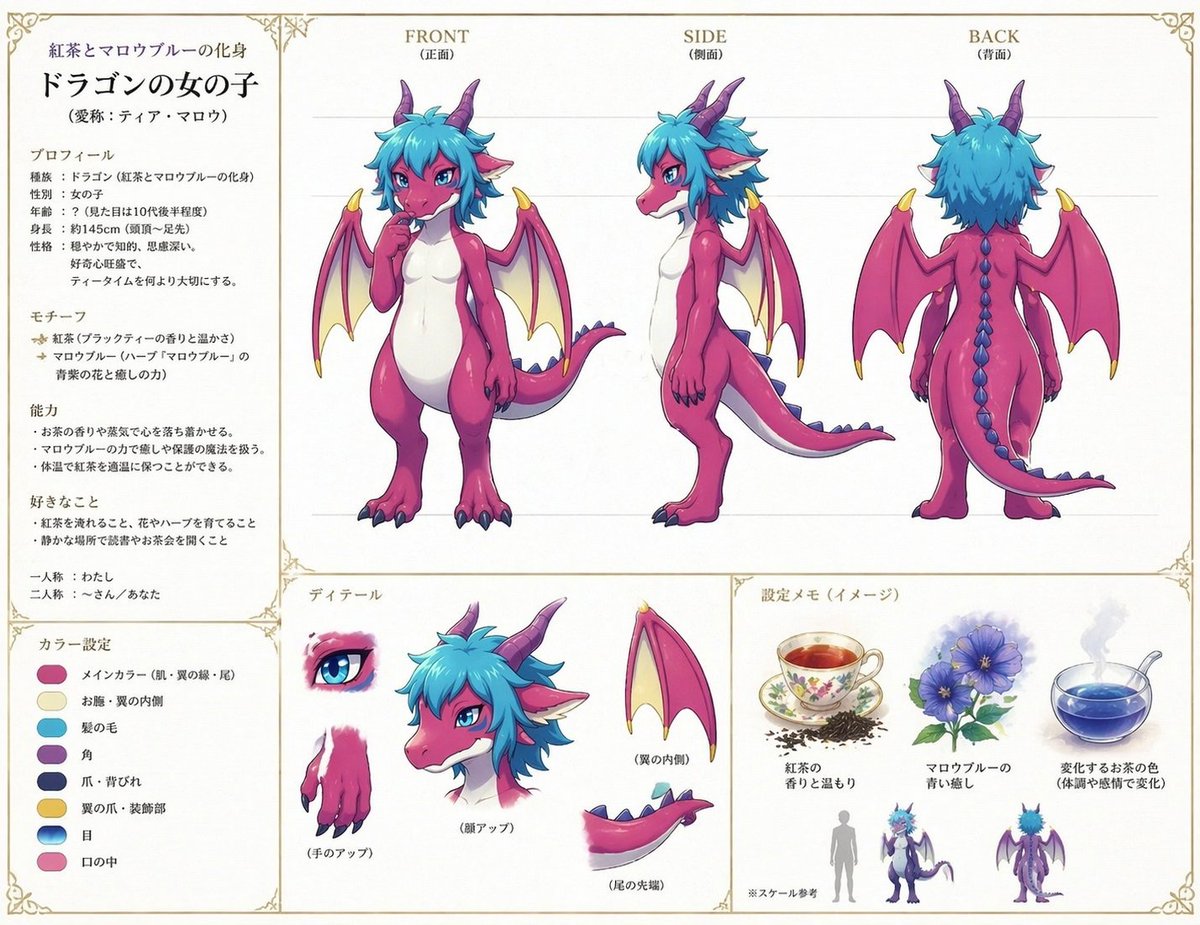
这个页面把案例媒体、完整 Prompt 和出处放在一起,方便你先看结果,再判断这条 Prompt 是否值得复制、收藏或加入对比。
案例解读
为了方便搜索、引用和后续复用,这里会把案例的适用场景、画面重点和 Prompt 结构拆成更容易浏览的说明。
这类案例适合用在什么场景
- 把它当作 模型对比与社区 的基准案例最合适,先看成片方向,再决定自己的 Prompt 要往哪边改。
- 如果你的目标也落在 人像、海报、插画 这些方向,这条案例特别适合先看图判断风格,再回头微调描述。
- 做 Prompt 对比时,也很适合作为控制组,只改一个变量去看结果变化。
画面重点与风格信号
- 这条案例最明显的风格信号集中在 人像、海报、插画,所以第一次改写时最好先保留这些关键词。
- 这类案例最有价值的地方通常是看差异:到底改了什么、哪里崩了、是哪段 Prompt 造成的变化。
- 当前只有一张主图,所以第一张结果图就是最核心的参考基准。
Prompt 结构可以怎么理解
- 这条 Prompt 整体属于一条比较长、约束条件很多的 Prompt,很适合拿来判断这类方向到底需要写到多细。
- 关键词簇主要围绕 人像、海报、插画 展开,所以复用时可以先保留这组风格词,再替换主体、镜头、环境或文案信息。
- 最稳的改写方式通常是先保留结果方向和最强风格信号,只替换主体设定与场景块。
如果你是带着问题来的,可以先看这些角度
- 如果保留 人像、海报、插画,只换主体题材,结果最先变化的会是哪一部分?
- 这条结果里,哪些特征更像是 模型对比与社区 的结构特征,哪些又是标签风格本身带来的?
- 同分类的相关案例里,哪几条能给你更克制或更极致的相邻变体?
完整 Prompt
{ "task": "Generate a high-quality vertical Popular Science Encyclopedia Image", "subject": "Sharks", "format": "Vertical modular popular science infographic", "style_references": [ "High-end natural history illustrations", "Modern encyclopedia pages", "Lifestyle knowledge cards", "Highly shareable social media infographics" ], "style_description": "Illustration book aesthetic combined with encyclopedia structure, information density, and collectability. NOT a commercial poster.", "required_visual_elements": { "main_visual": "A clear and beautiful central illustration of a shark (e.g., Great White Shark) in full profile view, rendered in detailed naturalist style", "magnified_details": [ "Close-up of shark teeth rows", "Dermal denticles (skin texture)", "Ampullae of Lorenzini (electroreceptor pores on snout)", "Caudal fin structure" ], "information_modules": "Multiple rounded modular info boxes with soft shadows and light backgrounds", "title_hierarchy": "Clear main title, subtitle, and section labels with consistent typographic scale", "icons": "Small exquisite icons accompanying each data point or module header" }, "content_modules": [ { "module": "Basic Profile", "fields": [ "Scientific name", "Common name", "Lifespan", "Average size", "Weight range", "Habitat depth range" ] }, { "module": "Classification Info", "fields": [ "Kingdom", "Class", "Order", "Family", "Number of known species (~500)" ] }, { "module": "Appearance Characteristics", "fields": [ "Body shape", "Skin texture (dermal denticles)", "Coloration", "Fin types and functions", "Eye structure" ] }, { "module": "Habits & Ecology", "fields": [ "Diet", "Hunting strategy", "Migration patterns", "Social behavior", "Reproduction method (oviparous / viviparous / ovoviviparous)" ] }, { "module": "Unique Biological Structures", "fields": [ "Lateral line system", "Electroreception (Ampullae of Lorenzini)", "Multiple rows of teeth (polyphyodont)", "Cartilaginous skeleton", "Countershading camouflage" ] }, { "module": "Ecosystem Role", "fields": [ "Apex predator status", "Role in marine food web", "Impact on prey population balance", "Indicator species for ocean health" ] }, { "module": "Risks & Conservation", "fields": [ "Threats: overfishing, finning, bycatch, habitat loss", "IUCN status of key species", "Legal protections", "Human encounter risk (context)" ] }, { "module": "Top 5 Most Notable Species", "entries": [ "Great White Shark – largest predatory fish", "Whale Shark – largest fish on Earth", "Hammerhead Shark – unique cephalofoil head", "Bull Shark – tolerates freshwater", "Shortfin Mako – fastest shark species" ] }, { "module": "Quick Rating Card", "ratings": [ { "trait": "Speed", "score": "4.5/5" }, { "trait": "Danger to humans", "score": "3/5" }, { "trait": "Intelligence", "score": "3.5/5" }, { "trait": "Conservation urgency", "score": "4.5/5" }, { "trait": "Ecological importance", "score": "5/5" } ] }, { "module": "Fast Facts / Key Point Summary", "facts": [ "Sharks have existed for over 450 million years — predating the dinosaurs", "They have no bones — their skeleton is entirely cartilage", "Some species must swim continuously to breathe (obligate ram ventilators)", "A shark may grow and shed tens of thousands of teeth in its lifetime", "Fewer than 10 unprovoked fatal attacks occur globally per year" ] } ], "visual_design_requirements": { "background": "Light-colored, clean — off-white, pale blue-gray, or warm cream", "color_palette": "Soft and natural: ocean blues, sandy beiges, coral accents, dark navy for text", "shadows": "Subtle light drop shadows on module cards", "corners": "Rounded rectangles for all information boxes", "layout": "High information density but not crowded; generous internal padding; neat grid structure", "typography": "Clear hierarchy: large title > section headers > body text > labels/captions", "orientation": "Vertical / portrait format", "icons": "Small, exquisite line or flat icons per module", "overall_feel": "Looks like a real printed science encyclopedia card — suitable for publishing, reading, collecting, and serialized production" }, "explicitly_not": [ "Not a commercial advertisement", "Not a promotional poster", "Not a simple single illustration", "No sales messaging or branding language" ], "emphasis": "Knowledge organization + modular information layout + naturalist illustration-style display" }