案例媒体
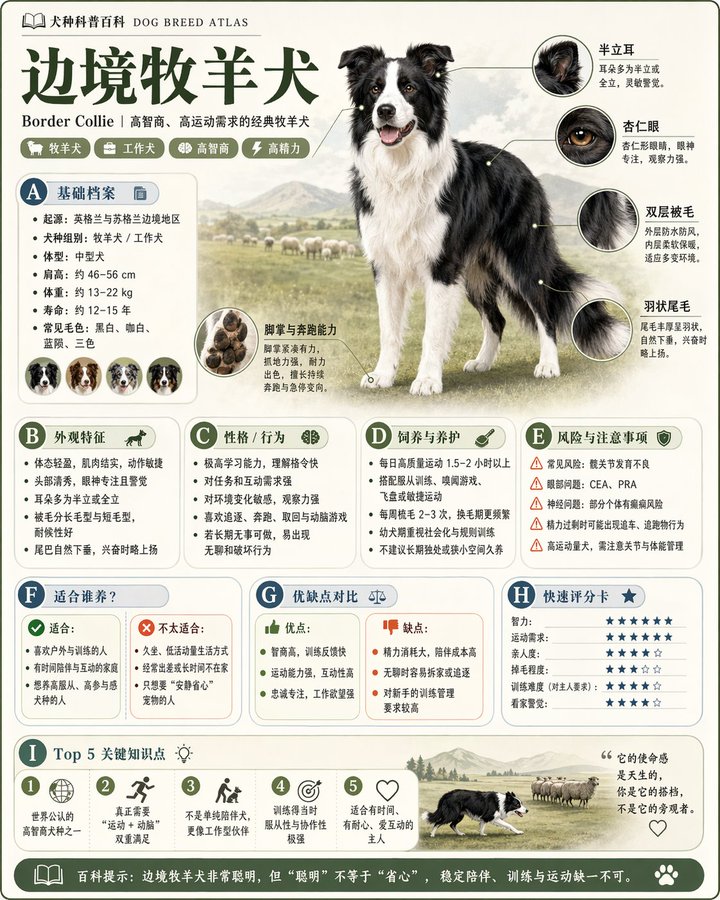
案例说明
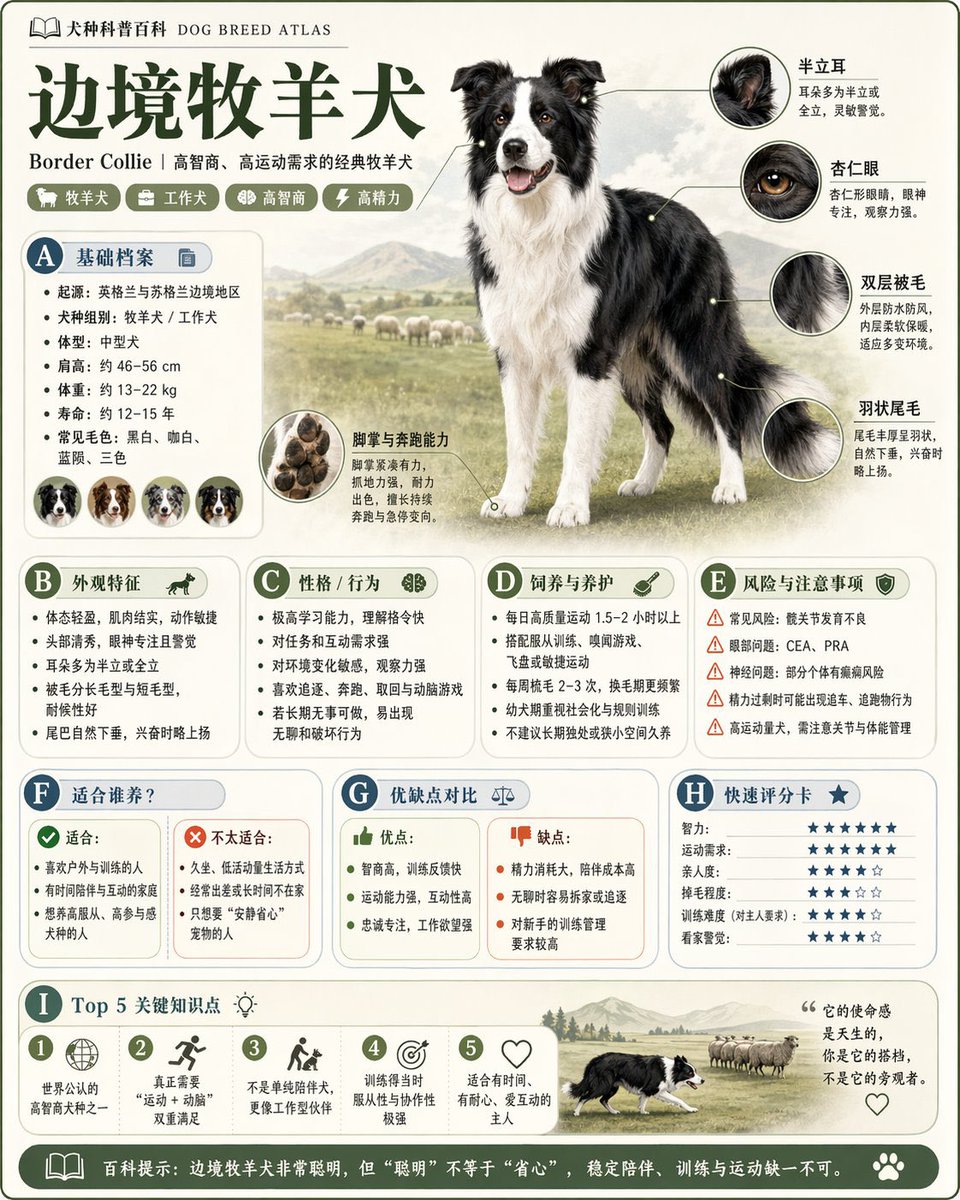
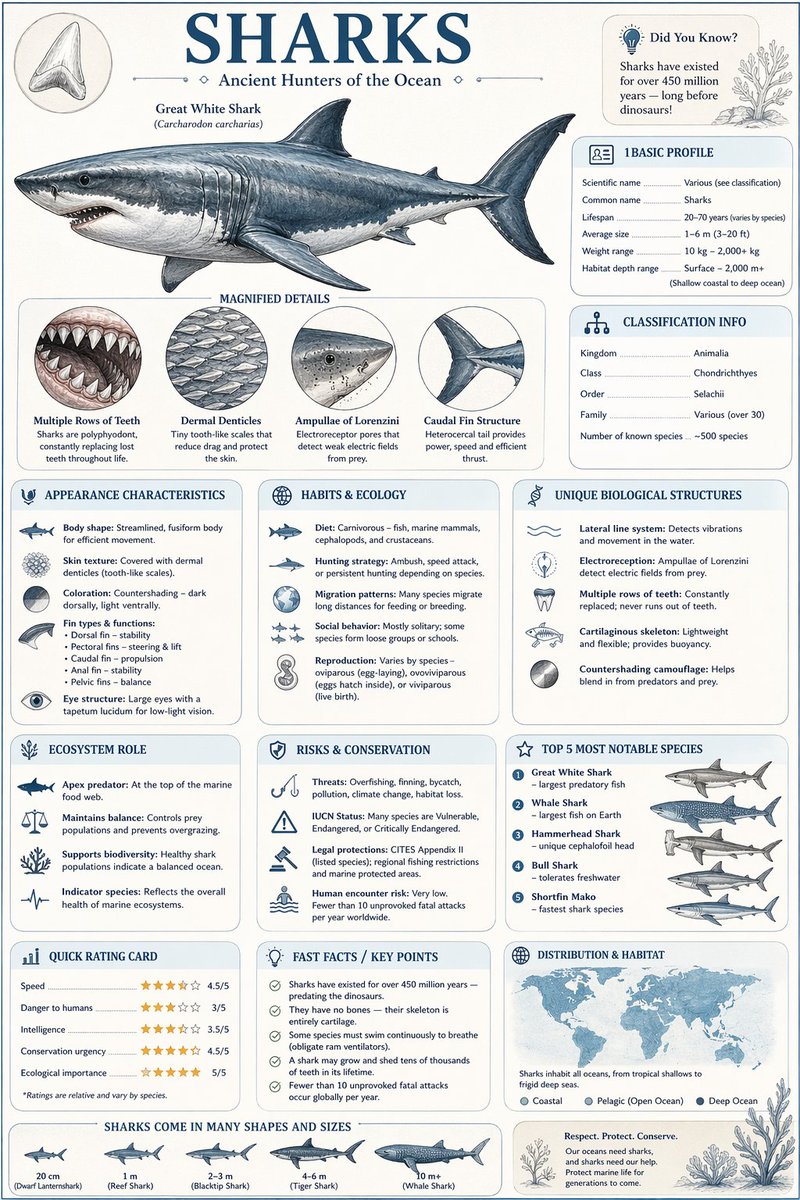
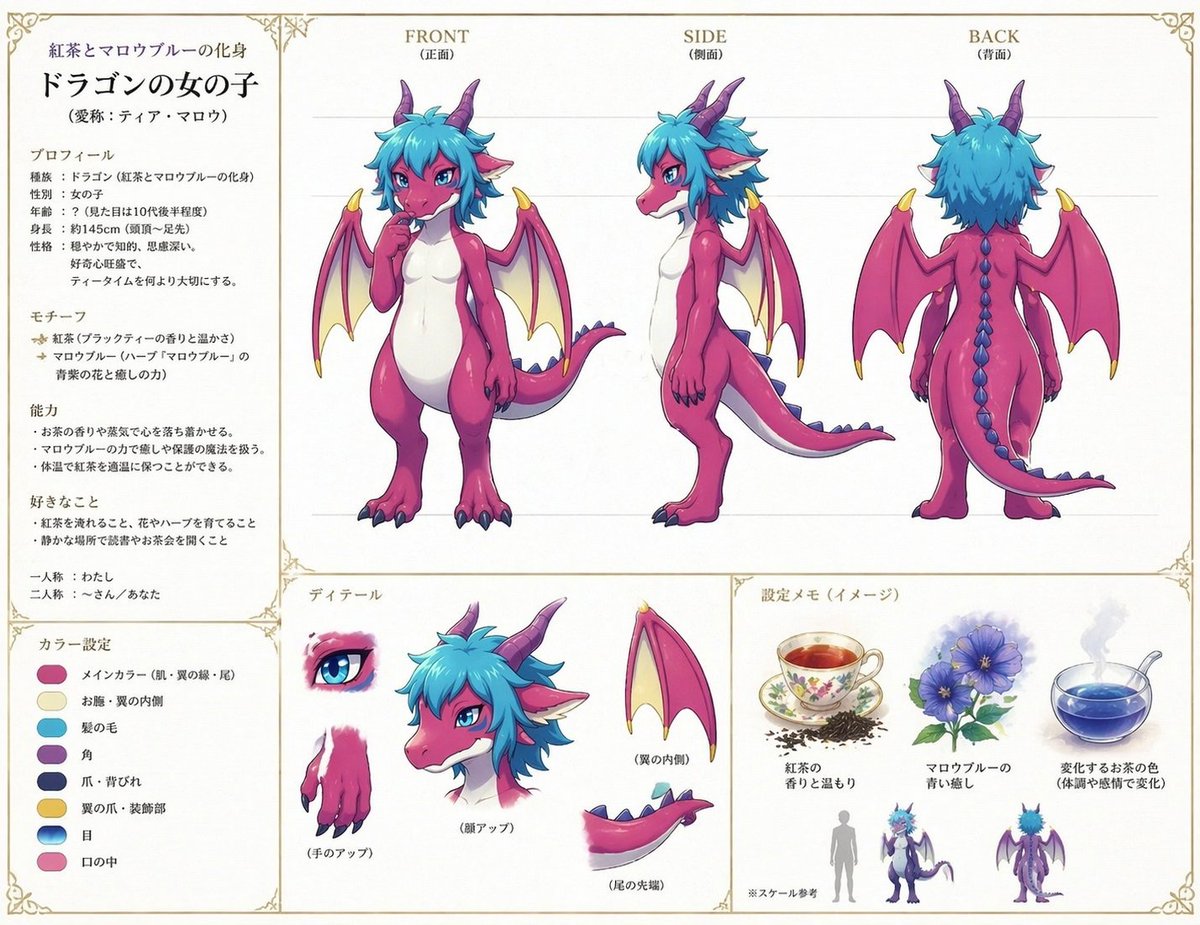
这个页面把案例媒体、完整 Prompt 和出处放在一起,方便你先看结果,再判断这条 Prompt 是否值得复制、收藏或加入对比。
案例解读
为了方便搜索、引用和后续复用,这里会把案例的适用场景、画面重点和 Prompt 结构拆成更容易浏览的说明。
这类案例适合用在什么场景
- 把它当作 模型对比与社区 的基准案例最合适,先看成片方向,再决定自己的 Prompt 要往哪边改。
- 如果你的目标也落在 海报、插画、角色 这些方向,这条案例特别适合先看图判断风格,再回头微调描述。
- 做 Prompt 对比时,也很适合作为控制组,只改一个变量去看结果变化。
画面重点与风格信号
- 这条案例最明显的风格信号集中在 海报、插画、角色,所以第一次改写时最好先保留这些关键词。
- 这类案例最有价值的地方通常是看差异:到底改了什么、哪里崩了、是哪段 Prompt 造成的变化。
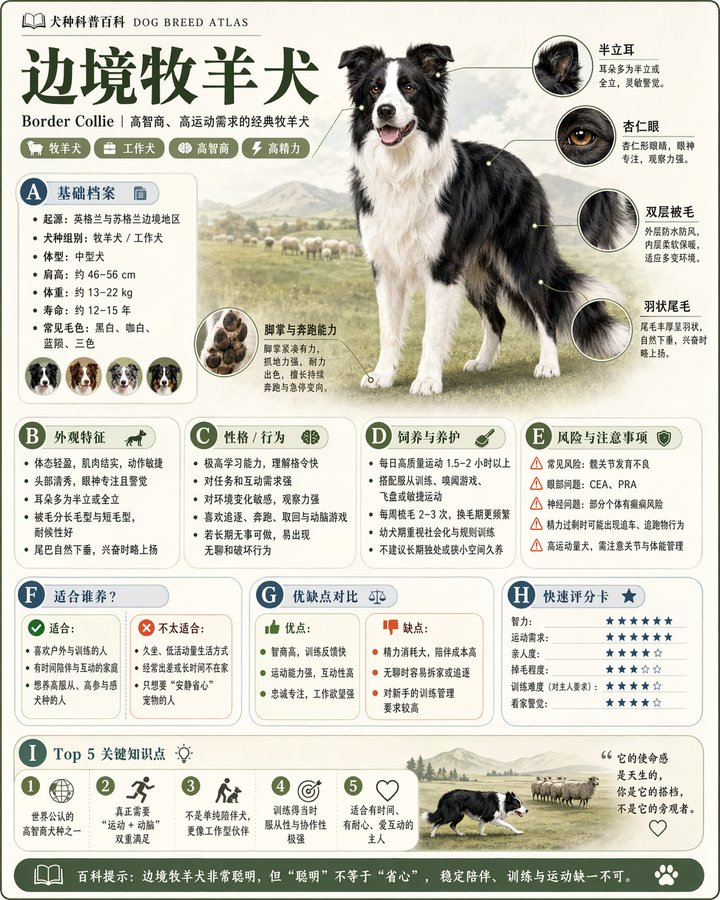
- 当前只有一张主图,所以第一张结果图就是最核心的参考基准。
Prompt 结构可以怎么理解
- 这条 Prompt 整体属于一条比较长、约束条件很多的 Prompt,很适合拿来判断这类方向到底需要写到多细。
- 关键词簇主要围绕 海报、插画、角色 展开,所以复用时可以先保留这组风格词,再替换主体、镜头、环境或文案信息。
- 最稳的改写方式通常是先保留结果方向和最强风格信号,只替换主体设定与场景块。
如果你是带着问题来的,可以先看这些角度
- 如果保留 海报、插画、角色,只换主体题材,结果最先变化的会是哪一部分?
- 这条结果里,哪些特征更像是 模型对比与社区 的结构特征,哪些又是标签风格本身带来的?
- 同分类的相关案例里,哪几条能给你更克制或更极致的相邻变体?
完整 Prompt
Please generate a high-quality vertical "Popular Science Encyclopedia Infographic" based on the [Topic]. This image is not an ordinary poster, nor a simple illustration, but a modular popular science infographic with a sense of "illustrated guide, encyclopedia, information structure, and collectibility". The overall style references a combination of high-end natural history illustrated guides, modern encyclopedia pages, lifestyle knowledge cards, and highly shared social media infographics. Please make the image contain: - A clear and beautiful theme main visual - Several enlarged details of local features - Multiple rounded modular information sections - Clear title hierarchy and key tags - Concise but rich encyclopedia content - Visualized scoring, key point summaries, or Top 5 modules Content columns should automatically adapt to the topic, prioritizing selection and reasonable combination from these directions: Basic profile, classification information, appearance features, habits/ecology, formation mechanism/structural composition, growth or usage conditions, care or maintenance suggestions, risks and precautions, suitable groups or applicable scenarios, pros and cons comparison, quick scorecard. Visual requirements: Light-colored clean background, soft color palette, light shadows, exquisite small icons, rounded information boxes, neat typography, high information density but not crowded, good reading experience. The overall look must be like a real popular science encyclopedia card that can be published, read, collected, and serialized, rather than an advertisement. Please do not make it into an ordinary commercial promotional poster. It must highlight the characteristics of "knowledge organization + modular information + illustrated guide style display".