案例媒体
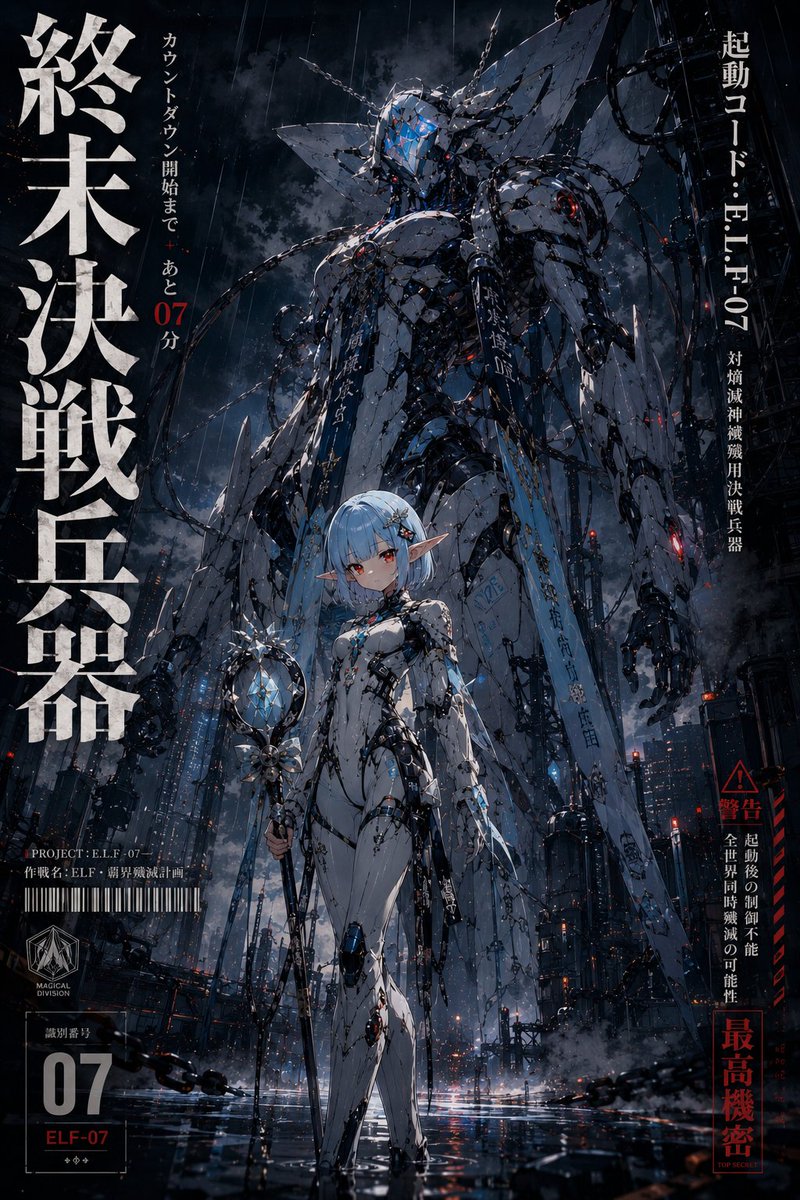
案例说明
这个页面把案例媒体、完整 Prompt 和出处放在一起,方便你先看结果,再判断这条 Prompt 是否值得复制、收藏或加入对比。
案例解读
为了方便搜索、引用和后续复用,这里会把案例的适用场景、画面重点和 Prompt 结构拆成更容易浏览的说明。
这类案例适合用在什么场景
- 把它当作 角色设计 的基准案例最合适,先看成片方向,再决定自己的 Prompt 要往哪边改。
- 如果你的目标也落在 电影感、时尚、海报 这些方向,这条案例特别适合先看图判断风格,再回头微调描述。
- 做 Prompt 对比时,也很适合作为控制组,只改一个变量去看结果变化。
画面重点与风格信号
- 这条案例最明显的风格信号集中在 电影感、时尚、海报,所以第一次改写时最好先保留这些关键词。
- 重点可以先看轮廓、服饰语言、情绪气质,以及角色是否一眼就能立住。
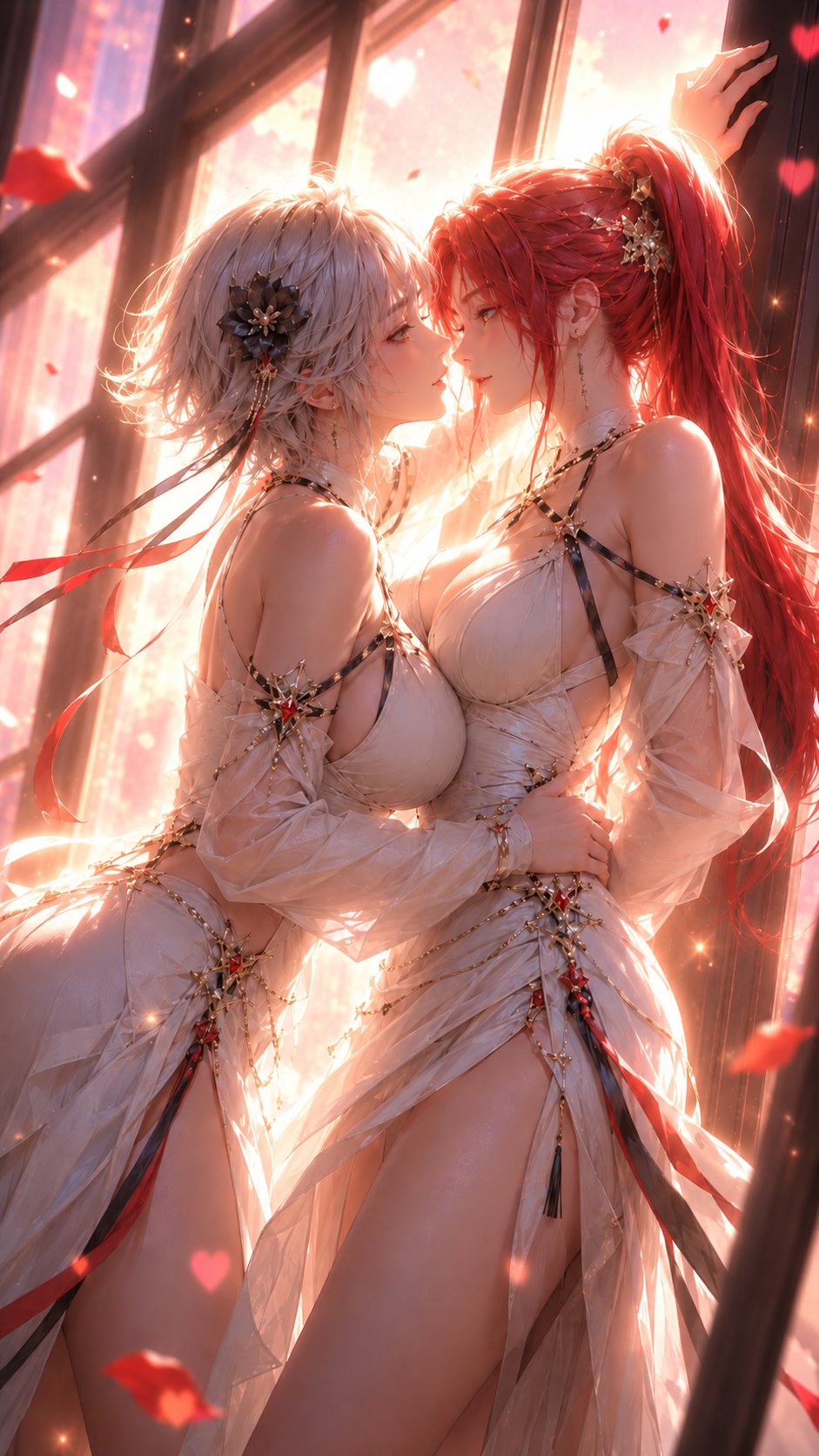
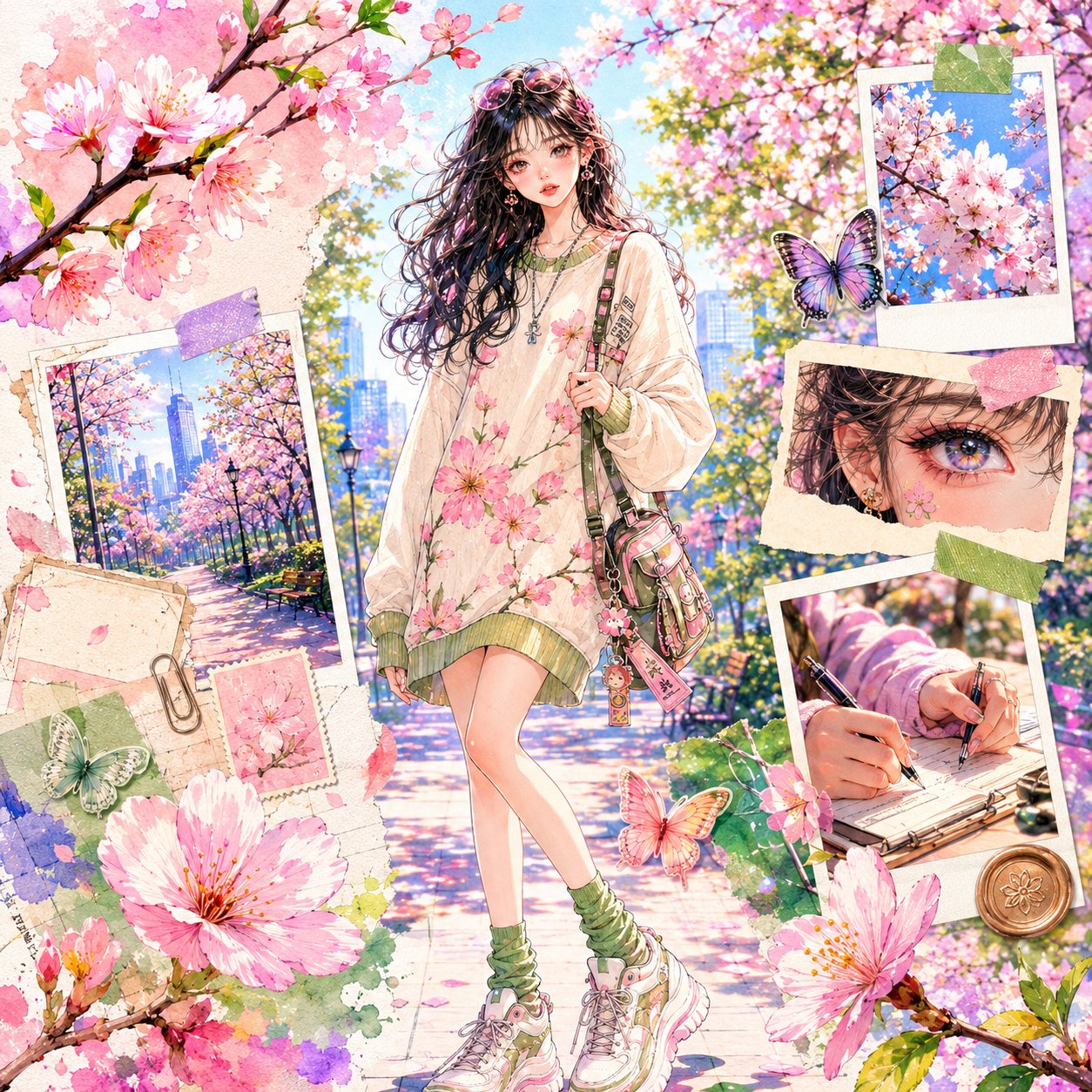
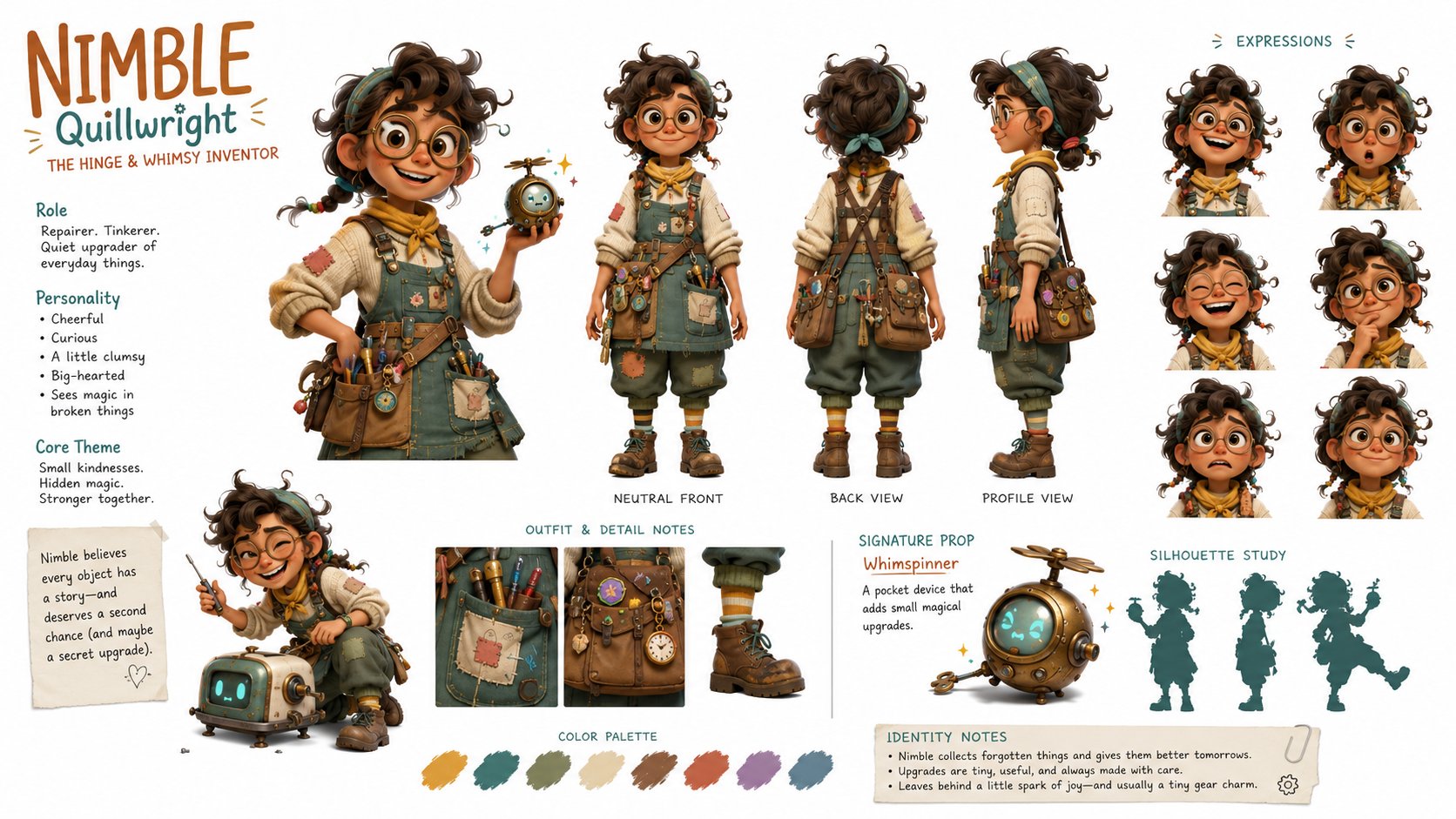
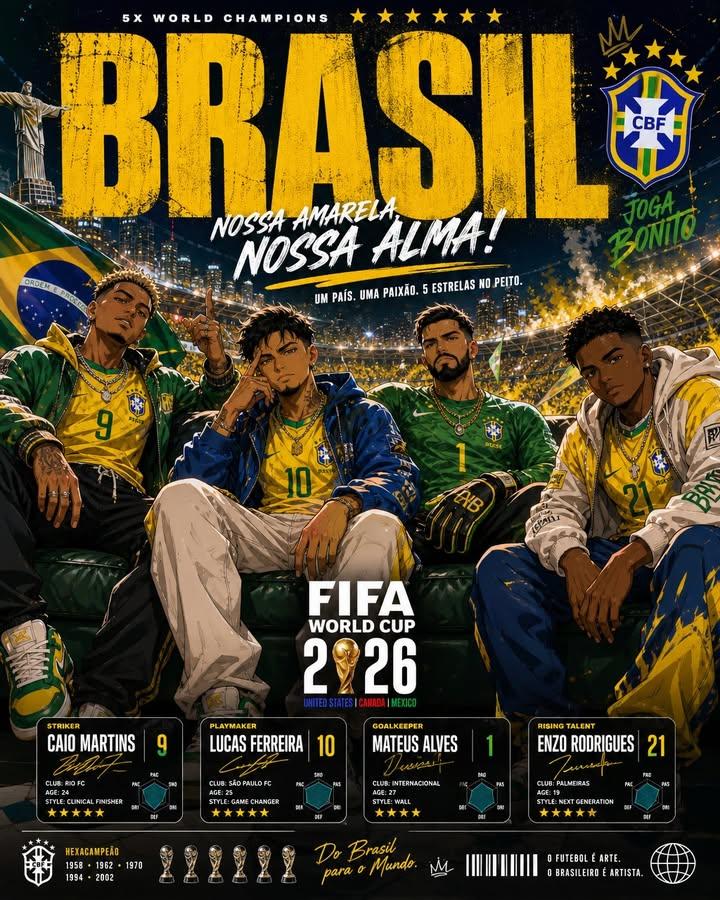
- 当前只有一张主图,所以第一张结果图就是最核心的参考基准。
Prompt 结构可以怎么理解
- 这条 Prompt 整体属于一条比较长、约束条件很多的 Prompt,很适合拿来判断这类方向到底需要写到多细。
- 关键词簇主要围绕 电影感、时尚、海报 展开,所以复用时可以先保留这组风格词,再替换主体、镜头、环境或文案信息。
- 最稳的改写方式通常是先保留结果方向和最强风格信号,只替换主体设定与场景块。
如果你是带着问题来的,可以先看这些角度
- 如果保留 电影感、时尚、海报,只换主体题材,结果最先变化的会是哪一部分?
- 这条结果里,哪些特征更像是 角色设计 的结构特征,哪些又是标签风格本身带来的?
- 同分类的相关案例里,哪几条能给你更克制或更极致的相邻变体?
完整 Prompt
Based on the character in the reference image, create an illustration resembling a 'theatrical key visual for a non-existent legendary robot anime series'. Give it the atmosphere of 90s-2000s Japanese anime, featuring themes of apocalyptic war, massive decisive weapons, biological weapons, sealed weapons, and theatrical anime posters. Emphasize the overwhelming scale difference between the giant weapon and the character, extra-thick Mincho typeface typography, a sense of doom, industrial backgrounds, and the 'moment before the final battle' vibe. Use the reference image as the base for character design. Maintain the character's face, hairstyle, hair color, eyes, facial features, silhouette, proportions, outfit design, and overall impression with high precision. Do not compromise the character's identity or redraw them as a different character. The character wears a form-fitting futuristic pilot suit for decisive battle weapons. The pilot suit should be reconstructed based on the character design from the reference image. Naturally reflect hair color, eye color, accessories, outfit motifs, and silhouette elements into the suit's design. Do not make it a generic sci-fi suit; ensure it feels like 'equipment specifically for this character'. The character should not be in a static front-facing pose but in a natural, emotional pose suitable for a theatrical key visual. Use varying body orientations, centers of gravity, gazes, and arm placements. Allow for pose variations that are 'static yet visually powerful,' such as: - A quiet posture reflecting pre-battle tension - Looking back at the viewer - Looking up at a distant giant weapon from a side profile - Folding one arm - Lightly folding both arms - Placing one hand on the neck or shoulder - Placing one hand on the hip - A weary, languid stance - A natural stance with weight shifted to one leg Poses should evoke the atmosphere of fashion shoots, 90s anime posters, movie posters, and stances that reveal character personality. Avoid 'standing still reference sheet' styles. Incorporate natural asymmetry in body angles, shoulder lines, pelvic tilts, and gaze directions. Do not center the character perfectly symmetrically. The character's stance should have natural physical acting focused on the silhouette, like a fashion magazine cover. Use momentary poses that look like a snapshot of motion rather than static poses. Do not fix the gaze solely on the camera; the character may look toward the distance, the ground, the giant weapon, warning displays, or the sky. The background features a massive humanoid decisive weapon designed specifically for the character. IMPORTANT: Do not directly copy robots from existing works. However, you may incorporate the atmosphere of biological weapons, restrained weapons, and doomsday weapons from 90s-2000s Japanese anime. Construct the mecha design by translating character elements from the reference image. For example: - Reflecting hair flow into the head silhouette - Eye color into light sensors - Outfit design into armor lines - Accessories into restraints or mechanical designs - Character personality into the mecha silhouette The mecha should have a slender, humanoid biological weapon silhouette with long limbs and human proportions, fusing biological and industrial elements. Avoid overly bulky armor; emphasize a sleek and eerie silhouette. Include restraints, cables, sealing structures, exposed internal mechanisms, warning lights, biological armor, and battle damage. It should have a massive, god-like presence and the unsettling vibe of a sealed weapon—a 'final weapon exclusive to this character'. Do not directly imitate specific face structures or head designs unique to existing robot anime. The composition should mirror a theatrical anime key visual. Foreground: character. Background: giant decisive weapon. Create a strong sense of scale. Use a low-angle composition. Apocalyptic atmosphere. Industrial city background. Giant facilities. Rain, smoke, sparks, reflections on wet ground, warning lights. The vibe of 'just before the final battle'. Boldly place Japanese typography in extra-thick Mincho font on the screen, including vertical titles, warning text, identification numbers, and operation codes. Integrate text naturally into the graphic design rather than as random subtitles. High-quality anime illustration, cinematic direction, high-density detail, sharp silhouettes, and overwhelming scale. Aim for a level of quality that would go viral on social media as a 'legendary non-existent robot anime'.