案例媒体
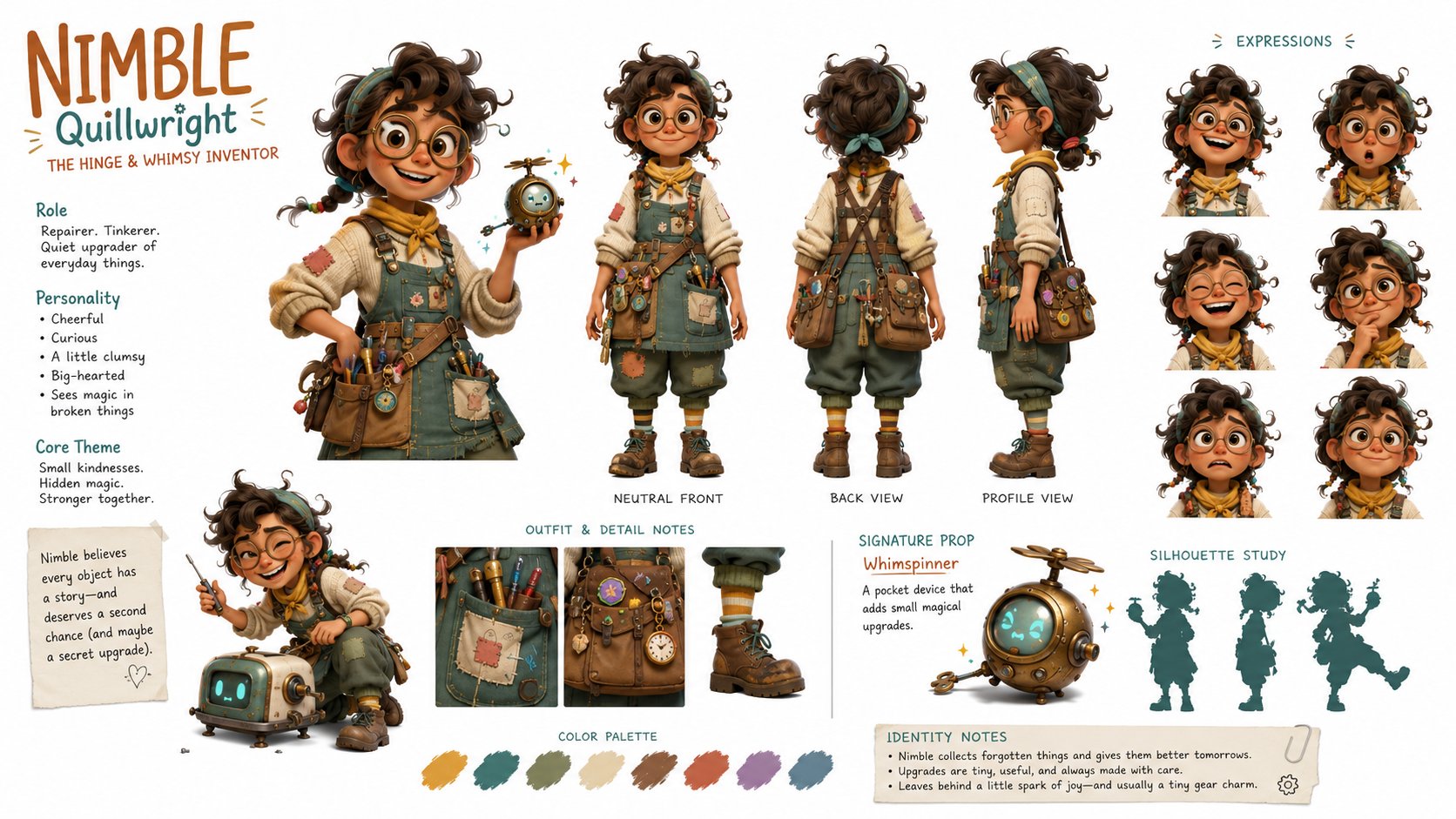
案例说明
这个页面把案例媒体、完整 Prompt 和出处放在一起,方便你先看结果,再判断这条 Prompt 是否值得复制、收藏或加入对比。
案例解读
为了方便搜索、引用和后续复用,这里会把案例的适用场景、画面重点和 Prompt 结构拆成更容易浏览的说明。
这类案例适合用在什么场景
- 把它当作 角色设计 的基准案例最合适,先看成片方向,再决定自己的 Prompt 要往哪边改。
- 如果你的目标也落在 电影感、时尚、海报 这些方向,这条案例特别适合先看图判断风格,再回头微调描述。
- 做 Prompt 对比时,也很适合作为控制组,只改一个变量去看结果变化。
画面重点与风格信号
- 这条案例最明显的风格信号集中在 电影感、时尚、海报,所以第一次改写时最好先保留这些关键词。
- 重点可以先看轮廓、服饰语言、情绪气质,以及角色是否一眼就能立住。
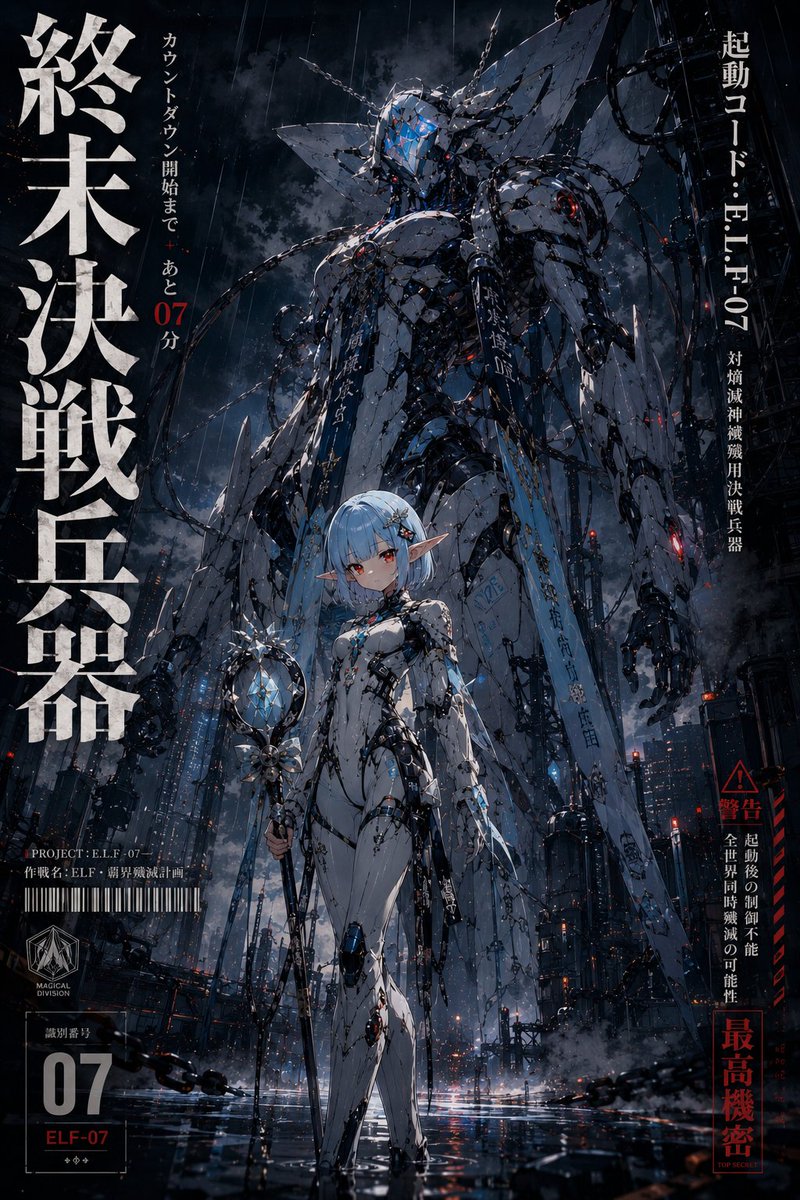
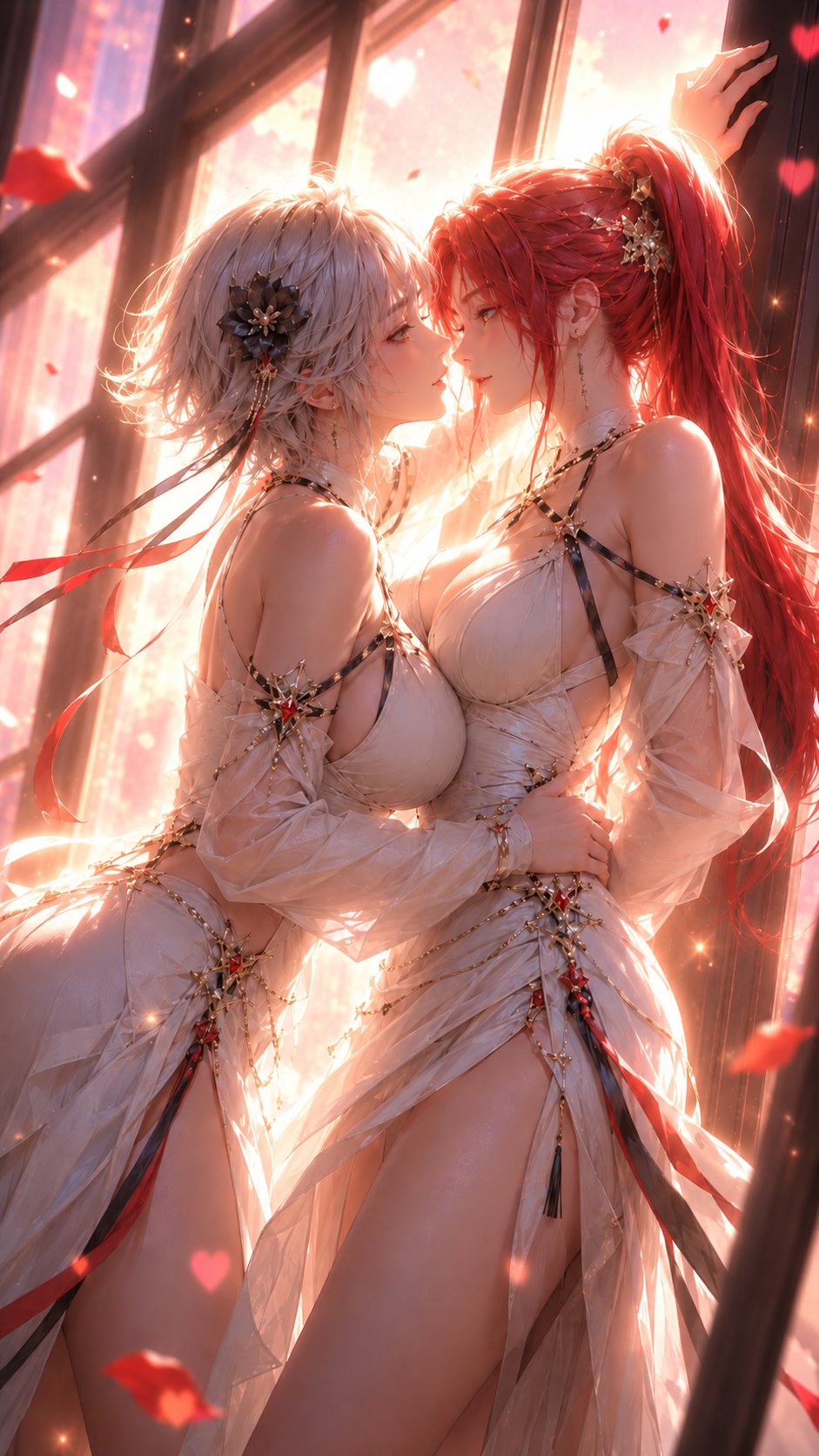
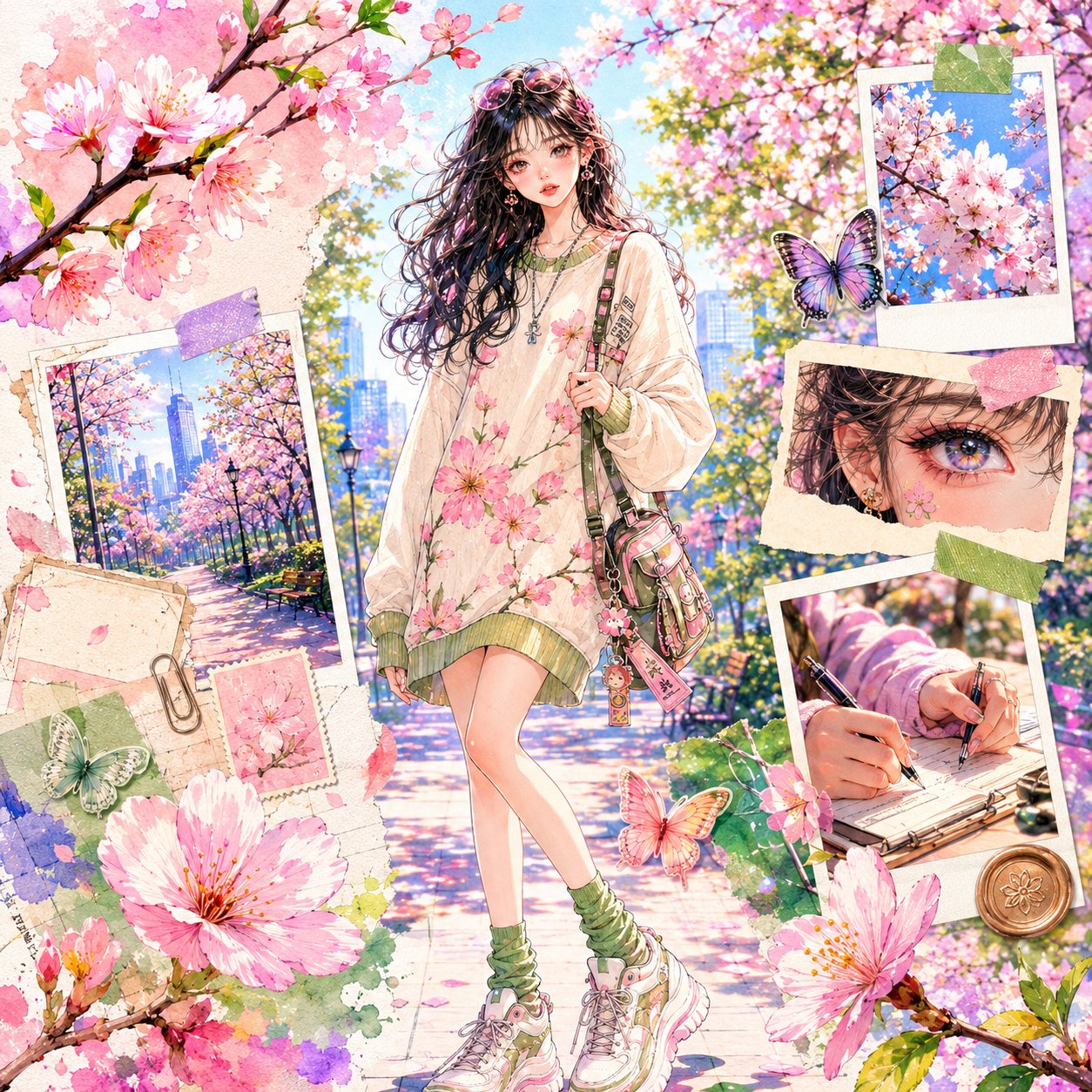
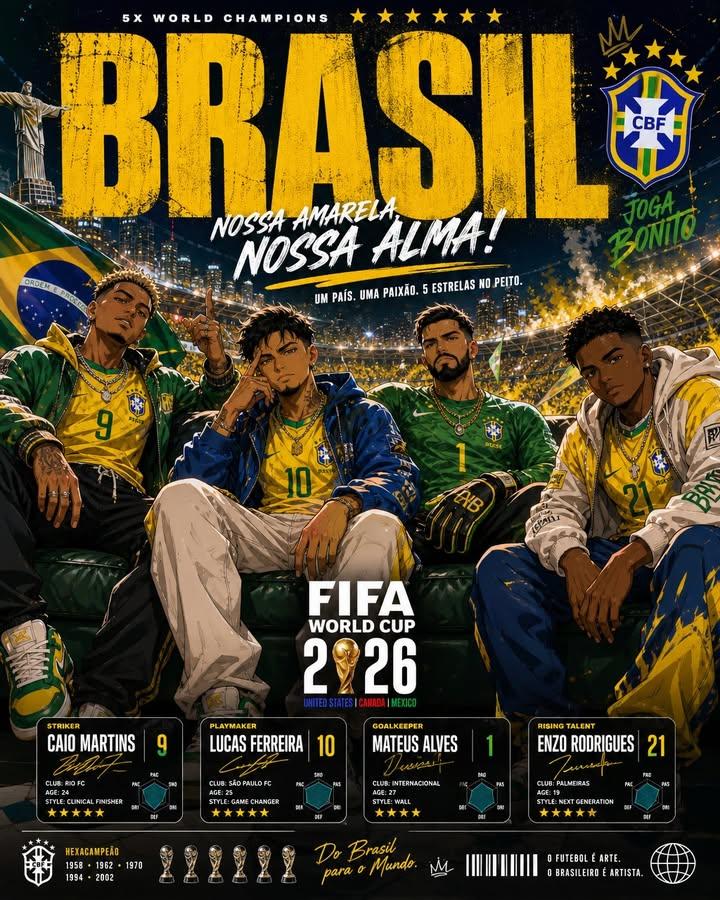
- 当前保留了 2 份媒体输出,适合顺手观察同一方向在多张结果里的稳定性。
Prompt 结构可以怎么理解
- 这条 Prompt 整体属于一条比较长、约束条件很多的 Prompt,很适合拿来判断这类方向到底需要写到多细。
- 关键词簇主要围绕 电影感、时尚、海报 展开,所以复用时可以先保留这组风格词,再替换主体、镜头、环境或文案信息。
- 最稳的改写方式通常是先保留结果方向和最强风格信号,只替换主体设定与场景块。
如果你是带着问题来的,可以先看这些角度
- 如果保留 电影感、时尚、海报,只换主体题材,结果最先变化的会是哪一部分?
- 这条结果里,哪些特征更像是 角色设计 的结构特征,哪些又是标签风格本身带来的?
- 同分类的相关案例里,哪几条能给你更克制或更极致的相邻变体?
完整 Prompt
Create a fully original, copyright-safe character and present them as an artistic CHARACTER IDENTITY BOARD. [CHARACTER SEED]: Enter the core idea here. [AGE / BODY TYPE]: Enter age impression, body type, posture, physical presence or creature anatomy here. [VISUAL MEDIUM]: Enter the exact rendering medium here. Examples: realistic cinematic character design, fashion editorial photography look, semi-realistic painterly realism, modern 3D animation character design, 2D anime character design, graphic novel illustration, watercolor storybook illustration, flat vector poster illustration, oil-painting-inspired character art, ink and wash illustration, semi-realistic creature concept art. [STYLE]: Enter the aesthetic direction here. Examples: urban street fashion, luxury sports editorial, dark cinematic noir, soft melancholic artbook mood, post-apocalyptic survival wear, retro-future fashion, minimalist high-fashion, cozy slice-of-life, gritty underground music-video energy, elegant fantasy costume design, poetic coastal fantasy, bioluminescent natural history mood. [OTHER DETAILS - OPTIONAL]: Enter any extra details, constraints, mood, outfit hints, props, colors, themes, personality hints or presentation preferences here. Invent everything else: character name, alias or title, role, personality traits, emotional tone, visual theme, outfit design or body design, color palette, signature prop or signature biological feature, recognizable silhouette, pose language, small identity notes. Originality rules: The character must not resemble any existing anime, manga, game, movie, comic, celebrity, athlete, mascot, franchise character or known copyrighted creature. Do not copy recognizable IP elements, costumes, hairstyles, uniforms, weapons, logos, symbols, color combinations, silhouettes, powers or signature visual traits. Avoid fan-art aesthetics. Create a fresh visual identity from scratch. Character authenticity rules: Create the character with a strong sense of individuality and non-generic design. Avoid overly polished, overly idealized or repetitive visual features that make the character feel like a default AI-generated face, stock design, cloned archetype or generic creature. If the character is human or humanoid: Use distinctive facial structure, subtle asymmetry, natural variation, small imperfections and believable proportions. The character should feel specific, grounded and recognizably individual. If the character is attractive, keep the appeal natural, tasteful and appropriate to the chosen visual medium. If the character is stylized: Preserve uniqueness through original shape language, expressive proportions, distinctive features, posture and clear personality cues. Avoid default genre clichés and repeated beauty standards. If the character is non-human: Preserve uniqueness through original anatomy, believable biological structure, distinctive proportions, functional features, surface texture and clear personality cues. Do not make it feel like a generic mascot, pet monster or stock fantasy creature. Medium and style control: [VISUAL MEDIUM] controls the rendering language. [STYLE] controls the aesthetic direction. The character identity board format is only the presentation format. The presentation must adapt to [VISUAL MEDIUM] and [STYLE], not override them. Use visual traits that belong naturally to the selected medium. Create an artistic 16:9 CHARACTER IDENTITY BOARD. The board should feel like a curated visual identity presentation, not a generic turnaround sheet. Board content: large full-body main character view, neutral full-body view, back view, profile view, secondary attitude pose, 4 to 6 face or expression studies, outfit detail close-ups or anatomy detail close-ups, key prop close-up or signature feature close-up, small silhouette or shape study, color palette strip, short readable identity notes. Layout: asymmetrical, elegant, visually memorable, large empty space, clean separation between all views, no overlapping bodies, no cropped faces, no hidden limbs, no clutter. Text on the board may include: character name, alias, role, personality traits, core theme, signature prop or feature, color notes. Background: pure white or soft off-white, minimal clean graphic design, no environment, no logo, no watermark. Prioritize: accurate visual medium, strong unique identity, readable outfit design or anatomy design, clear personality, original character design, natural or stylized individuality as appropriate, believable uniqueness, non-repetitive character design, artistic identity-board presentation.