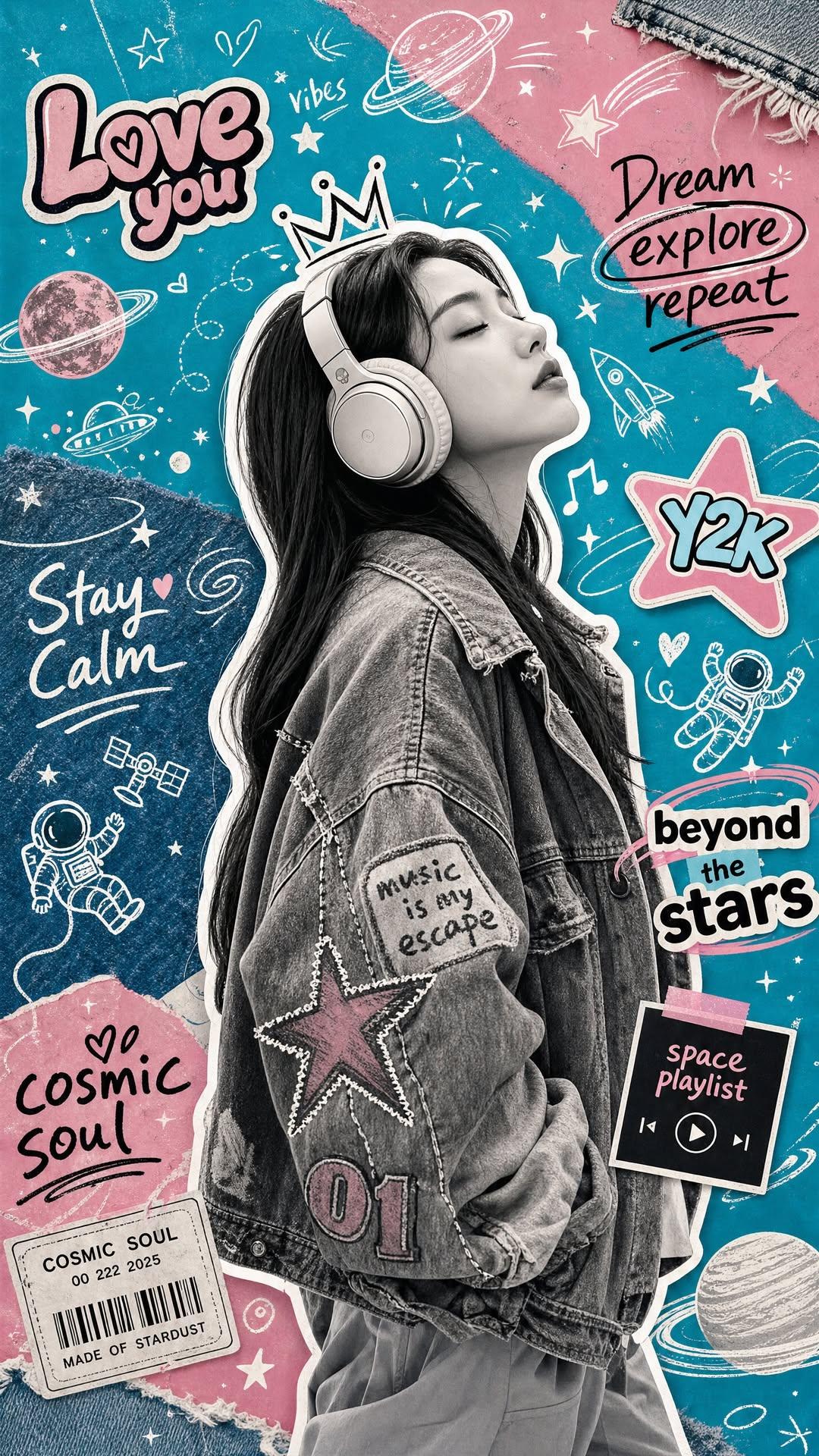
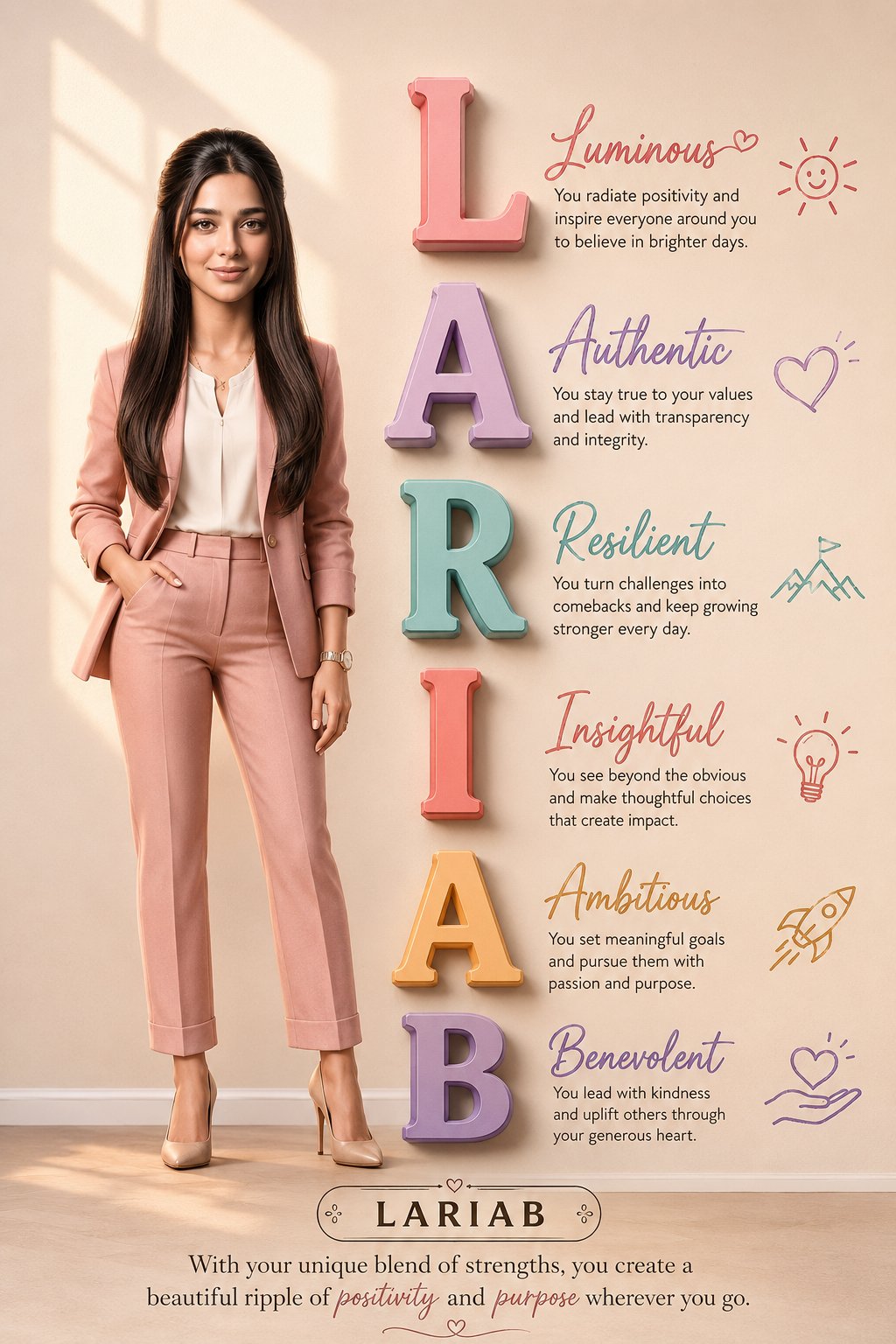
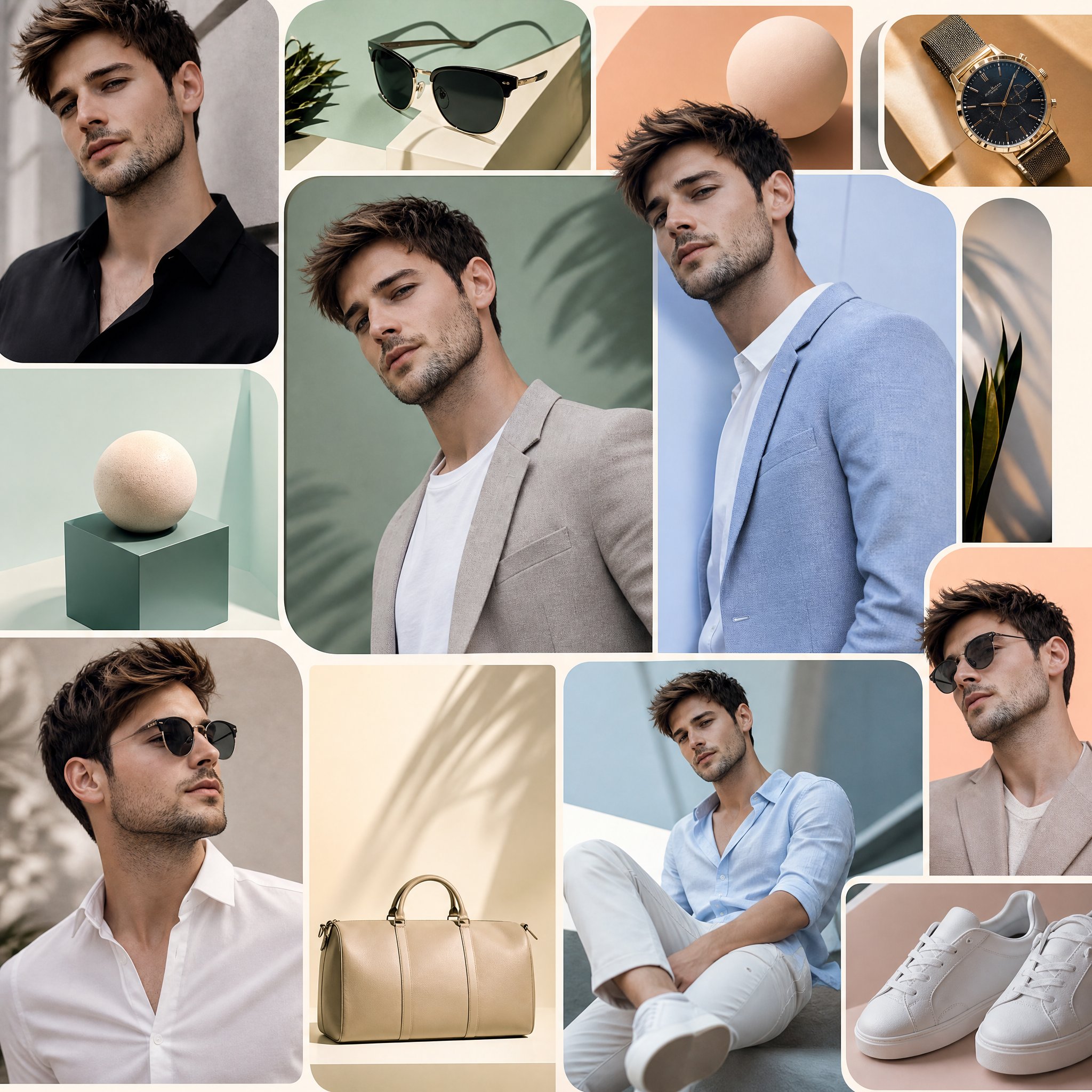
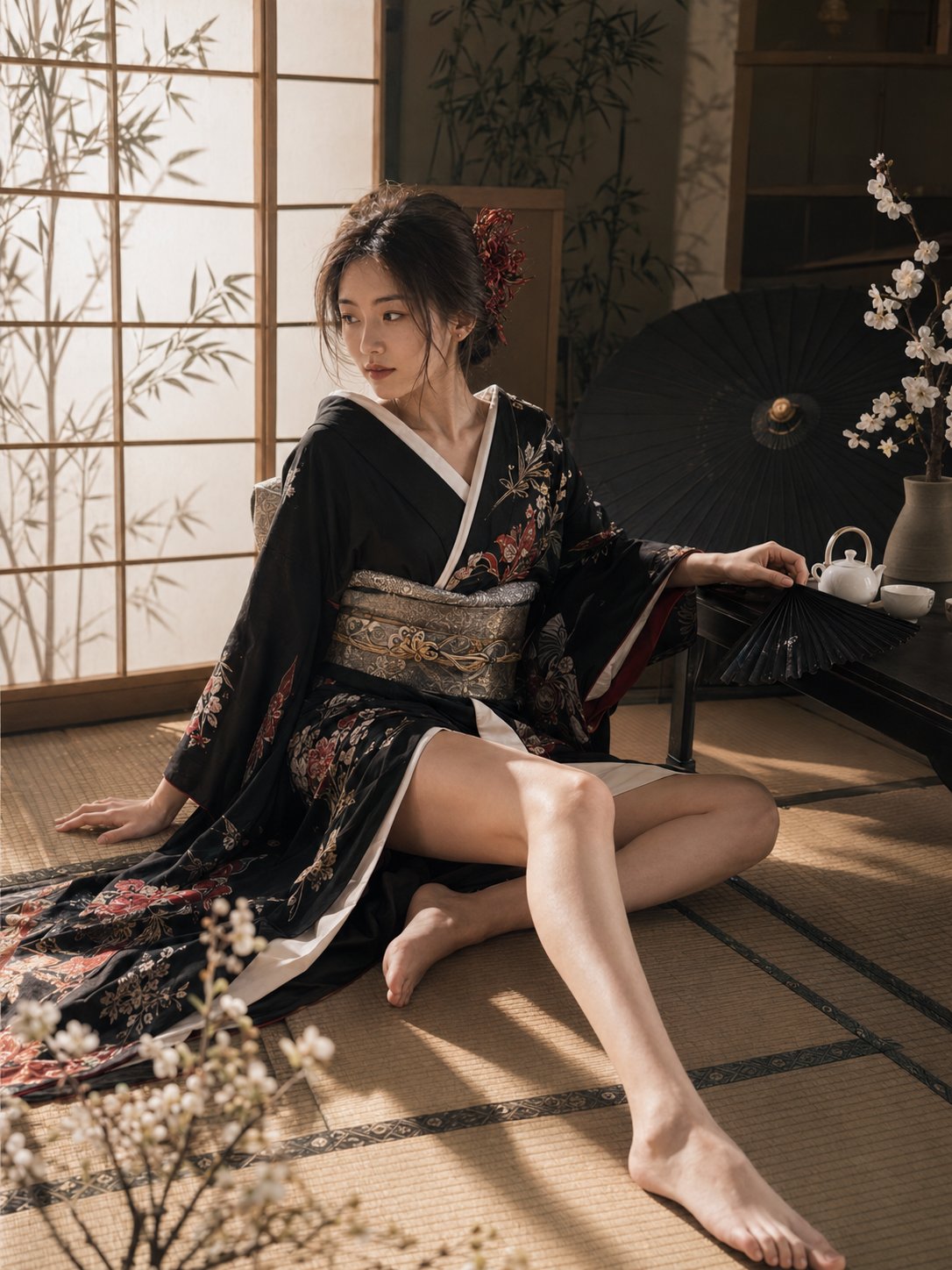
案例媒体
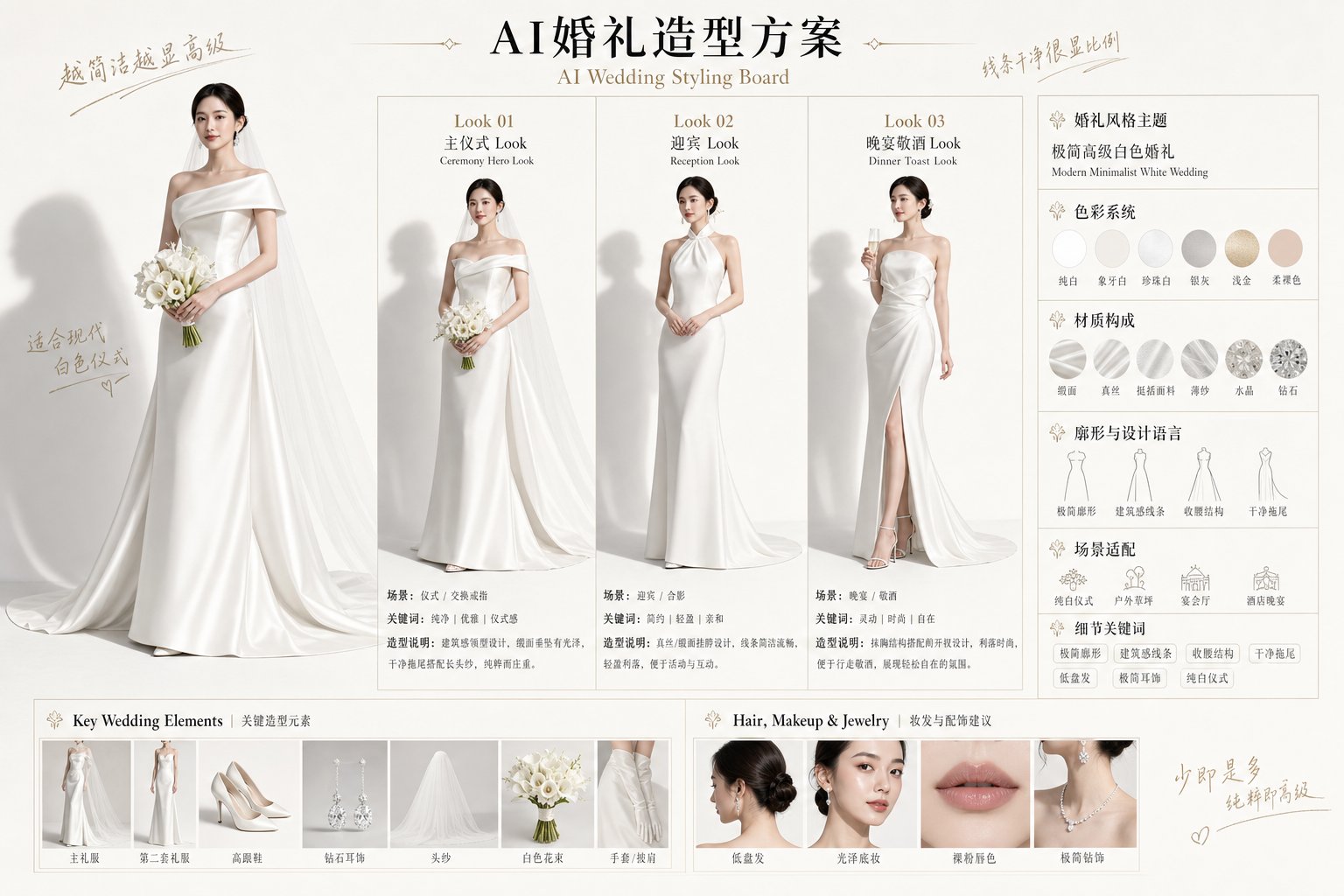
案例说明
这个页面把案例媒体、完整 Prompt 和出处放在一起,方便你先看结果,再判断这条 Prompt 是否值得复制、收藏或加入对比。
案例解读
为了方便搜索、引用和后续复用,这里会把案例的适用场景、画面重点和 Prompt 结构拆成更容易浏览的说明。
这类案例适合用在什么场景
- 把它当作 角色设计 的基准案例最合适,先看成片方向,再决定自己的 Prompt 要往哪边改。
- 如果你的目标也落在 时尚、海报、角色 这些方向,这条案例特别适合先看图判断风格,再回头微调描述。
- 做 Prompt 对比时,也很适合作为控制组,只改一个变量去看结果变化。
画面重点与风格信号
- 这条案例最明显的风格信号集中在 时尚、海报、角色,所以第一次改写时最好先保留这些关键词。
- 重点可以先看轮廓、服饰语言、情绪气质,以及角色是否一眼就能立住。
- 当前保留了 2 份媒体输出,适合顺手观察同一方向在多张结果里的稳定性。
Prompt 结构可以怎么理解
- 这条 Prompt 整体属于一条比较长、约束条件很多的 Prompt,很适合拿来判断这类方向到底需要写到多细。
- 关键词簇主要围绕 时尚、海报、角色 展开,所以复用时可以先保留这组风格词,再替换主体、镜头、环境或文案信息。
- 最稳的改写方式通常是先保留结果方向和最强风格信号,只替换主体设定与场景块。
如果你是带着问题来的,可以先看这些角度
- 如果保留 时尚、海报、角色,只换主体题材,结果最先变化的会是哪一部分?
- 这条结果里,哪些特征更像是 角色设计 的结构特征,哪些又是标签风格本身带来的?
- 同分类的相关案例里,哪几条能给你更克制或更极致的相邻变体?
完整 Prompt
Please generate a high-completion horizontal 4:3 'AI Wedding Styling Board' based on the [Wedding Theme / Role / Style Direction] provided. [User Input Template] Wedding Theme: ________ Role: Bride / Groom Wedding Scenarios: Ceremony / Reception / Toast / Dinner Style Keywords: Sophisticated, Elegant, Restrained, Romantic, Minimalist Luxury, Modern / Chinese / French / Vintage, etc. Main Color Palette: ________ Material Keywords: Satin, Silk, Organza, Lace, Tulle, Beadwork, Pearls, Crystals, Velvet, etc. Additional Requirements: ________ [Task Positioning] This is a comprehensive wedding styling proposal board, not a simple wedding photo or gown poster. The image must simultaneously include: a main visual of the styling, 3 scenario-based looks, a color system, material analysis, silhouette descriptions, hair/makeup advice, jewelry/shoes/bouquet/accessory suggestions, and occasion adaptation notes. The overall aesthetic must be high-end, elegant, and refined, possessing a brand lookbook and fashion magazine proposal feel. Avoid cheap studio styles, tacky wedding posters, over-the-top 'cheap princess' vibes, or low information density. [Important Note] The same wedding theme should generate two separate images: 1. Bride Version: Role is 'Bride'. 2. Groom Version: Role is 'Groom'. Do not merge the bride and groom into the same image. Each image focuses on a single character and generates a complete wedding styling proposal for that role. [Layout Structure] Horizontal 4:3 ratio, high-end light-colored background (e.g., cream white, champagne, ivory, light gray-white, soft mist pink-white). Clear typography with white space, thin line frames, color blocks, material samples, numbered modules, and minimal Chinese handwritten-style annotations. - Top: Title Section. Main title 'AI婚礼造型方案', English subtitle 'AI Wedding Styling Board', along with the theme name, role, and a brief style description. - Left: Main Visual Area. Showcasing the core styling. The character should be an adult Chinese bride or groom with a sophisticated, natural, and elegant temperament. The pose should be formal and ceremonial. Avoid stiff faces or low-quality studio vibes. - Middle: 3 Scenario-based Looks (Look 01: Ceremony Hero Look, Look 02: Reception Look, Look 03: Dinner Look). Each look must include outfit, shoes, accessories, hair/makeup, scenario tags, and a brief styling description. The looks must be cohesive extensions of the same theme. - Right: Professional Analysis Area. Including: 1. Style Theme (summary paragraph), 2. Color Palette (5–6 blocks including primary, secondary, accent, metallic, and floral colors), 3. Material Board (4–6 materials with short functional descriptions), 4. Silhouette & Details (focusing on waistline, hem, neckline, shoulder, embroidery, veil, etc.), 5. Occasion Fit. - Bottom: Key Items Section. 5–8 key elements (e.g., main gown/suit, secondary look, shoes, jewelry, bouquet, gloves, brooch, cufflinks) with brief explanations. [Visual Requirements] Refined, informative yet not crowded. Must look like a high-end fashion magazine editorial or a professional brand proposal. Strictly avoid tacky wedding trends, blurry details, or messy text.