案例媒体
案例说明
这个页面把案例媒体、完整 Prompt 和出处放在一起,方便你先看结果,再判断这条 Prompt 是否值得复制、收藏或加入对比。
案例解读
为了方便搜索、引用和后续复用,这里会把案例的适用场景、画面重点和 Prompt 结构拆成更容易浏览的说明。
这类案例适合用在什么场景
- 把它当作 角色设计 的基准案例最合适,先看成片方向,再决定自己的 Prompt 要往哪边改。
- 如果你的目标也落在 人像、时尚、海报 这些方向,这条案例特别适合先看图判断风格,再回头微调描述。
- 做 Prompt 对比时,也很适合作为控制组,只改一个变量去看结果变化。
画面重点与风格信号
- 这条案例最明显的风格信号集中在 人像、时尚、海报,所以第一次改写时最好先保留这些关键词。
- 重点可以先看轮廓、服饰语言、情绪气质,以及角色是否一眼就能立住。
- 当前保留了 2 份媒体输出,适合顺手观察同一方向在多张结果里的稳定性。
Prompt 结构可以怎么理解
- 这条 Prompt 整体属于一条比较长、约束条件很多的 Prompt,很适合拿来判断这类方向到底需要写到多细。
- 关键词簇主要围绕 人像、时尚、海报 展开,所以复用时可以先保留这组风格词,再替换主体、镜头、环境或文案信息。
- 最稳的改写方式通常是先保留结果方向和最强风格信号,只替换主体设定与场景块。
如果你是带着问题来的,可以先看这些角度
- 如果保留 人像、时尚、海报,只换主体题材,结果最先变化的会是哪一部分?
- 这条结果里,哪些特征更像是 角色设计 的结构特征,哪些又是标签风格本身带来的?
- 同分类的相关案例里,哪几条能给你更克制或更极致的相邻变体?
完整 Prompt
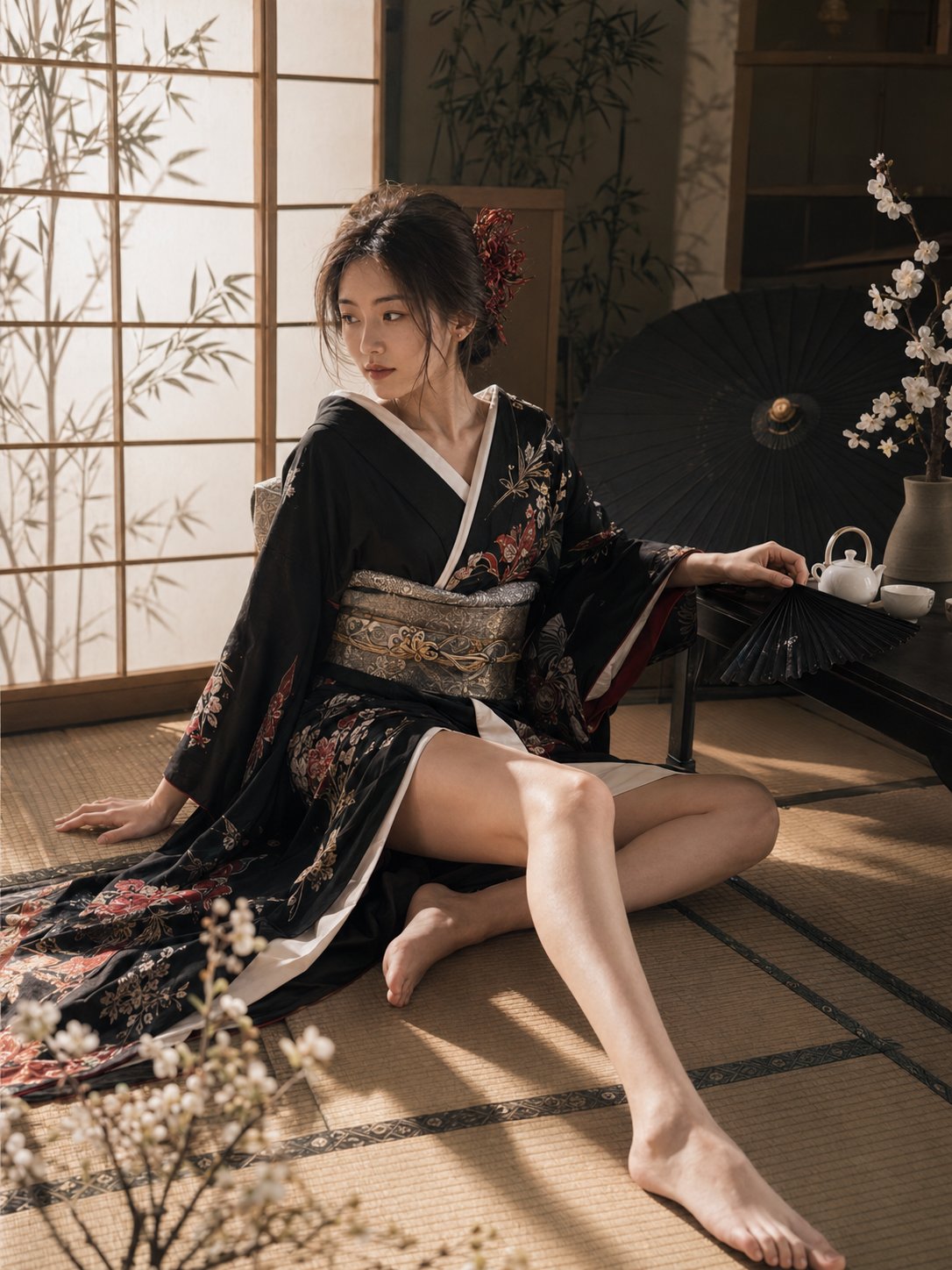
Please generate a set of 'Yakuza Heiress · High-end Japanese-style Photoshoot' based on the clear single-person portrait reference photo I uploaded, a total of 9 images, all as individual pictures, no nine-square grids, no composite posters. Each 3:4 vertical composition. ## Fixed General Control Strictly preserve the real identity characteristics of the reference person: face shape, facial proportions, eye shape, nose, lips, jawline, hairline, skin tone, sense of age, and overall recognizability. No face swapping, do not turn into a stranger, no internet celebrity face, no infantilization, no animation, no AI doll face. Skin retains real texture, slight pores, natural facial shadows, and real photographic quality. Overall style: Young heir of a Yakuza family, high-end Japanese-style photoshoot, cold and elegant, restrained, dangerous, noble, sense of control, feminine charm but not vulgar. The frame looks like a 10,000-yuan-level studio fashion blockbuster, not cosplay, not a game poster, not cheap studio style. The scene is unified as a Japanese-style washitsu built in a real photography studio: bright shoji doors, tatami, bamboo shadows, black paper umbrellas, white flower branches, low tea tables, white porcelain tea sets, old folding screens, dark wooden spaces. The frame can be dark, but not pitch black; black fabrics must have layers of gray-black, charcoal black, tea-brown-black, and ink black, with visible folds, embroidery, and sleeve hems. Lighting: Side-angled hard window light + soft reflected fill light + slight rim light. Shoji doors can be bright, but the person's face, skin, kimono, tea set, and flower branches must not be blurred. Clothing: High-end black kimono or modified furisode, obvious white inner lining collar, embroidery in dark red, withered gold, old silver, ink green, floral patterns, butterfly patterns, or family crests. Silver-gray-gold brocade obi (waist belt), heavy and three-dimensional. Dark brown-black or black hair, loose or high updo with natural stray hairs, paired with dark red spider lilies, red hairpins, metal hairpins, or fine tassels. Cold and elegant makeup, slender eye makeup, deep red, wine red, or brownish-red lips, no pink girlish vibe. Body and posture must be real and natural: Only one person appears, normal body proportions, clear logic for arms and legs, joints are natural, fingers are normal. No extra hands or feet, no missing legs, do not show only one leg causing a sense of disconnection, no fused legs, do not twist waist and hips, no toe deformities. In any scene showing legs, the posture of both legs must be understandable: one leg folded, the other extended, or both legs naturally covered by the kimono but the body structure is complete. Actions are high-class and restrained, not pornographic, not excessively sexualized. Frame restrictions: No text, no vertical Japanese characters, no logos, no watermarks, no photography studio signatures. No firearms, no blood, no fighting. Katana, scabbards, and folding fans can appear, but only as static aura props. --- ## 01|Sitting Pose in Tea Room with Paper Umbrella Inside a Japanese-style washitsu, bright shoji doors are at the rear side; a black paper umbrella, white flower branches, a low tea table, and white porcelain tea sets form the background layers. The character sits on the tatami, body slightly turned, not sitting upright. One hand holds a tea cup, and the other hand is placed lightly on the knee. The kimono collar is naturally loose, revealing the collarbone and neck lines. She looks directly at the camera with a calm, aloof, and oppressive gaze. Bust to 3/4 body vertical composition, focusing on the face, neck, tea cup, hands, obi, and the texture of the black kimono. --- ## 02|High-Angle Shot with Folding Fan A slightly high-angle shot of the complete Japanese-style washitsu, showing tatami texture, window grille light and shadow, low tea table, white porcelain tea set, black paper umbrella, white flower branches, and bamboo shadow screen. The character sits slightly to one side of the center of the tatami, holding an open black folding fan in one hand, with the other hand naturally supporting on the ground. The posture is elegant and quiet, head down or eyes closed, not looking at the camera, like a moment caught in a snapshot. The body structure must be stable: both legs must have clear logic. One leg is naturally folded, the other leg extends forward or diagonally forward; the kimono hem naturally spreads out, but it cannot show only one leg causing a sense of disconnection. The focus of the frame is the space, the folding fan, the tatami, the kimono layout, and the body curves. --- ## 03|Close-up with Katana and Gaze A close-up of the washitsu under bright window grille light, with shoji doors, black paper umbrella outlines, white flower branches, and dark screens in the background. The character wears a black embroidered kimono, with a clear white collar and an obvious silver-gray-gold obi. Both hands hold a scabbard or a half-drawn katana as a static power prop, without making any attacking moves. Close-up composition, concentrated on the face, eyes, neck, hands, and sword hilt. She raises her eyes to look directly at the camera, her gaze sharp, cold and elegant, alert, and oppressive. Fingers must be natural, and the sword hilt must not be deformed. --- ## 04|Side Sitting with Extended Long Legs On the floor of a Japanese-style washitsu, the background has bright shoji doors, bamboo shadows, black paper umbrellas, white flower branches, low tea tables, and white porcelain tea sets. Window grille light hits the tatami and the character's legs at an angle, forming real light and shadow cuts. The character sits sideways on the tatami, body leaning back slightly, one hand supporting on the ground, the other hand lightly holding a folding fan or near the tea table. Both legs must be complete and natural: one leg folded on one side of the body, the other leg extended forward, showing normal thigh, knee, calf, and foot lines. Do not show only one leg, do not fuse legs, and no foot deformities. She looks away with her side eyes, her expression lazy, cold, and dangerous. Medium shot vertical composition, highlighting the sense of body extension, waist and hip lines, leg posture, foreground flower branches, and black kimono folds. --- ## 05|Leaning Over the Tea Table The character is near a low tea table with a white porcelain teapot, tea cups, small flower branches, and a closed folding fan on the table. The background includes shoji doors, black paper umbrellas, and bamboo shadow screens. She leans forward slightly, one hand holding the edge of the table, and the other hand lightly taking a tea cup or a folding fan. The shoulder line tilts naturally, the waist twists slightly, forming a soft upper body curve. The kimono collar opens naturally, highlighting the collarbone and neck, but maintaining a high-end restraint. She looks down at the tea cup, then slightly raises her eyes to look at the camera, with an aloof, calm expression carrying a hint of dangerous attraction. Half-body vertical composition, focusing on the face, collarbone, arms, tea set, and tabletop details. --- ## 06|Standing Pose Side View with Katana In the center of a Japanese-style washitsu, the background has bright shoji doors, bamboo shadow screens, black paper umbrellas, white flower branches, and wooden spaces. Overall more formal, the light is clear but with contrast. The character stands sideways, weight on one leg, waistline slightly pulled in, and shoulders and neck stretched out. Both hands hold the scabbard or katana vertically; the sword serves as an aura prop, not for attacking. The head turns slightly, and the gaze looks toward the front side or with eyes half-closed, cold and elegant, restrained, and dangerous. 3/4 body vertical composition, focusing on the sword, profile of the face, neck, obi, sleeve hems, and the standing aura. Body proportions must be normal, fingers and sword hilt must not be deformed. --- ## 07|Semi-Lying on Tatami Dark washitsu floor, background with shoji doors, old screens, low wooden table, white vases, and white flower branches. There are clear window grille light and shadows on the floor, and the foreground can have slightly blurred flower branches or tea sets. The character is semi-lying on the tatami, one arm supporting the upper body, the other hand lightly placed near the obi or hem. The upper body is slightly twisted, the waistline naturally tightened, and the legs naturally intersect and extend under the kimono. Note that the body must be real: the positions of both legs must be logical; even if covered by the kimono, it cannot form a missing leg, broken leg, or extra leg. She turns her head to look at the camera, her gaze nonchalant, cold, and charming. Medium-long shot vertical composition, highlighting body curves, tatami texture, light and shadow cuts, and the layers of black fabric. --- ## 08|Looking Back While Half-Kneeling Dark washitsu, background with bamboo shadow screens, white flower branches, shoji doors, and black paper umbrellas. Oblique light from outside the window illuminates the back, shoulder line, and side face. The character has her back or side-back to the camera, half-kneeling on the tatami. The patterns, butterfly patterns, and gold embroidery on the back and sleeves of the black kimono are clear, and there is a three-dimensional silver-gold obi knot at the back of the waist. The body is forward, the head and upper body turn back slightly, forming an elegant arc from the back to the waist. One hand holds the scabbard or folding fan, and the other hand lightly supports the ground or hem. Both legs are in a natural half-kneeling position, covered by the kimono but with complete structure; no strange lower body or extra limbs should appear. She looks back at the camera, her gaze cold, steady, alert, dangerous yet feminine. 3/4 body vertical composition, focusing on the back, obi, neck, looking-back gaze, and the beauty of the body twist. --- ## 09|Final Converging Main Visual The main hall of a Japanese family mansion, with shoji doors, dark wooden pillars, old screens, black paper umbrellas, white flower branches, and low tea tables in the background. Overall more solemn and formal, like the cover of the entire photoshoot set. The character wears the most gorgeous high-end black kimono of the set, with a white inner collar, dark red, withered gold, and old silver embroidery, a heavy silver-gray-gold brocade obi, more obvious spider lily hair accessories, and deep red lips. She adopts a formal sitting posture with a sense of a queen: sitting upright but with the upper body leaning forward or turning slightly. One hand is placed on the knee, and the other hand holds a tea cup, folding fan, or scabbard. The posture is steady but retains the stretching of the neck, waistline, and feminine aura. She looks directly at the camera, her gaze calm and with a sense of power, like a Yakuza heiress truly settled into her position. Formal vertical composition, focusing on the face, gaze, neck, hands, obi, and the overall power aura.