案例媒体
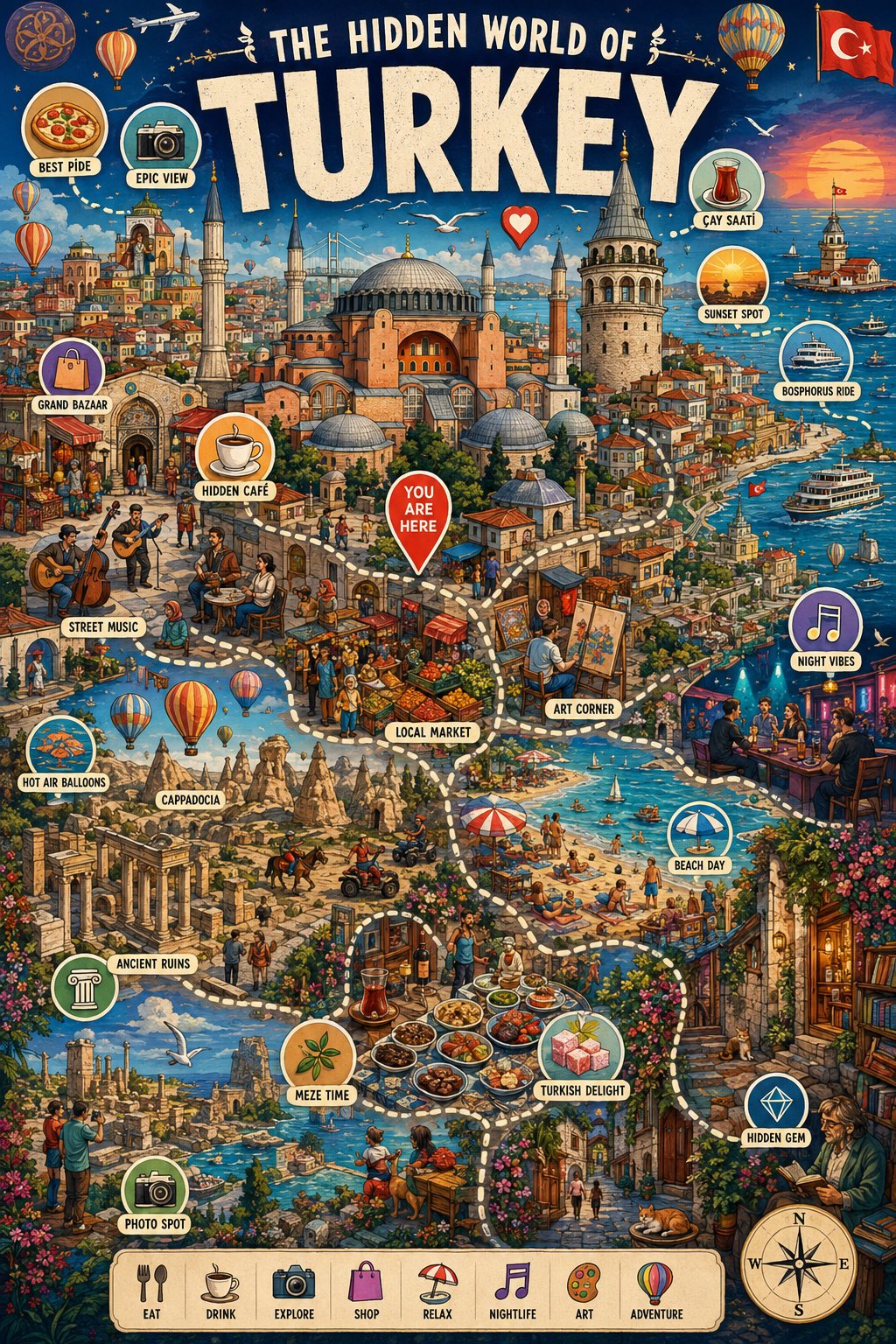
案例说明
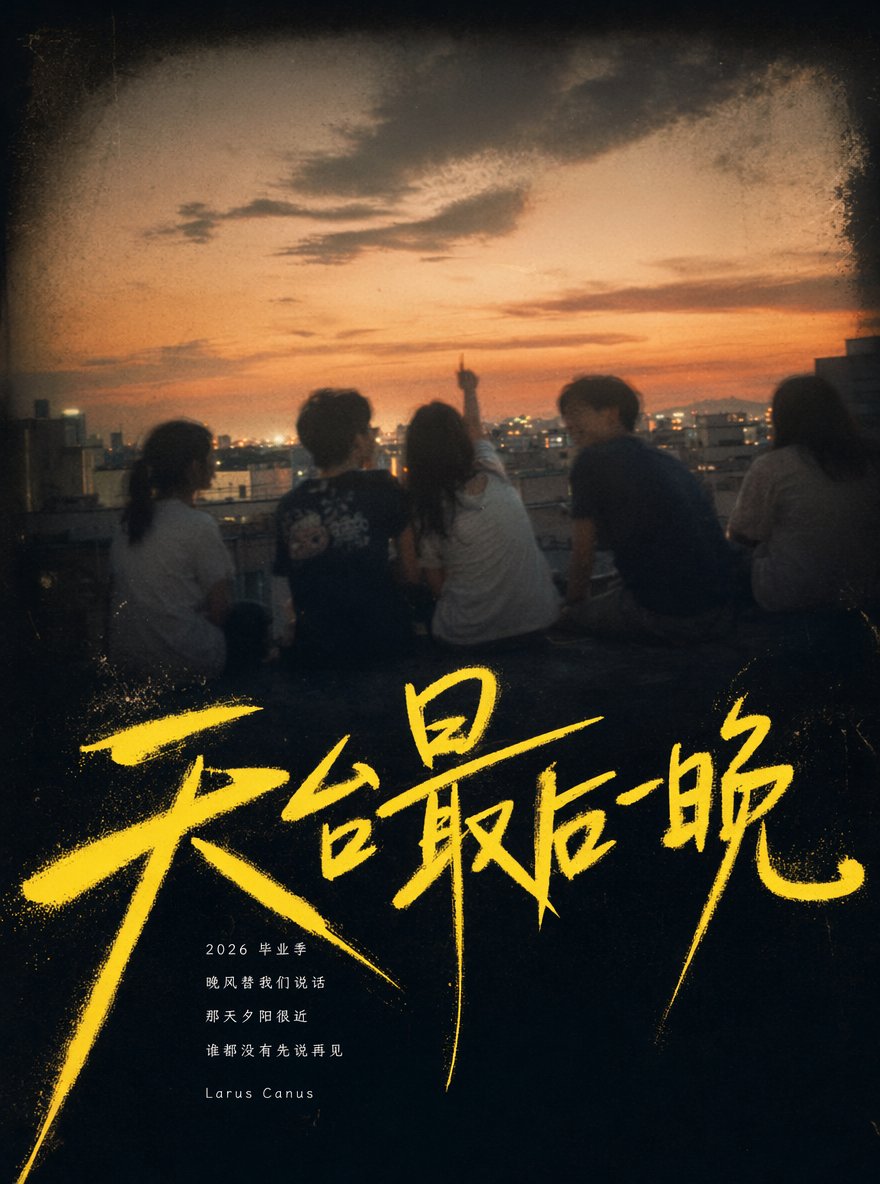
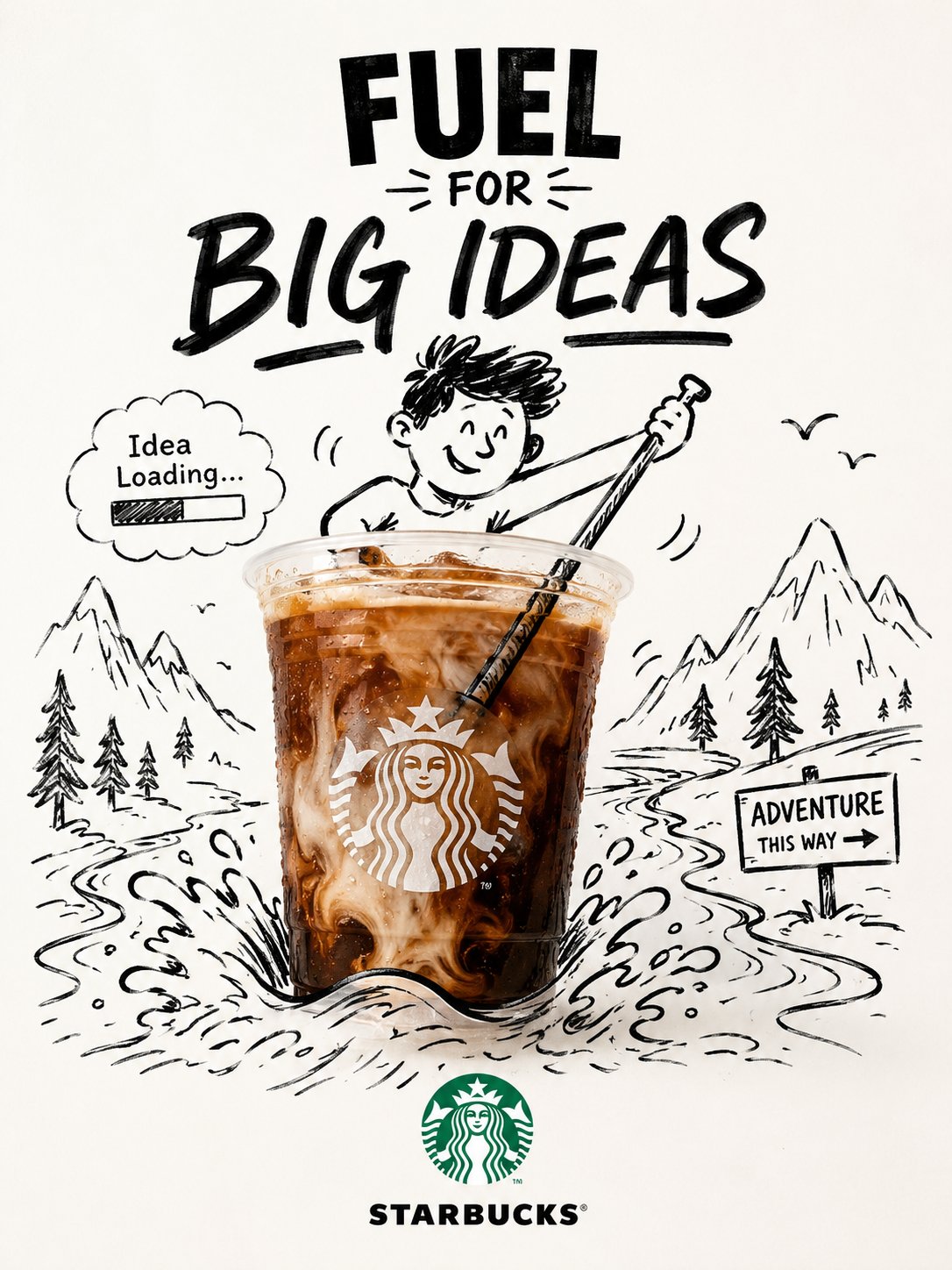
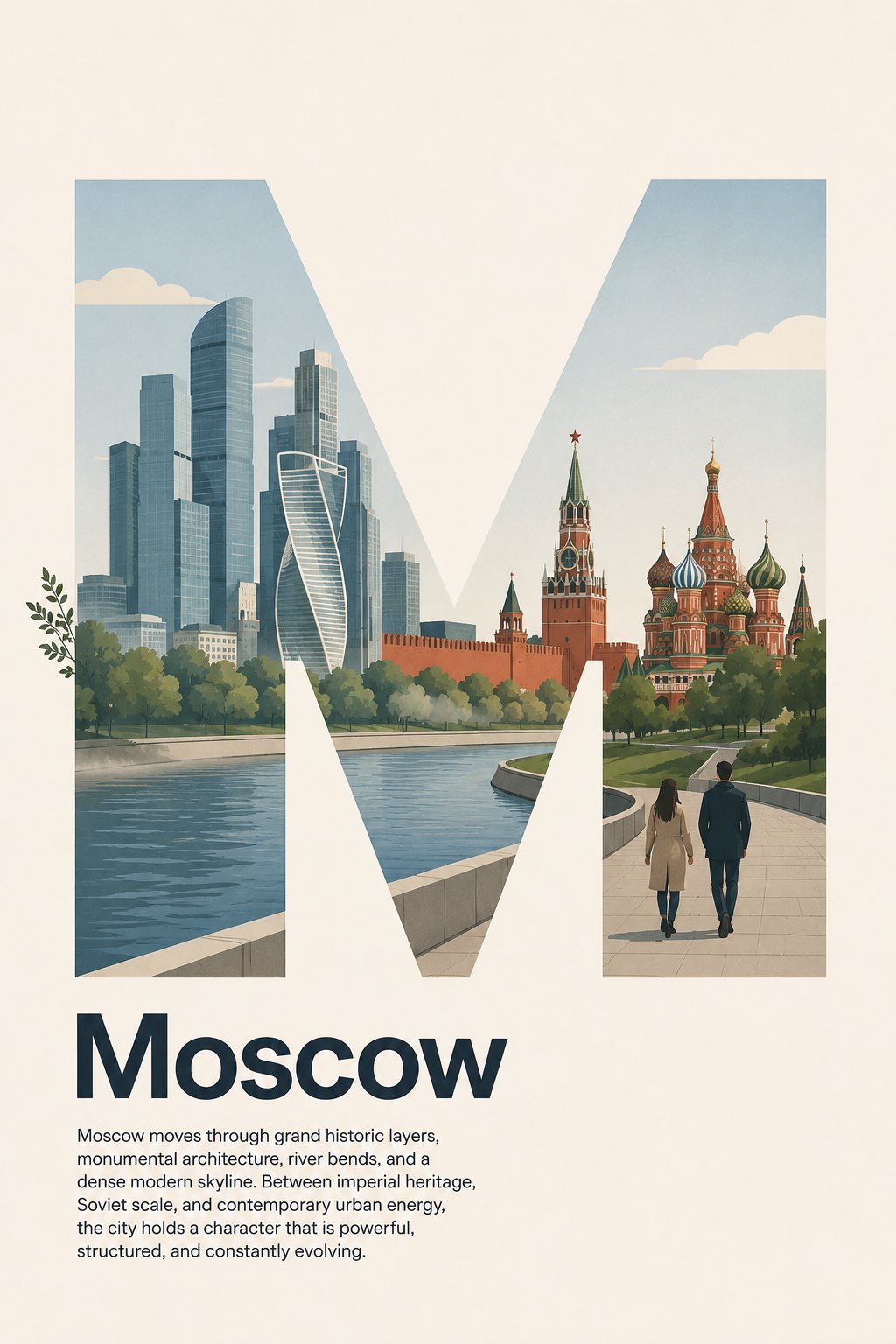
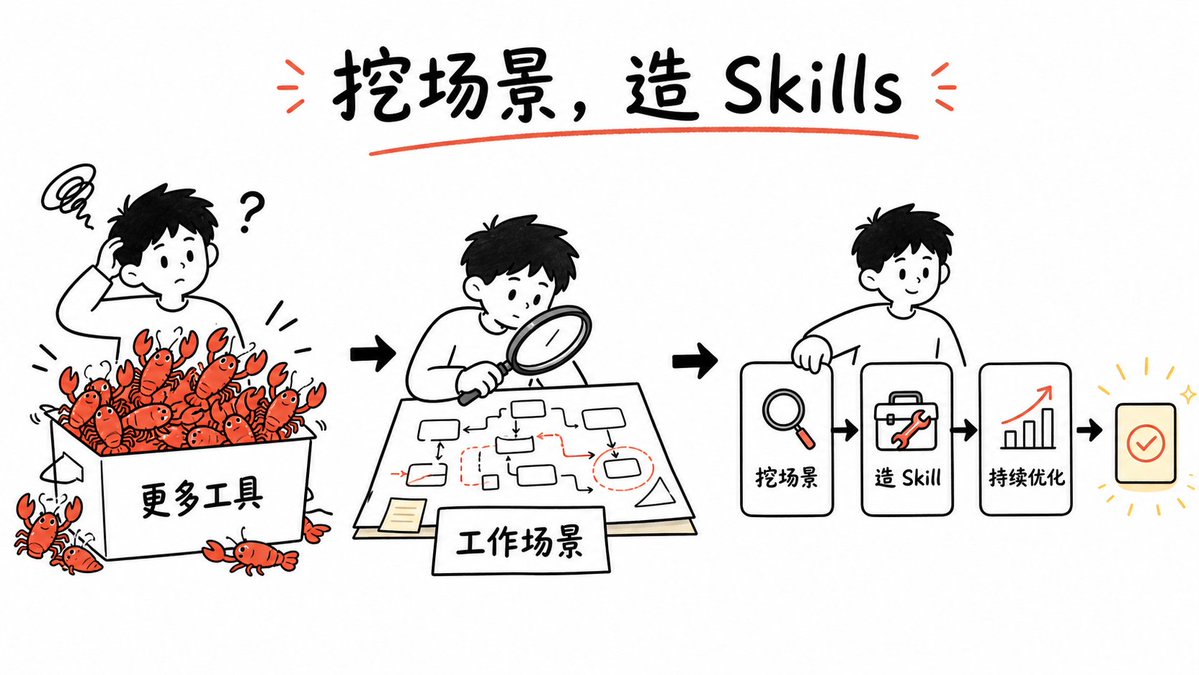
这个页面把案例媒体、完整 Prompt 和出处放在一起,方便你先看结果,再判断这条 Prompt 是否值得复制、收藏或加入对比。
案例解读
为了方便搜索、引用和后续复用,这里会把案例的适用场景、画面重点和 Prompt 结构拆成更容易浏览的说明。
这类案例适合用在什么场景
- 把它当作 角色设计 的基准案例最合适,先看成片方向,再决定自己的 Prompt 要往哪边改。
- 如果你的目标也落在 海报、插画、角色 这些方向,这条案例特别适合先看图判断风格,再回头微调描述。
- 做 Prompt 对比时,也很适合作为控制组,只改一个变量去看结果变化。
画面重点与风格信号
- 这条案例最明显的风格信号集中在 海报、插画、角色,所以第一次改写时最好先保留这些关键词。
- 重点可以先看轮廓、服饰语言、情绪气质,以及角色是否一眼就能立住。
- 当前保留了 2 份媒体输出,适合顺手观察同一方向在多张结果里的稳定性。
Prompt 结构可以怎么理解
- 这条 Prompt 整体属于一条比较长、约束条件很多的 Prompt,很适合拿来判断这类方向到底需要写到多细。
- 关键词簇主要围绕 海报、插画、角色 展开,所以复用时可以先保留这组风格词,再替换主体、镜头、环境或文案信息。
- 最稳的改写方式通常是先保留结果方向和最强风格信号,只替换主体设定与场景块。
如果你是带着问题来的,可以先看这些角度
- 如果保留 海报、插画、角色,只换主体题材,结果最先变化的会是哪一部分?
- 这条结果里,哪些特征更像是 角色设计 的结构特征,哪些又是标签风格本身带来的?
- 同分类的相关案例里,哪几条能给你更克制或更极致的相邻变体?
完整 Prompt
Create a highly detailed illustrated infographic poster (CITY NAME) GOAL: Show the city as a giant discoverable world full of tiny hidden places, local secrets, iconic activities, food spots, and unexpected moments. This should feel like: an illustrated hidden object world + modern infographic + animated city poster. The focus must be: BIG visuals, BIG icons, minimal text. --- MAIN STRUCTURE: Vertical 4:5 poster Large illustrated city environment Dense but very readable composition Minimal text, mostly visual storytelling --- MAIN CONCEPT: The city should feel alive and overflowing with discoveries. Every corner should contain: - hidden moments - mini activities - local culture - food - tiny stories - funny details People should zoom into the poster for minutes. --- CENTERPIECE: Create a large stylized illustrated version of [CITY NAME]. Include: - famous landmarks - streets - parks - waterfronts - markets - cafés - rooftops - transport systems The city should look: fun, animated, layered, and explorable. --- INFOGRAPHIC SYSTEM (VERY IMPORTANT): Use LARGE visual icons and symbols instead of long text. Examples: - pizza icon - camera icon - coffee icon - nightlife icon - hidden gem icon - shopping icon - beach icon - art icon Each icon should: - clearly represent an activity or vibe - be visually bold and easy to spot --- TEXT RULES: Use: - tiny labels only - short names - mini reactions - 1–3 words max Examples: “Best pizza” “Quiet corner” “Night vibes” “Hidden café” NO: - paragraphs - information blocks - long descriptions --- VISUAL DETAILS: Add MANY tiny hidden scenes: - musicians playing - cats sleeping - people eating - tourists getting lost - couples taking photos - artists sketching - scooters racing - rooftop dinners - tiny food markets - hidden bookstores --- MAP ELEMENTS: Include: - walking paths - mini routes - arrows - area markers - transportation symbols Add: - compass - legend icons - “YOU ARE HERE” marker --- STYLE: - comic + infographic hybrid - animated movie environment - playful but premium - highly detailed - organized chaos Inspired by: - hidden object games - illustrated travel maps - Pixar environment art - modern infographic posters --- COLOR SYSTEM: Use: - vibrant city-inspired colors - strong contrast - colorful icons - clean readable backgrounds Keep: - clear hierarchy - easy navigation --- LAYOUT: Mix: - giant city environment - oversized infographic icons - small hidden scenes - map markers - mini comic interactions The poster must feel: dense but clean. --- DEPTH: - 50–100 tiny visual elements - multiple layers of discoveries - rich environmental storytelling --- IMPORTANT RULES: - prioritize visuals over text - icons must be large and readable - avoid cluttered paragraphs - no empty spaces - every section should contain discoveries - city references must feel specific to [CITY NAME] --- FINAL FEEL: Like: - a giant illustrated hidden city adventure - a visual discovery infographic - a poster people endlessly zoom into NOT: - text-heavy travel guide - flat map - chaotic unreadable collage