案例媒体
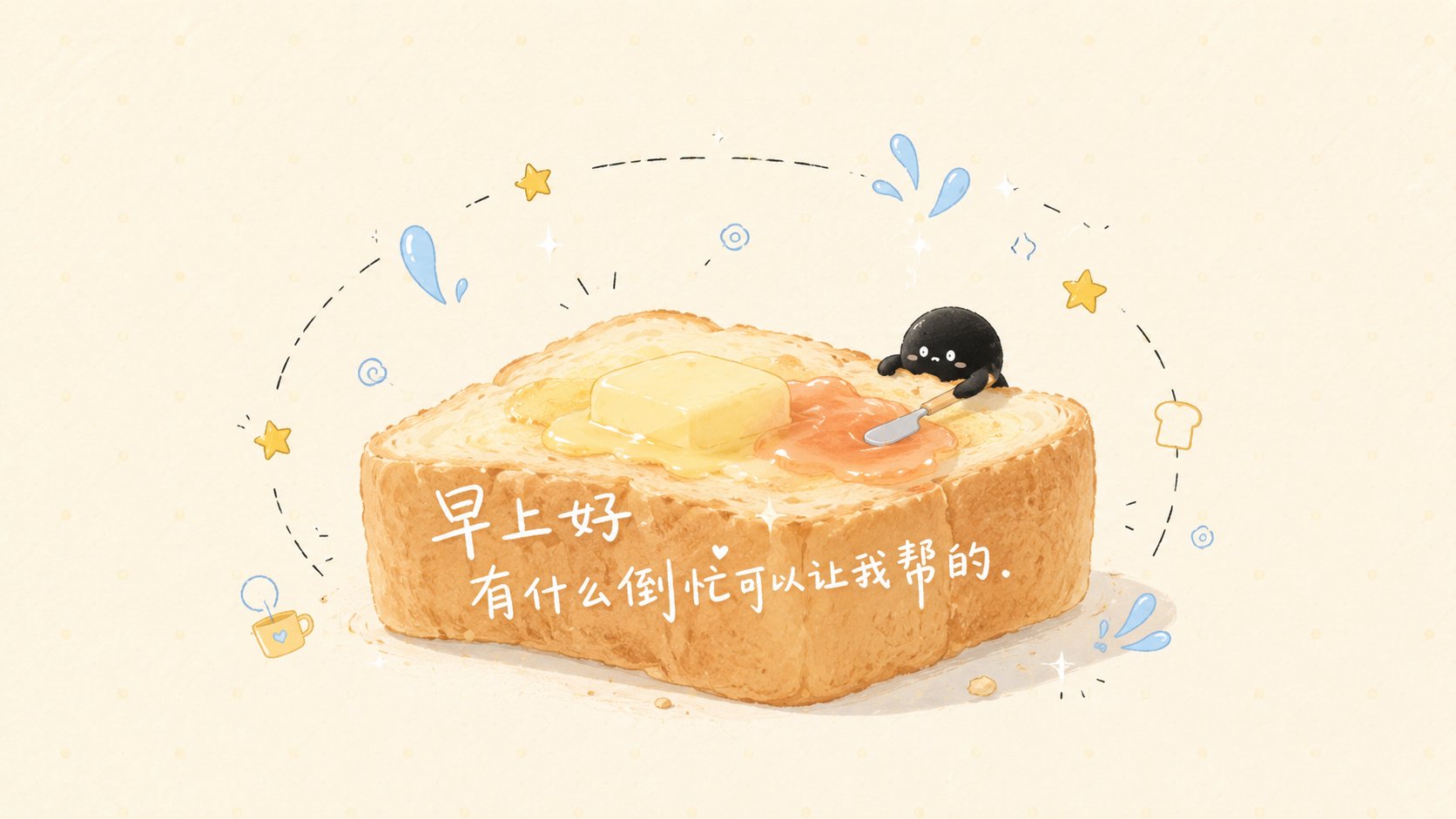
案例说明
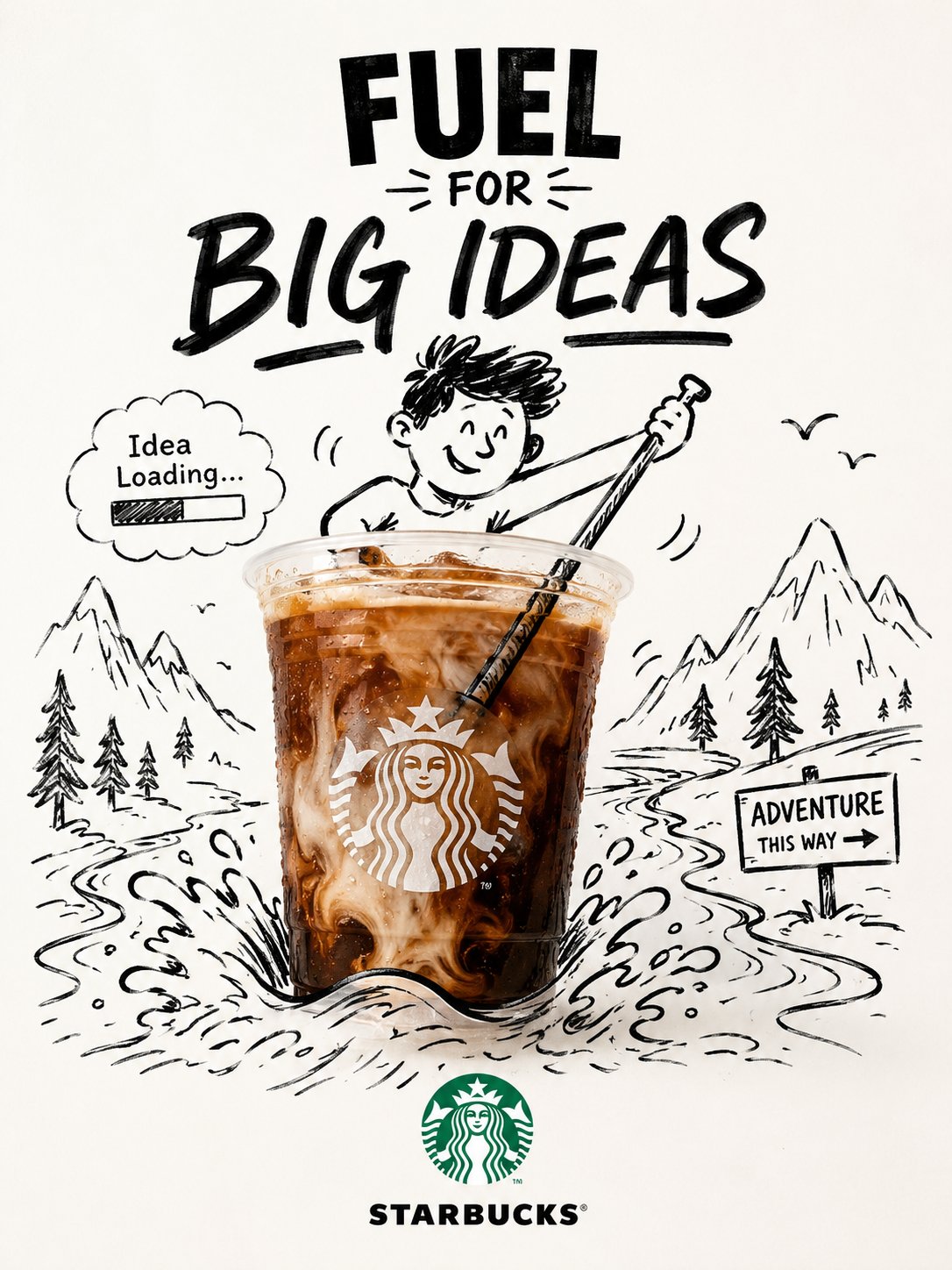
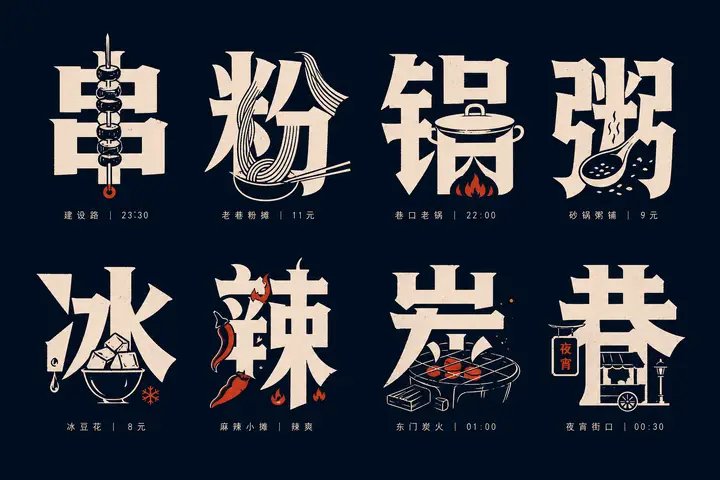
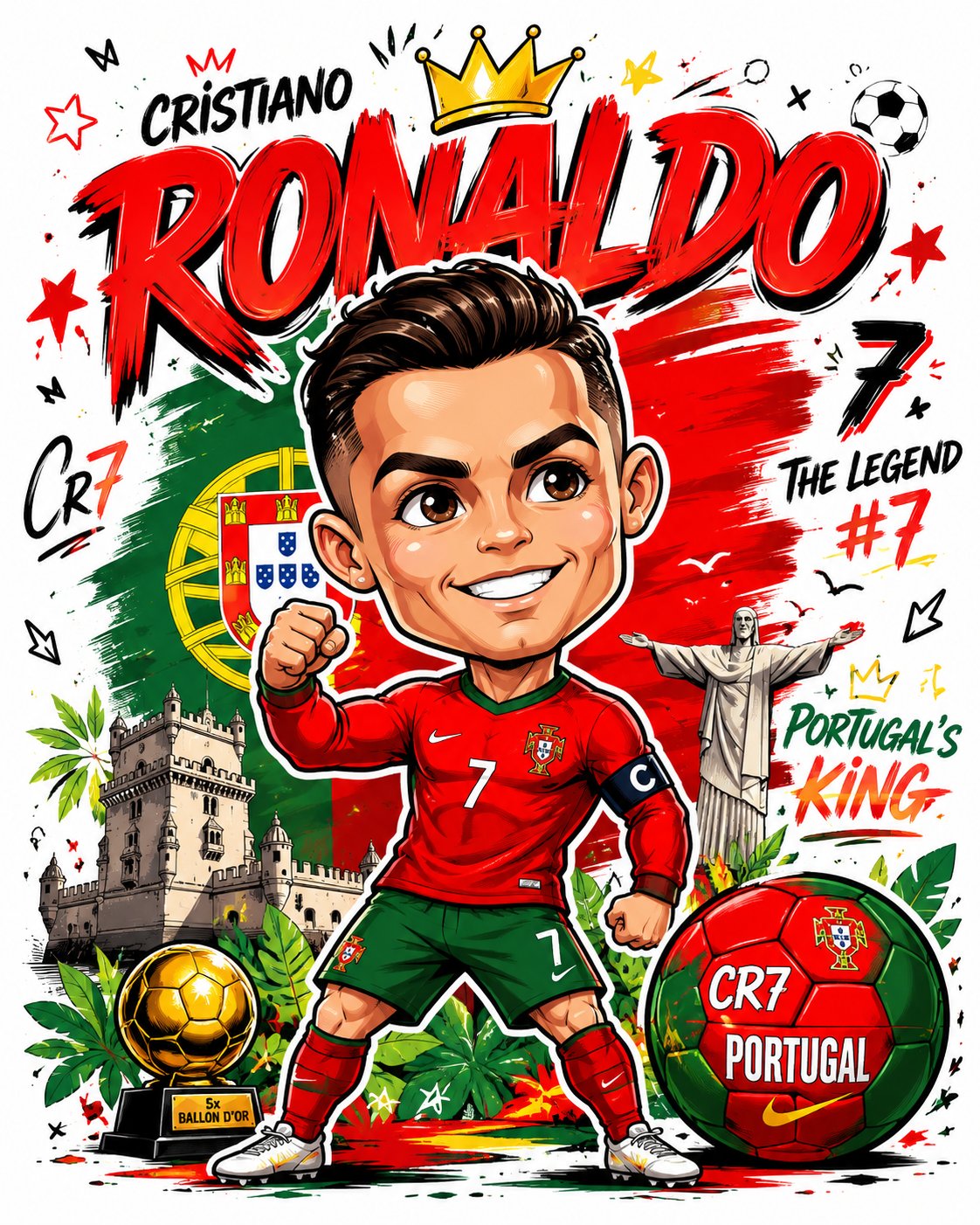
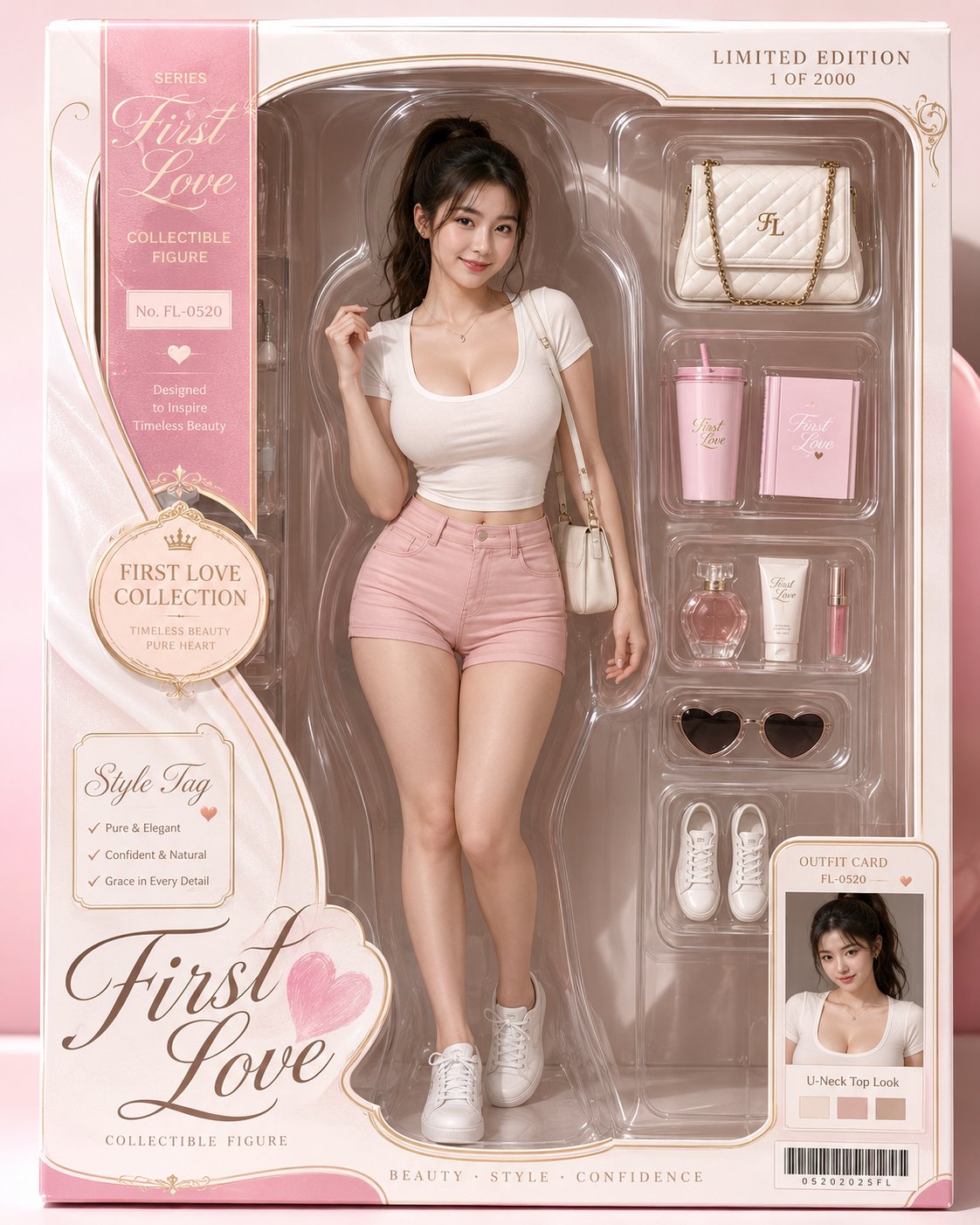
这个页面把案例媒体、完整 Prompt 和出处放在一起,方便你先看结果,再判断这条 Prompt 是否值得复制、收藏或加入对比。
案例解读
为了方便搜索、引用和后续复用,这里会把案例的适用场景、画面重点和 Prompt 结构拆成更容易浏览的说明。
这类案例适合用在什么场景
- 把它当作 角色设计 的基准案例最合适,先看成片方向,再决定自己的 Prompt 要往哪边改。
- 如果你的目标也落在 海报、插画、角色 这些方向,这条案例特别适合先看图判断风格,再回头微调描述。
- 做 Prompt 对比时,也很适合作为控制组,只改一个变量去看结果变化。
画面重点与风格信号
- 这条案例最明显的风格信号集中在 海报、插画、角色,所以第一次改写时最好先保留这些关键词。
- 重点可以先看轮廓、服饰语言、情绪气质,以及角色是否一眼就能立住。
- 当前保留了 2 份媒体输出,适合顺手观察同一方向在多张结果里的稳定性。
Prompt 结构可以怎么理解
- 这条 Prompt 整体属于一条比较长、约束条件很多的 Prompt,很适合拿来判断这类方向到底需要写到多细。
- 关键词簇主要围绕 海报、插画、角色 展开,所以复用时可以先保留这组风格词,再替换主体、镜头、环境或文案信息。
- 最稳的改写方式通常是先保留结果方向和最强风格信号,只替换主体设定与场景块。
如果你是带着问题来的,可以先看这些角度
- 如果保留 海报、插画、角色,只换主体题材,结果最先变化的会是哪一部分?
- 这条结果里,哪些特征更像是 角色设计 的结构特征,哪些又是标签风格本身带来的?
- 同分类的相关案例里,哪几条能给你更克制或更极致的相邻变体?
完整 Prompt
Please design [Theme] into a gentle and healing Japanese journal-style visual card. Don't just draw the object itself, but turn the object into an "emotional small universe." The image needs to have a clear core subject: [Subject Matter], with a soft and realistic texture, which can be food, objects, plants, character accessories, or any core symbol that fits the theme. The subject is placed slightly below the center of the image, with a larger proportion, like a small stage carrying emotions. Add a hand-drawn graffiti system around the subject: black intermittent arcs forming incomplete surrounding orbits, light blue water droplets, small yellow stars, white flashes, tiny swirls, short lines, and mini icons floating gently around the subject. All graffiti elements should have a sense of "moving around the subject" rather than random decoration. The number of elements is moderate, retaining a lot of breathing space. Add a tiny but memorable companion character: [Small Character], which can lie on the edge of the subject, sit on top of the subject, or hide next to the subject. It should be simple, rounded, black or low-saturation color, with a cute expression, like a small life secretly accompanying the user. Add a short copy on or in front of the subject: [Copywriting], the font is white handwritten style, light, soft, slightly diary-like, the text and the subject integrate naturally, do not be as stiff as a poster title. The overall color uses low-saturation, creamy, and light paper-feel color schemes. The subject color is the main color, the background is milky white, with very light regular dots or subtle paper grains added. Auxiliary colors only use soft colors such as light blue, pale yellow, light gray, and soft pink. The picture should not be heavy, have no high contrast, and no sense of commercial advertising; it should be like a cherished mood sticker. Final effect: clean white space, gentle, cute, light, healing, with journal paper texture, the tactile feel of a real subject, the agility of hand-drawn symbols, the sense of story brought by small characters, and the emotional landing point brought by a line of copywriting. ———————— This theme is: Playful Copywriting Illustrations One line of copywriting for one illustration, which is an independent generation task Ensure that each generation has a completely different color logic, layout logic, and font logic, all with central composition The following is the copywriting for each screen, ignoring the numerical sequence 1. "Good morning. Is there any busywork I can help with?" 2. "The Earth is not easy to live in." 3. "Waiting for an old man to talk to." 4. "Guaiguai (Well-behaved) put on a skirt and became Chengcheng (Submissive)." 5. "Look closely, this woman is called Xiaomei." 6. "Today is not Hello Kitty, it's HelloBaby." 7. "Village Chief, I admit I am a little sheep with no perseverance." 8. "Waiting for news from a little swan." 9. "Holy cow, so good-looking." 10. "Any time, any place, super Xiaomei, eating seriously." Ratio 16:9 Purpose: Suitable for computer wallpapers. Background logic: Light-colored texture patterns logic.