Case Media
Case Notes
This page keeps the media, full prompt, and original source together so you can inspect the result first and decide whether the prompt is worth copying, saving, or comparing.
Case Insights
To make this page easier to search, cite, and reuse later, the case is also broken down into practical guidance about usage, visual cues, and prompt structure.
Best Fit Scenarios
- Use this as a ui & social screens benchmark when you need a fast style baseline before rewriting your own prompt.
- It is especially helpful if your target overlaps with Illustration, UI, Screenshot and you want to judge the image result before tuning wording.
- Keep it as a control sample when you compare nearby prompt variants one variable at a time.
Visual Signals To Notice
- The clearest style signals here are Illustration, UI, Screenshot, so those should usually stay in your first rewrite.
- The important layer is usually interface density, card hierarchy, and how the screen tells the story before you read small text.
- This case keeps one primary output, so the first image should be treated as the main visual reference.
How The Prompt Is Structured
- The prompt reads as a long, highly specified prompt, which is useful when you want to judge how much specificity this direction needs.
- Its keyword cluster is centered on Illustration, UI, Screenshot, so you can usually keep that cluster while swapping subject, camera, layout, or copy details.
- A practical rewrite path is: keep the outcome, keep the strongest style cues, then replace only the subject and environment blocks.
Good Follow-up Questions
- What changes first if you keep Illustration, UI, Screenshot but switch the subject matter?
- Which part of the result comes from section-level structure (UI & Social Screens) versus tag-level style cues?
- Which related cases in the same section give you a cleaner or more extreme variation of the same direction?
Full Prompt
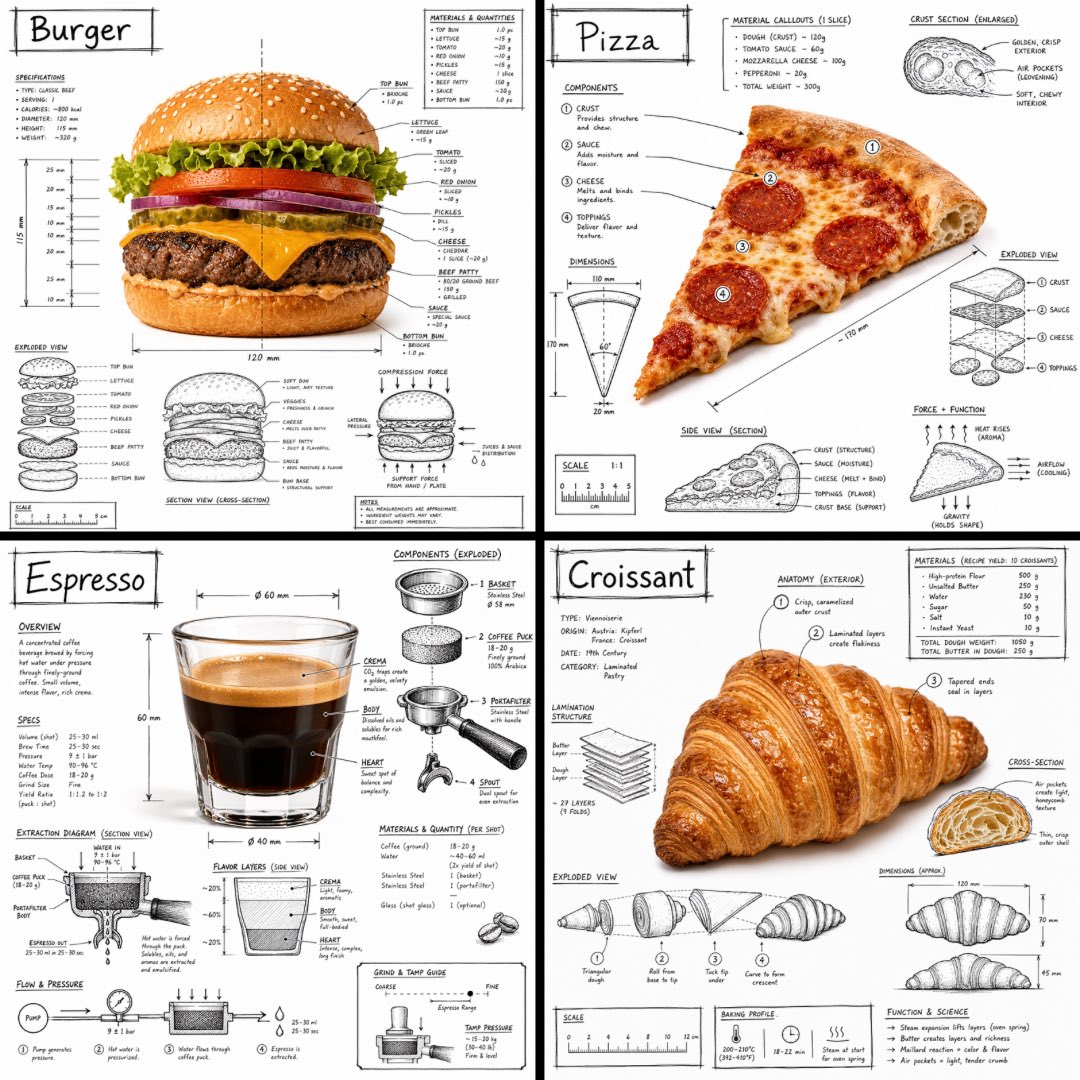
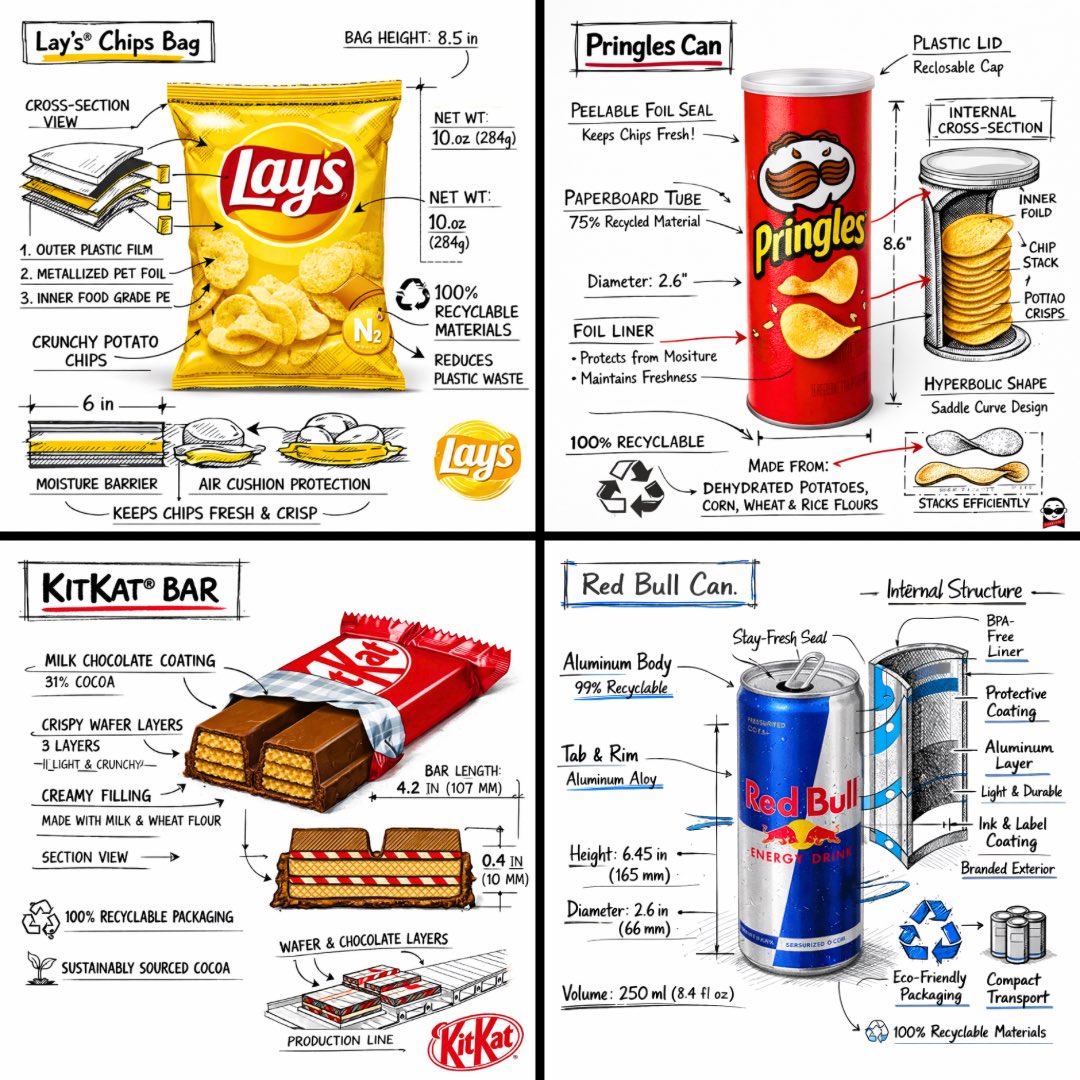
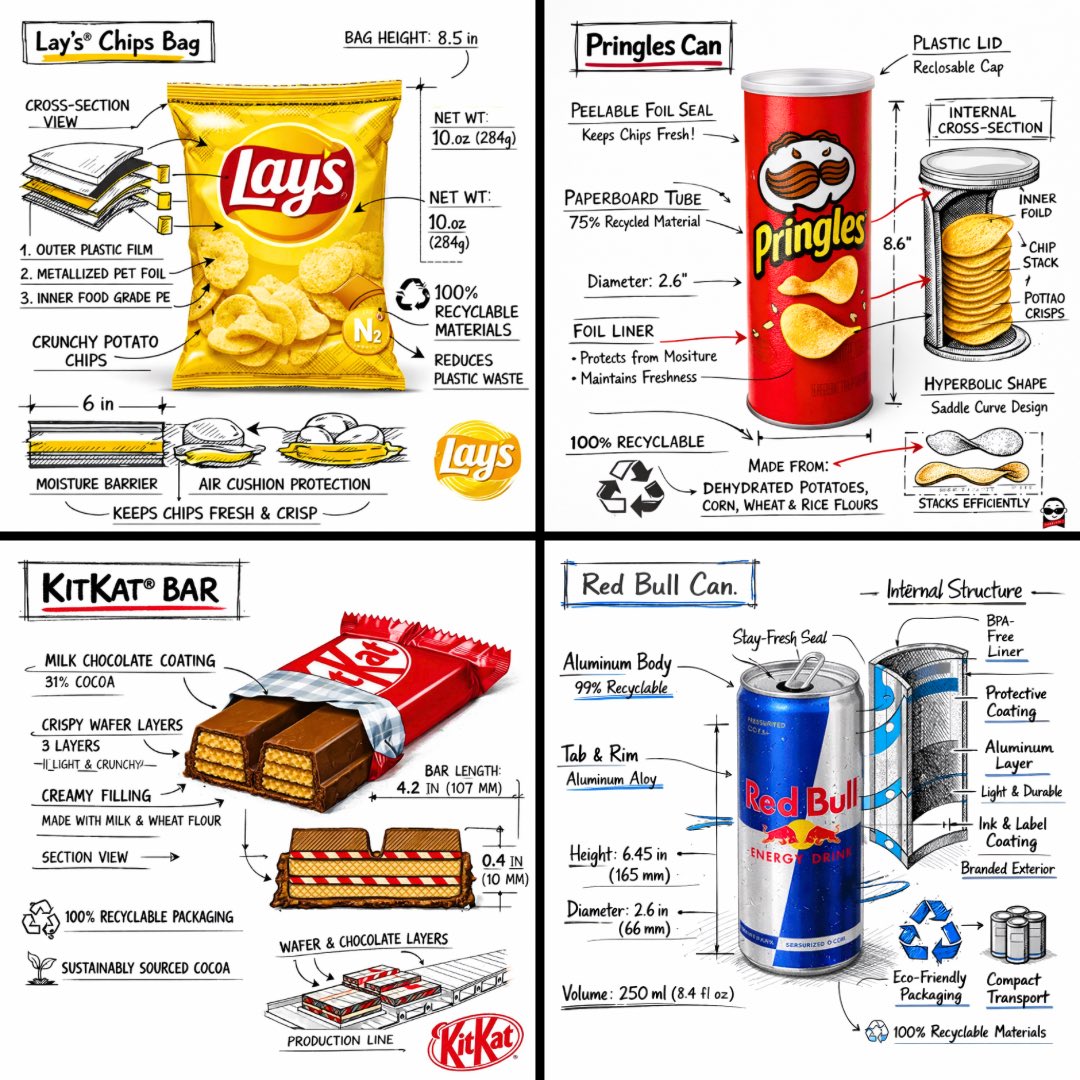
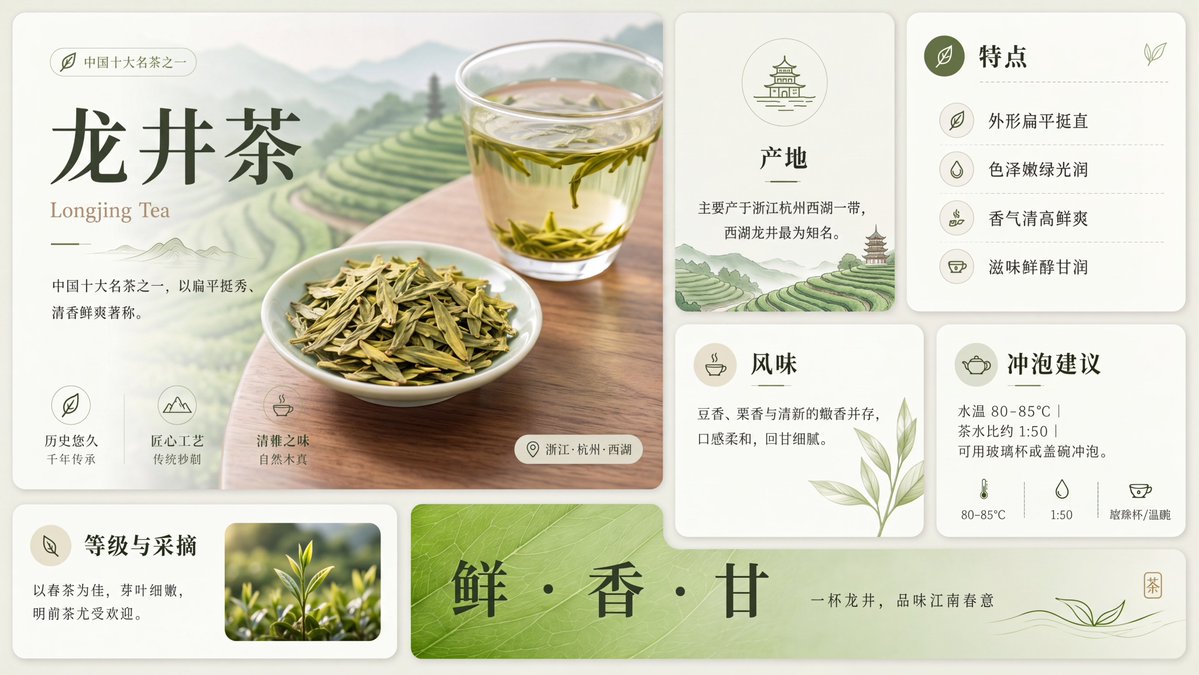
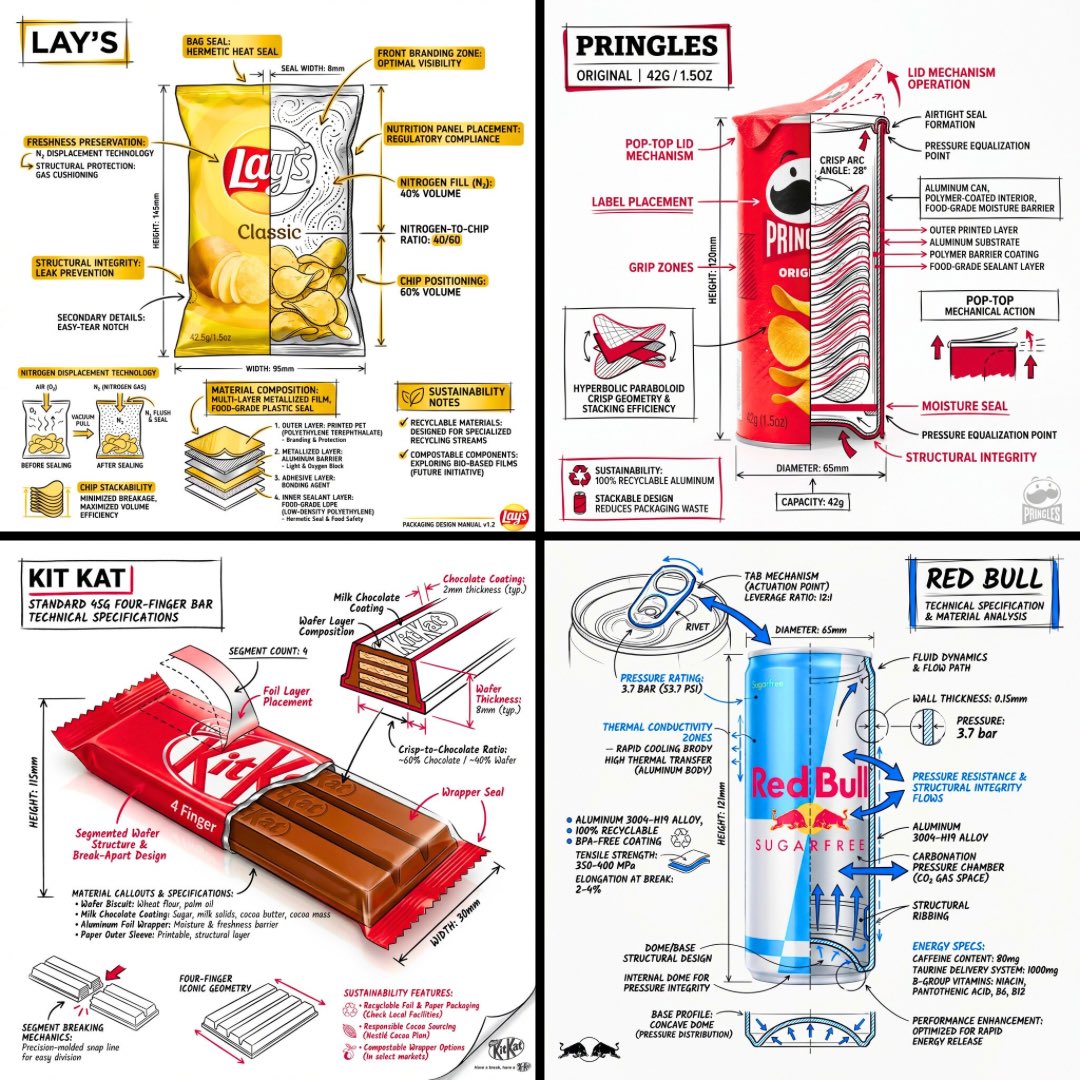
Design a branded technical infographic of a {argument name="subject" default="[SNACK]"} that overlays architectural-style annotations onto a realistic product photograph or photoreal render. Place everything on a pure white studio background, with black ink linework as the primary technical language and strategic {argument name="brand color" default="[BRAND COLOR]"} accents (engineer-sketch energy on premium packaging). Layer the following annotations on top of the product: • Labels calling out every key component • An internal cross-section that reveals layering, structure, or internal design • Dimensions, measurements, and product specifications • Material callouts listing composition and quantities • Arrows pointing to primary features and structural details • A small schematic or sectional diagram showing mechanical / design logic • Sustainability callouts Set the product name in bold font inside a hand-drawn annotation box with an accent-color border, anchored in an upper corner as the title. Style and layout rules: • Keep the realistic product fully visible underneath all the linework • Annotations should read as sketched, technical, and architectural • About 70-80% black linework for primary technical lines, 20-30% {argument name="accent color" default="[BRAND COLOR]"} for accent highlights • Balanced composition with generous negative space • Educational food-engineering tone with premium brand polish • Drop a subtle brand logo mark in one corner Visual style: minimal technical-illustration aesthetic, black linework with accent color over realistic imagery, precise but with a slightly hand-drawn feel. Color palette: white background, black annotation lines and text, [BRAND COLOR] reserved for accents and key callouts only. Output: 1080×1080, ultra-crisp, optimized for social feeds, no watermark.