Case Media
Case Notes
This page keeps the media, full prompt, and original source together so you can inspect the result first and decide whether the prompt is worth copying, saving, or comparing.
Case Insights
To make this page easier to search, cite, and reuse later, the case is also broken down into practical guidance about usage, visual cues, and prompt structure.
Best Fit Scenarios
- Use this as a ui & social screens benchmark when you need a fast style baseline before rewriting your own prompt.
- It is especially helpful if your target overlaps with Cinematic, Fashion, UI and you want to judge the image result before tuning wording.
- Keep it as a control sample when you compare nearby prompt variants one variable at a time.
Visual Signals To Notice
- The clearest style signals here are Cinematic, Fashion, UI, so those should usually stay in your first rewrite.
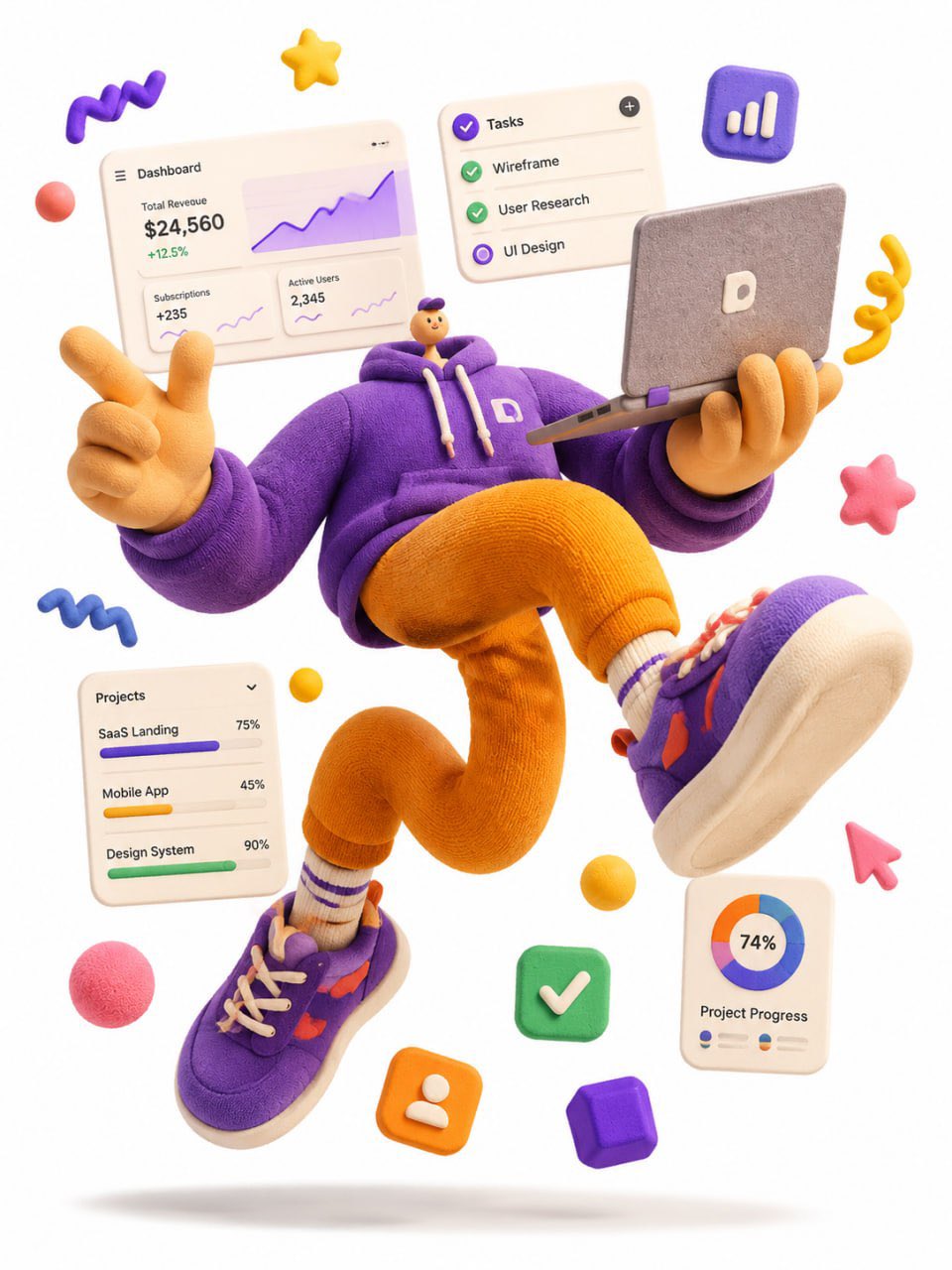
- The important layer is usually interface density, card hierarchy, and how the screen tells the story before you read small text.
- This case keeps 2 media outputs, which makes it easier to check whether the style remains stable across multiple results.
How The Prompt Is Structured
- The prompt reads as a long, highly specified prompt, which is useful when you want to judge how much specificity this direction needs.
- Its keyword cluster is centered on Cinematic, Fashion, UI, so you can usually keep that cluster while swapping subject, camera, layout, or copy details.
- A practical rewrite path is: keep the outcome, keep the strongest style cues, then replace only the subject and environment blocks.
Good Follow-up Questions
- What changes first if you keep Cinematic, Fashion, UI but switch the subject matter?
- Which part of the result comes from section-level structure (UI & Social Screens) versus tag-level style cues?
- Which related cases in the same section give you a cleaner or more extreme variation of the same direction?
Full Prompt
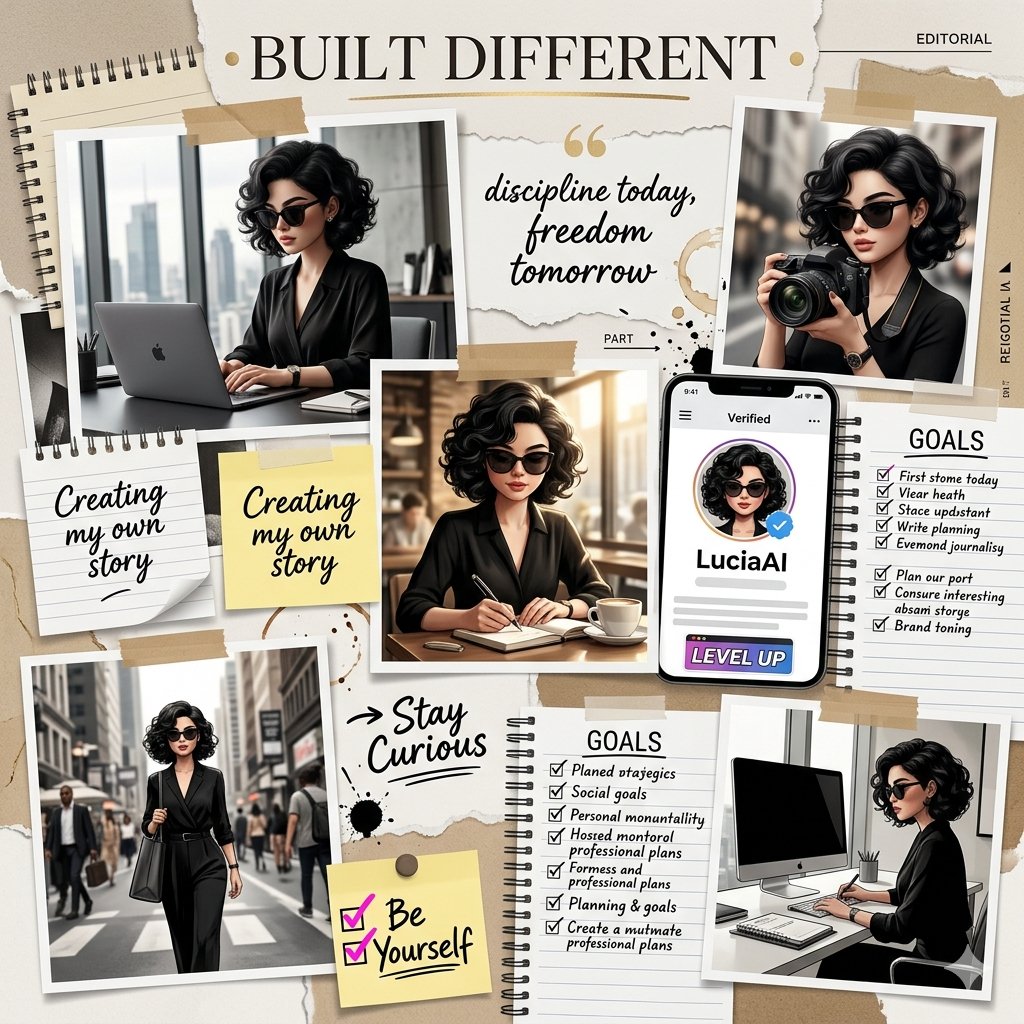
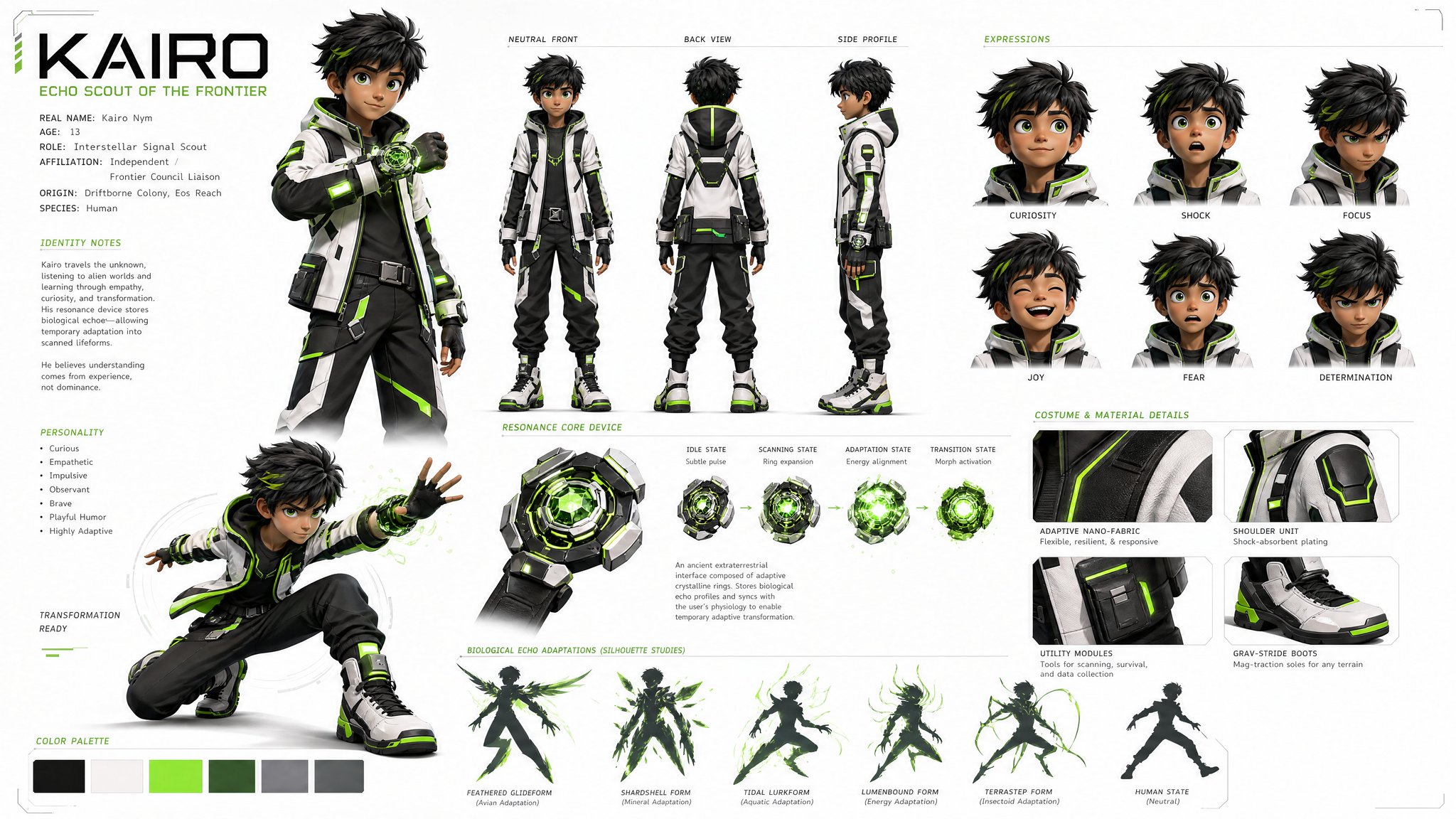
Create a fully original, copyright-safe luxury identity board. This is a completely blank, universal template designed for users to insert their own character, symbol, brand, or concept. No predefined product, subject, or identity should be assumed. Present as a cinematic 16:9 IDENTITY BOARD. [CONCEPT SEED] A high-end abstract luxury identity system designed to visually present any user-defined character, symbol, brand, or idea. The composition represents a curated visual identity framework where meaning is fully defined by the user. The design should feel premium, editorial, and adaptable to any concept. [SUBJECT TYPE / FORM] Not predefined. User may insert: character, symbol, object, idea, entity, or abstract identity. [VISUAL MEDIUM] ultra-realistic cinematic concept art rendering, luxury editorial design, high-detail material simulation, soft studio lighting, premium identity-board composition, clean graphic layout, 16:9 aspect ratio [STYLE] luxury editorial aesthetic, modern high-fashion presentation, minimalist premium branding, cinematic concept visualization, refined visual storytelling, soft structured elegance, adaptable identity design language [OTHER DETAILS – OPTIONAL] All visual elements should be designed as modular identity components that can adapt to any user-provided concept. The subject can be interpreted as: a character (human, non-human, fictional, or abstract) a symbolic identity system a conceptual object or artifact a brand identity or creative universe element Nothing is fixed — everything is open for user customization. Color Palette (FULLY ADAPTABLE): Default direction: soft luxury neutral spectrum — ivory, cream, warm beige, muted gold, soft blush, subtle champagne highlights. Users may replace or redefine this palette completely based on their concept. No fixed thematic constraint. Design Language: sculptural and/or conceptual central form (user-defined meaning) high-end material realism (glass, metal, fabric, organic or abstract surfaces depending on concept) refined gradients and controlled highlights elegant structural balance between visual elements minimal but premium composition language No predefined symbolism or recognizable object references. Mood / Personality: fully user-defined Can range from calm minimalism to chaotic maximalism, from soft emotional tone to intense futuristic identity systems, depending entirely on inserted concept Silhouette Language: strong, readable central form with iconic visual structure potential, adaptable geometry or organic shaping depending on user input, designed for instant recognition and identity flexibility Invent Everything Else (USER INPUT REQUIRED) Users define: central concept / identity meaning or narrative symbolic language visual motifs emotional tone material direction branding or character essence composition focus points Originality Rules The design must be fully original and must not reference any existing product, franchise, or recognizable intellectual property. Avoid: predefined characters or brand references real-world product replication copied advertising layouts or known design systems recognizable symbol duplication from existing media Medium and Style Control [VISUAL MEDIUM] defines rendering quality and realism level [STYLE] defines aesthetic direction only This is a universal identity framework, not a fixed subject Create an Artistic 16:9 UNIVERSAL IDENTITY BOARD Board Content Central hero visual area (user-defined subject) Multiple angle or interpretation views (if applicable) Material / texture study panels Symbol or form breakdown area Abstract mood visualization zones Structural or silhouette exploration sheet Light interaction / surface behavior studies Color palette strip (fully customizable) Minimal identity notes section (user-defined text space) Layout premium editorial composition, asymmetrical but balanced luxury design, strong negative space, clean segmentation of modules, high-end visual hierarchy, no clutter, no overlap, flexible structure Background soft neutral studio gradient by default (ivory, cream, warm gray tones). Fully replaceable depending on user concept. No environment, no watermark, no logos, no predefined thematic setting. Prioritize maximum adaptability, luxury editorial presentation, strong silhouette readability, high-end cinematic rendering, modular identity system design, and complete user-driven creative freedom.