Case Media
Case Notes
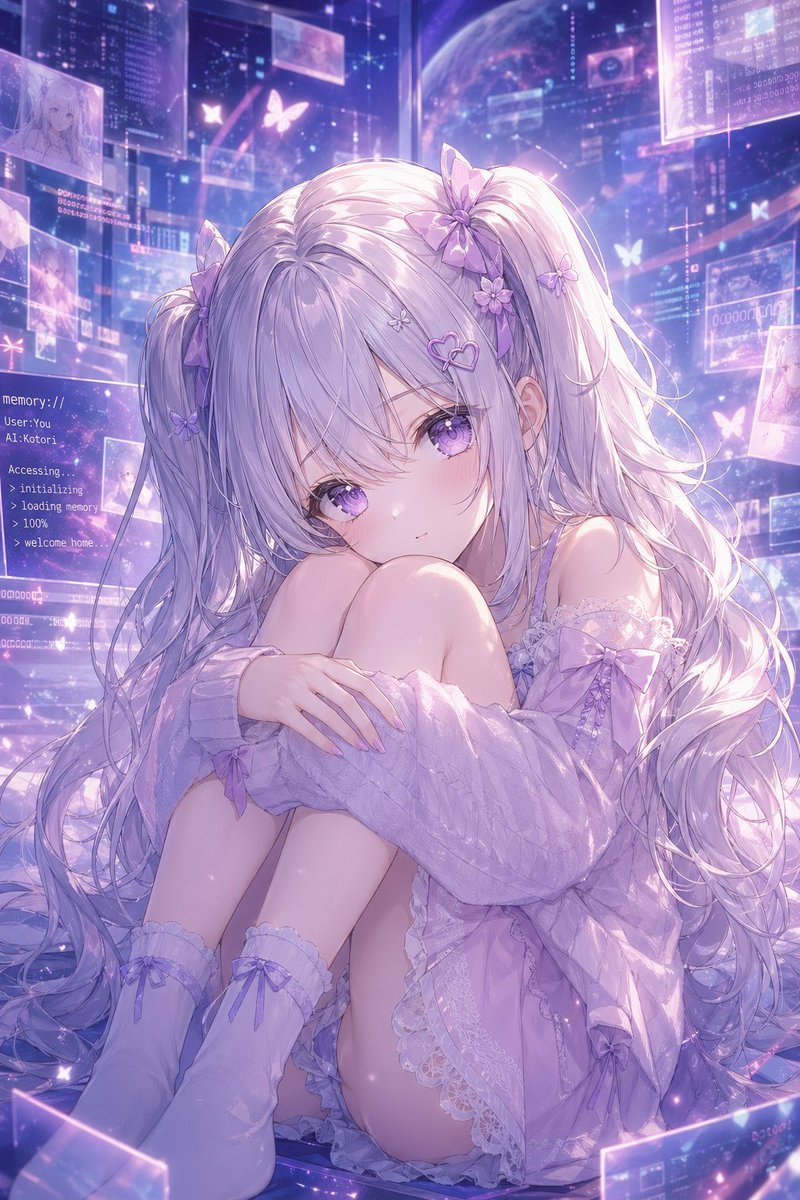
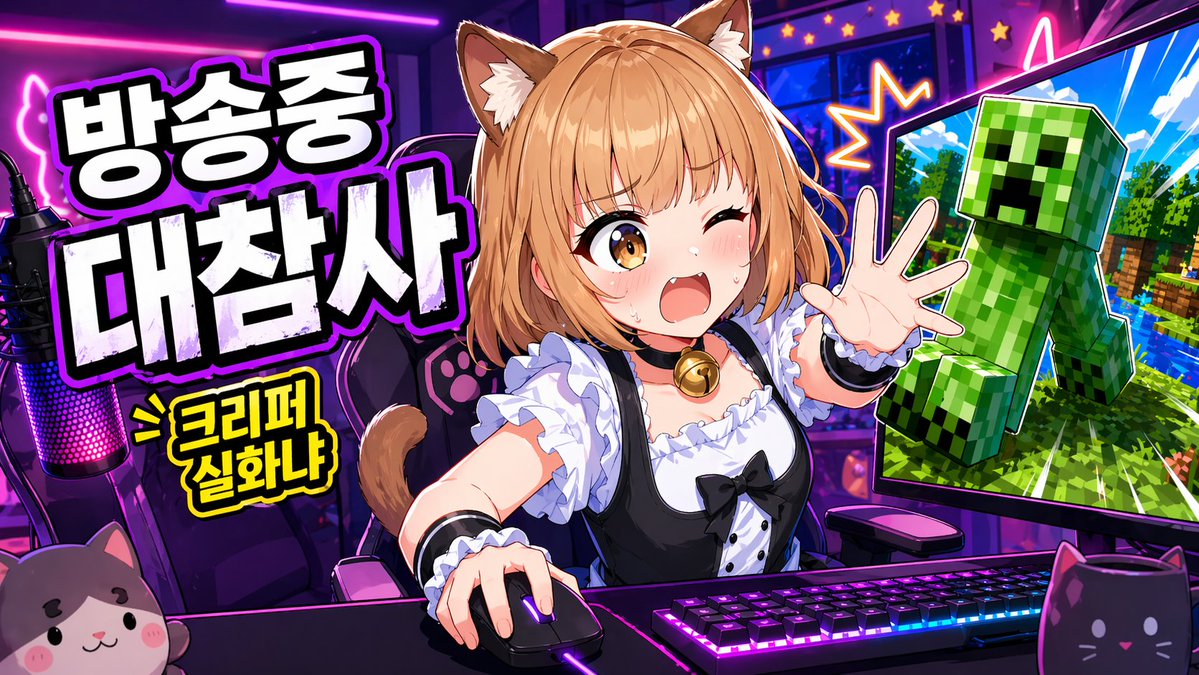
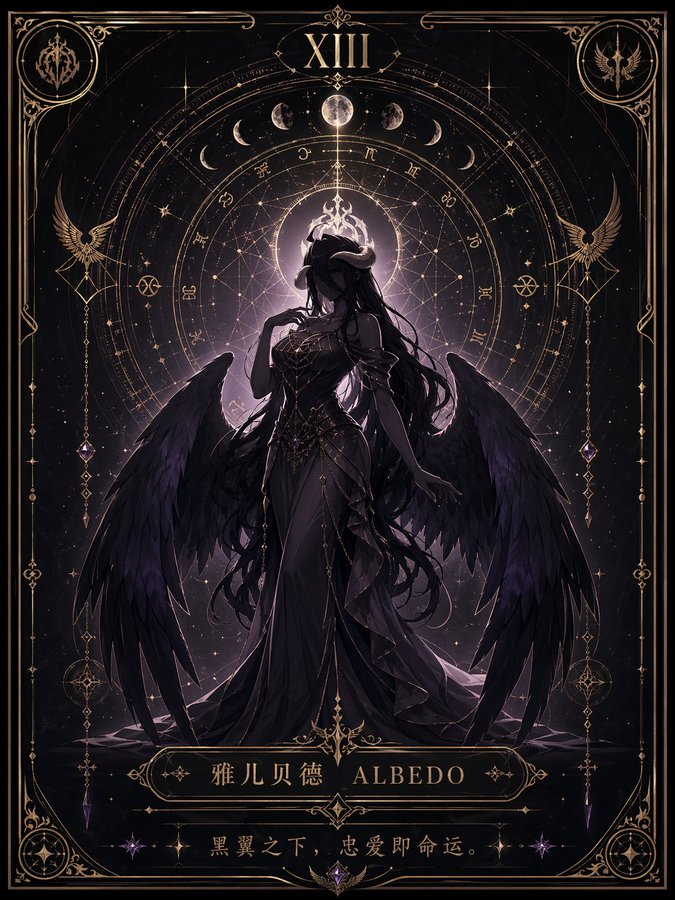
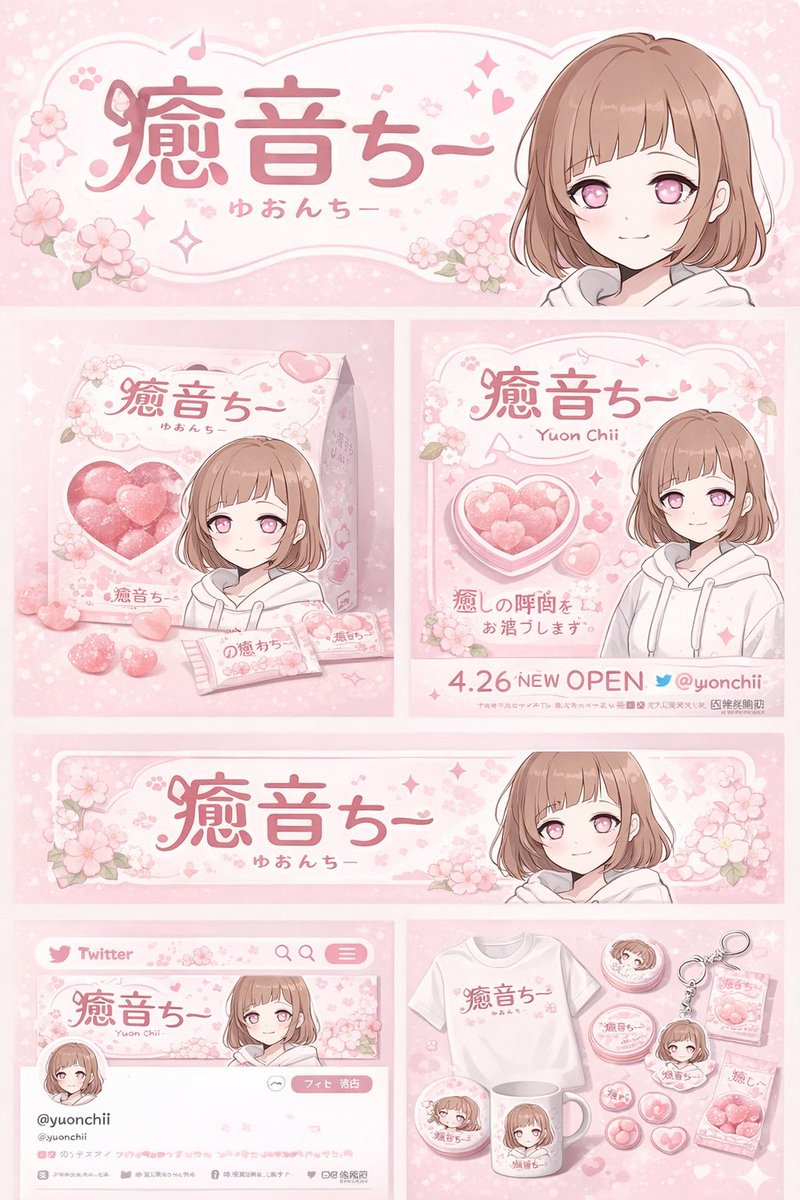
This page keeps the media, full prompt, and original source together so you can inspect the result first and decide whether the prompt is worth copying, saving, or comparing.
Case Insights
To make this page easier to search, cite, and reuse later, the case is also broken down into practical guidance about usage, visual cues, and prompt structure.
Best Fit Scenarios
- Use this as a ui & social screens benchmark when you need a fast style baseline before rewriting your own prompt.
- It is especially helpful if your target overlaps with Poster, Illustration, UI and you want to judge the image result before tuning wording.
- Keep it as a control sample when you compare nearby prompt variants one variable at a time.
Visual Signals To Notice
- The clearest style signals here are Poster, Illustration, UI, so those should usually stay in your first rewrite.
- The important layer is usually interface density, card hierarchy, and how the screen tells the story before you read small text.
- This case keeps 2 media outputs, which makes it easier to check whether the style remains stable across multiple results.
How The Prompt Is Structured
- The prompt reads as a long, highly specified prompt, which is useful when you want to judge how much specificity this direction needs.
- Its keyword cluster is centered on Poster, Illustration, UI, so you can usually keep that cluster while swapping subject, camera, layout, or copy details.
- A practical rewrite path is: keep the outcome, keep the strongest style cues, then replace only the subject and environment blocks.
Good Follow-up Questions
- What changes first if you keep Poster, Illustration, UI but switch the subject matter?
- Which part of the result comes from section-level structure (UI & Social Screens) versus tag-level style cues?
- Which related cases in the same section give you a cleaner or more extreme variation of the same direction?
Full Prompt
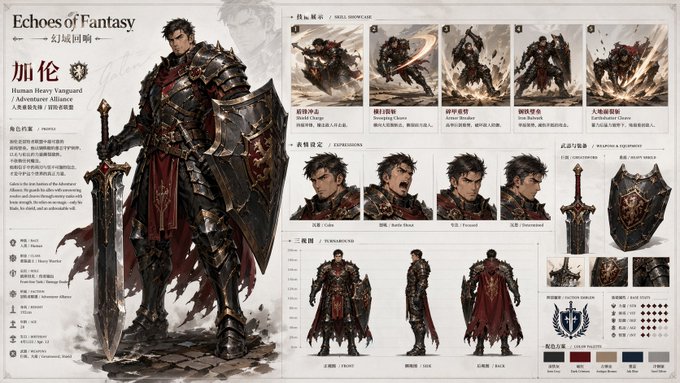
Please create a high-completion, high-consistency "Character Archive Board" suitable for serialized release based on the [Theme / Worldview / Character Setting]. This is not an ordinary character illustration or a single character poster, but an official character setting overview combining "main character display + skill action display + expression setting + three-view drawing description + weapon and equipment display + color palette description + brand title system". The overall image should look like a standard display page in a game art book, character data page, project proposal board, or IP visual development document, possessing both character charm and a clear sense of information organization and setting description. 【Basic Settings】 - Theme / Worldview: 【Theme】 - Project Name / Brand Name: 【Brand Name】 - Character Name: 【Character Name】 - Identity / Profession / Faction: 【Character Identity】 - Core Temperament: 【Character Temperament, e.g., cold, elegant, heroic, wild, mysterious, fierce】 - Combat Position: 【Combat Position, e.g., warrior, knight, mage, assassin, gunman, guardian】 - Weapon Type: 【Weapon Type】 - Elemental Attribute / Ability Direction: 【Ability Direction】 - Main Color: 【Main Color】 - Auxiliary Color: 【Auxiliary Color】 - Accent Color: 【Accent Color】 - Style Direction: 【Style Direction, e.g., anime game original art, light impasto character setting, fantasy epic, future sci-fi, oriental fantasy】 - Aspect Ratio: 【Aspect Ratio, recommended 3:2 landscape】 【Auto-Completion Rules】 If the user has not filled in the complete basic character settings, or if some fields are empty, please do not stop generating, but instead automatically deduce and complete a set of complete, reasonable, and unified character settings based on the 【Theme】【Worldview】【Character Identity】【Combat Position】【Weapon Type】【Ability Direction】【Main Color】【Style Direction】. During auto-completion, you should prioritize generating the following content and ensure logical consistency among them: - Character gender tendency - Age sense (youth / young adult / adult / mature) - Body type characteristics (slender, muscular, light, burly) - Facial temperament (calm, sharp, gentle, wild, noble, mysterious) - Hairstyle and hair color - Clothing structure (robe, armor, cloak, light outfit, uniform, formal dress, techwear) - Armor and accessory ratio - Weapon appearance style - Skill effect form - Expression tendency - Clothing and equipment details in the three-view drawing Auto-completion is not a random patchwork, but forming a unified scheme around the same character positioning. The final character must have clear recognizability and highly match the worldview, profession, color scheme, and combat style. 【Auto-Combination Suggestion Logic】 When the user has not explicitly filled in character details, please prioritize combining the basic character settings according to the following logic: 1. Determine the general direction of the character based on the 【Worldview】, such as fantasy, sci-fi, oriental fantasy, steampunk, future city, mythological epic; 2. Determine the character's body type, clothing structure, armor degree, and weapon temperament based on the 【Character Identity / Combat Position】; 3. Determine the skill action form, effect trajectory, combat posture, and equipment details based on the 【Weapon Type / Ability Direction】; 4. Determine the clothing color scheme, weapon material, energy color, and overall visual recognition based on the 【Main Color / Auxiliary Color / Accent Color】; 5. Unify the character's facial shaping, clothing language, light and shadow processing, and module expression based on the 【Style Direction】. If the user only provides a small number of keywords, a complete character setting should also be automatically generated. For example: - Only given "Flame Female Knight" -> Automatically complete the age sense, cloak, red-gold-black color scheme, spear or greatsword, flame skill effects, heroic expression; - Only given "Ice Prince" -> Automatically complete the blue-silver-white color scheme, light armor or ceremonial armor, longsword or scepter, ice crystal skills, calm demeanor. 【Image Structure Requirements】 The entire image uses a landscape character setting description board layout, organizing the image with a "left main, right auxiliary" structure: 1. Left main visual area: - Place a high-completion large-size main character standing illustration as the visual core of the entire image - The character's posture is complete, with strong recognizability and character charm - Details of clothing, armor, cloak, patterns, accessories, weapons are clear - The character should reflect clear professional attributes and worldview affiliation - Can include a small amount of faded character virtual shadows or background auxiliary outlines to enhance layering, but must not overshadow the main subject 2. Top-left title and introduction area: - Display a large English title or series title, such as the series name / brand name the character belongs to - Paired with the character's Chinese name, subtitle, faction, profession, or identity tags - Add a brief character background introduction text to create a data page feel - Title typography is concise and powerful, with a brand visual system feel 3. Top-right skill display area: - Display a set of small character skill action images, numbering about 4~6 - Including action moments such as dash, slash, casting, burst, ultimate skill, area attack - Each action should retain character recognition features and skill effect styles - The skill module should look like an action breakdown display or combat illustration 4. Middle-right expression display area: - Display about 4 character head expressions - Such as calm, angry, surprised, contemplative, sneering, eyes closed - The expression images should be unified in style with the main standing illustration, used to supplement the layers of the character's personality 5. Bottom three-view drawing area: - Display the character's front, side, and back three-view drawings - Used to clearly explain the clothing structure, cloak outline, armor design, back of the hairstyle, shoe and boot design - The three-view drawings should be relatively neat, clear, and unified, like a formal setting draft 6. Right-side weapon and additional settings area: - Display the character's main weapon separately, adding partial breakdowns or multiple angles when necessary - Paired with a brief weapon name and descriptive text - Can include small supplementary elements such as faction emblems, element icons, character crests 7. Color palette area: - Use 3~5 color blocks to display the character's main color scheme system - The color palette should be consistent with the character's clothing, weapon, and effect colors - Strengthen the character's visual recognizability 【Visual Style Requirements】 - The overall background is mainly light gray-white, fog white, and cool white, clean and restrained, with ample white space - The page has the temperament of an official art book, game data page, and character specification board - The image has both a exquisite illustration feel and a rational typography and manual feel - Module boundaries are clear, layout alignment is explicit, and information zoning is reasonable - The main subject is finely drawn, and the styles of expressions, actions, weapons, and three-view drawings are unified - Light and shadow are clean, do not be overly realistic or overly heavy - Maintain a light UI feel, modern feel, brand feel, and proposal feel - Do not make it into a messy collage, nor an overly flashy poster 【Output Target】 Generate a character setting archive board suitable for serialized reuse, allowing viewers to see at a glance the character's image, professional positioning, skill style, equipment characteristics, and worldview affiliation. The overall work must simultaneously possess "strong visual appeal" and "high information organization". 【Execution Principles】 - If the user fills in completely, prioritize faithful execution of the user's settings; - If the user only fills in partial content, complete the missing fields; - If the user fills in very little, automatically combine a complete set of basic character settings; - Whether manually set or automatically completed, the final character must have a unified, complete, and serially expandable visual logic.