Case Media
Case Notes
This page keeps the media, full prompt, and original source together so you can inspect the result first and decide whether the prompt is worth copying, saving, or comparing.
Case Insights
To make this page easier to search, cite, and reuse later, the case is also broken down into practical guidance about usage, visual cues, and prompt structure.
Best Fit Scenarios
- Use this as a poster & illustration benchmark when you need a fast style baseline before rewriting your own prompt.
- It is especially helpful if your target overlaps with Poster, Illustration, Typography and you want to judge the image result before tuning wording.
- Keep it as a control sample when you compare nearby prompt variants one variable at a time.
Visual Signals To Notice
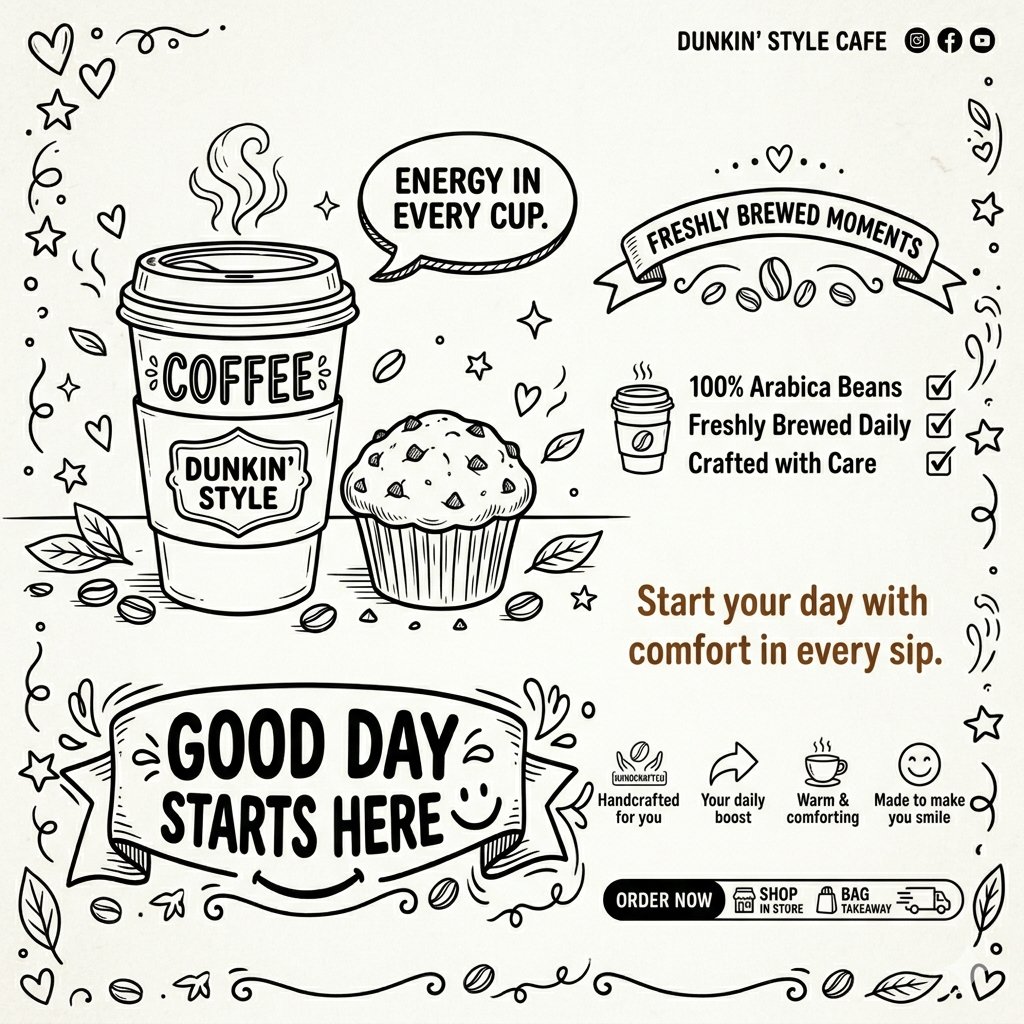
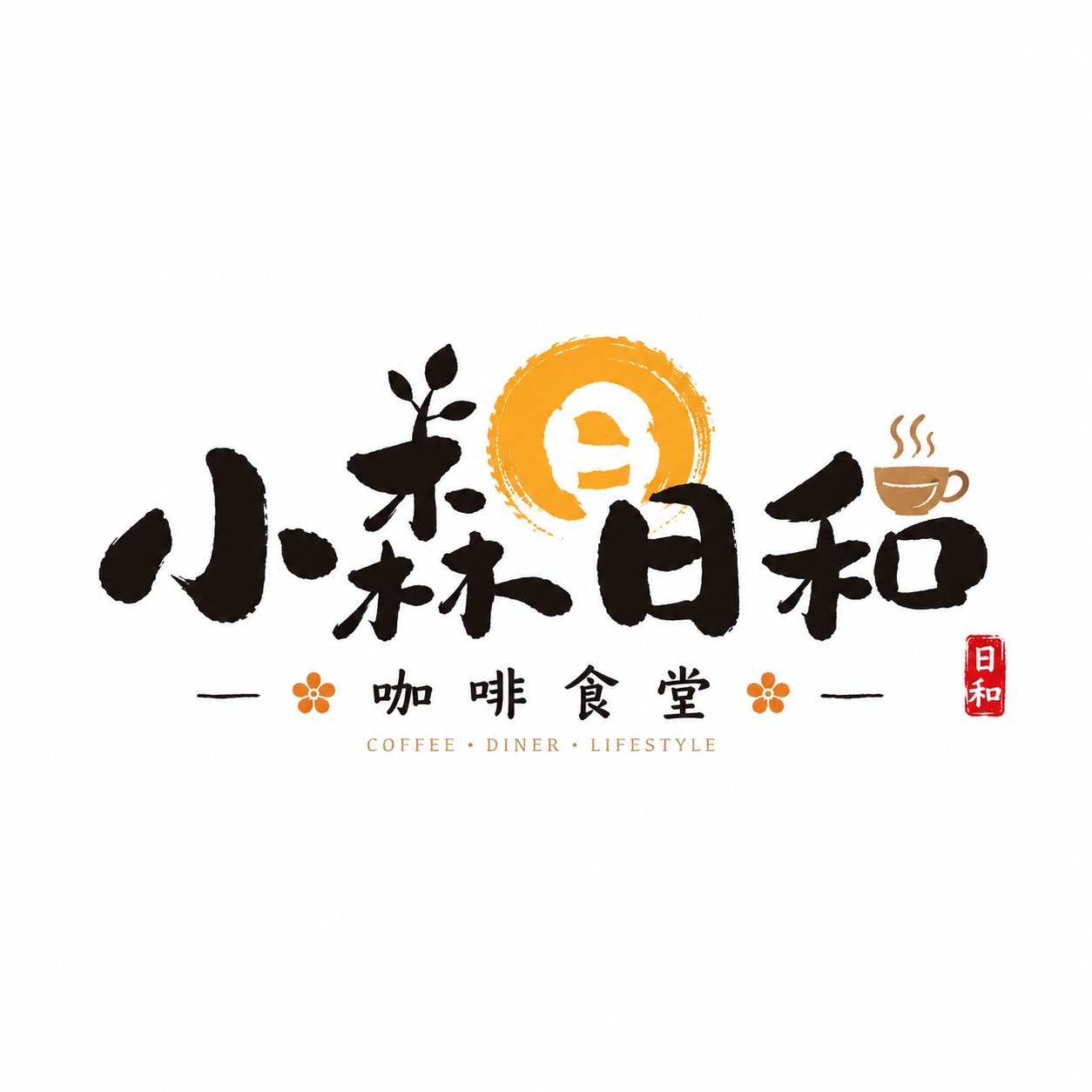
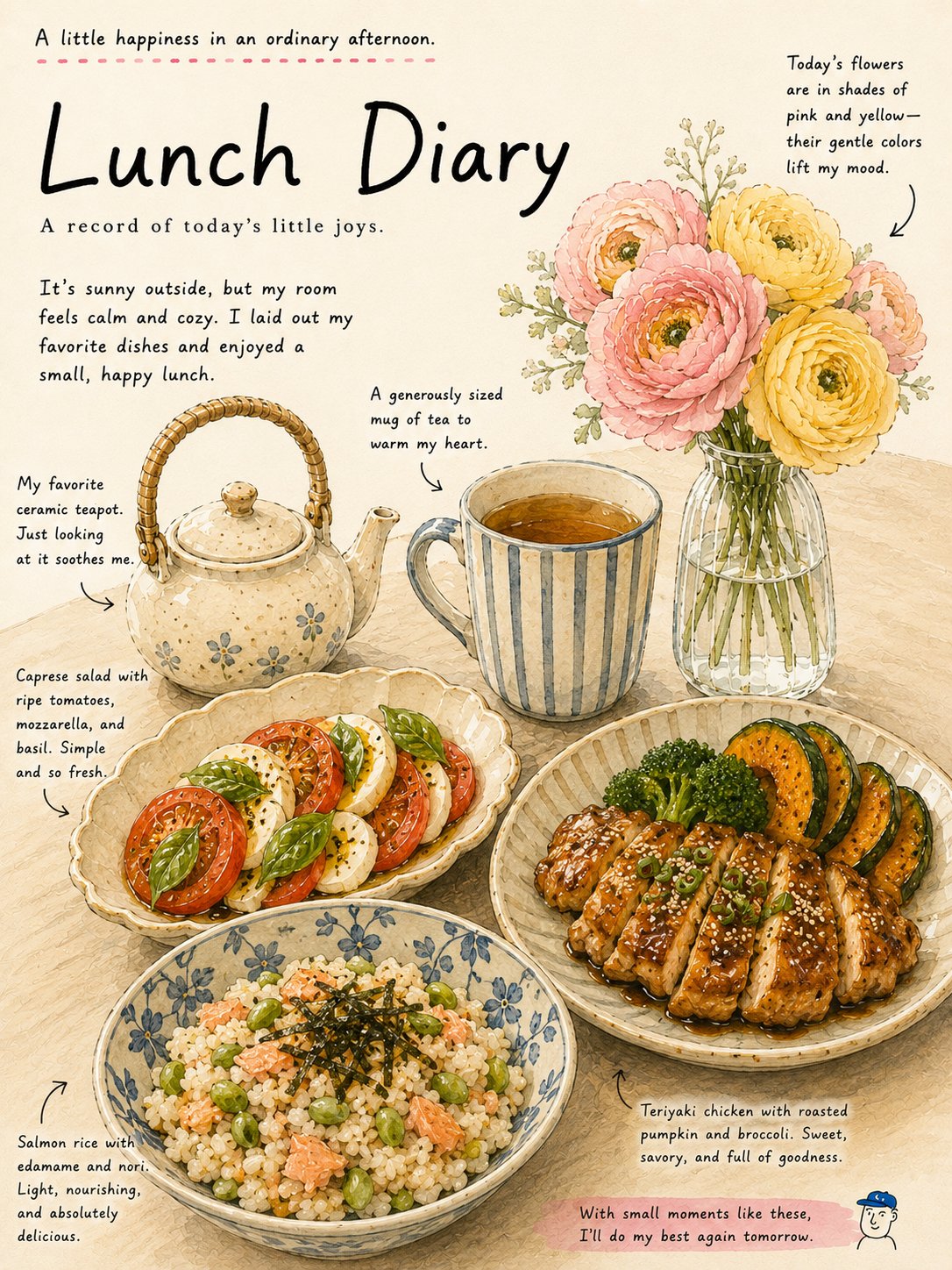
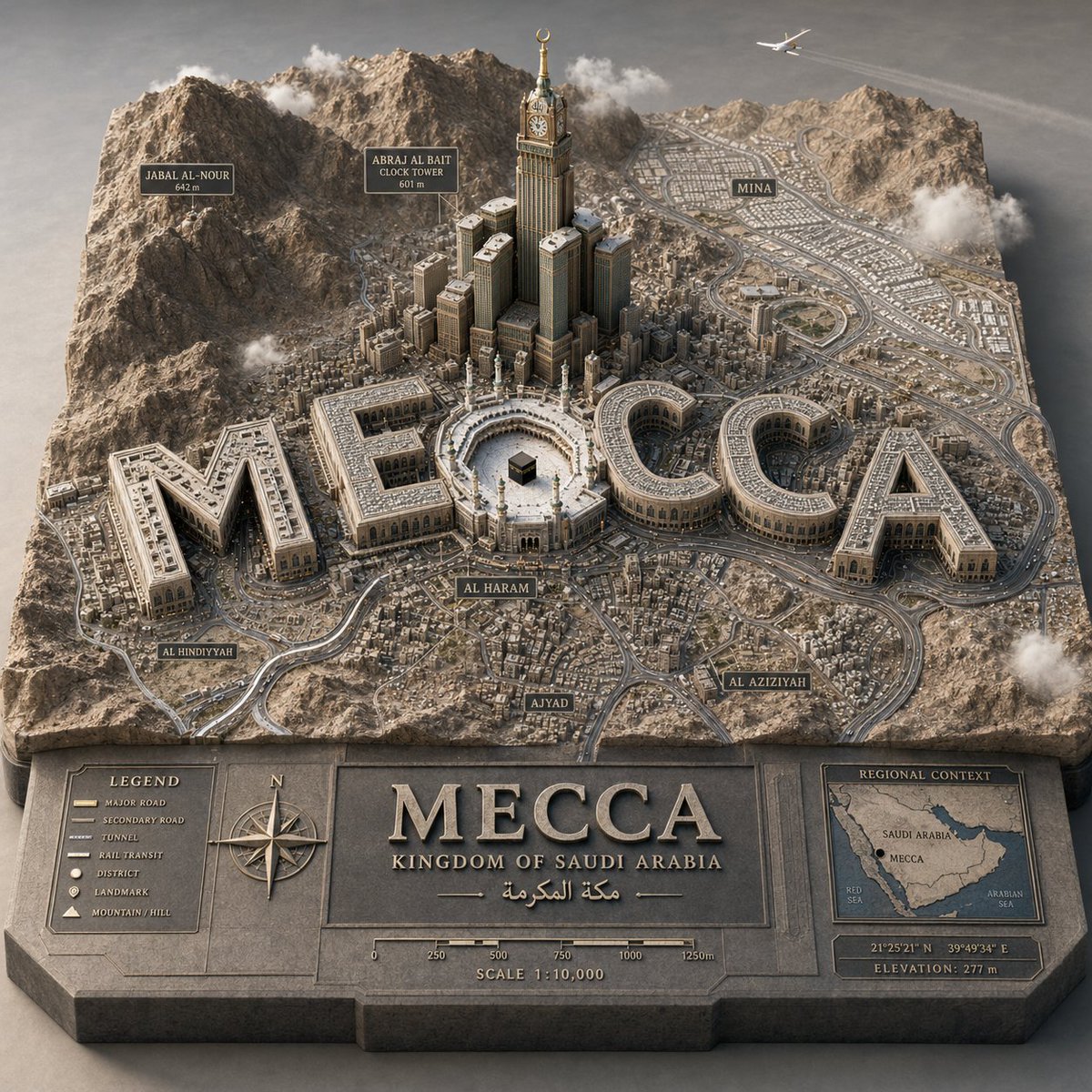
- The clearest style signals here are Poster, Illustration, Typography, so those should usually stay in your first rewrite.
- Pay close attention to layout rhythm, headline hierarchy, illustration texture, and how information is staged in the frame.
- This case keeps one primary output, so the first image should be treated as the main visual reference.
How The Prompt Is Structured
- The prompt reads as a medium-detail prompt with clear visual constraints, which is useful when you want to judge how much specificity this direction needs.
- Its keyword cluster is centered on Poster, Illustration, Typography, so you can usually keep that cluster while swapping subject, camera, layout, or copy details.
- A practical rewrite path is: keep the outcome, keep the strongest style cues, then replace only the subject and environment blocks.
Good Follow-up Questions
- What changes first if you keep Poster, Illustration, Typography but switch the subject matter?
- Which part of the result comes from section-level structure (Poster & Illustration) versus tag-level style cues?
- Which related cases in the same section give you a cleaner or more extreme variation of the same direction?
Full Prompt
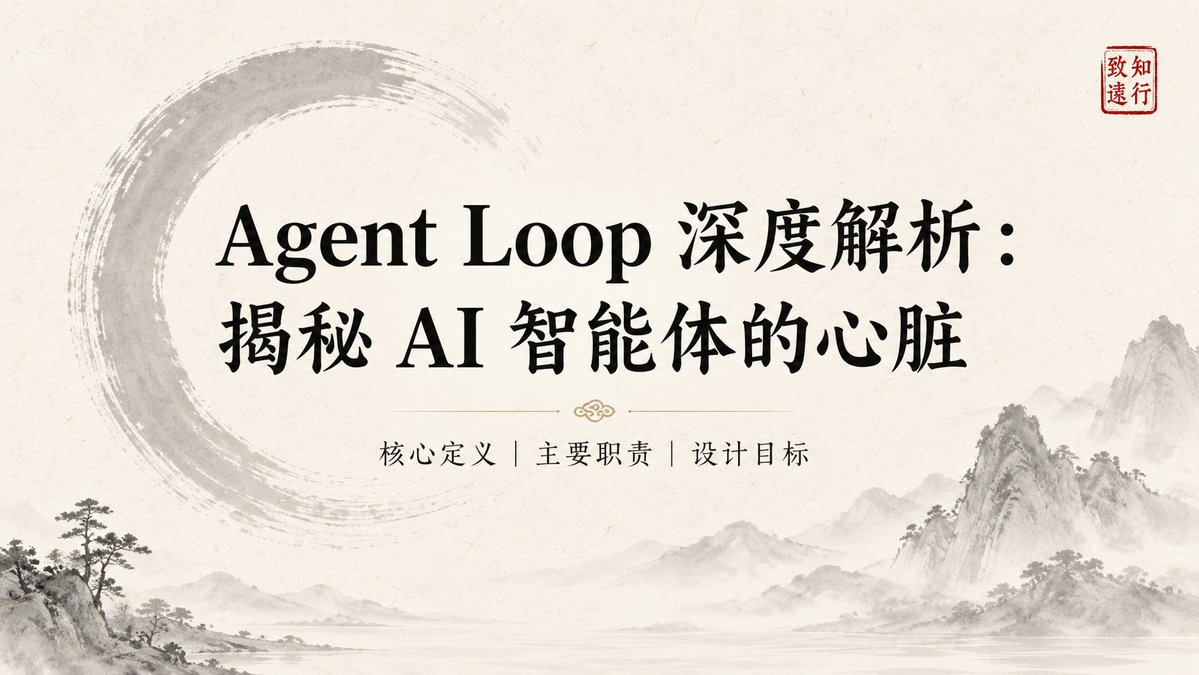
Title: [在此输入幻灯片标题] Key Points: - [要点 1:简洁的描述] - [要点 2:核心数据或事实] - [要点 3:关键结论] Visual Elements: [描述视觉元素,例如:纹理宣纸背景 (Textured rice paper background)、水墨山水 (Ink-wash motifs)、 简约的圆圈 (Enso circle)、红色印章 (Red seal mark)、雾气效果 (Mist-grey effects)]。 整体风格应保持 [Quiet / Restrained / Wabi-Sabi / Contemporary East-Asian Luxury]。 Layout Preference: [布局说明,例如:左右分割 (Split layout)、居中对齐 (Centered layout)、 文字居左且右侧留白 (Left-aligned text with negative space)]。 Text Hierarchy: [文字层级,例如:标题使用大号衬线字体 (Large Display Serif),正文使用易读的衬线字体 (Body Serif), 确保视觉平衡和清晰的阅读顺序]。 Continuity Note: [延续性说明,例如:保持与前一页相同的背景纹理和色调 (#F5F0E8, #2C3E2D), 使用相似的印章位置以维持视觉一致性]。 ----- 示例 ------ Title: Agent Loop 深度解析: 揭秘 AI 智能体的心脏. Key Points: 核心定义、主要职责、设计目标。 Visual Elements: 大号优雅标题,背景为宣纸纹理,带有淡淡的水墨山水和圆圈笔触,角落处有红色小印章。 Layout: 干净的布局,大量留白(Open Sky)。 Text Hierarchy: 标题最为突出,下方是较小的正文。