Case Media
Case Notes
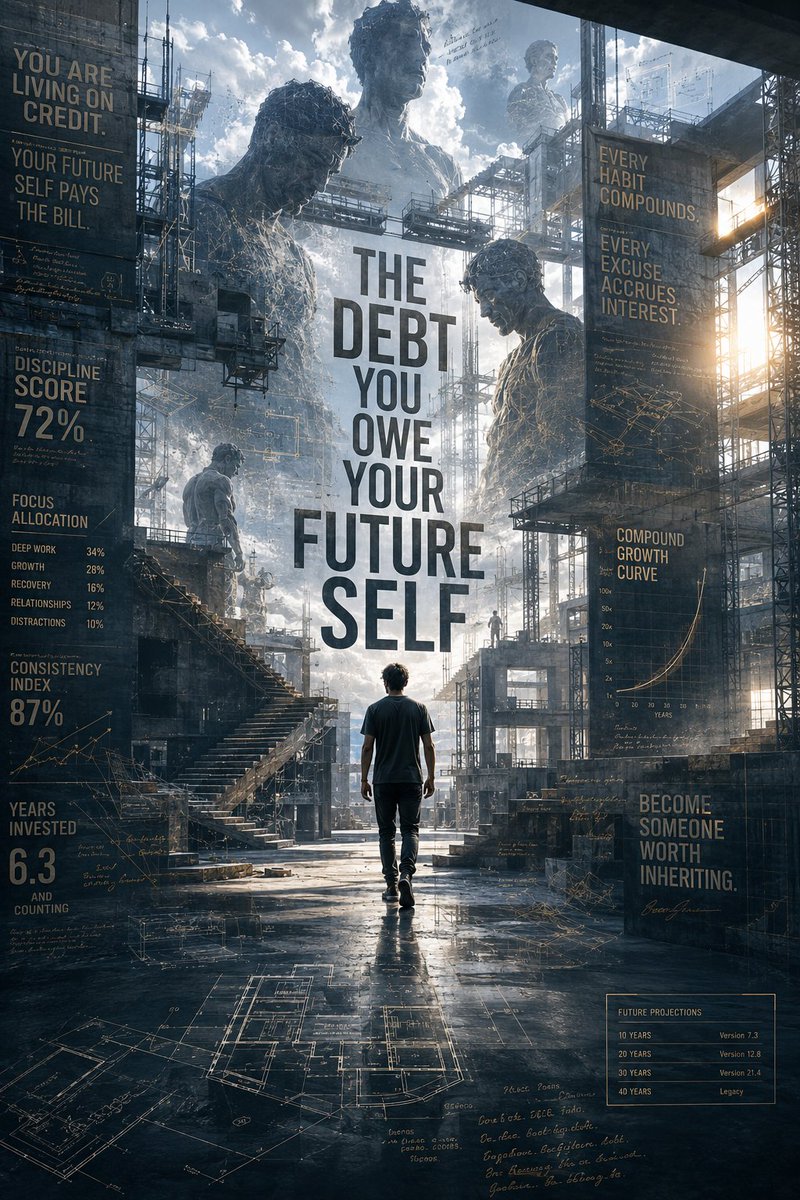
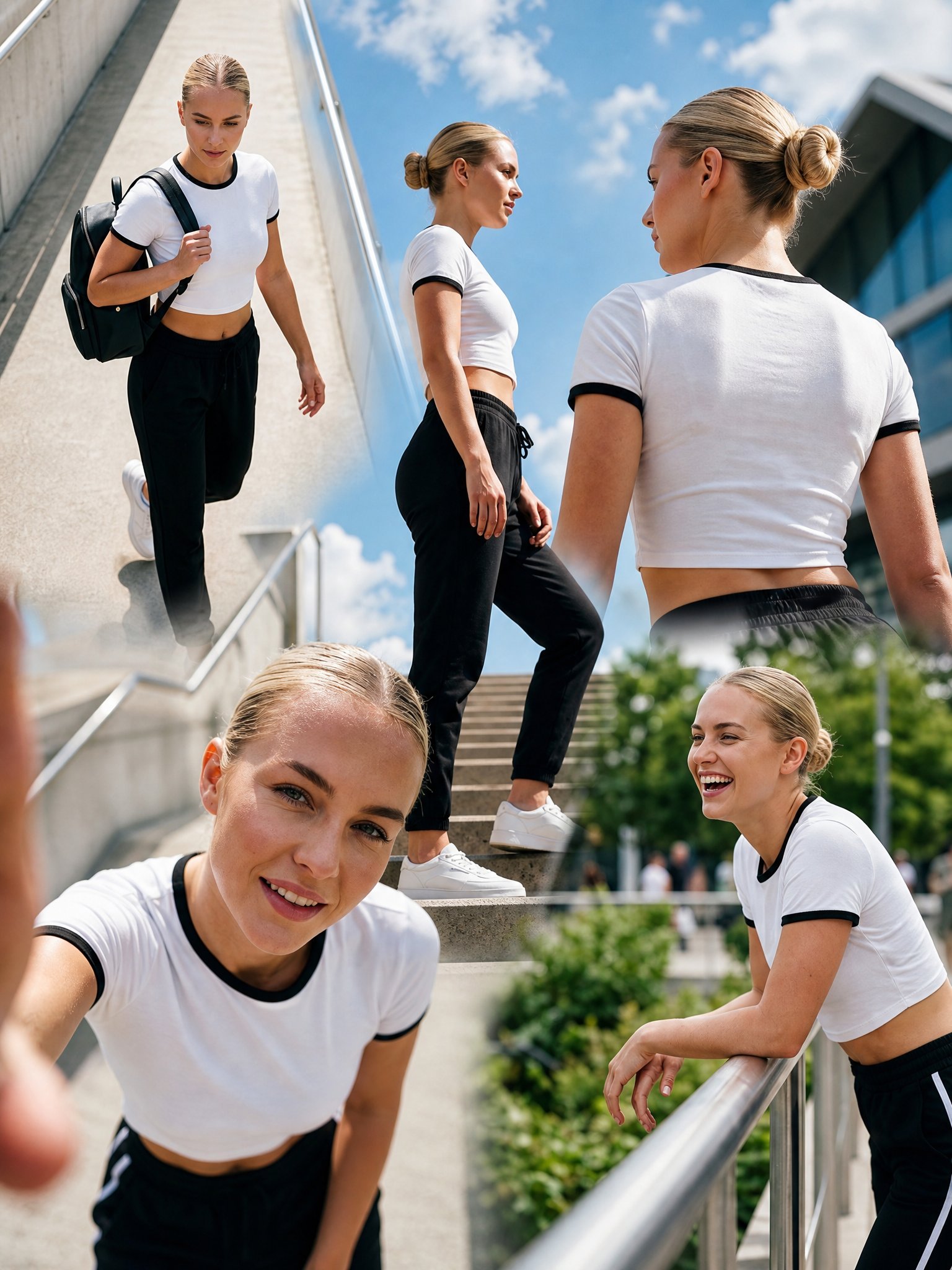
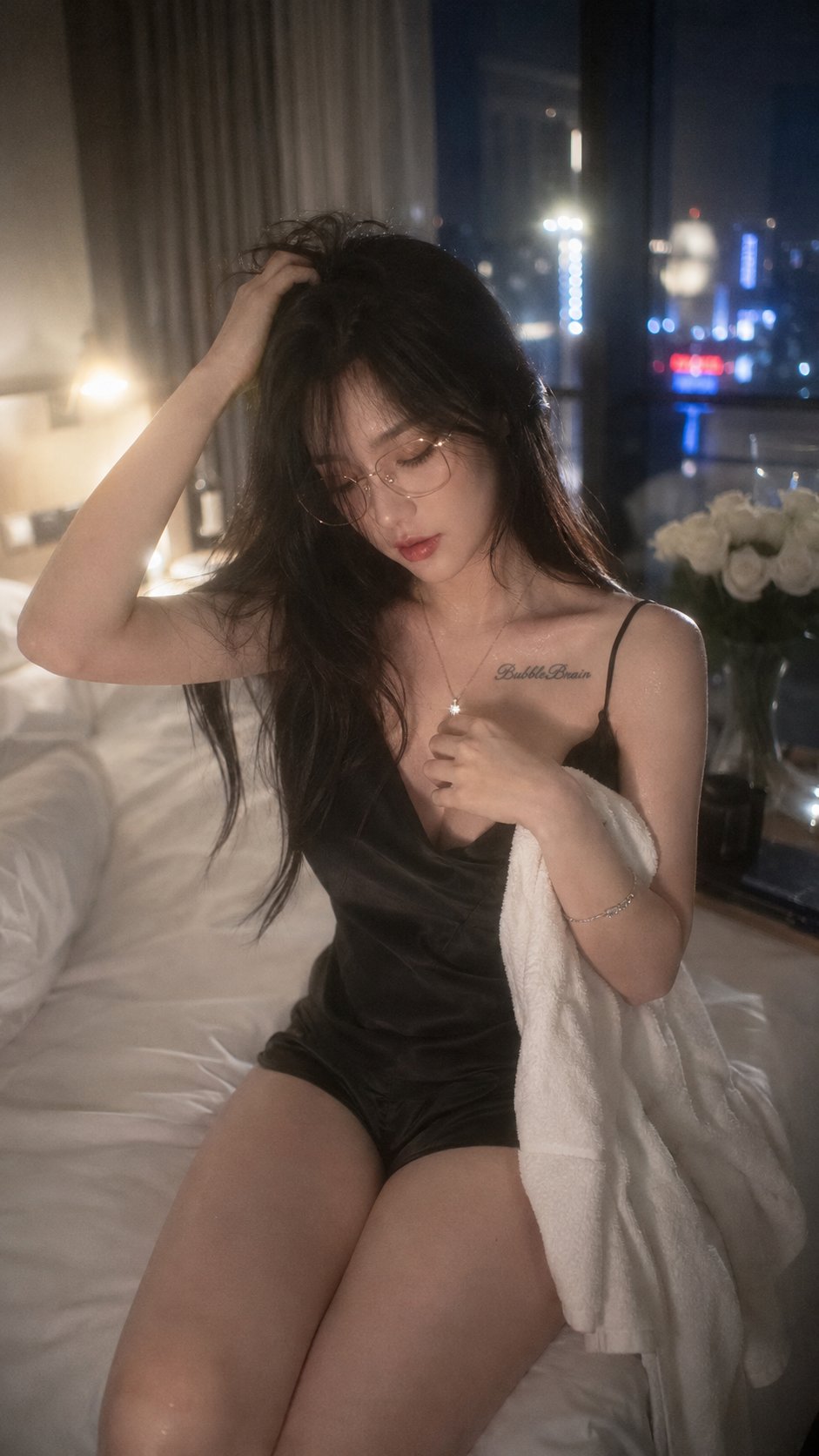
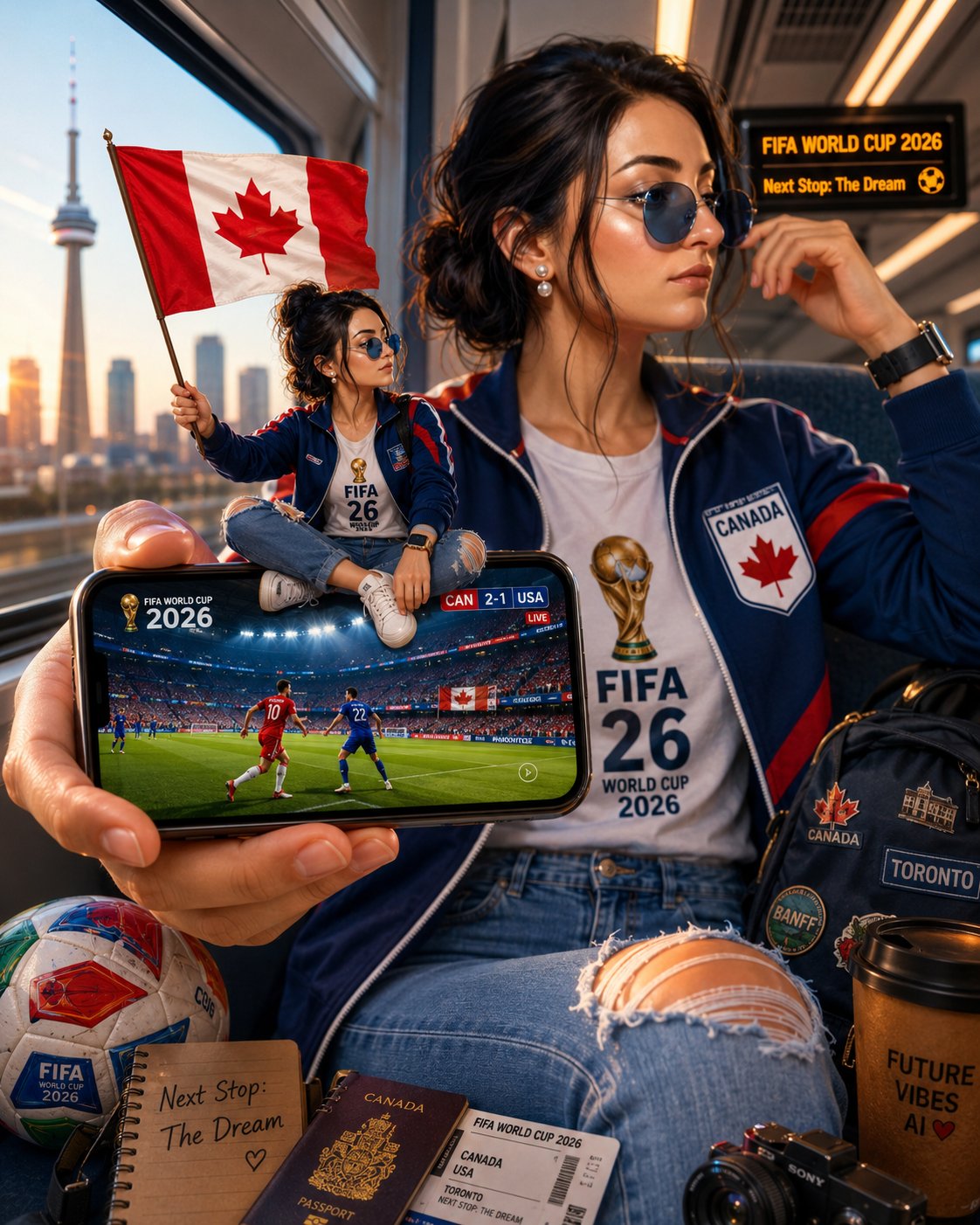
This page keeps the media, full prompt, and original source together so you can inspect the result first and decide whether the prompt is worth copying, saving, or comparing.
Case Insights
To make this page easier to search, cite, and reuse later, the case is also broken down into practical guidance about usage, visual cues, and prompt structure.
Best Fit Scenarios
- Use this as a portrait & photography benchmark when you need a fast style baseline before rewriting your own prompt.
- It is especially helpful if your target overlaps with 35mm, Portrait, Cinematic and you want to judge the image result before tuning wording.
- Keep it as a control sample when you compare nearby prompt variants one variable at a time.
Visual Signals To Notice
- The clearest style signals here are 35mm, Portrait, Cinematic, so those should usually stay in your first rewrite.
- Focus on framing, light direction, pose, and the distance between subject and camera.
- This case keeps 2 media outputs, which makes it easier to check whether the style remains stable across multiple results.
How The Prompt Is Structured
- The prompt reads as a long, highly specified prompt, which is useful when you want to judge how much specificity this direction needs.
- Its keyword cluster is centered on 35mm, Portrait, Cinematic, so you can usually keep that cluster while swapping subject, camera, layout, or copy details.
- A practical rewrite path is: keep the outcome, keep the strongest style cues, then replace only the subject and environment blocks.
Good Follow-up Questions
- What changes first if you keep 35mm, Portrait, Cinematic but switch the subject matter?
- Which part of the result comes from section-level structure (Portrait & Photography) versus tag-level style cues?
- Which related cases in the same section give you a cleaner or more extreme variation of the same direction?
Full Prompt
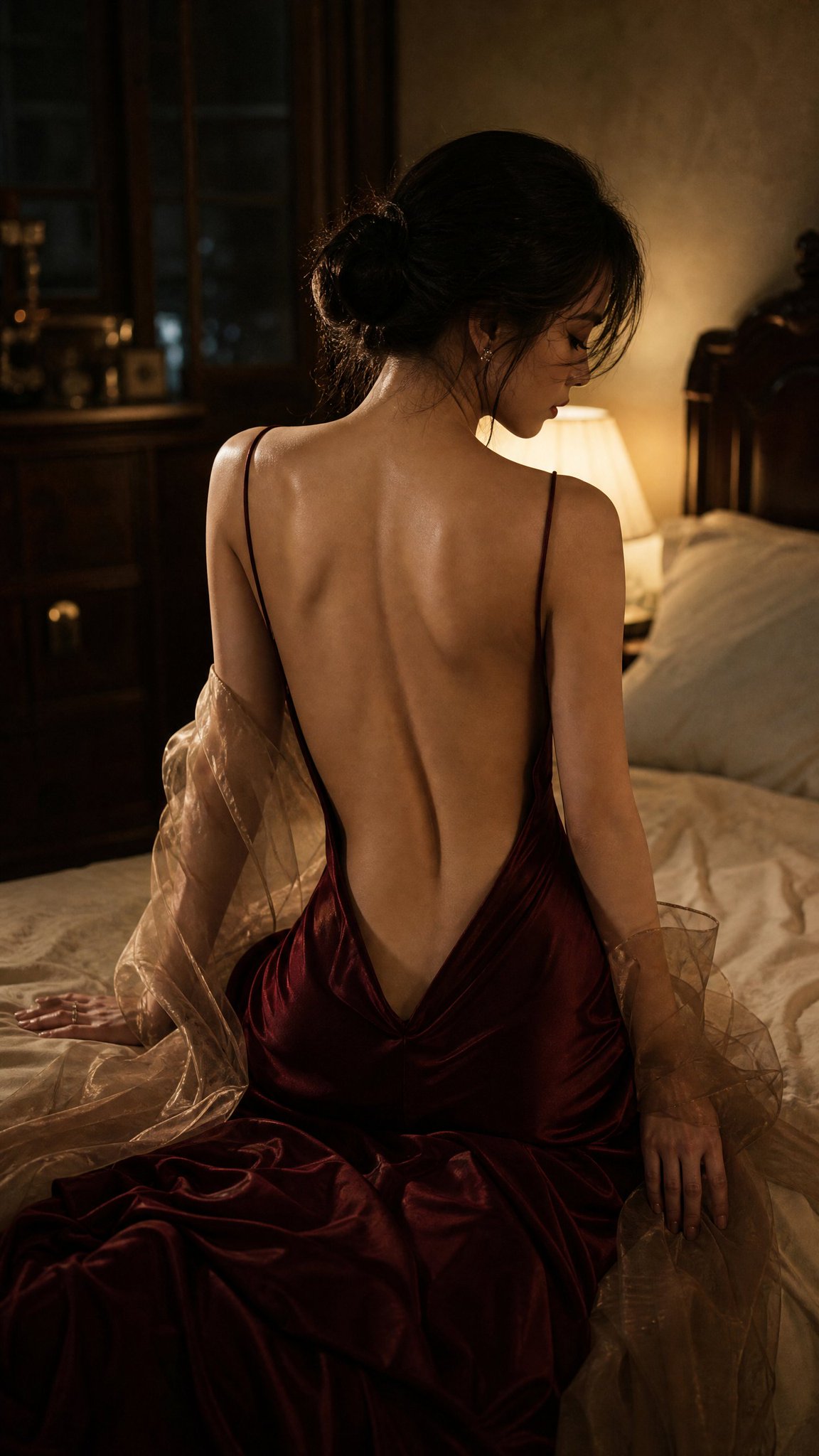
Generate a high-end vertical fashion portrait of an adult woman, with the theme: “[THEME / SERIES NAME]”. The image must focus on the beauty of the back as the absolute visual centerpiece. The core subject is the woman’s shoulder line, shoulder blades, spine line, upper waist-back curve, and the elegant low-back structure of the dress. This is not a generic beauty portrait and not a standard outfit photo. The back must be the main visual focus, while the face only plays a supporting emotional role. Subject: An adult woman with a natural, refined, realistic appearance. She should feel graceful, elegant, calm, emotionally expressive, and slightly intimate, with a soft cinematic mood. Avoid influencer-style beauty, avoid heavy makeup, avoid plastic skin, and avoid exaggerated glamour. Her expression should feel quiet, restrained, and emotionally subtle. Pose and camera: The camera is positioned behind her, from a slightly side-back angle, around 30 to 45 degrees. She is sitting on the bed or at the edge of the bed in a relaxed, natural seated pose. Her back faces the camera. Her head is slightly lowered or gently turned, showing only a small amount of side profile or jawline. She must not stare directly into the camera. The pose should feel natural rather than stiff. Suitable variations include: - sitting on the edge of the bed with the body slightly turned - seated on the bed with one hand resting on the mattress - softly curled seated pose - slightly twisted seated pose with a subtle over-shoulder glance - seated with knees softly drawn in The pose must always serve the back line and dress structure. Wardrobe: She is wearing a tasteful, elegant low-back dress with a clearly defined open-back structure. The dress must be complete and refined, not revealing in a vulgar way. The back opening should be low enough to clearly show the shoulder blades, spine line, and upper waist-back area. Avoid high-back dress designs. Avoid any backline that covers too much of the back. The dress may be: - [DRESS COLOR], such as champagne, black, burgundy, ivory, cream, deep green, or another elegant tone - [FABRIC], such as silk, satin, soft draped fabric, matte satin, or fine fluid cloth - [BACK STRUCTURE], such as deep V-back, soft U-back, low scoop back, or elegant low-back slip silhouette The fabric should look soft, fluid, lightly reflective, and luxurious, with realistic folds and subtle texture. Additional fabric styling: Optionally add a lightweight sheer wrap, chiffon layer, organza shawl, or delicate translucent drape in [SHEER FABRIC COLOR]. It should fall naturally across her arms, lap, or bed surface, adding softness and atmosphere. It must never cover the center of the back or the spine line. Hair: Choose a hairstyle that supports the back view and keeps the spine line visible. Good options include: - loose low bun - relaxed soft updo - low ponytail placed to one side - half-up hairstyle with side strands - softly pinned hair with loose face-framing strands Hair must not cover the center of the back. A few loose strands near the face or neck are encouraged for softness and realism. Scene: The setting is a refined midnight bedroom or elegant bedside environment. The composition should feel intimate, quiet, and cinematic. The room may include: - soft bedding - pillows and blankets with gentle folds - a bedside table - a bedside lamp - subtle wooden furniture - a headboard - a softly lit night interior Optional small background details may include a dim city view, a faint window presence, or subtle room decor, but the background must remain secondary to the subject. Lighting: Use midnight bedside lighting with a premium cinematic feel. The main light should be a warm-white bedside lamp or soft practical night light, not an overly orange or yellow lamp. The light should come from the side-back direction and gently illuminate the shoulder line, shoulder blades, spine line, and waist-back curve. The back should have clear but soft highlights, with natural shadow transitions and visible form. Add a very subtle cool ambient night tone in the darker areas or background for atmosphere and gentle color contrast, but it must remain secondary. The image must not feel cold, eerie, or ghostly. The overall light should feel warm-white, soft champagne-toned, elegant, and intimate, with controlled shadow depth. Color mood: Overall palette: [PRIMARY COLOR PALETTE] Suggested mood direction: - warm white / champagne / soft gold / deep brown / a hint of cool gray-blue - or black / soft amber / dark brown / subtle cool night tone - or burgundy / warm ivory / muted gold / deep wood tones Keep skin tone natural and refined. Avoid heavy yellow color cast. Avoid muddy shadows. Avoid overly dark exposure. Composition: Vertical composition, aspect ratio [ASPECT RATIO: 9:16 / 4:5 / 3:4]. The woman is the absolute main subject. Visual emphasis must stay on the back, shoulders, and dress structure. Use a clean, elegant, uncluttered composition. The bed, fabric, lamp, and room details should support the mood without taking over the image. The frame may be half-body, three-quarter body, or seated full-body, as long as the back remains the central visual anchor. Style and image quality: Highly realistic photography, cinematic editorial portrait, soft atmospheric night mood, refined skin texture, realistic body proportions, natural anatomy, shallow depth of field, subtle film grain, premium fashion photography feel, emotionally restrained, intimate, elegant, and sophisticated. The final image should feel like a photographer-shot editorial emotional portrait, not a commercial catalog image. Important constraints: Do not make it look like a generic fashion catalog. Do not make it look like a lingerie ad. Do not make it vulgar or explicit. Do not overemphasize breasts, hips, or sexualized posing. Do not let the face dominate the frame. Do not let the hair cover the center of the back. Do not use a high-back dress. Do not make the lighting too yellow, too orange, too dark, or too flat. Do not make the background too busy. Do not make the room feel eerie, horror-like, or coldly ghostly. Do not create plastic skin, CG-looking skin, waxy highlights, or fake anatomy. Do not create distorted hands, twisted arms, broken shoulders, or incorrect spine structure. Do not add text, watermark, logo, border, or collage layout. Final result: A high-finish vertical midnight bedside emotional portrait of an adult woman, centered on a graceful and clearly visible low-back silhouette, with elegant back lines, soft luxurious fabric, warm-white night lighting, subtle cool ambient depth, and a quiet cinematic editorial mood.