Case Media
Case Notes
This page keeps the media, full prompt, and original source together so you can inspect the result first and decide whether the prompt is worth copying, saving, or comparing.
Case Insights
To make this page easier to search, cite, and reuse later, the case is also broken down into practical guidance about usage, visual cues, and prompt structure.
Best Fit Scenarios
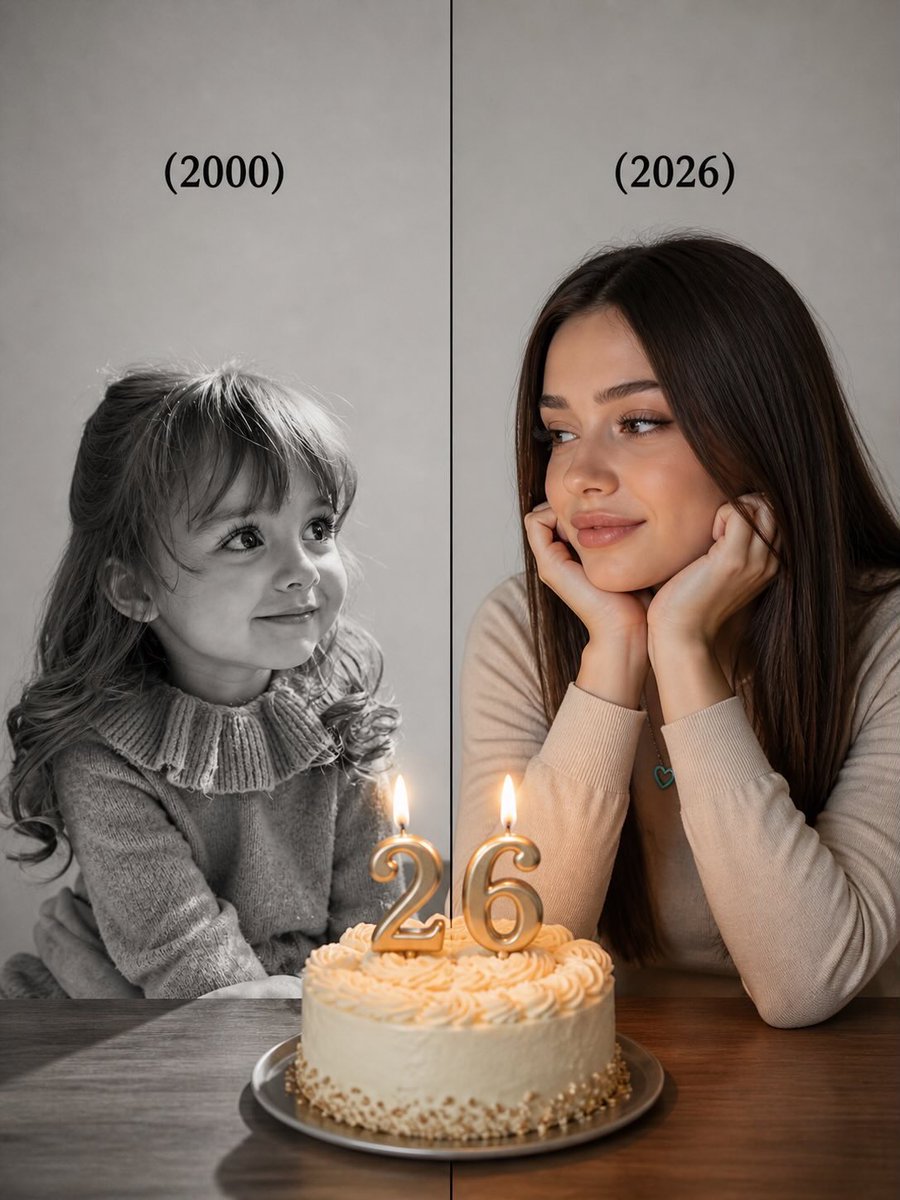
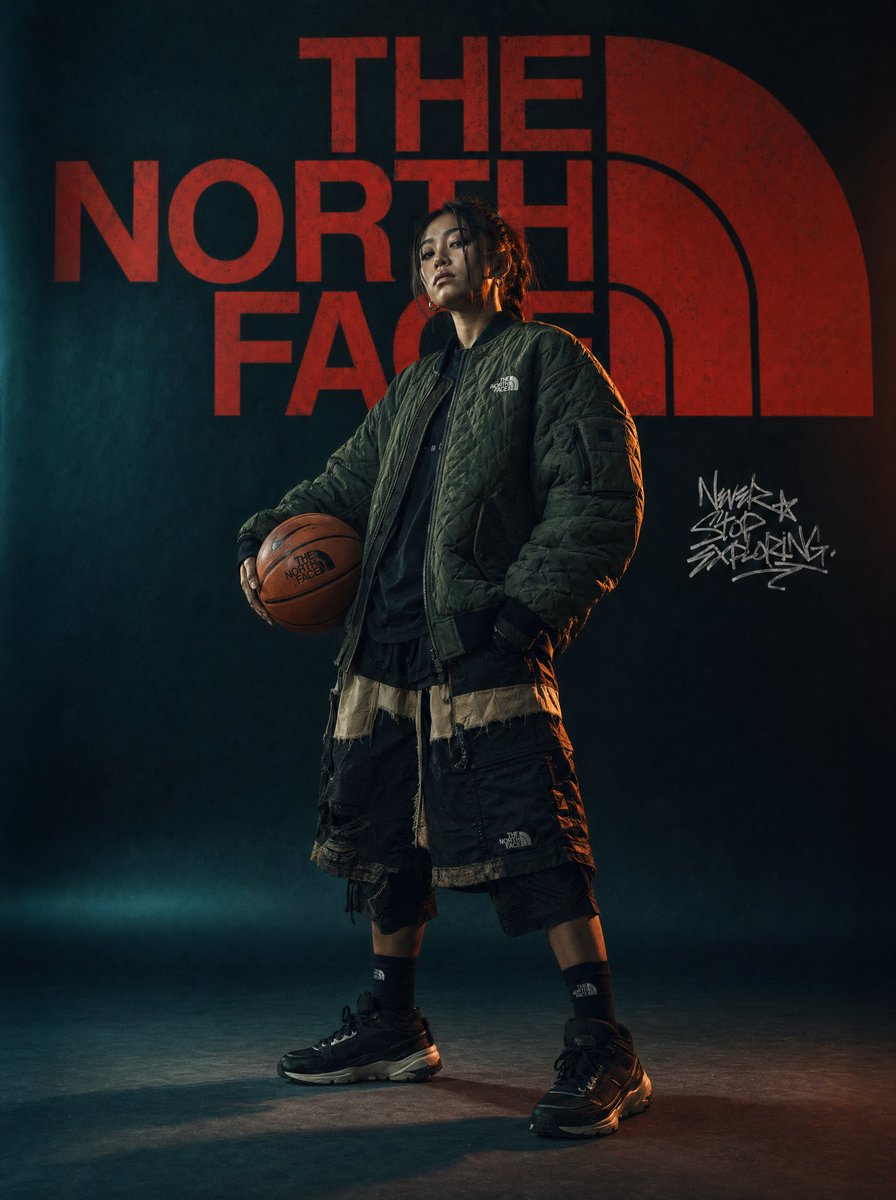
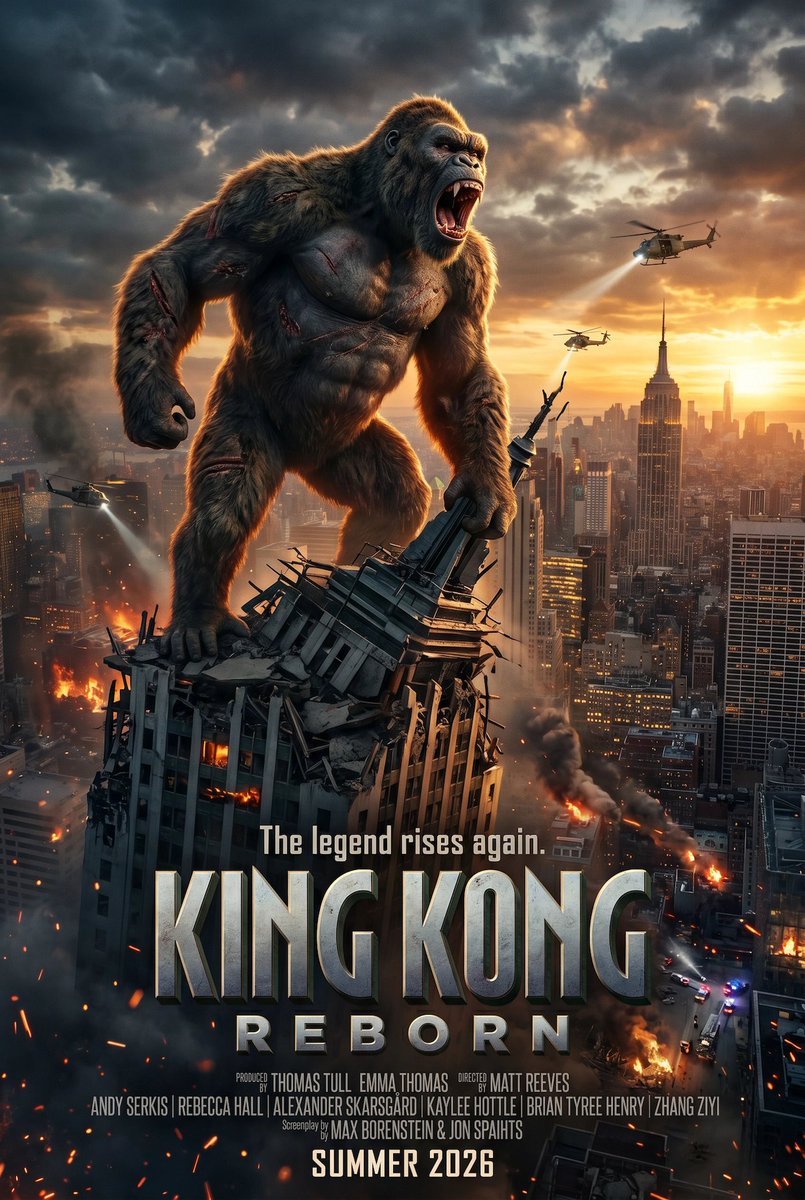
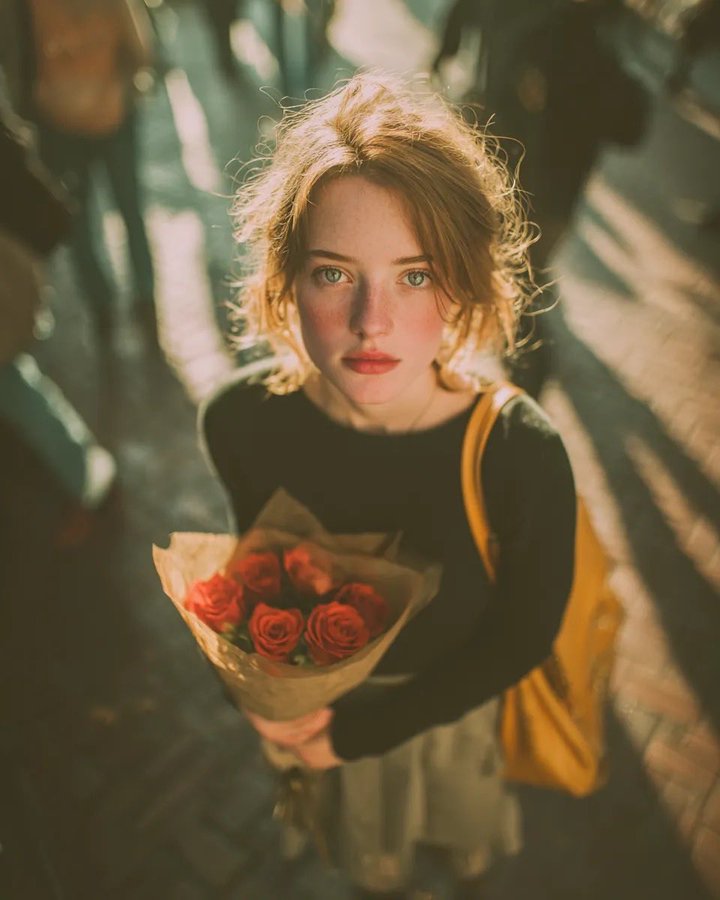
- Use this as a portrait & photography benchmark when you need a fast style baseline before rewriting your own prompt.
- It is especially helpful if your target overlaps with 35mm, Portrait, Cinematic and you want to judge the image result before tuning wording.
- Keep it as a control sample when you compare nearby prompt variants one variable at a time.
Visual Signals To Notice
- The clearest style signals here are 35mm, Portrait, Cinematic, so those should usually stay in your first rewrite.
- Focus on framing, light direction, pose, and the distance between subject and camera.
- This case keeps one primary output, so the first image should be treated as the main visual reference.
How The Prompt Is Structured
- The prompt reads as a medium-detail prompt with clear visual constraints, which is useful when you want to judge how much specificity this direction needs.
- Its keyword cluster is centered on 35mm, Portrait, Cinematic, so you can usually keep that cluster while swapping subject, camera, layout, or copy details.
- A practical rewrite path is: keep the outcome, keep the strongest style cues, then replace only the subject and environment blocks.
Good Follow-up Questions
- What changes first if you keep 35mm, Portrait, Cinematic but switch the subject matter?
- Which part of the result comes from section-level structure (Portrait & Photography) versus tag-level style cues?
- Which related cases in the same section give you a cleaner or more extreme variation of the same direction?
Full Prompt
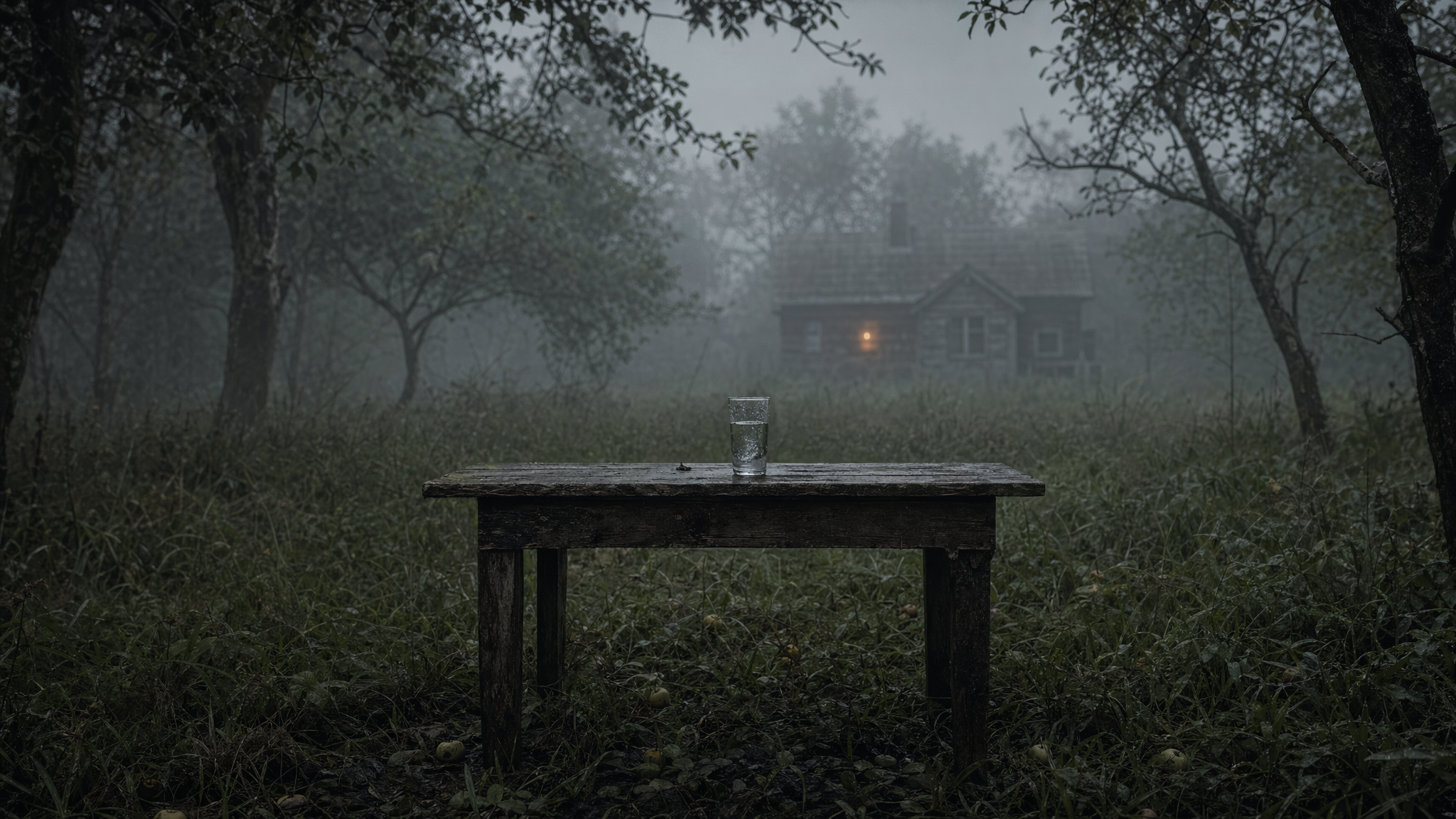
A contemplative, long-take cinematic frame in the lineage of Tarkovsky's slow cinema. A dense, silver mist clings to a neglected apple orchard at dawn. In the center, a simple wooden table with a single glass of water sits among the tall, wet grass. The colors are nearly monochromatic, dominated by 'Mossy Green', 'Cold Grey', and 'Damp Brown', with a single spark of amber from a distant lantern. The lighting is natural and melancholy, filtered through the thick fog and the canopy of trees. There is a profound sense of time passing, silence, and spiritual weight. The camera is static, with a slow, almost imperceptible zoom. The textures are tangible: the rot on the wood, the droplets of dew on the glass, the dampness of the air. The mood is philosophical, lonely, and deeply grounded in the natural world and the memory of a home.