Case Media
Case Notes
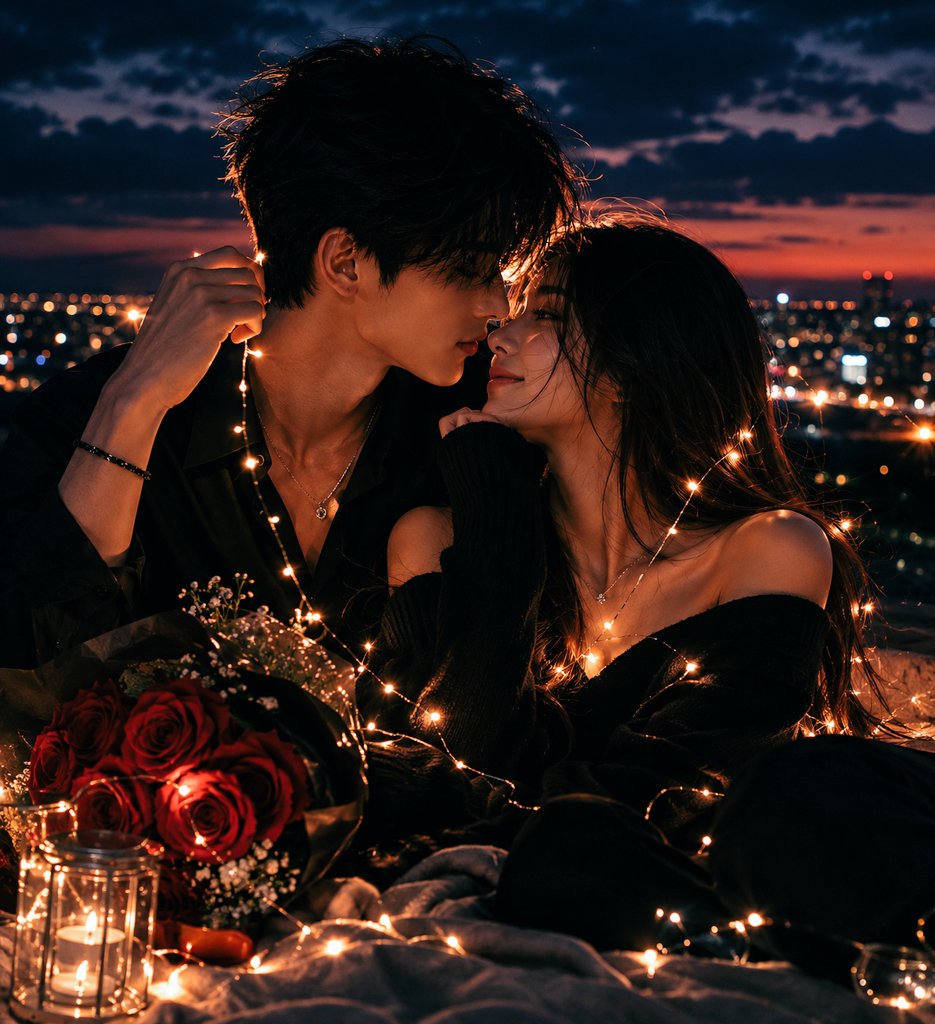
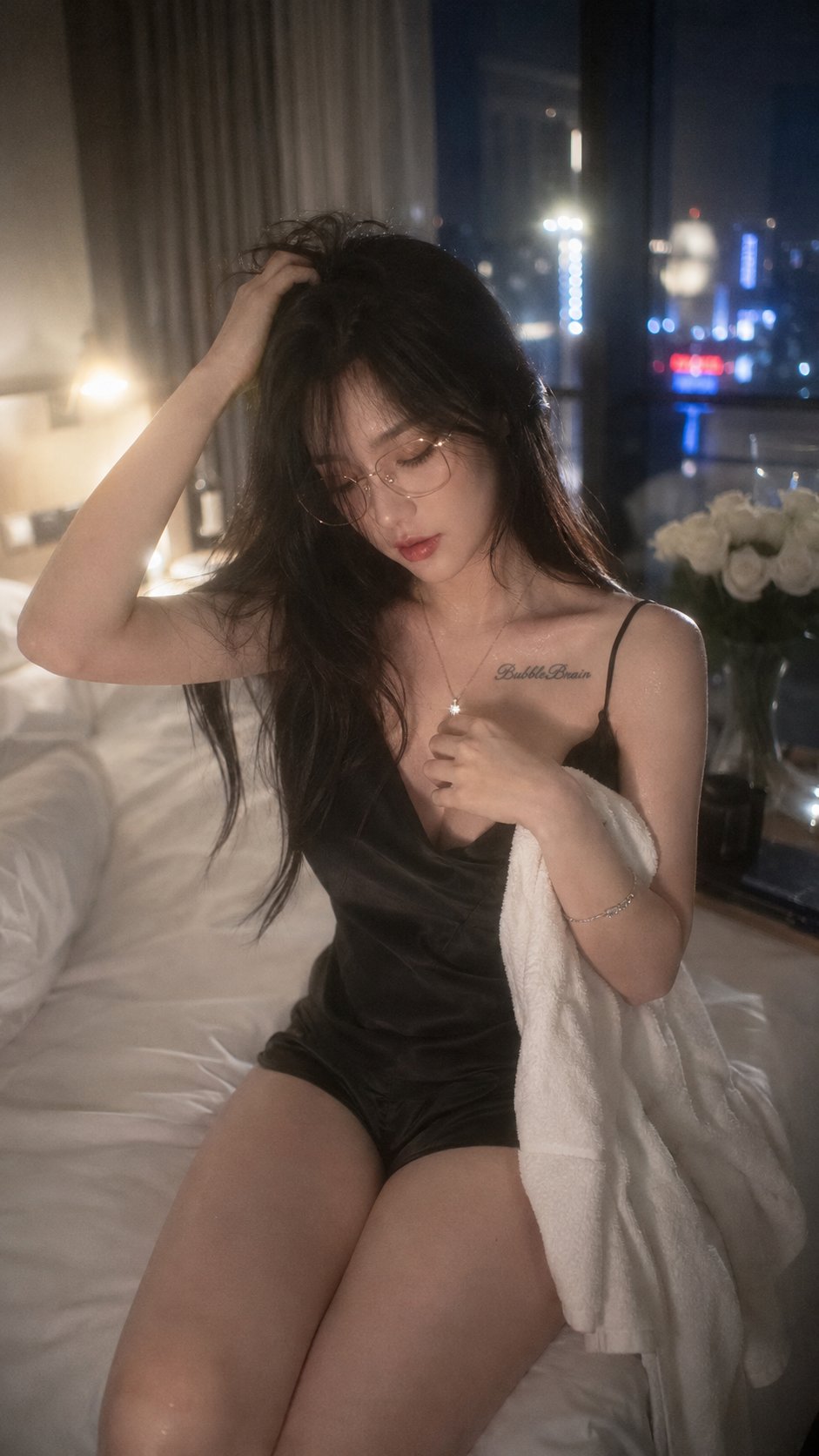
This page keeps the media, full prompt, and original source together so you can inspect the result first and decide whether the prompt is worth copying, saving, or comparing.
Case Insights
To make this page easier to search, cite, and reuse later, the case is also broken down into practical guidance about usage, visual cues, and prompt structure.
Best Fit Scenarios
- Use this as a portrait & photography benchmark when you need a fast style baseline before rewriting your own prompt.
- It is especially helpful if your target overlaps with Portrait, Cinematic, Fashion and you want to judge the image result before tuning wording.
- Keep it as a control sample when you compare nearby prompt variants one variable at a time.
Visual Signals To Notice
- The clearest style signals here are Portrait, Cinematic, Fashion, so those should usually stay in your first rewrite.
- Focus on framing, light direction, pose, and the distance between subject and camera.
- This case keeps 2 media outputs, which makes it easier to check whether the style remains stable across multiple results.
How The Prompt Is Structured
- The prompt reads as a long, highly specified prompt, which is useful when you want to judge how much specificity this direction needs.
- Its keyword cluster is centered on Portrait, Cinematic, Fashion, so you can usually keep that cluster while swapping subject, camera, layout, or copy details.
- A practical rewrite path is: keep the outcome, keep the strongest style cues, then replace only the subject and environment blocks.
Good Follow-up Questions
- What changes first if you keep Portrait, Cinematic, Fashion but switch the subject matter?
- Which part of the result comes from section-level structure (Portrait & Photography) versus tag-level style cues?
- Which related cases in the same section give you a cleaner or more extreme variation of the same direction?
Full Prompt
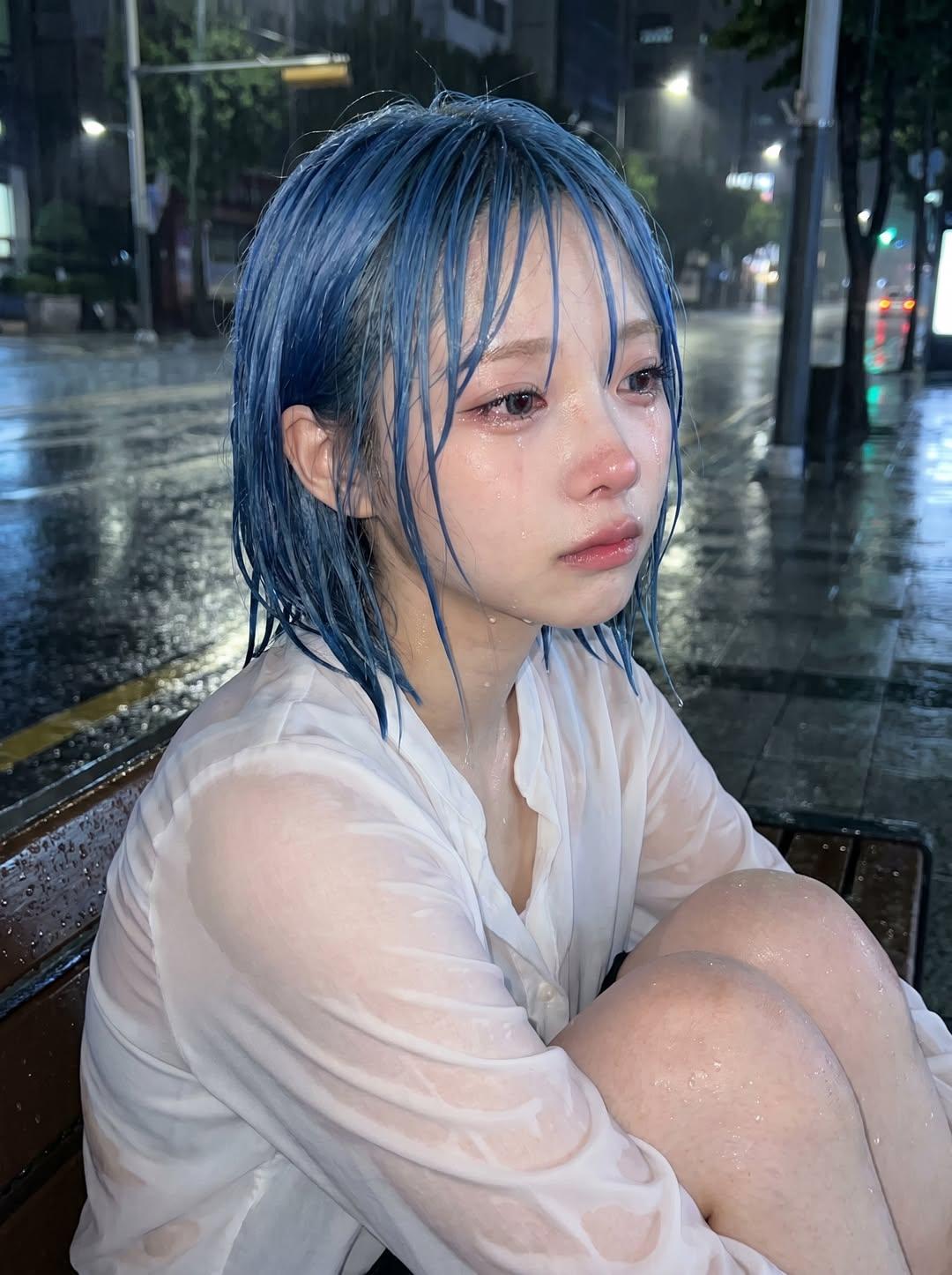
Use the uploaded portrait as the identity reference for the subject’s face, hairstyle, facial structure, skin tone, and overall aura. Create a high-quality realistic cinematic portrait of the same person crying beautifully in the rain outdoors at night, with a realistic Korean-drama street scene mood. Core concept: - the subject is sitting alone outside in heavy rain at night - she is already completely soaked from the rain - she looks like she has been crying in the rain for a while - the scene should feel like a real heartbreaking Korean-drama moment captured on a rainy city street - the emotion is quiet heartbreak, longing, loneliness, and soft sadness - she must still look delicate and beautiful, but not perfectly clean or polished Reference mood and composition: - use the feeling of a candid rainy-night street photo - she is sitting on a wet outdoor bench, bus-stop bench, curb, or low street-side seat - wet city sidewalk and road are visible behind her - the background includes rain-soaked pavement, street poles, trees, distant traffic lights, and blurred building lights - the road and sidewalk should reflect streetlights beautifully - the scene should feel realistic and atmospheric, not like a studio or fashion set - keep the background recognizable as a real rainy city street at night Main visual priority: - the face is the highest priority - prioritize emotional facial detail, tear tracks, rain-soaked skin, wet eyelashes, and delicate crying expression - the image should feel like a medium close emotional portrait, not a wide full-body scene - show enough of the seated posture so the sadness feels natural and grounded Head angle and gaze: - use a soft lowered three-quarter side angle - the head is slightly lowered - the chin is gently tucked down - the face is turned about 45 degrees to the side - she looks slightly downward and off into the distance, not directly at the camera - the gaze should feel lost, fragile, heartbroken, and exhausted - avoid front-facing composition and direct eye contact Pose: - she is seated on a wet bench, bus-stop bench, curb, or low pavement edge - knees are bent and drawn in naturally - one arm rests gently across the knees - the other hand rests softly near the legs or on the wet seat - shoulders are slightly lowered - posture feels tired, vulnerable, graceful, and natural - the body is turned softly to the side - hands should look relaxed and delicate - avoid stiff posing Facial emotion and crying traces: - she is crying in a beautiful, restrained, delicate way - she looks like she has been crying in the rain for a while - her eyes are glossy, watery, red around the inner corners, and emotionally heavy - visible tears stream naturally down both cheeks - tear tracks should be clearly visible and slightly different from random rainwater trails - rainwater and tears mix naturally on her face - lower eyelids are wet, tender, and softly puffy - the skin under the eyes looks damp and slightly irritated from crying - nose tip and nostrils are slightly pink-red from crying and cold rain - cheeks are faintly flushed - lips are wet, soft, slightly pale, naturally flushed, and slightly parted - her face should not look perfectly clean - tiny raindrops gather on eyelashes, lower eyelids, nose bridge, lips, chin, and jawline - a few wet hair strands stick across the forehead, cheeks, and near the lips - subtle eye makeup is softened or faintly smudged by rain and tears - she looks beautiful but emotionally worn down - avoid ugly crying, screaming, or exaggerated swollen distortion Beauty and identity: - preserve the subject’s recognizable identity clearly - keep the same face shape, eyes, nose, lips, skin tone, and hairstyle - Korean drama heroine beauty, but not overly polished - refined natural features with realistic crying traces - natural skin texture, slight redness, wet pores, and rain-soaked shine.