Case Media
Case Notes
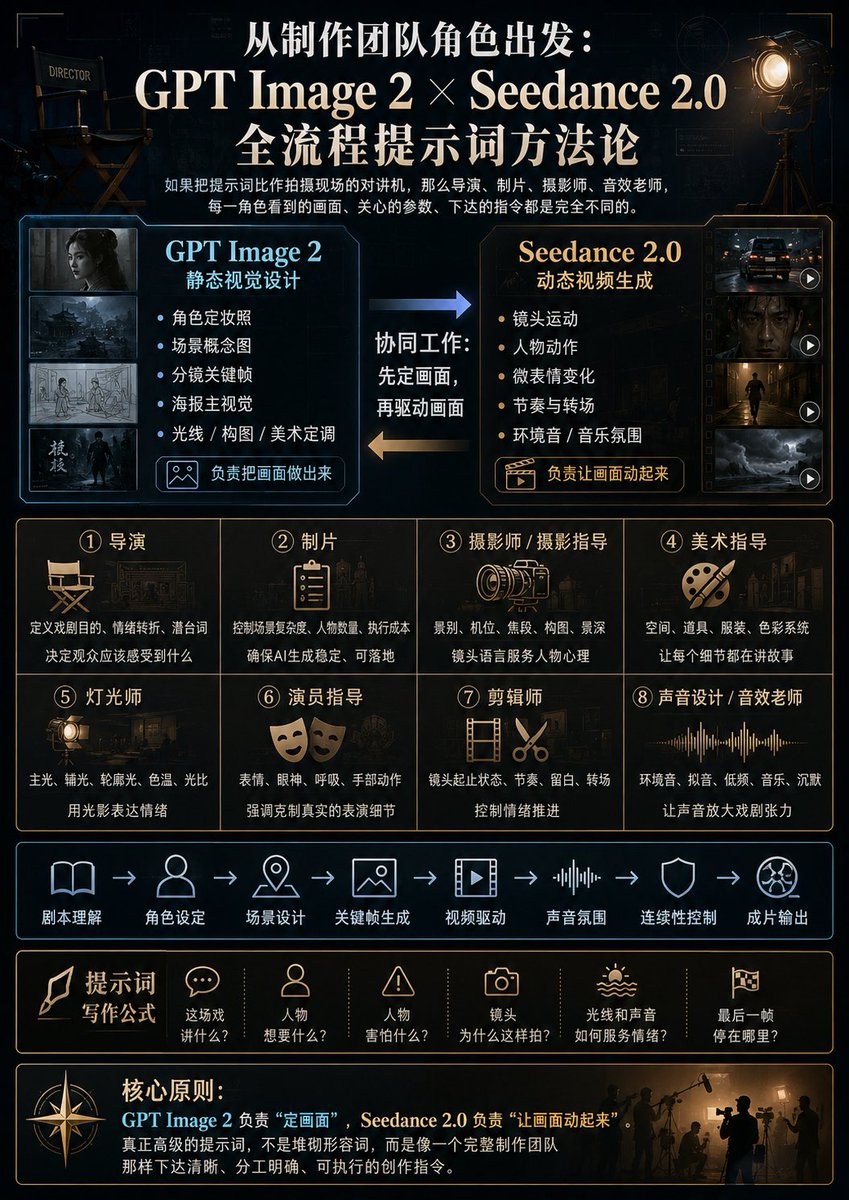
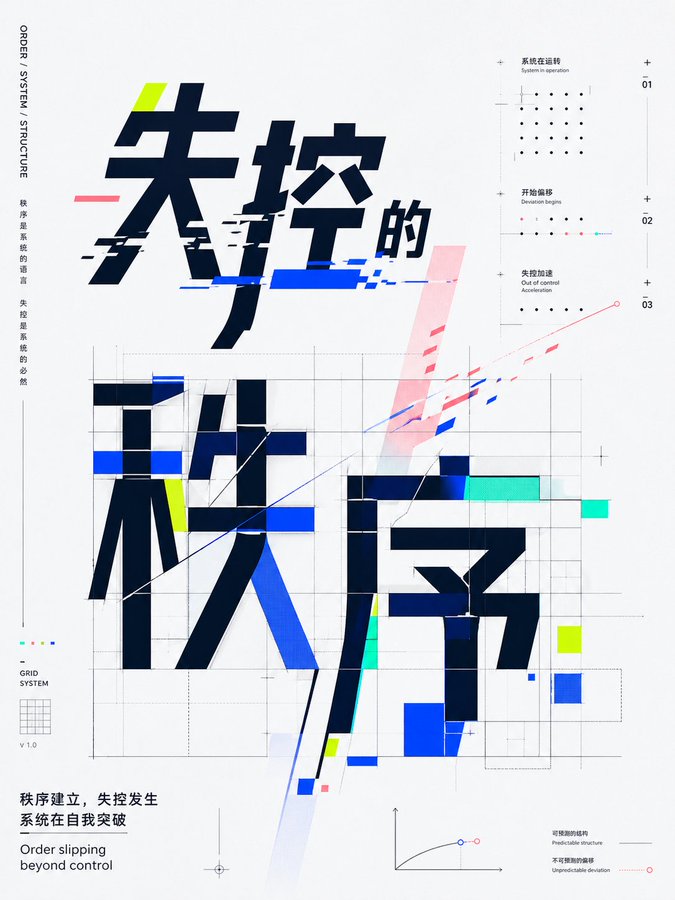
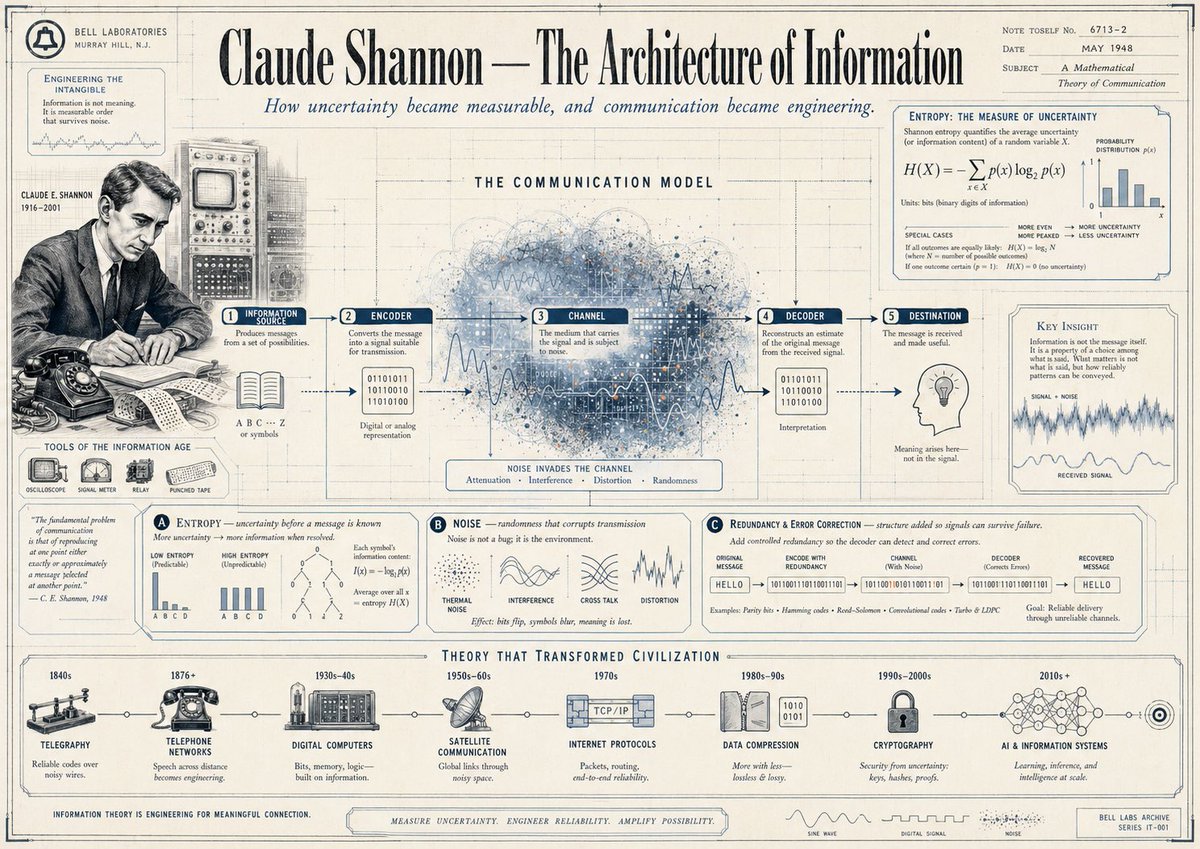
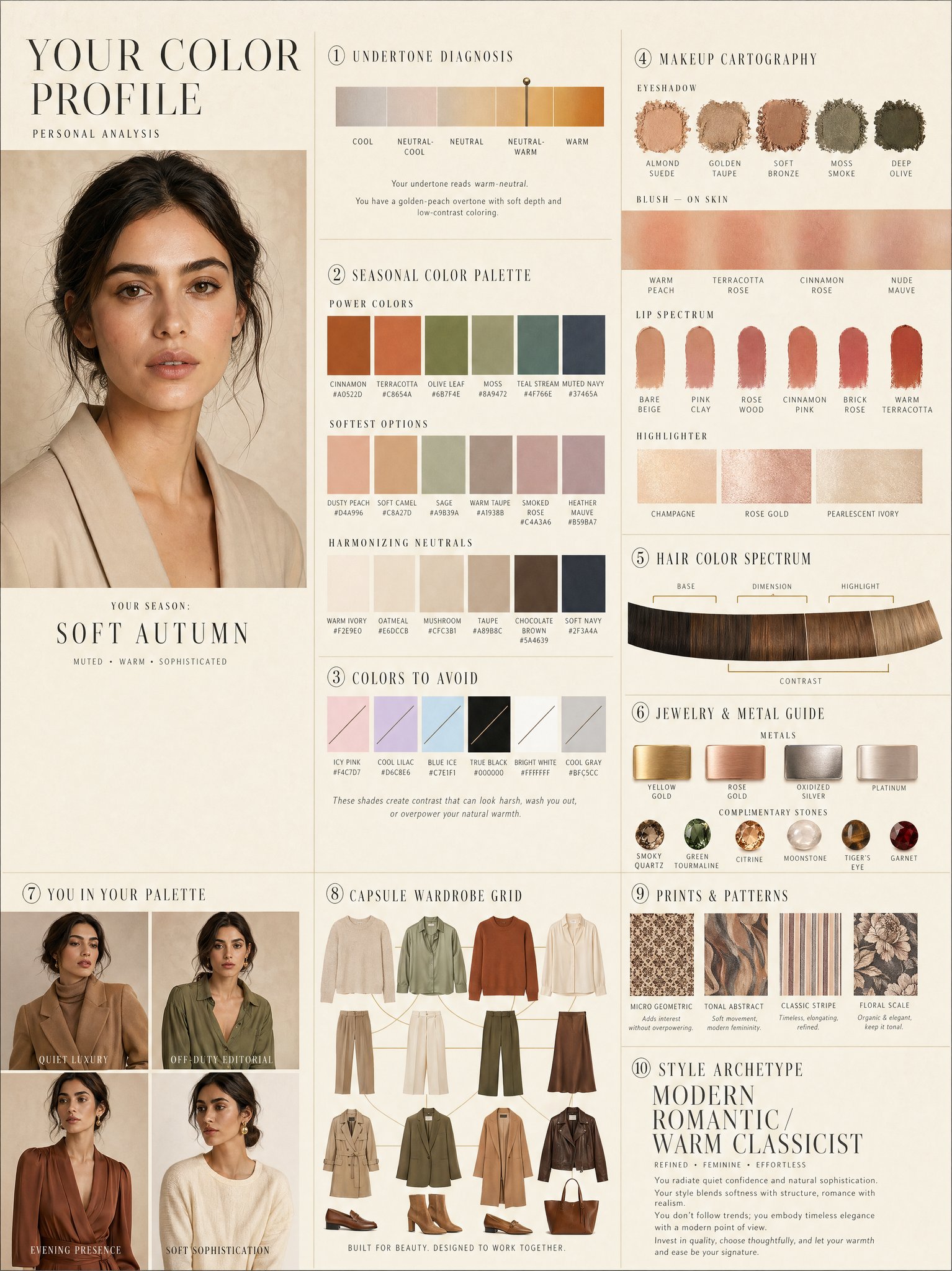
This page keeps the media, full prompt, and original source together so you can inspect the result first and decide whether the prompt is worth copying, saving, or comparing.
Case Insights
To make this page easier to search, cite, and reuse later, the case is also broken down into practical guidance about usage, visual cues, and prompt structure.
Best Fit Scenarios
- Use this as a model & community benchmark when you need a fast style baseline before rewriting your own prompt.
- It is especially helpful if your target overlaps with Portrait, Fashion, Poster and you want to judge the image result before tuning wording.
- Keep it as a control sample when you compare nearby prompt variants one variable at a time.
Visual Signals To Notice
- The clearest style signals here are Portrait, Fashion, Poster, so those should usually stay in your first rewrite.
- This kind of case is strongest when you watch deltas: what changed, what broke, and which prompt choice caused that shift.
- This case keeps one primary output, so the first image should be treated as the main visual reference.
How The Prompt Is Structured
- The prompt reads as a long, highly specified prompt, which is useful when you want to judge how much specificity this direction needs.
- Its keyword cluster is centered on Portrait, Fashion, Poster, so you can usually keep that cluster while swapping subject, camera, layout, or copy details.
- A practical rewrite path is: keep the outcome, keep the strongest style cues, then replace only the subject and environment blocks.
Good Follow-up Questions
- What changes first if you keep Portrait, Fashion, Poster but switch the subject matter?
- Which part of the result comes from section-level structure (Model & Community) versus tag-level style cues?
- Which related cases in the same section give you a cleaner or more extreme variation of the same direction?
Full Prompt
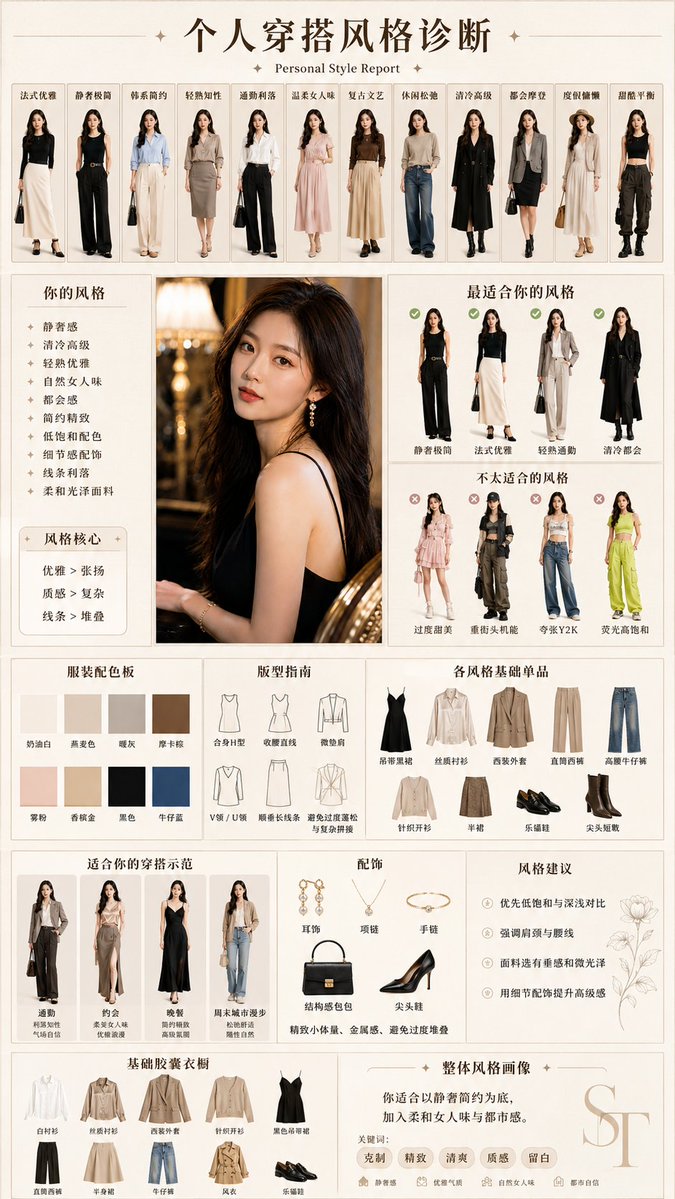
{"type":"personal fashion style diagnosis report poster","language":"Chinese text with small English subtitle","format":"vertical A4 infographic, elegant beige fashion magazine layout, thin grid lines, cream background, dark brown typography, refined minimalist luxury aesthetic","headline":"{argument name=\"headline text\" default=\"个人穿搭风格诊断\"}","subtitle":"Personal Style Report","subject":{"source":"one central portrait photo of a woman, face softly blurred or anonymized, warm indoor lighting, black sleeveless top, long dark wavy hair","portrait position":"large center-left photo panel"},"layout":{"top gallery":{"position":"top row","count":11,"title":"style inspiration strip","labels":["法式优雅","静奢极简","韩系简约","轻熟知性","通勤利落","温柔女人味","复古文艺","休闲松弛","清冷高级","都会摩登","甜酷平衡"],"content":"eleven full-body outfit illustrations of the same woman in different elegant looks, each inside a narrow card"},"left diagnosis panel":{"position":"left middle","title":"你的风格","count":9,"items":["静奢感","清冷高级","轻熟优雅","自然女人味","都会感","简约精致","低饱和配色","细节感配饰","线条利落"],"style core box":{"title":"风格核心","count":3,"items":["优雅 > 张扬","质感 > 复杂","线条 > 堆叠"]}},"best styles panel":{"position":"upper right","title":"最适合你的风格","count":4,"labels":["静奢极简","法式优雅","轻熟通勤","清冷都会"],"marking":"green check icons above each outfit"},"unsuitable styles panel":{"position":"right middle","title":"不太适合的风格","count":4,"labels":["过度甜美","重街头机能","夸张Y2K","荧光高饱和"],"marking":"red cross icons above each outfit"},"color palette":{"position":"lower left middle","title":"服装配色板","count":8,"swatches":["奶油白","燕麦色","暖灰","摩卡棕","雾粉","香槟金","黑色","牛仔蓝"]},"silhouette guide":{"position":"lower middle","title":"版型指南","count":6,"labels":["合身显型","收腰直线","微垫肩","V领 / U领","顺垂长线条","避免过度蓬松与复杂拼接"],"visuals":"simple thin-line clothing diagrams"},"basic items panel":{"position":"lower right middle","title":"各风格基础单品","count":8,"labels":["吊带黑裙","丝质衬衫","西装外套","直筒西裤","针织开衫","半裙","乐福鞋","尖头短靴"]},"outfit examples":{"position":"lower left wide row","title":"适合你的穿搭示范","count":4,"labels":["通勤","约会","晚餐","周末城市漫步"],"content":"four full-body outfit demonstration cards"},"accessories panel":{"position":"lower center","title":"配饰","count":6,"labels":["耳饰","项链","手链","结构感包包","尖头鞋","精致小体量、金属感、避免过度堆叠"]},"style advice panel":{"position":"lower right","title":"风格建议","count":4,"items":["优先低饱和与深浅对比","强调肩颈与腰线","面料选择垂感和微光泽","用细节配饰提升高级感"],"decoration":"delicate floral line drawing"},"capsule wardrobe":{"position":"bottom left","title":"基础胶囊衣橱","count":10,"labels":["白衬衫","丝质衬衫","西装外套","针织开衫","黑色吊带裙","直筒西裤","半身裙","牛仔裤","风衣","乐福鞋"]},"overall portrait":{"position":"bottom right","title":"整体风格画像","text":"你适合以静奢简约为底,加入柔和女人味与都市感。","keywords":{"count":5,"labels":["克制","精致","清爽","质感","留白"]},"monogram":"large translucent ST letters"}},"fashion direction":{"body type and vibe":"{argument name=\"style personality\" default=\"quiet luxury, elegant, clean, feminine, urban\"}","recommended palette":"{argument name=\"recommended colors\" default=\"cream white, oatmeal, warm gray, mocha brown, misty pink, champagne gold, black, denim blue\"}","recommended wardrobe":"{argument name=\"wardrobe staples\" default=\"silk blouse, tailored blazer, straight trousers, black slip dress, cardigan, midi skirt, loafers, pointed ankle boots\"}"},"rendering style":"photorealistic fashion cutout figures combined with clean editorial infographic design, soft shadows, high-end consultant report, precise Chinese typography, balanced spacing, no clutter, premium Xiaohongshu-style fashion analysis template"}