Case Media
Case Notes
This page keeps the media, full prompt, and original source together so you can inspect the result first and decide whether the prompt is worth copying, saving, or comparing.
Case Insights
To make this page easier to search, cite, and reuse later, the case is also broken down into practical guidance about usage, visual cues, and prompt structure.
Best Fit Scenarios
- Use this as a model & community benchmark when you need a fast style baseline before rewriting your own prompt.
- It is especially helpful if your target overlaps with Cinematic, Illustration, Anime and you want to judge the image result before tuning wording.
- Keep it as a control sample when you compare nearby prompt variants one variable at a time.
Visual Signals To Notice
- The clearest style signals here are Cinematic, Illustration, Anime, so those should usually stay in your first rewrite.
- This kind of case is strongest when you watch deltas: what changed, what broke, and which prompt choice caused that shift.
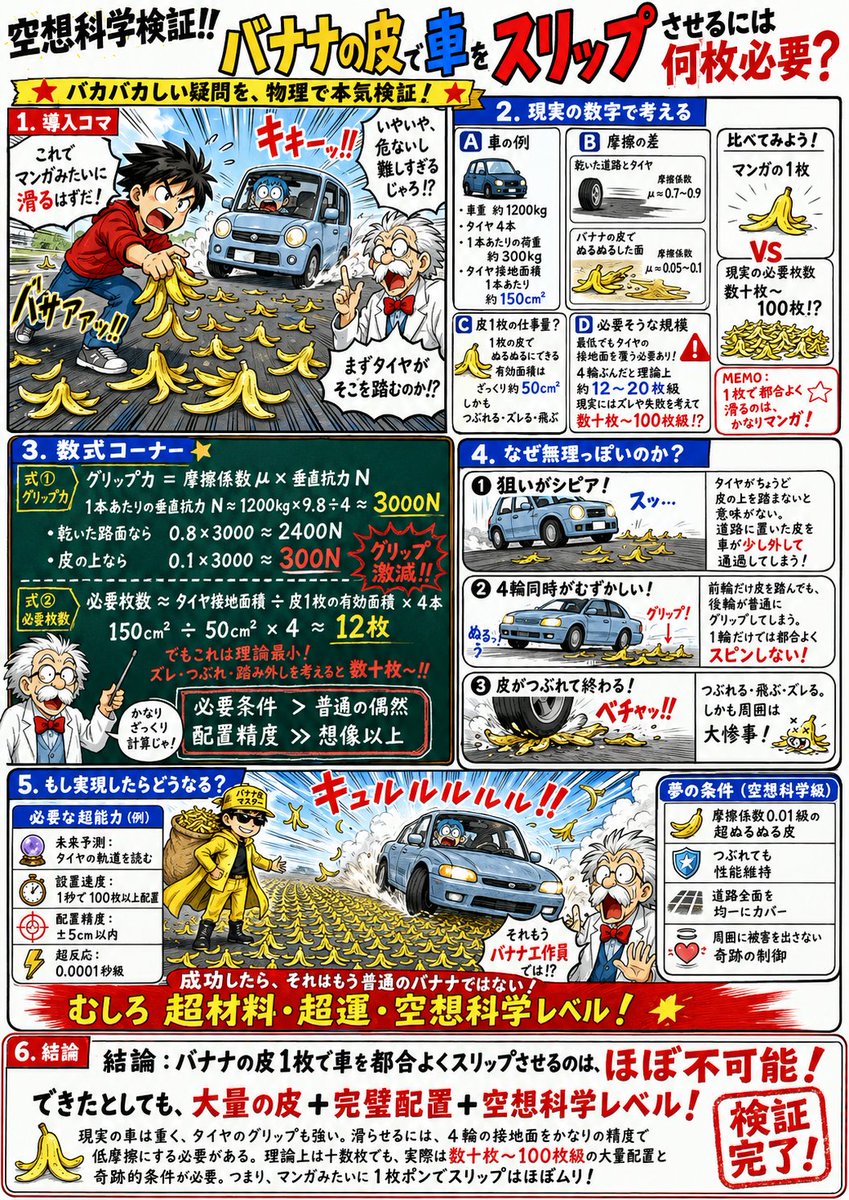
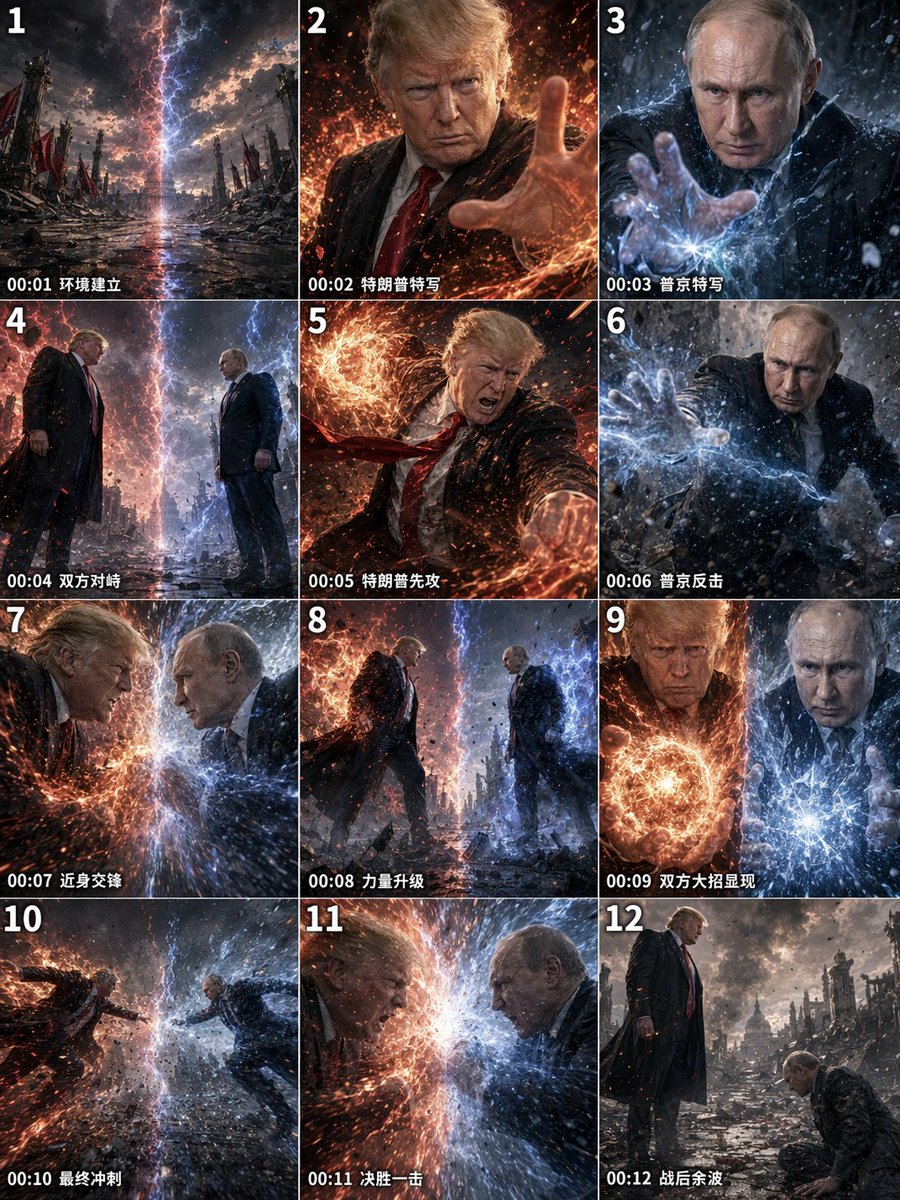
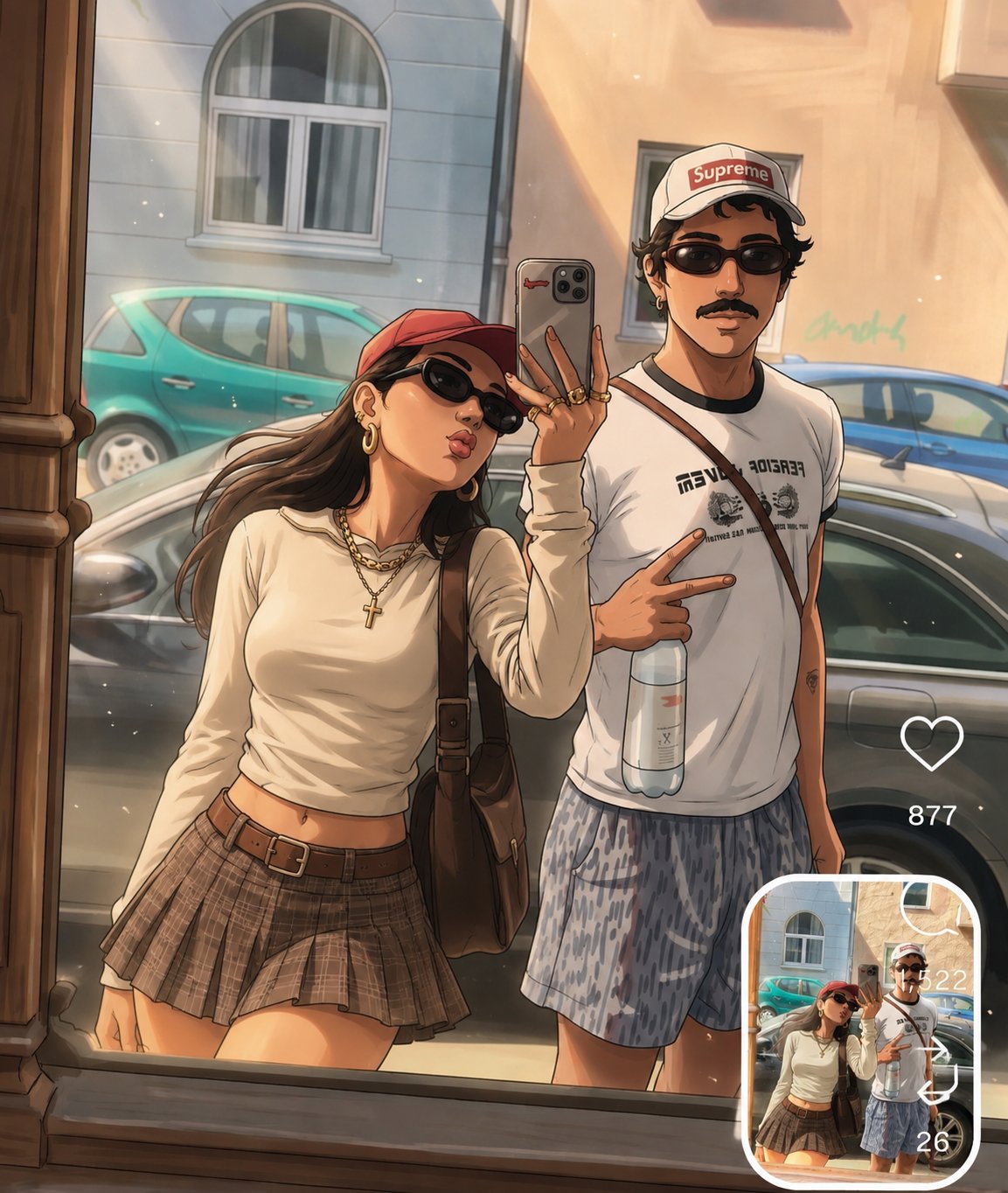
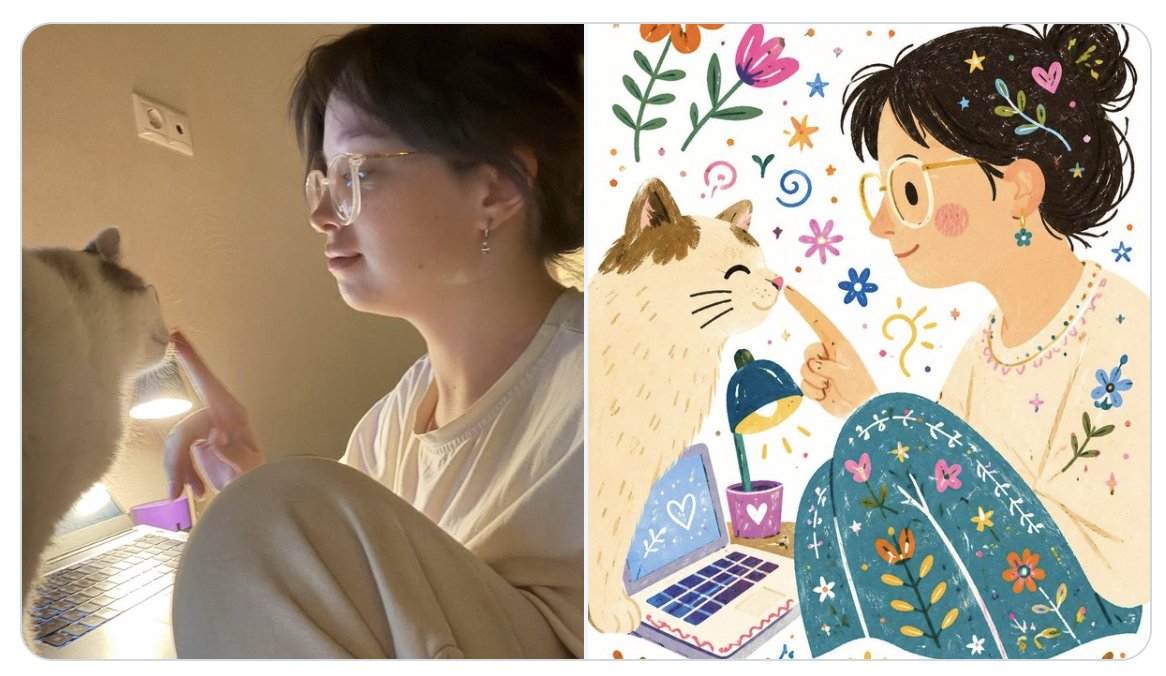
- This case keeps one primary output, so the first image should be treated as the main visual reference.
How The Prompt Is Structured
- The prompt reads as a long, highly specified prompt, which is useful when you want to judge how much specificity this direction needs.
- Its keyword cluster is centered on Cinematic, Illustration, Anime, so you can usually keep that cluster while swapping subject, camera, layout, or copy details.
- A practical rewrite path is: keep the outcome, keep the strongest style cues, then replace only the subject and environment blocks.
Good Follow-up Questions
- What changes first if you keep Cinematic, Illustration, Anime but switch the subject matter?
- Which part of the result comes from section-level structure (Model & Community) versus tag-level style cues?
- Which related cases in the same section give you a cleaner or more extreme variation of the same direction?
Full Prompt
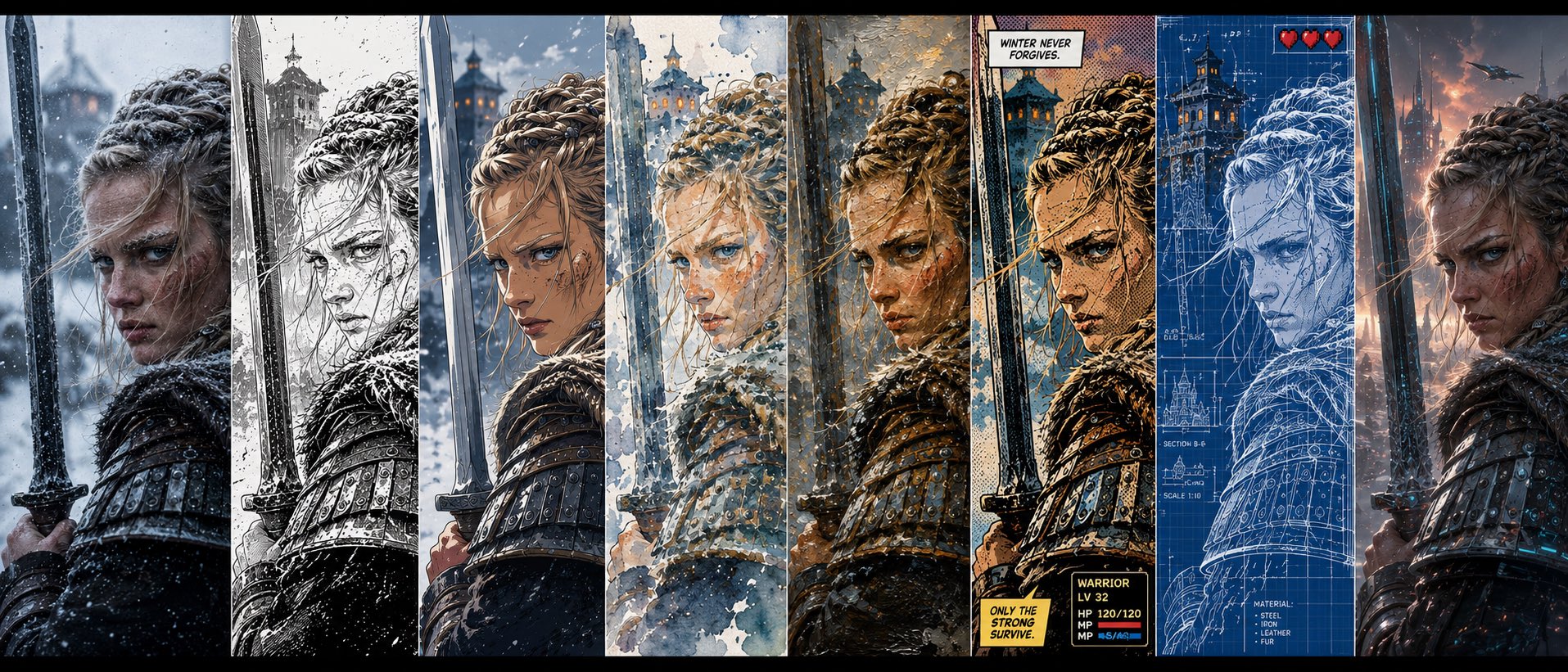
Use the uploaded image as the primary reality anchor. Aspect ratio: 21:9 cinematic ultrawide. Preserve the subject’s identity, face, expression, clothing, pose, silhouette, lighting, and emotional tone. The subject must remain perfectly recognizable across all sections. Expand the image horizontally. Create 9 large vertical style regions spanning the full height of the frame. Each region represents the exact same scene rendered by a different artistic universe. The subject should continue seamlessly across all regions while being reinterpreted by each style. Style regions: Photorealism Manga Ink Drawing Anime Cel Shading Watercolor Illustration Oil Painting Comic Book Halftone Pixel Art Blueprint / Technical Drawing Futuristic Concept Art Each section should maintain: identical camera angle identical facial expression identical pose identical composition identical environment Only the rendering style changes. Transitions between regions should be narrow and clean. The image should read left-to-right like a render comparison between artistic universes. No worldbuilding. No style invasions. No style warfare. No overlapping territories. No mixed-style regions. Each style occupies a clearly defined vertical slice. The subject remains perfectly aligned across every slice. The effect should feel like multiple rendering engines processing the exact same frame simultaneously. Ultra-detailed. High contrast between styles. Professional concept-art presentation. Clean gallery-style comparison. Visually satisfying. The viewer should instantly understand: “This is the same image rendered by multiple artistic universes.”