Case Media
Case Notes
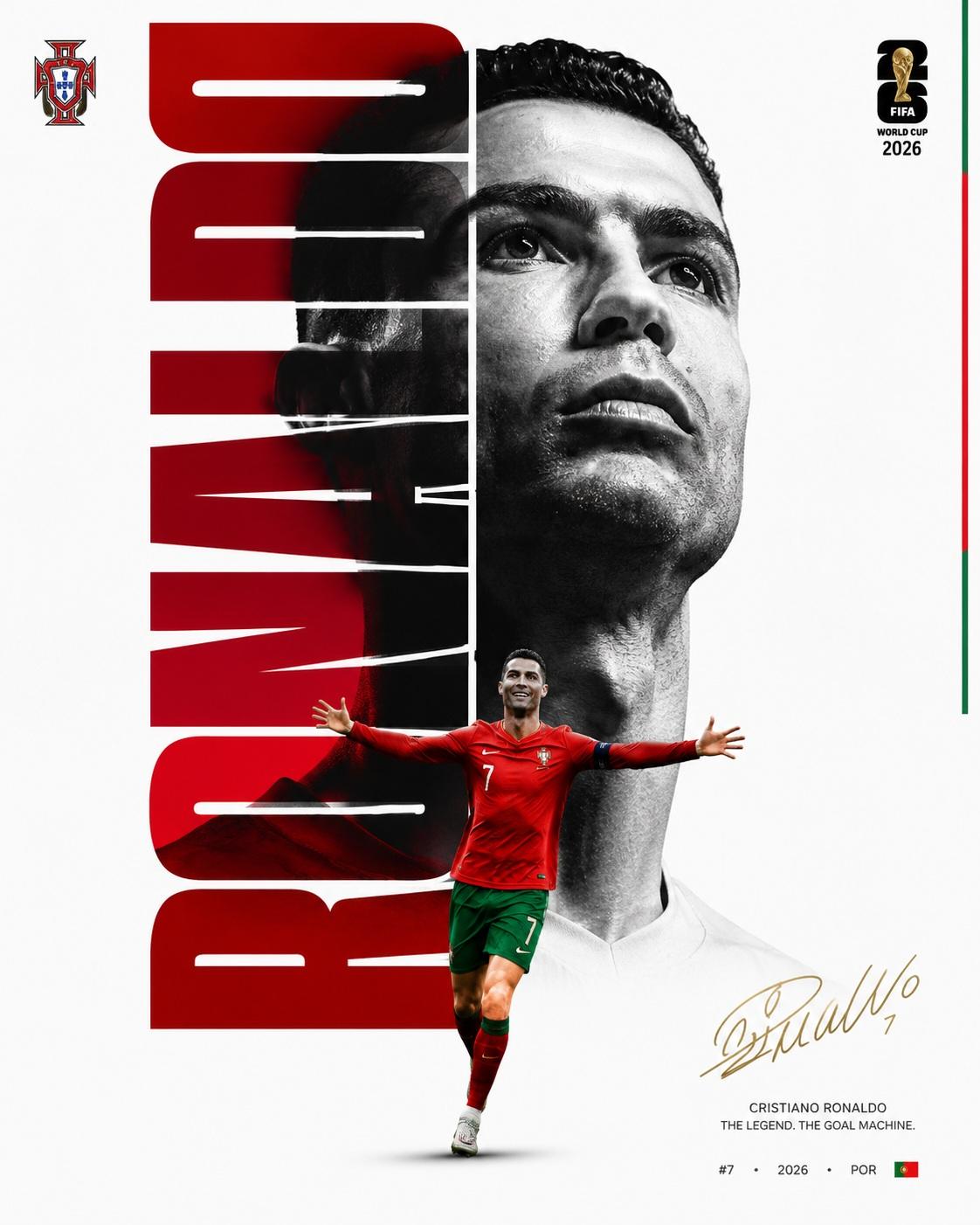
This page keeps the media, full prompt, and original source together so you can inspect the result first and decide whether the prompt is worth copying, saving, or comparing.
Case Insights
To make this page easier to search, cite, and reuse later, the case is also broken down into practical guidance about usage, visual cues, and prompt structure.
Best Fit Scenarios
- Use this as a model & community benchmark when you need a fast style baseline before rewriting your own prompt.
- It is especially helpful if your target overlaps with Portrait, Poster, City Visual and you want to judge the image result before tuning wording.
- Keep it as a control sample when you compare nearby prompt variants one variable at a time.
Visual Signals To Notice
- The clearest style signals here are Portrait, Poster, City Visual, so those should usually stay in your first rewrite.
- This kind of case is strongest when you watch deltas: what changed, what broke, and which prompt choice caused that shift.
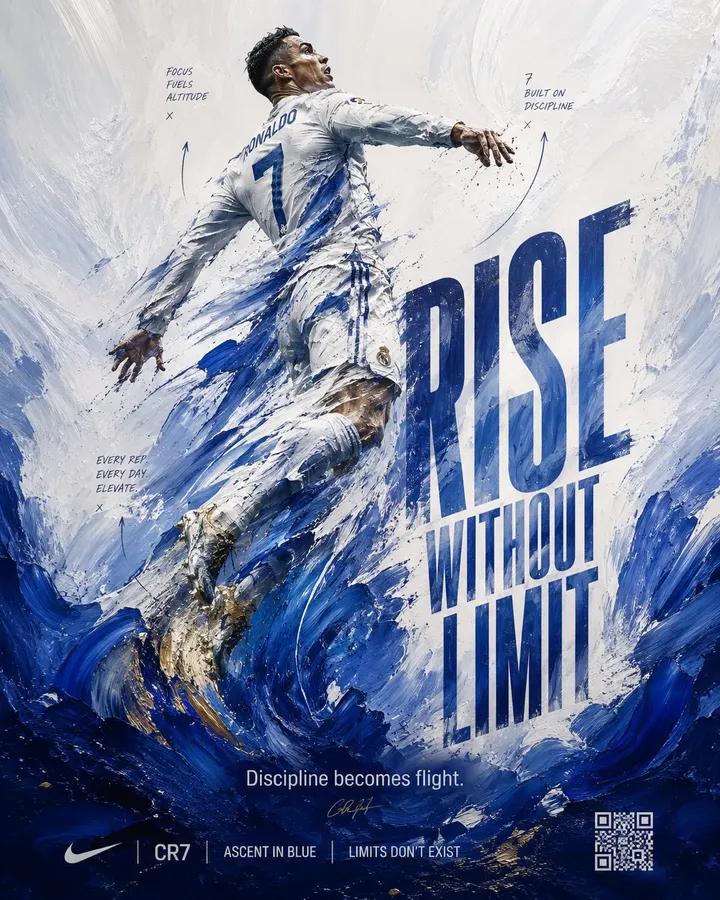
- This case keeps 2 media outputs, which makes it easier to check whether the style remains stable across multiple results.
How The Prompt Is Structured
- The prompt reads as a long, highly specified prompt, which is useful when you want to judge how much specificity this direction needs.
- Its keyword cluster is centered on Portrait, Poster, City Visual, so you can usually keep that cluster while swapping subject, camera, layout, or copy details.
- A practical rewrite path is: keep the outcome, keep the strongest style cues, then replace only the subject and environment blocks.
Good Follow-up Questions
- What changes first if you keep Portrait, Poster, City Visual but switch the subject matter?
- Which part of the result comes from section-level structure (Model & Community) versus tag-level style cues?
- Which related cases in the same section give you a cleaner or more extreme variation of the same direction?
Full Prompt
Design a 4:5 sports art poster for 'ATHELETE_NAME' using realistic, soft, thick painted motion fields, player’s leap translated into directional brush energy, a vertical ascension composition, and an emotional goal of disciplined transcendence and cold precision. CONCEPT: player is not just depicted—he is constructed out of force. His iconic jump is visualized as a surge of realistic paint strokes based on PLAYER’s team jersey colors, rising like a controlled explosion, turning athletic elevation into a visual language of upward pressure, discipline, and momentum. The poster captures the instant where physical power becomes abstract motion. SUBJECT: player rendered as a dominant semi-abstract figure emerging from layered, soft, freshly painted strokes rather than a fully literal photograph. His body is partially defined—recognizable facial structure and torso clarity—but limbs dissolve into sweeping, thick paint gestures, especially around the legs and arms, emphasizing lift and motion. The figure is angled upward, as if still climbing, occupying the central vertical axis but never fully contained. COMPOSITION: A vertical ascension layout where the bottom third is dense with heavy, soft, realistic brush strokes, gradually opening into lighter, more fluid white space toward the top. The eye path starts at thick, grounded painted textures and travels upward through flowing lines and fragmented form into player’s mid-air presence. Negative space at the top acts as a zone of calm highlight contrast against the dense painted energy below. The background behaves like a freshly painted atmosphere, not a flat field, with directional strokes reinforcing upward motion. TYPOGRAPHY: Headline: 'RISE WITHOUT LIMIT' set in a condensed athletic sans-serif brushed text, vertically stretched on the left side, and partially masked by soft paint strokes, as if emerging through layers. The baseline subtly curves upward, following the motion of the brushwork. Subhead: 'Discipline becomes flight.' in a restrained grotesk, placed lower in the composition where the paint is densest, anchoring the concept. Accent microtext appears as thin, almost hand-marked annotations integrated into the brushwork, echoing motion paths rather than sitting as static text. LIGHTING: Painterly lighting logic rather than photographic realism—high-contrast highlights use the lightest jersey color or white painted strokes to simulate directional light, while darker jersey tones create shadow depth. The figure’s defined areas receive subtle, controlled highlights to maintain legibility within abstraction. COLORS: Dominant palette based on PLAYER’s current or most iconic team jersey colors. Use the primary jersey color as the anchor, the secondary jersey color as the main motion accent, and white or the lightest jersey tone for highlights and negative-space contrast. Shadows should lean into the darkest available jersey color or a deepened version of the primary team color. Supporting tones may include softened, desaturated transitions derived from the jersey palette only. The overall palette must feel customized to the player’s team identity while preserving clarity, control, and intensity. STYLE: Abstract expressionist sports art fused with disciplined athletic branding; realistic painterly motion meets precision performance. The style feels like a gallery-worthy sports portrait, balancing soft, thick brush energy with controlled composition. FINISH: Visible realistic brush textures with layered paint depth, soft thick impasto effect in dense areas, and smoother, freshly diluted strokes in upper regions. No digital gloss—finish leans tactile and artistic, with gentle edge feathering where paint dissolves into negative space. No unnecessary overlays or artificial effects. FOOTER: A minimal, integrated footer carved into the lower paint mass, using small uppercase sans-serif text