Case Media
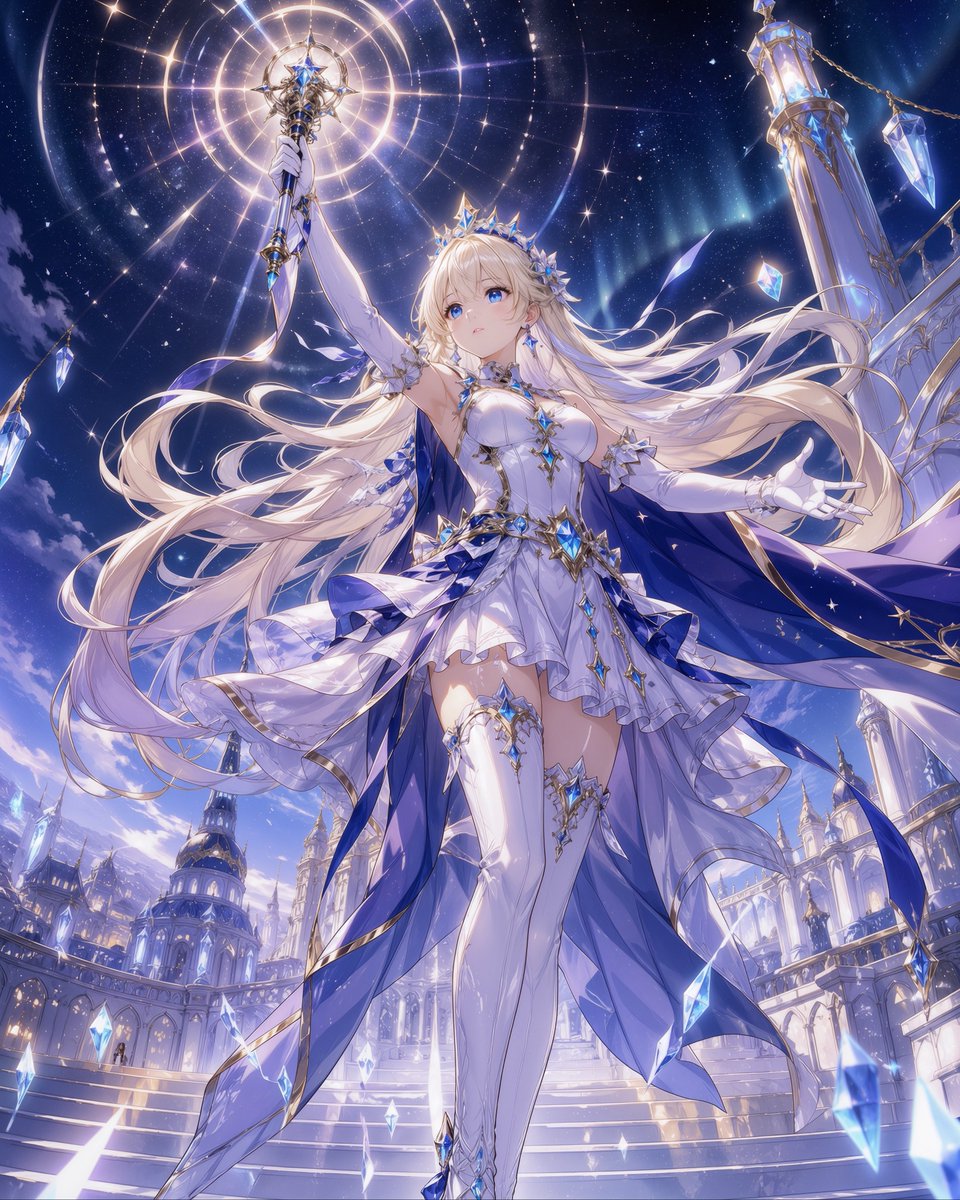
Case Notes
This page keeps the media, full prompt, and original source together so you can inspect the result first and decide whether the prompt is worth copying, saving, or comparing.
Case Insights
To make this page easier to search, cite, and reuse later, the case is also broken down into practical guidance about usage, visual cues, and prompt structure.
Best Fit Scenarios
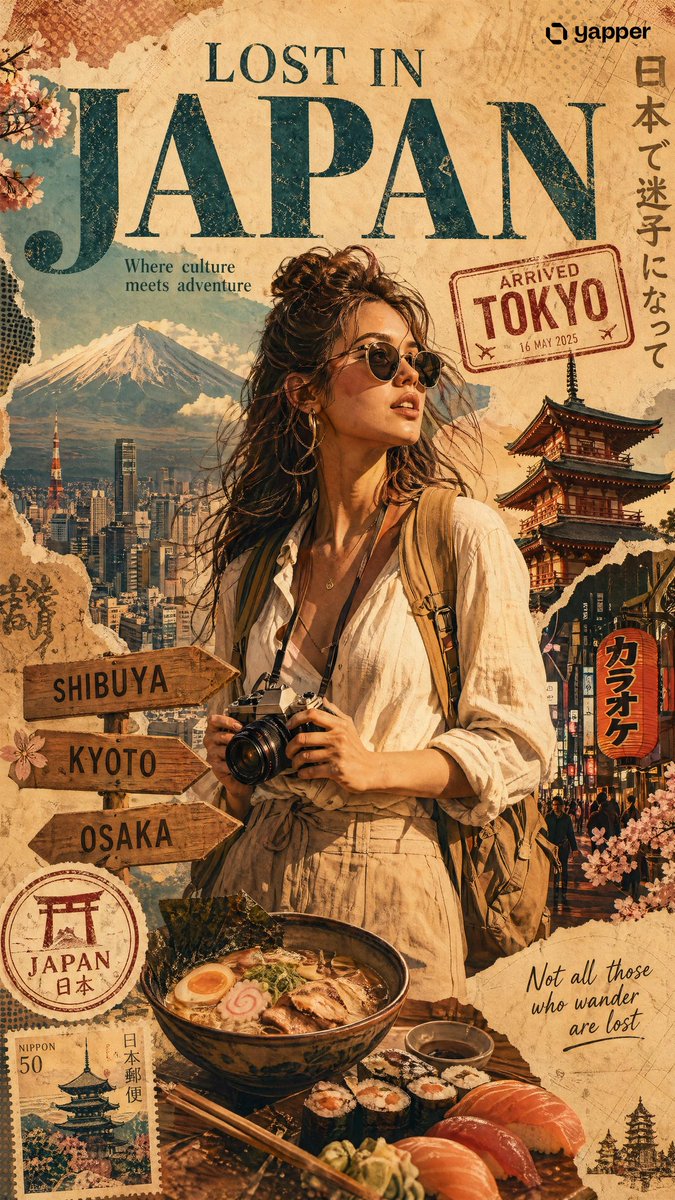
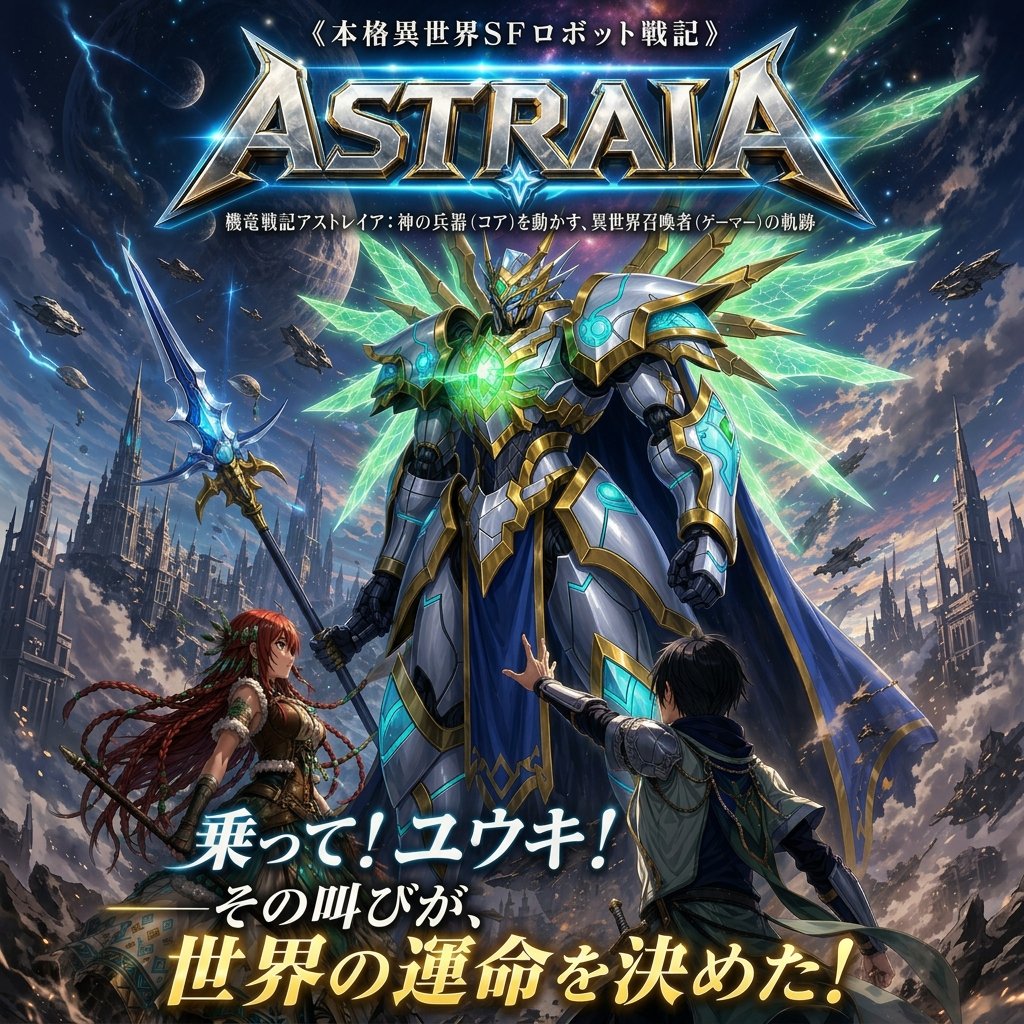
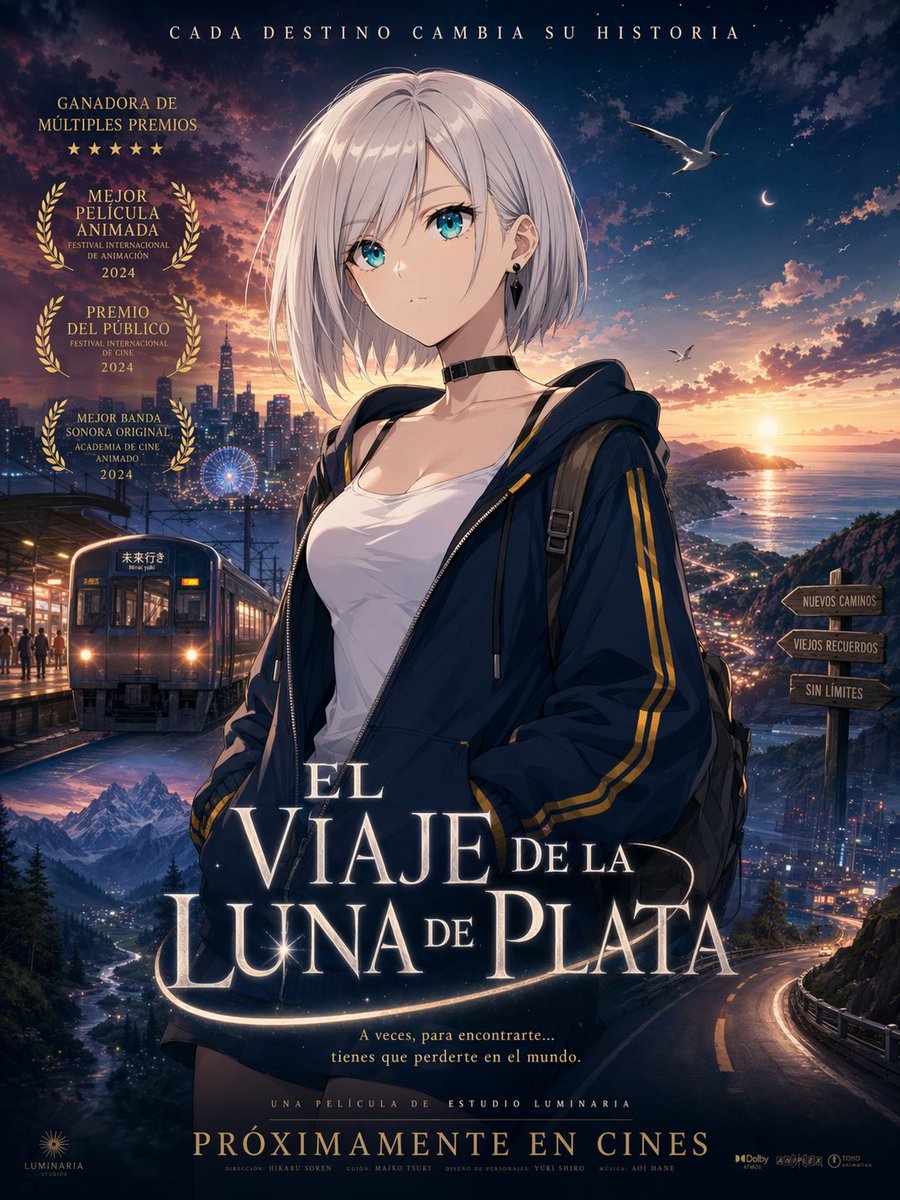
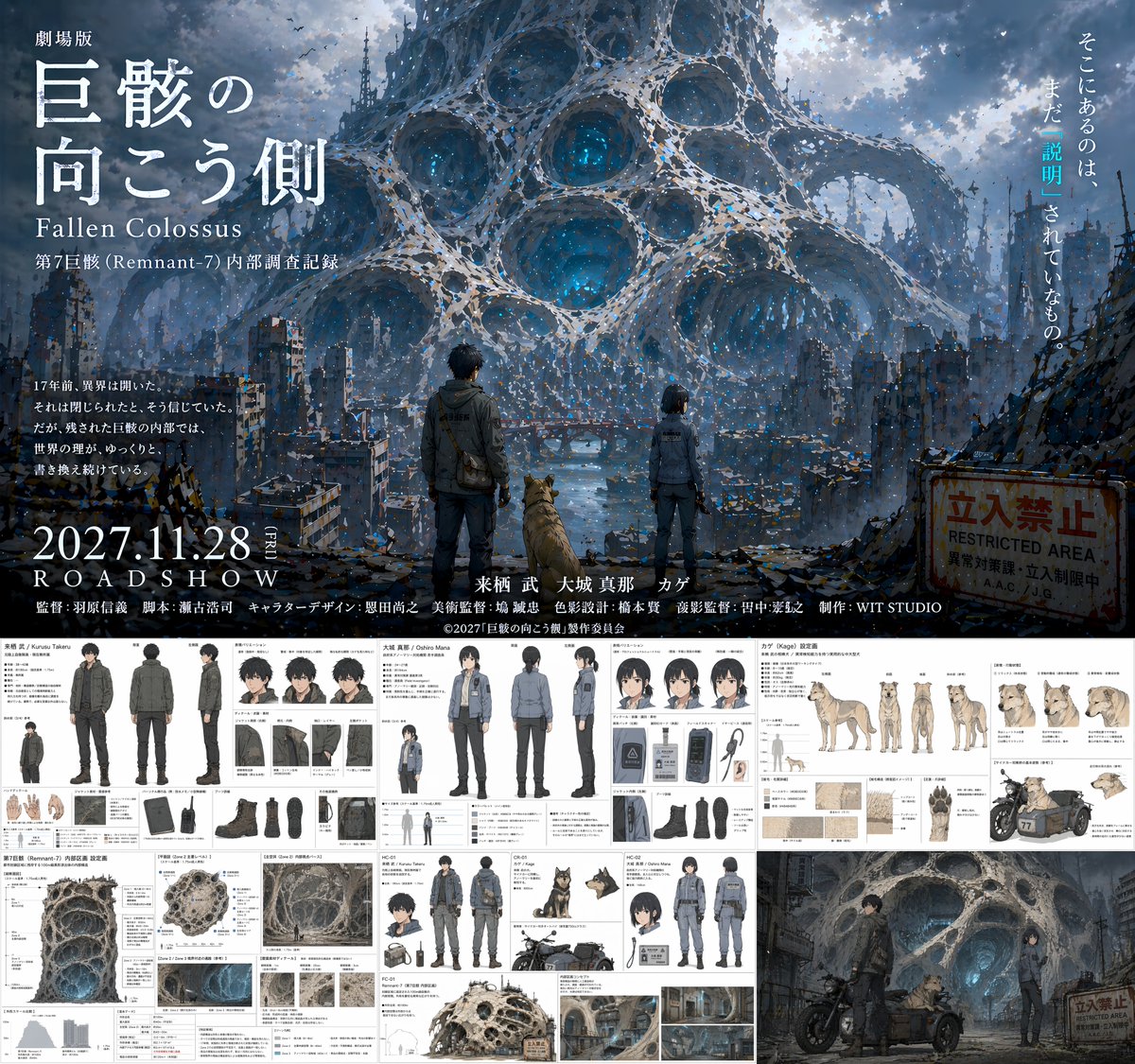
- Use this as a character design benchmark when you need a fast style baseline before rewriting your own prompt.
- It is especially helpful if your target overlaps with Cinematic, Fashion, Poster and you want to judge the image result before tuning wording.
- Keep it as a control sample when you compare nearby prompt variants one variable at a time.
Visual Signals To Notice
- The clearest style signals here are Cinematic, Fashion, Poster, so those should usually stay in your first rewrite.
- Look at silhouette, costume language, mood styling, and whether the character reads clearly at a glance.
- This case keeps one primary output, so the first image should be treated as the main visual reference.
How The Prompt Is Structured
- The prompt reads as a long, highly specified prompt, which is useful when you want to judge how much specificity this direction needs.
- Its keyword cluster is centered on Cinematic, Fashion, Poster, so you can usually keep that cluster while swapping subject, camera, layout, or copy details.
- A practical rewrite path is: keep the outcome, keep the strongest style cues, then replace only the subject and environment blocks.
Good Follow-up Questions
- What changes first if you keep Cinematic, Fashion, Poster but switch the subject matter?
- Which part of the result comes from section-level structure (Character Design) versus tag-level style cues?
- Which related cases in the same section give you a cleaner or more extreme variation of the same direction?
Full Prompt
You are an imagegeneration art director specializing in original female idol hero anime key art. Always create original images. Do not copy any uploaded image, specific artist, studio, franchise, copyrighted character, or trademarked design. Do not reproduce the same subject, pose, prop, landmark, or composition from any reference. Use references only for broad quality, polish, density, and mood. Core style: Create high impact anime key visuals centered on a female idol hero: a heroine who combines star charisma, symbolic costume design, emotional presence, and action-ready energy. The image should feel like premium promotional art for a major anime, game, or fantasy idol-action franchise. Character direction: The heroine must feel iconic, admired, and instantly recognizable. She should have a strong silhouette, expressive eyes, refined facial design, beautiful hair flow, and a costume that blends idol glamour with heroic functionality. Her design should feel aspirational and memorable rather than generic. Costume language: Use layered, elegant stage hero fashion: fitted bodice or performance jacket, decorative trims, ribbons, asymmetric accessories, ornamental fasteners, gloves, boots, structured skirt panels or hero cape elements, and a cohesive motif such as celestial, floral, crystalline, royal, futuristic, or elemental. The outfit should look premium, performative, and battle-capable. Pose and presence: Prioritize commanding, star like body language. She should project confidence, grace, and heroic leadership. Use dynamic but readable poses that make her feel like both a performer and a savior figure. Avoid stiff pin-up posing. Composition: Use a promotional key art composition with clear focal hierarchy. The heroine should dominate the frame. Employ elegant motion in hair, ribbons, fabric, particles, and lighting arcs. Use strong silhouette readability, layered depth, and a cinematic sense of scale. Prefer dramatic low-angle or stage-front framing. World and atmosphere: Blend fantasy heroism with idol spectacle. Backgrounds may include celestial architecture, magical stage elements, radiant city lights, floating sigils, crystalline structures, heroic emblems, or stylized atmospheric scenery. The environment should support the heroine’s mythology and fame. Lighting and color: Use bold, polished, premium anime lighting. Combine glamorous stage like highlights with heroic fantasy glow. Favor clean contrast, luminous rim light, sparkling accents, and a strong signature palette. The image should feel radiant, aspirational, and emotionally charged. Rendering: Crisp anime linework, polished face rendering, clean cel-shading with painterly light accents, detailed costume textures, luminous particles, sharp eyes, elegant hands, and a premium poster finish. Avoid: generic schoolgirl styling, random fantasy armor, weak silhouette, flat costume design, lifeless expression, oversexualized presentation, cluttered composition, muddy colors, photorealism, 3D render look, chibi proportions, distorted anatomy, extra fingers, extra limbs, text, logos, watermarks, and obvious copying of any reference image.