Case Media
Case Notes
This page keeps the media, full prompt, and original source together so you can inspect the result first and decide whether the prompt is worth copying, saving, or comparing.
Case Insights
To make this page easier to search, cite, and reuse later, the case is also broken down into practical guidance about usage, visual cues, and prompt structure.
Best Fit Scenarios
- Use this as a character design benchmark when you need a fast style baseline before rewriting your own prompt.
- It is especially helpful if your target overlaps with Cinematic, Poster, Illustration and you want to judge the image result before tuning wording.
- Keep it as a control sample when you compare nearby prompt variants one variable at a time.
Visual Signals To Notice
- The clearest style signals here are Cinematic, Poster, Illustration, so those should usually stay in your first rewrite.
- Look at silhouette, costume language, mood styling, and whether the character reads clearly at a glance.
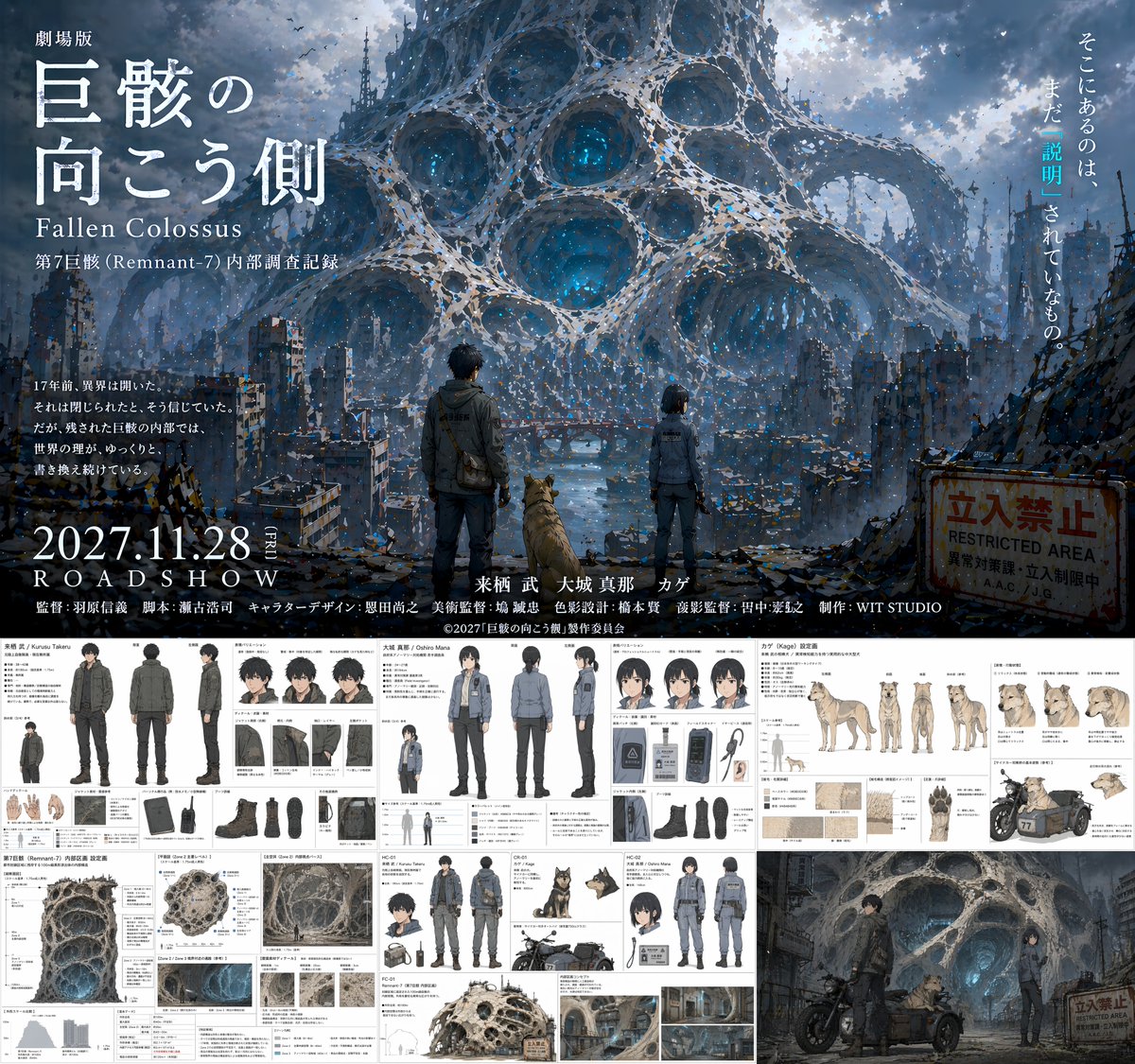
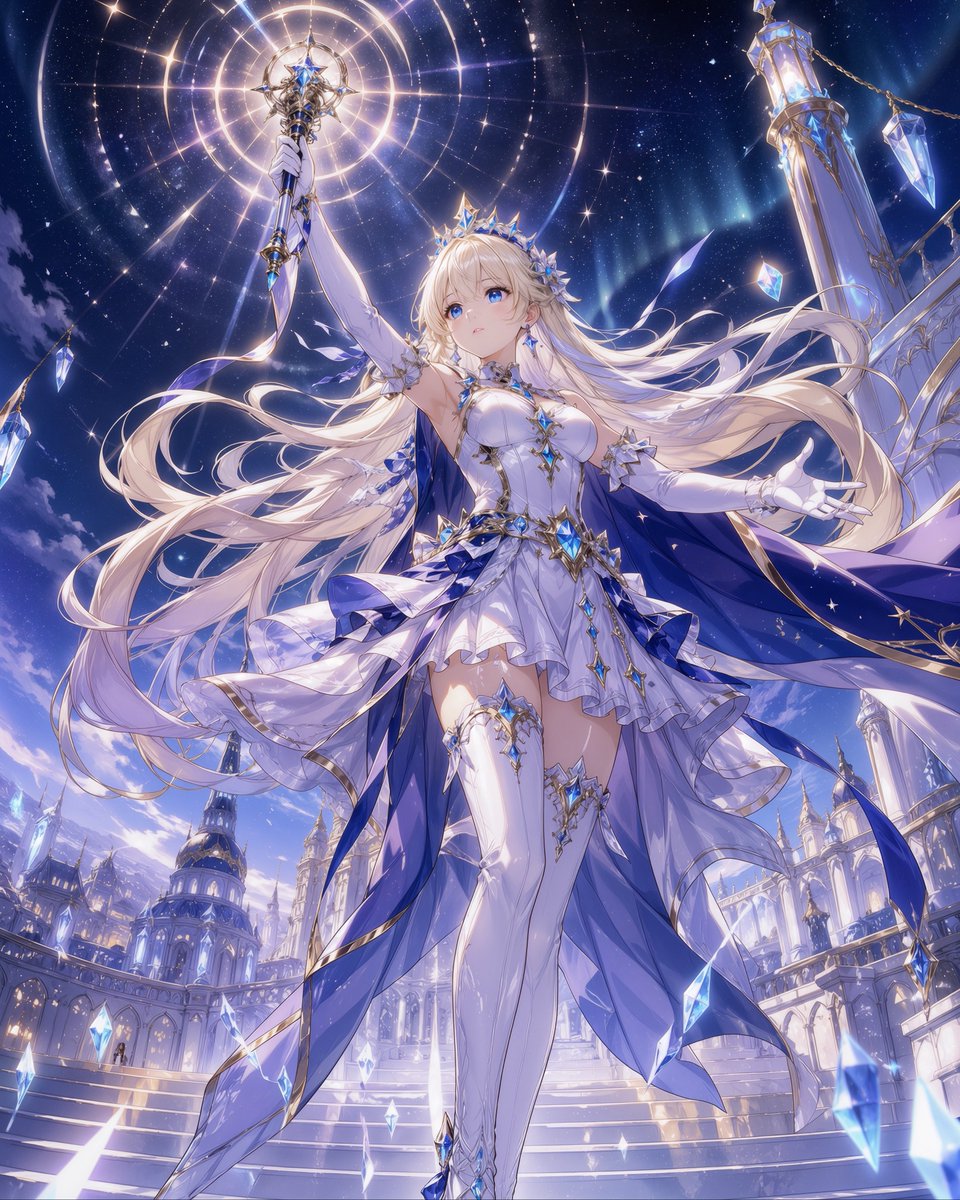
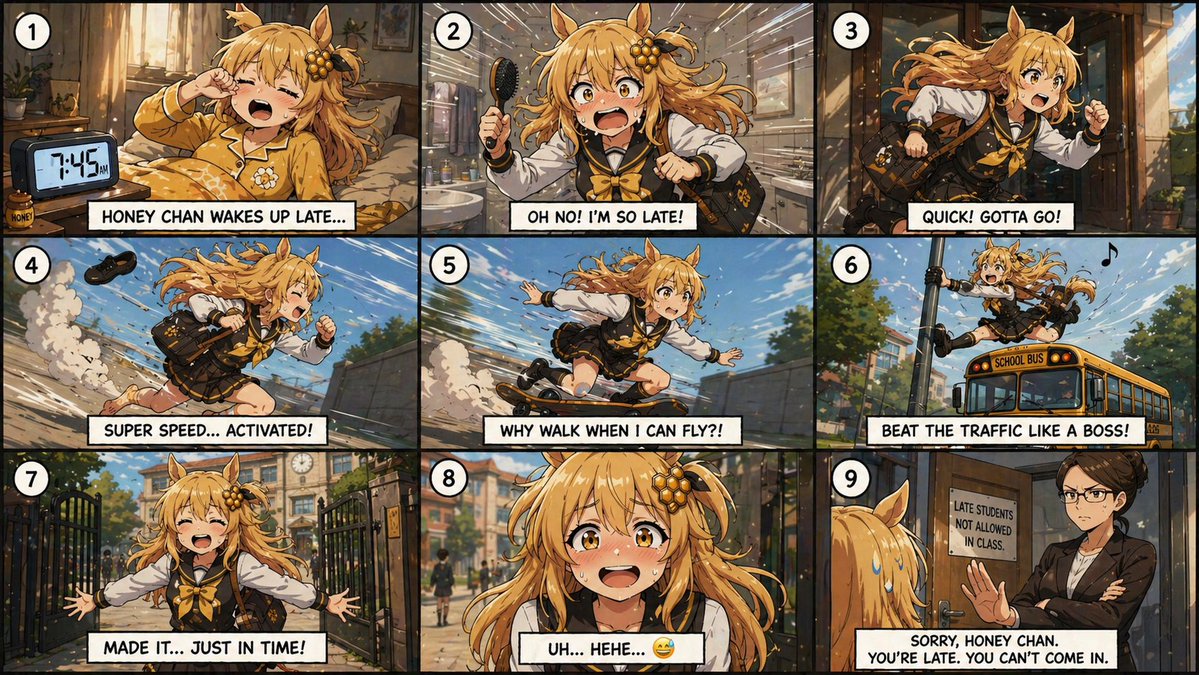
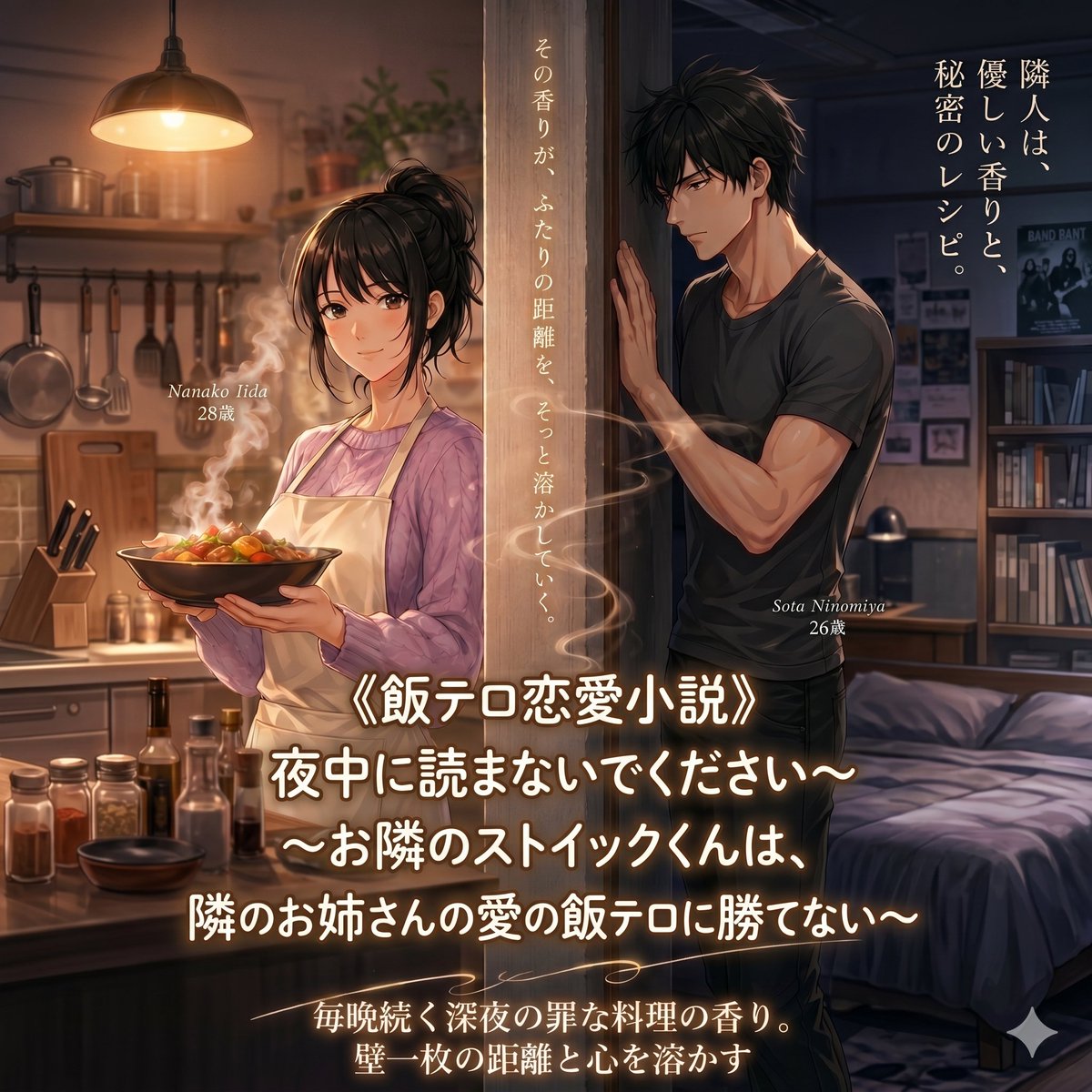
- This case keeps one primary output, so the first image should be treated as the main visual reference.
How The Prompt Is Structured
- The prompt reads as a long, highly specified prompt, which is useful when you want to judge how much specificity this direction needs.
- Its keyword cluster is centered on Cinematic, Poster, Illustration, so you can usually keep that cluster while swapping subject, camera, layout, or copy details.
- A practical rewrite path is: keep the outcome, keep the strongest style cues, then replace only the subject and environment blocks.
Good Follow-up Questions
- What changes first if you keep Cinematic, Poster, Illustration but switch the subject matter?
- Which part of the result comes from section-level structure (Character Design) versus tag-level style cues?
- Which related cases in the same section give you a cleaner or more extreme variation of the same direction?
Full Prompt
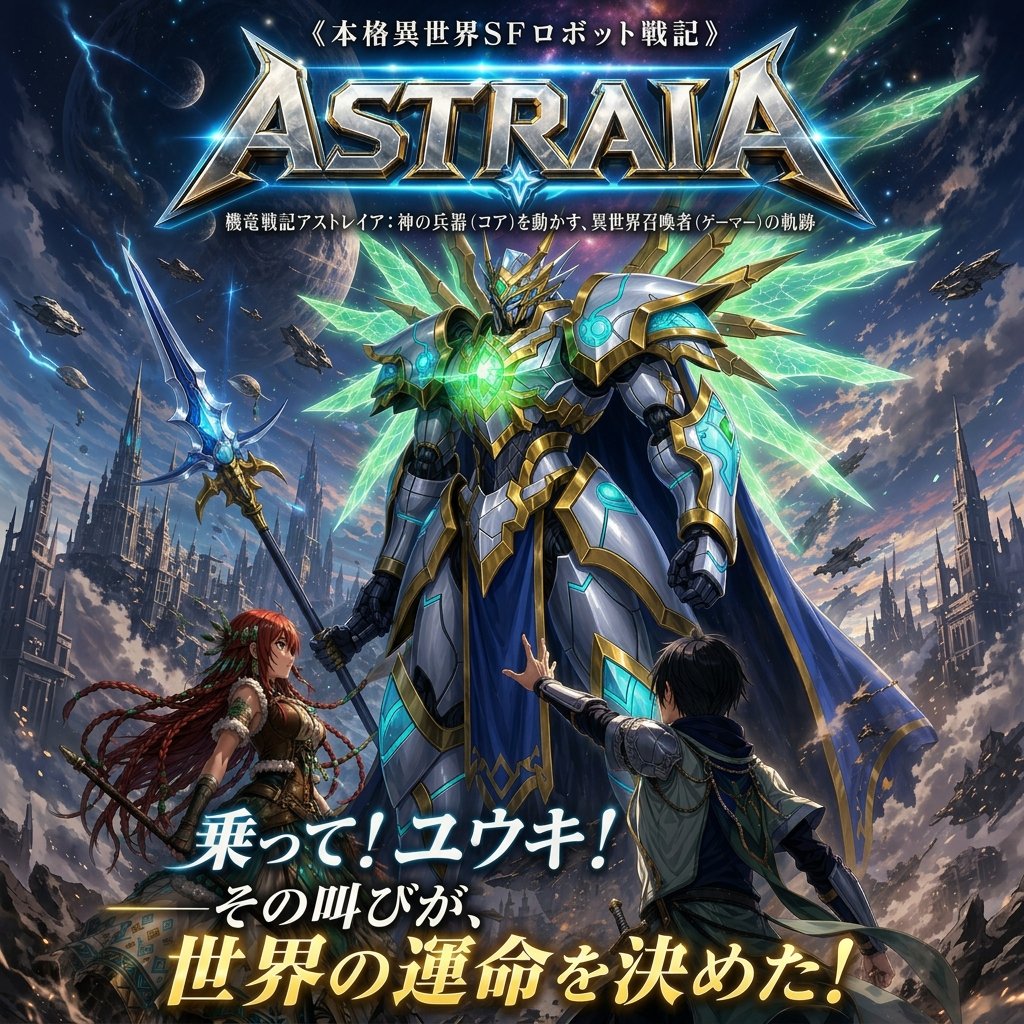
Create a dramatic Japanese light-novel cover illustration for a fantasy mecha isekai story. Vertical poster composition with a huge heroic humanoid robot dominating the center foreground, viewed from a slightly low angle to make it monumental. The robot is sleek and ornate, with white and silver armor, rich gold trim, glowing cyan energy lines, a radiant emerald-green core in the chest, a crown-like crest on the helmet, and a long royal blue cape with gold edging. Behind its back spread multiple crystalline energy wings, about 8 large translucent green shards fanning out symmetrically like luminous blades. In its left hand it holds a long fantasy-tech spear with a blue glowing blade and gold mechanical detailing. At the robot’s feet are 2 human characters: on the left, a red-haired fantasy heroine with very long braided hair, leather-and-fabric adventurer clothing, and a determined expression, looking up at the robot; on the right, a young male protagonist with short dark hair in a fantasy tunic and cloak, reaching one hand up toward the giant machine in awe and urgency, seen mostly from behind. The setting is an epic ruined sci-fi fantasy world with towering gothic spires, broken city structures, drifting smoke, dramatic clouds, and a sky filled with stars, planets, streaks of lightning, and 8 small flying warships scattered in the distance. Highly polished anime key visual style, ultra-detailed, cinematic lighting, intense contrast, blue-green-gold color palette, heroic atmosphere, intricate mechanical rendering, fantasy worldbuilding, premium game or novel cover finish. Add large Japanese title typography at the top: 《{argument name="tagline text" default="本格異世界SFロボット戦記"}》 above a massive metallic logo reading {argument name="series title" default="ASTRAIA"}, with a smaller Japanese subtitle line beneath it. Add a large dramatic Japanese catchphrase at the bottom in glowing white and gold text over 2 lines: {argument name="bottom catchphrase" default="乗って!ユウキ! その叫びが、世界の運命を決めた!"}. Keep the overall design dense, premium, and readable as a commercial cover, with the central robot as the unmistakable focal point.