Case Media
Case Notes
This page keeps the media, full prompt, and original source together so you can inspect the result first and decide whether the prompt is worth copying, saving, or comparing.
Case Insights
To make this page easier to search, cite, and reuse later, the case is also broken down into practical guidance about usage, visual cues, and prompt structure.
Best Fit Scenarios
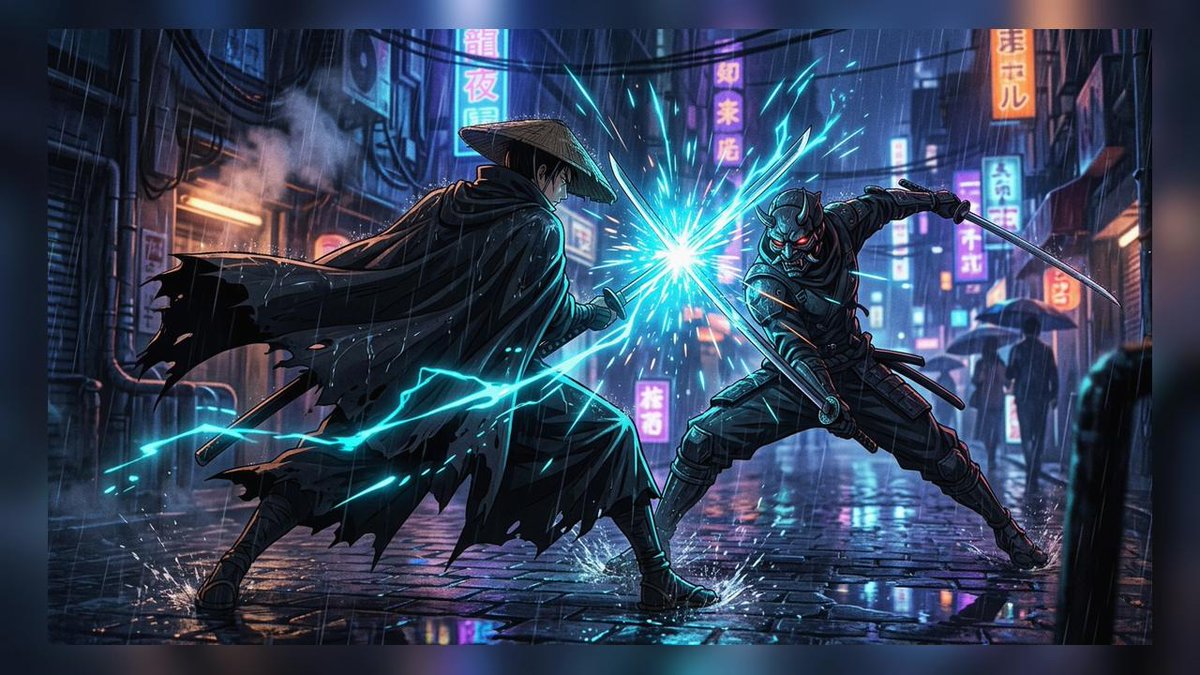
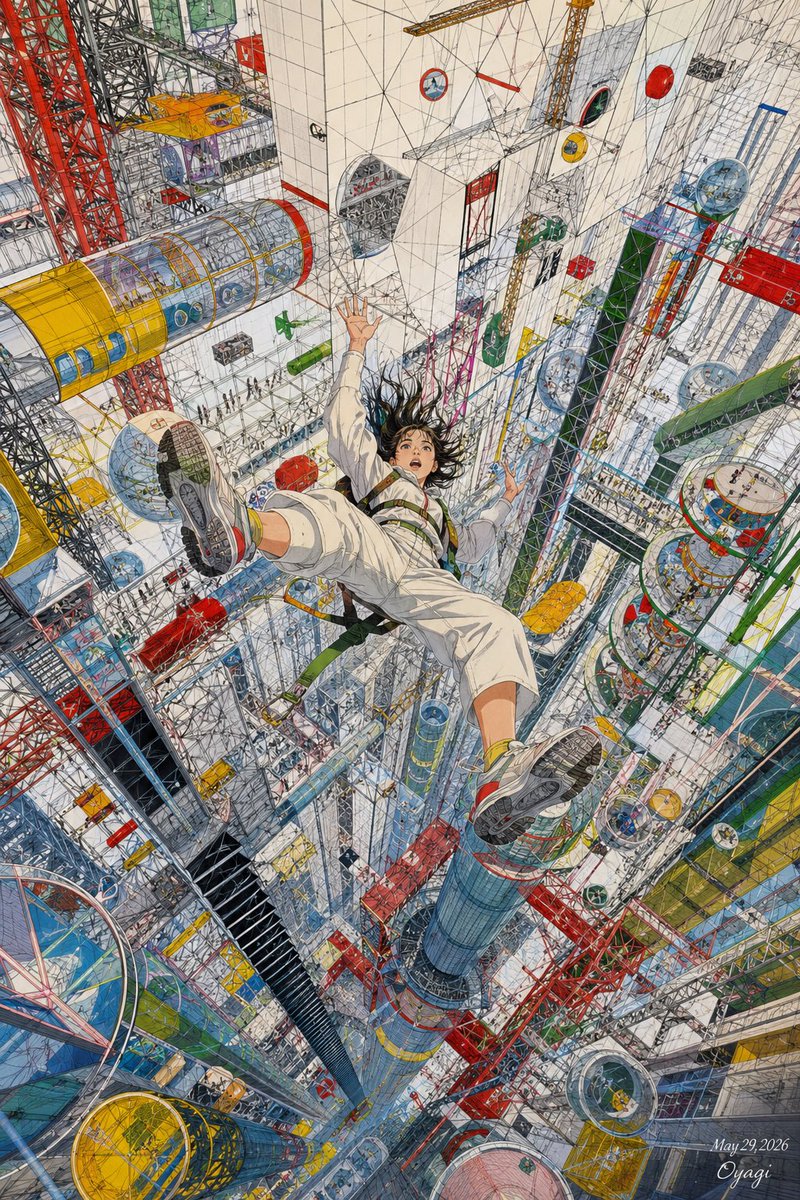
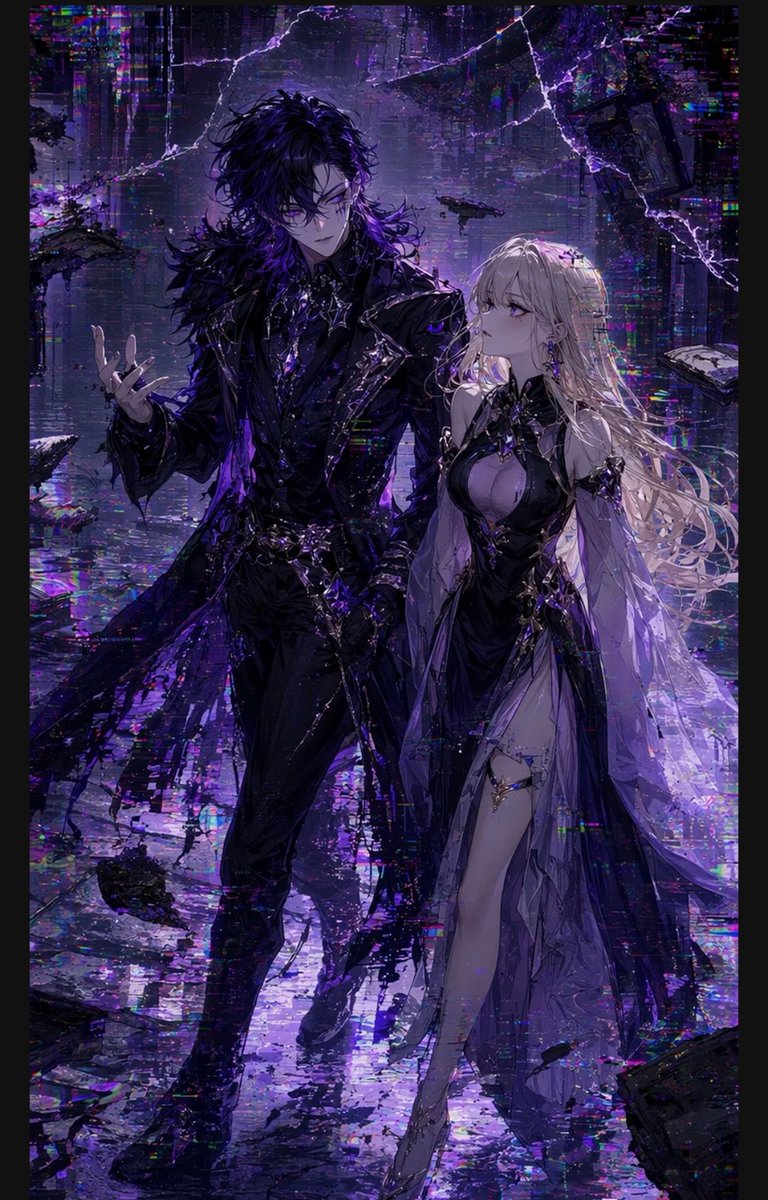
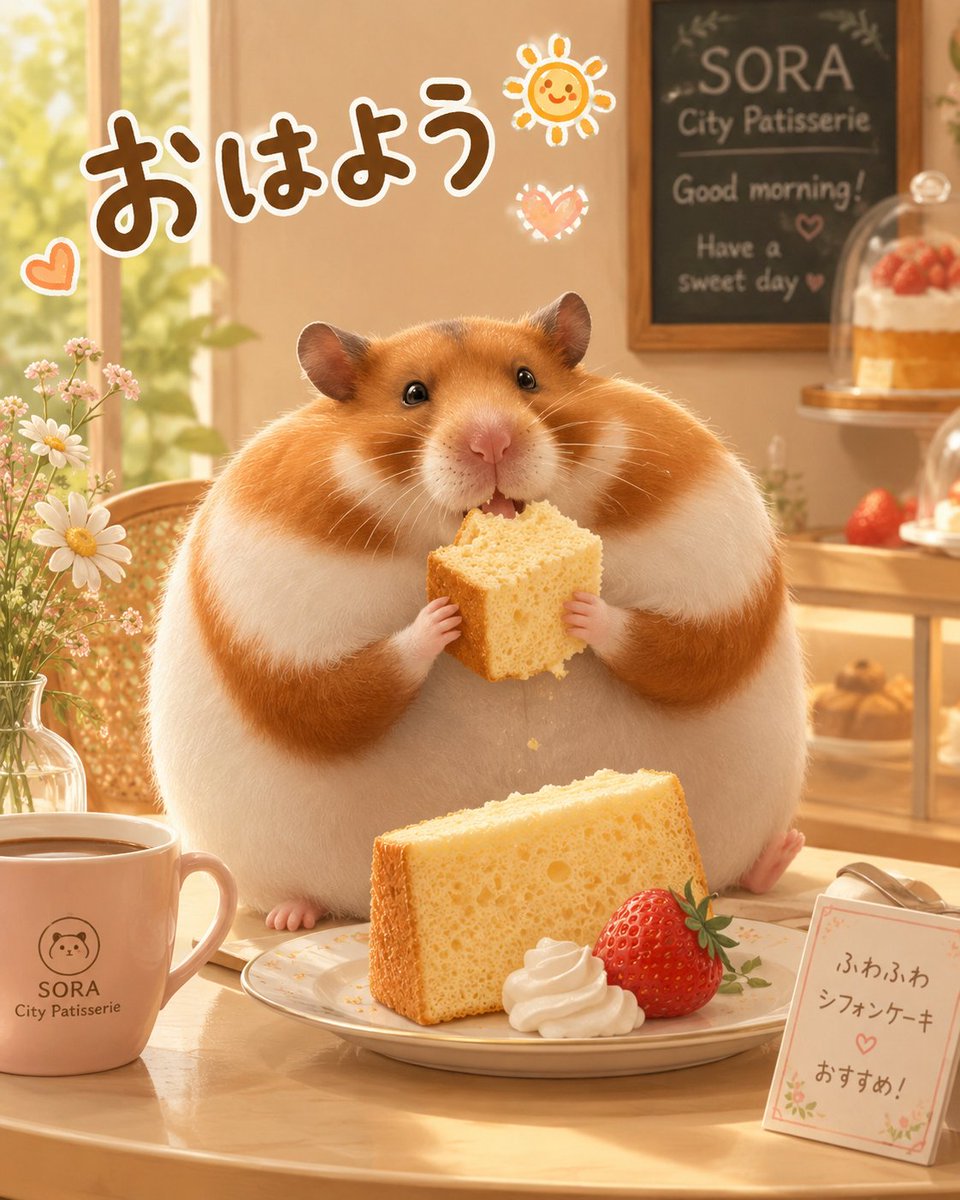
- Use this as a character design benchmark when you need a fast style baseline before rewriting your own prompt.
- It is especially helpful if your target overlaps with Neon, Illustration, Character and you want to judge the image result before tuning wording.
- Keep it as a control sample when you compare nearby prompt variants one variable at a time.
Visual Signals To Notice
- The clearest style signals here are Neon, Illustration, Character, so those should usually stay in your first rewrite.
- Look at silhouette, costume language, mood styling, and whether the character reads clearly at a glance.
- This case keeps 2 media outputs, which makes it easier to check whether the style remains stable across multiple results.
How The Prompt Is Structured
- The prompt reads as a long, highly specified prompt, which is useful when you want to judge how much specificity this direction needs.
- Its keyword cluster is centered on Neon, Illustration, Character, so you can usually keep that cluster while swapping subject, camera, layout, or copy details.
- A practical rewrite path is: keep the outcome, keep the strongest style cues, then replace only the subject and environment blocks.
Good Follow-up Questions
- What changes first if you keep Neon, Illustration, Character but switch the subject matter?
- Which part of the result comes from section-level structure (Character Design) versus tag-level style cues?
- Which related cases in the same section give you a cleaner or more extreme variation of the same direction?
Full Prompt
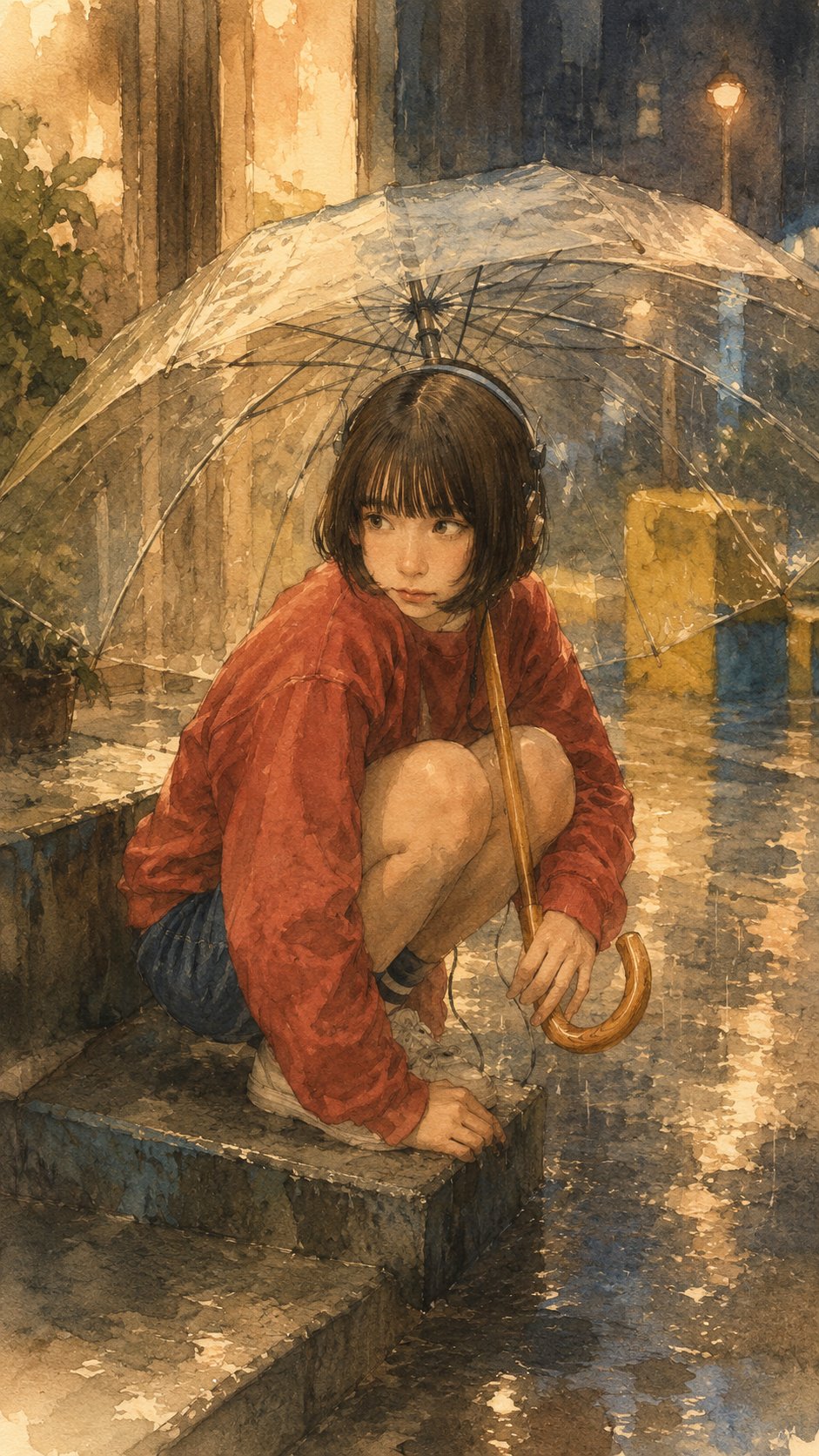
Please use my uploaded image as the sole reference to transform the scene into a gentle rainy night hand-drawn picture book illustration. Each image presented separately. Must retain the main character's identity, facial features and temperament, expressions, poses, clothing outlines, and the relationship between the main subjects in the original image. Do not change faces, do not change the character's perceived age, and do not change characters into strangers. Only reshape the painting style, color, light, background atmosphere, materials, and detail expression of the image. Screen Style: Gentle hand-drawn picture book illustration style, with delicate line work, slight watercolor bleeding, colored pencil texture, paper grain, and soft old picture book textures. The overall feeling is not photographic or 3D, but a quiet, delicate, and story-like hand-drawn illustration. Atmosphere Setting: Process the scene into a quiet street corner atmosphere on a rainy night or after rain at dusk. The air is humid, fine rain is falling, and there are visible raindrops, water vapor, puddles on the ground, and soft reflections in the scene. The overall emotion is gentle, quiet, and healing, like a page from a life picture book. Lighting: Use warm yellow indoor light or street light as the main emotional light source, with a cold-toned rainy night environment as the background. Warm light peeks out from windows, doorways, lanterns, shop windows, or indoor spaces, softly illuminating the character's edges, water marks on the ground, and surrounding small objects. The light is soft, not harsh, and not overexposed. Color: Use low-saturation, high-end vintage tones. The main color can be chosen from one of the following color schemes: 1. Deep ink green, warm yellow, caramel brown, creamy white, rainy night gray 2. Mist blue gray, cream yellow, dark brown, olive green, old paper color 3. Warm coffee, dark red-brown, gray-green, light apricot, carbon black 4. Rainy night blue, amber yellow, woody brown, gray-white, moss green 5. Milk tea color, smoky blue, warm orange light, deep olive, old book page yellow Background Treatment: If the background of the original image is complex, please simplify it to the atmosphere of a quiet city street corner, shop entrance, window side, bookstore, coffee shop, flower shop, or rainy night alley. The background can include lifelike elements such as wooden doors, glass windows, warm lamps, plants, signs, steps, umbrellas, and reflections in puddles, but do not over-stack them. Character Treatment: The character's facial features should maintain the characteristics of the original image but be changed to a soft hand-drawn style. Eyes, nose, mouth, and hairstyle are summarized with clean thin lines. The face retains a gentle expression. Do not over-beautify, no internet celebrity faces, and no exaggerated large eyes from 2D animation. Character proportions are natural, and the emotion is quiet. Detail Expression: Add fine rain, moist ground, faint reflections, paper texture, hand-drawn lines, slight graininess, soft brushstrokes, small flowers, small plants, small animals, or lifelike props. All details serve the atmosphere of the scene and should not overwhelm the main subject. Composition: Vertical 9:16. The main subject is clear, and the image has a sense of narrative and white space. The overall look is like a complete illustration work rather than a random AI illustration. Prohibited: Do not change the identity of the original character. Do not change faces. No realistic photography feel. No 3D rendering feel. No cyberpunk. No overly strong neon lights. No exaggerated large anime eyes. No cheap cartoon feel. No children's doodle feel. No excessive brightness or vividness. No complex or cluttered backgrounds. No real brand logos. No garbled text. No screen full of text. No watermarks, signatures, or borders. Do not obviously imitate any specific artist or specific animation studio. Do not directly copy the composition of characters, cats, bookstores, or umbrellas from reference images unless the original image itself contains these elements.