Case Media
Case Notes
This page keeps the media, full prompt, and original source together so you can inspect the result first and decide whether the prompt is worth copying, saving, or comparing.
Case Insights
To make this page easier to search, cite, and reuse later, the case is also broken down into practical guidance about usage, visual cues, and prompt structure.
Best Fit Scenarios
- Use this as a character design benchmark when you need a fast style baseline before rewriting your own prompt.
- It is especially helpful if your target overlaps with Illustration, Character, Minimal and you want to judge the image result before tuning wording.
- Keep it as a control sample when you compare nearby prompt variants one variable at a time.
Visual Signals To Notice
- The clearest style signals here are Illustration, Character, Minimal, so those should usually stay in your first rewrite.
- Look at silhouette, costume language, mood styling, and whether the character reads clearly at a glance.
- This case keeps one primary output, so the first image should be treated as the main visual reference.
How The Prompt Is Structured
- The prompt reads as a long, highly specified prompt, which is useful when you want to judge how much specificity this direction needs.
- Its keyword cluster is centered on Illustration, Character, Minimal, so you can usually keep that cluster while swapping subject, camera, layout, or copy details.
- A practical rewrite path is: keep the outcome, keep the strongest style cues, then replace only the subject and environment blocks.
Good Follow-up Questions
- What changes first if you keep Illustration, Character, Minimal but switch the subject matter?
- Which part of the result comes from section-level structure (Character Design) versus tag-level style cues?
- Which related cases in the same section give you a cleaner or more extreme variation of the same direction?
Full Prompt
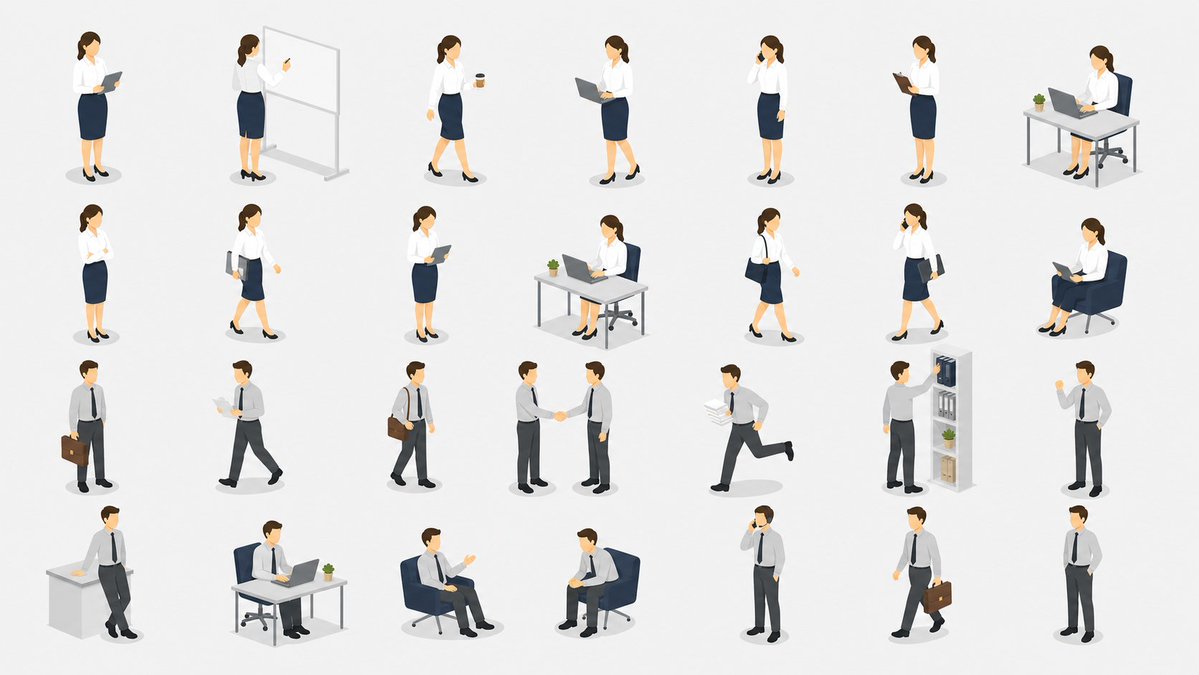
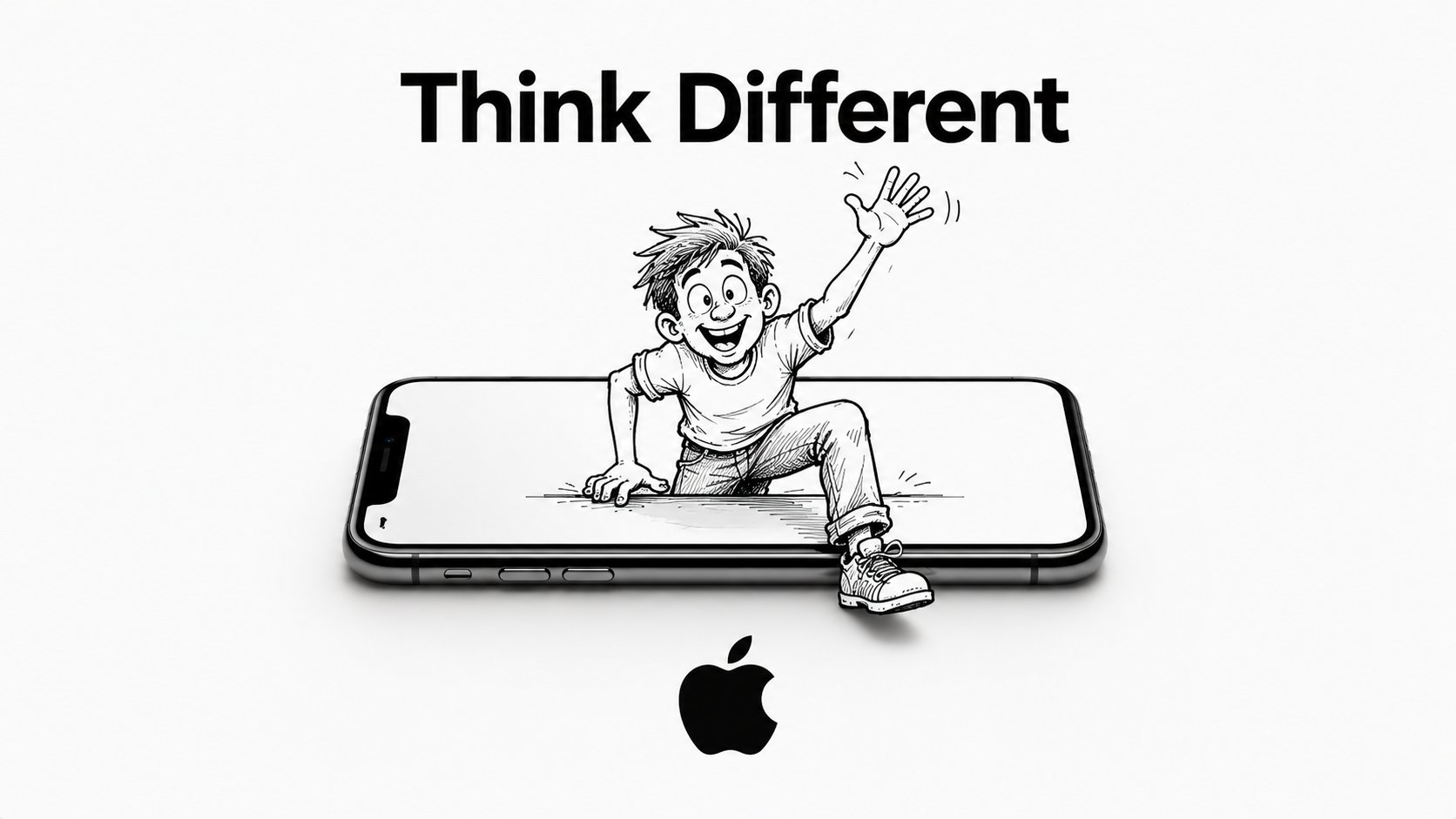
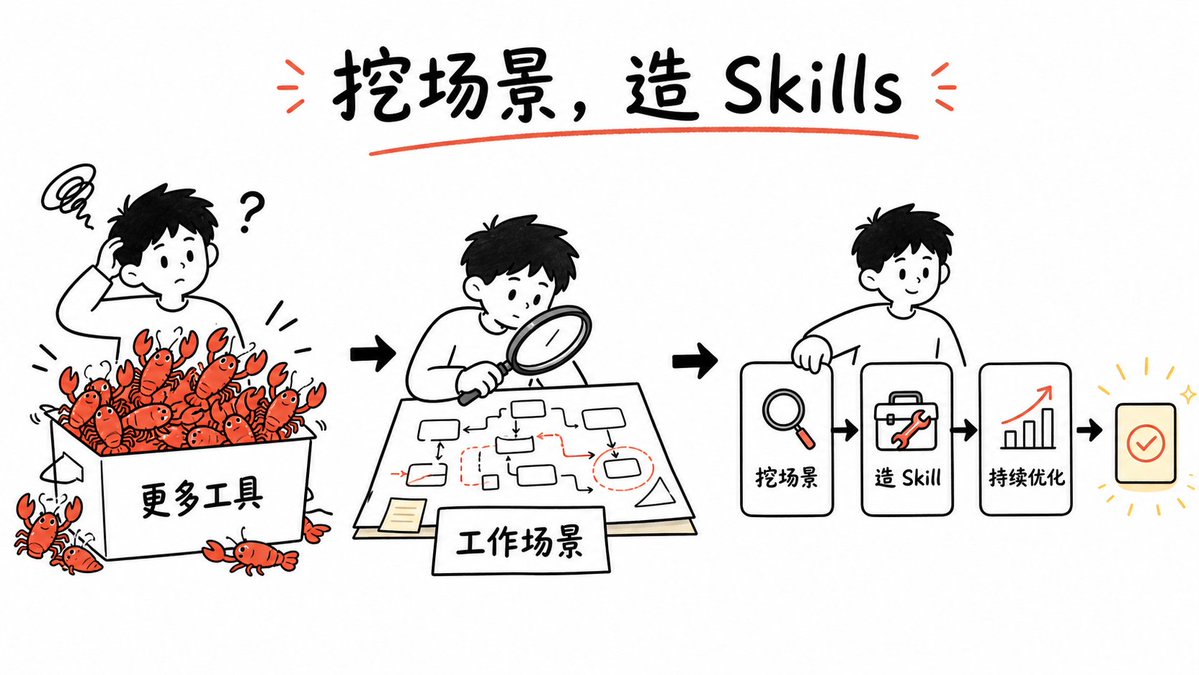
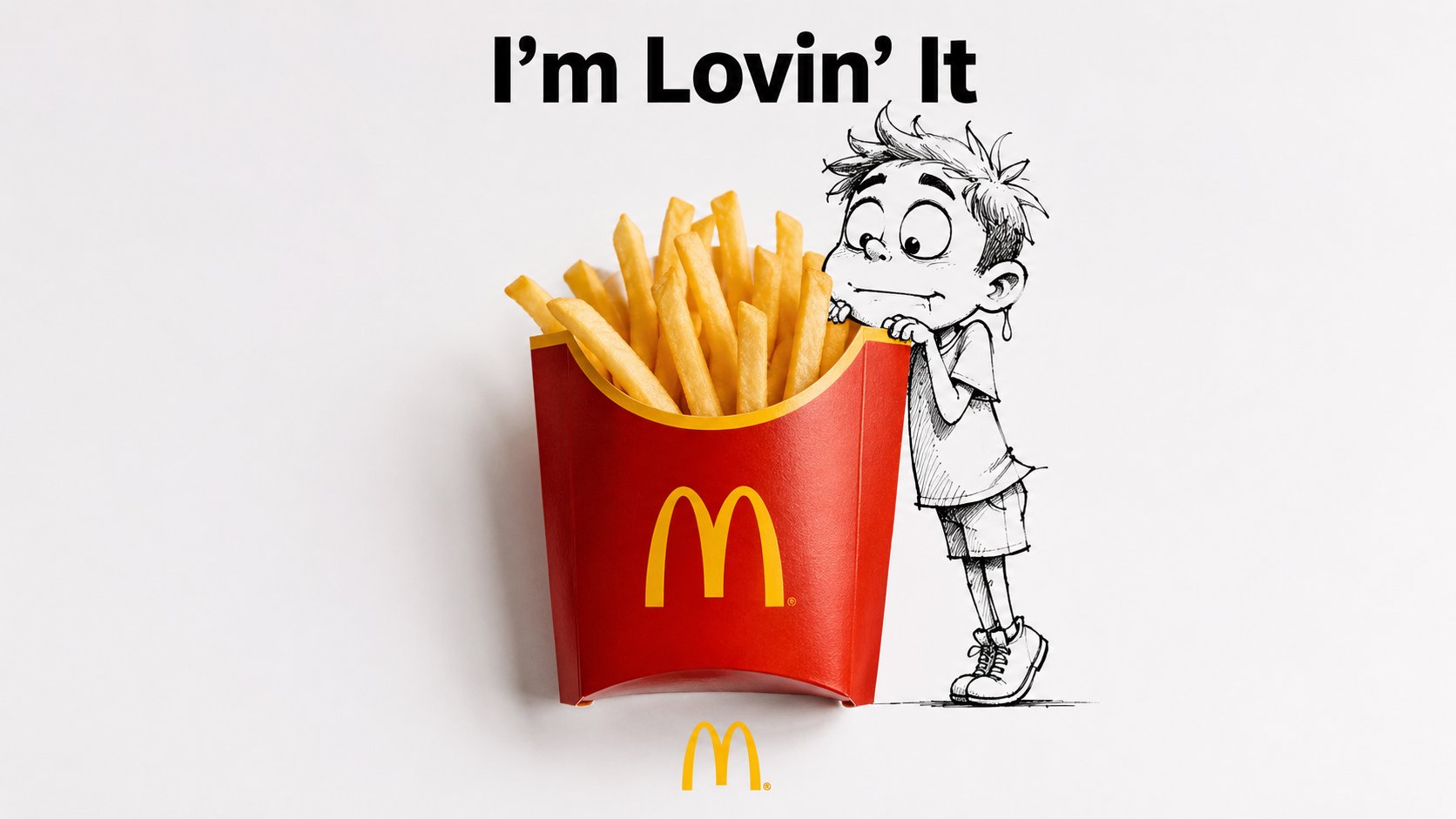
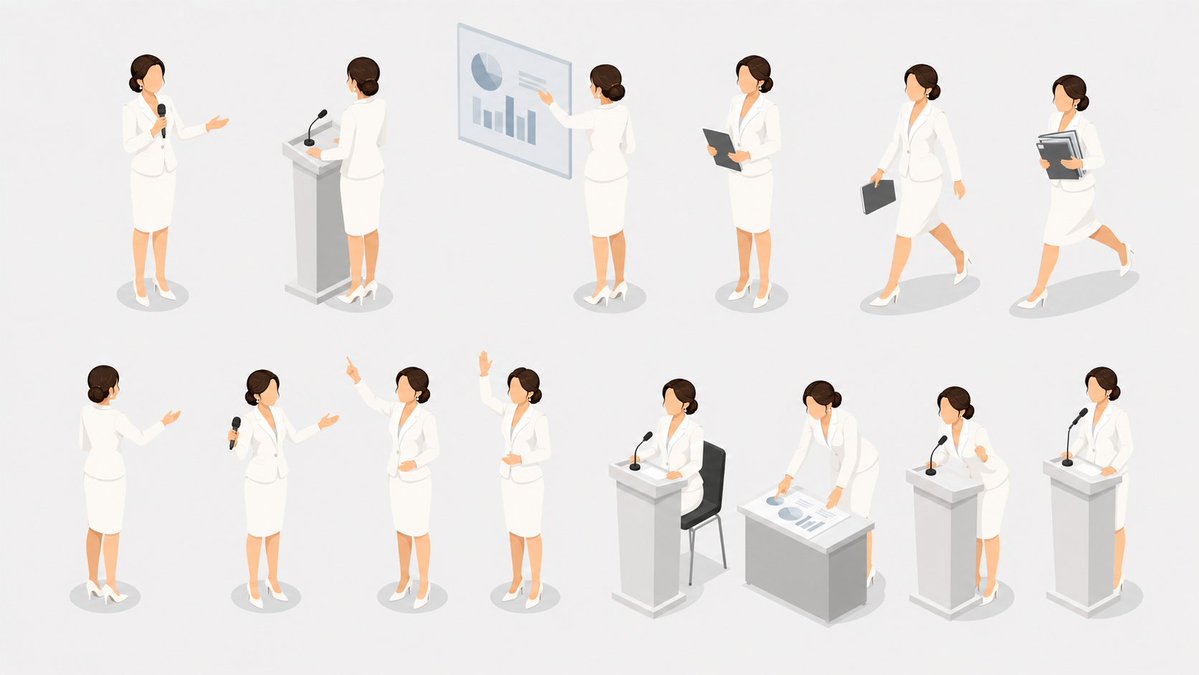
Goal: Create a clean isometric character pose sheet showing {argument name="character role" default="a professional female presenter"} in multiple presentation and business-meeting situations. Canvas: Wide horizontal 16:9 canvas with a light gray-white background, no borders, no title text, no watermark. Use generous spacing so each vignette reads as a separate pose. Visual style: Minimal modern isometric vector illustration, soft shadows under every figure and object, muted corporate palette, smooth flat shading, subtle gradients, crisp edges. The character should have fair skin, dark brown hair in a low bun, simplified faceless features, and wear {argument name="outfit" default="a white skirt suit with white high heels"}. Props should be light gray and white with small blue-gray chart accents. Layout: Arrange exactly 12 discrete isometric vignettes in two rows of six, evenly spaced across the canvas. Keep the scale consistent and show the character from varied isometric angles. Vignettes, exactly 12: 1. Front-facing woman standing and speaking into a handheld black microphone, one arm gesturing outward. 2. Rear-view woman standing behind a white podium with a gooseneck microphone. 3. Woman pointing at a transparent presentation board showing one pie chart and three vertical bar charts. 4. Woman standing with a dark tablet or clipboard held at chest height. 5. Woman walking while carrying a dark briefcase in one hand. 6. Woman walking quickly while holding a stack of folders and documents. 7. Rear three-quarter woman standing and gesturing to an unseen audience. 8. Woman holding a handheld microphone while presenting with an open-palmed gesture. 9. Woman standing confidently with one arm raised and index finger pointing upward. 10. Woman standing with one hand raised high as if asking or answering a question. 11. Woman seated at or standing behind a podium setup with a chair visible behind, speaking into a gooseneck microphone. 12. Woman leaning over a low table or desk with printed charts, reviewing or arranging presentation papers. Additional presentation furniture and props: Include exactly 3 separate white podiums with black gooseneck microphones, 1 transparent chart board, 1 low desk/table with papers, 1 chair, 1 handheld microphone in the first vignette, 1 handheld microphone in the eighth vignette, 1 tablet/clipboard, 1 briefcase, and 1 stack of documents. Avoid any readable text or logos.