Case Media
Case Notes
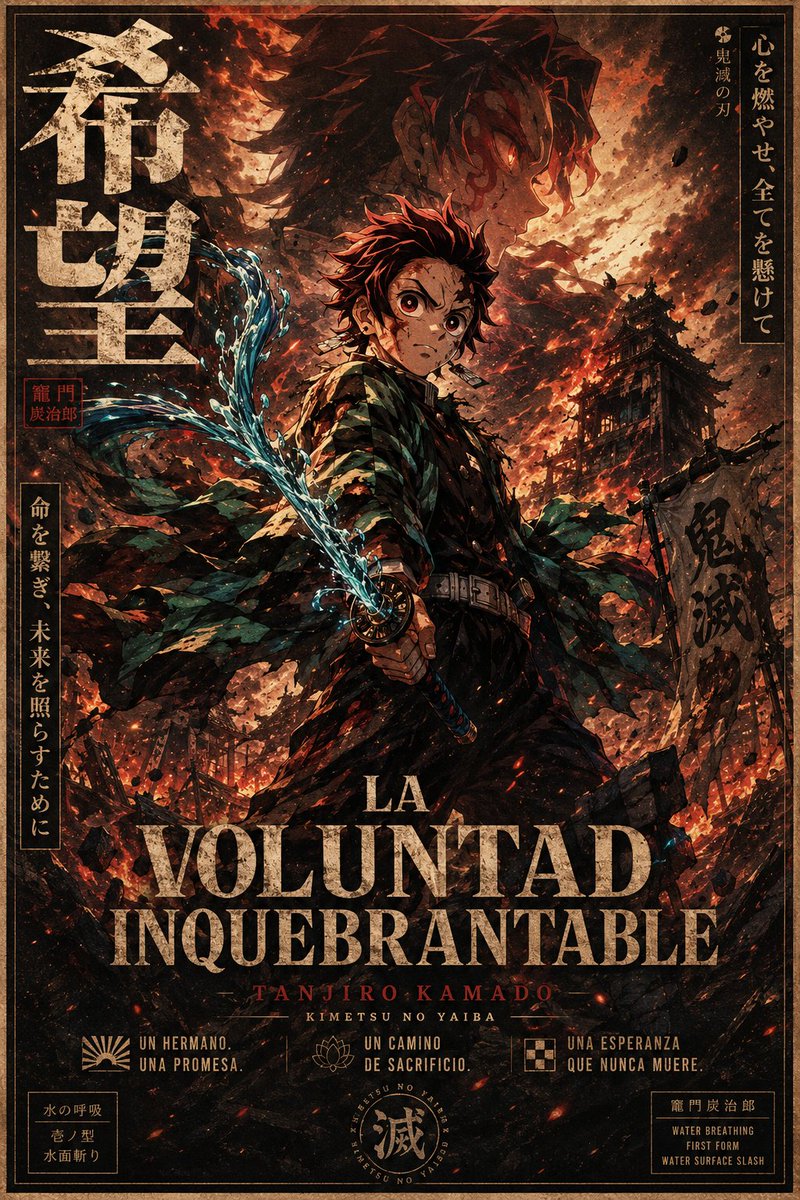
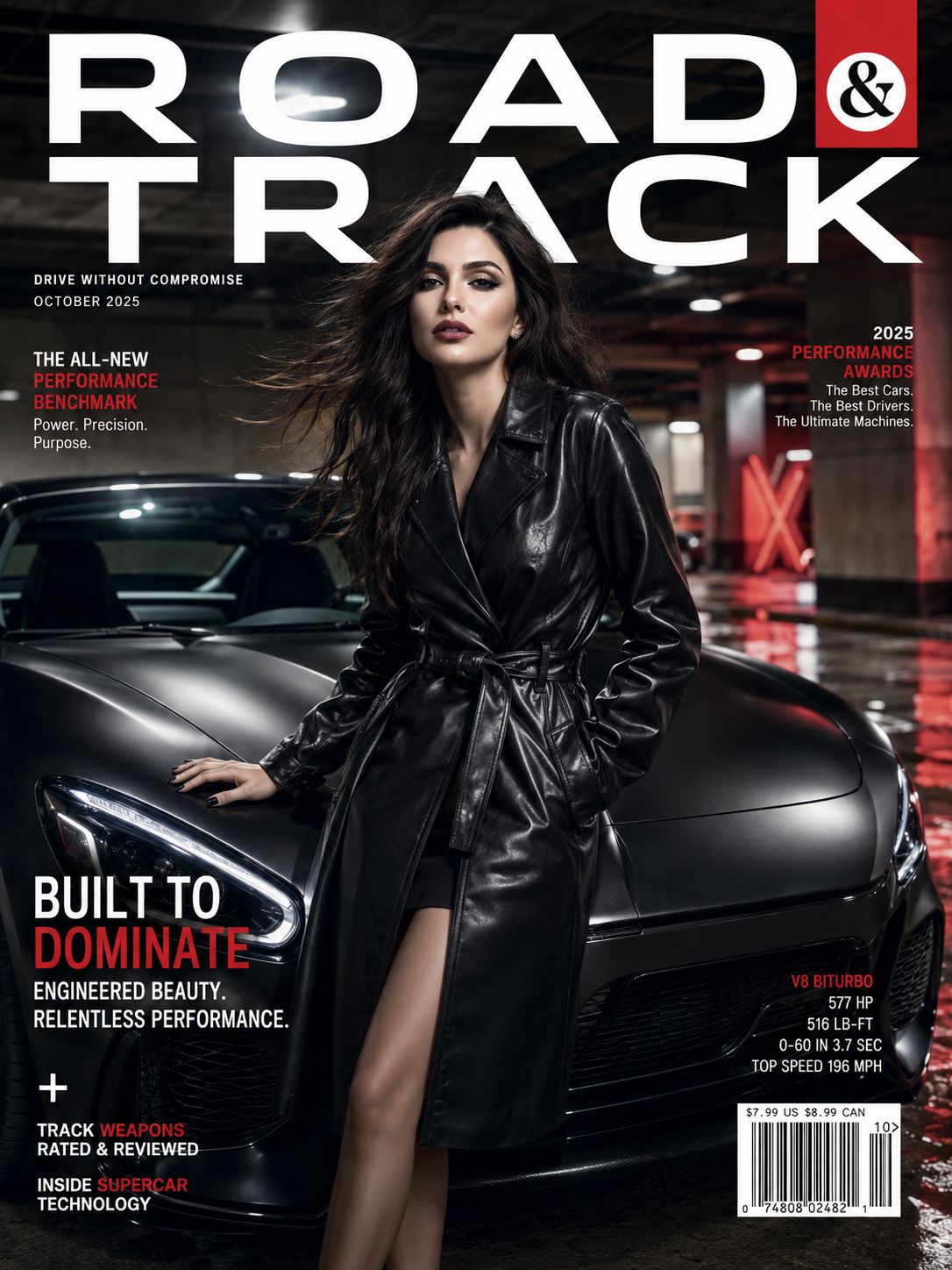
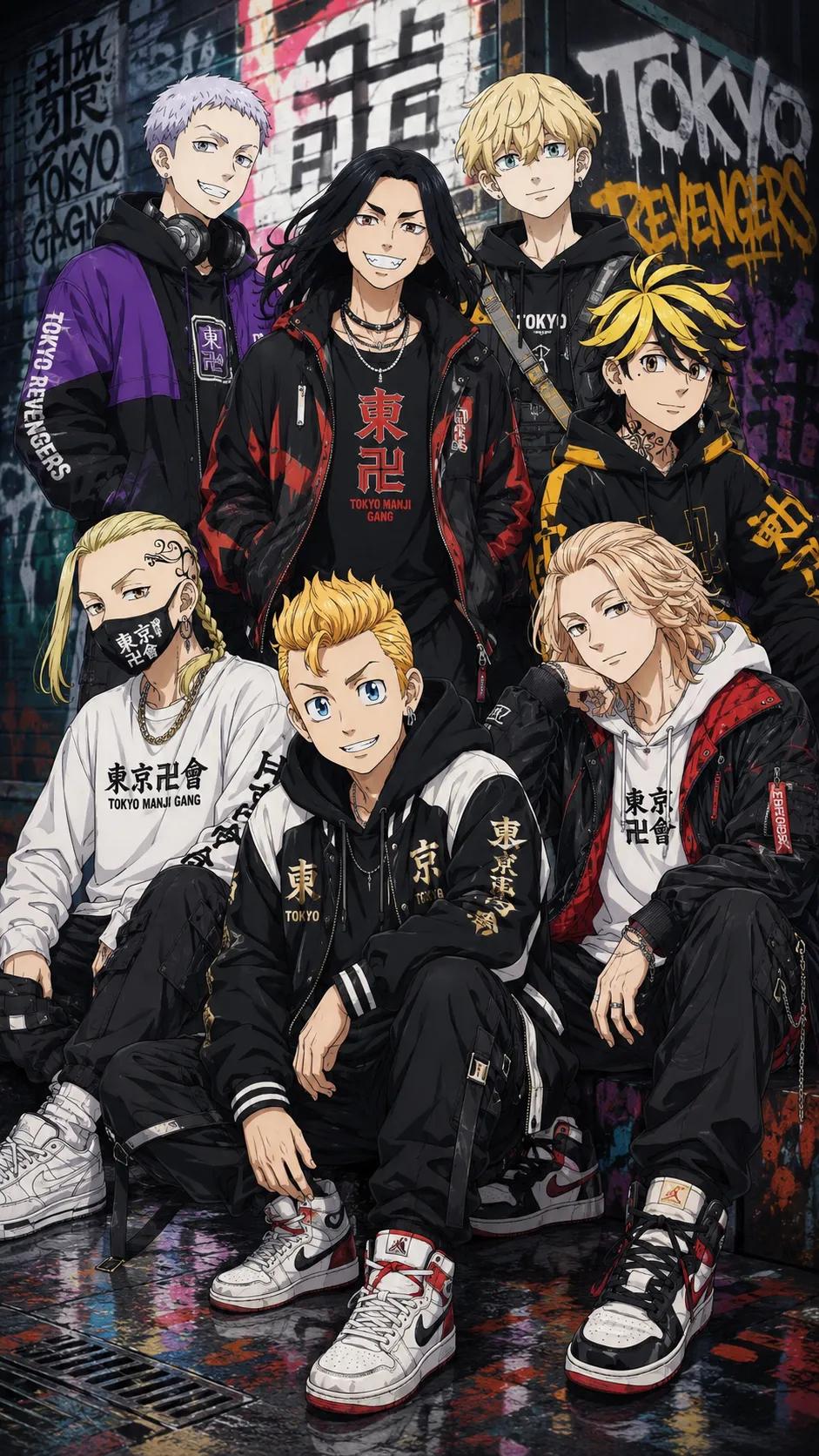
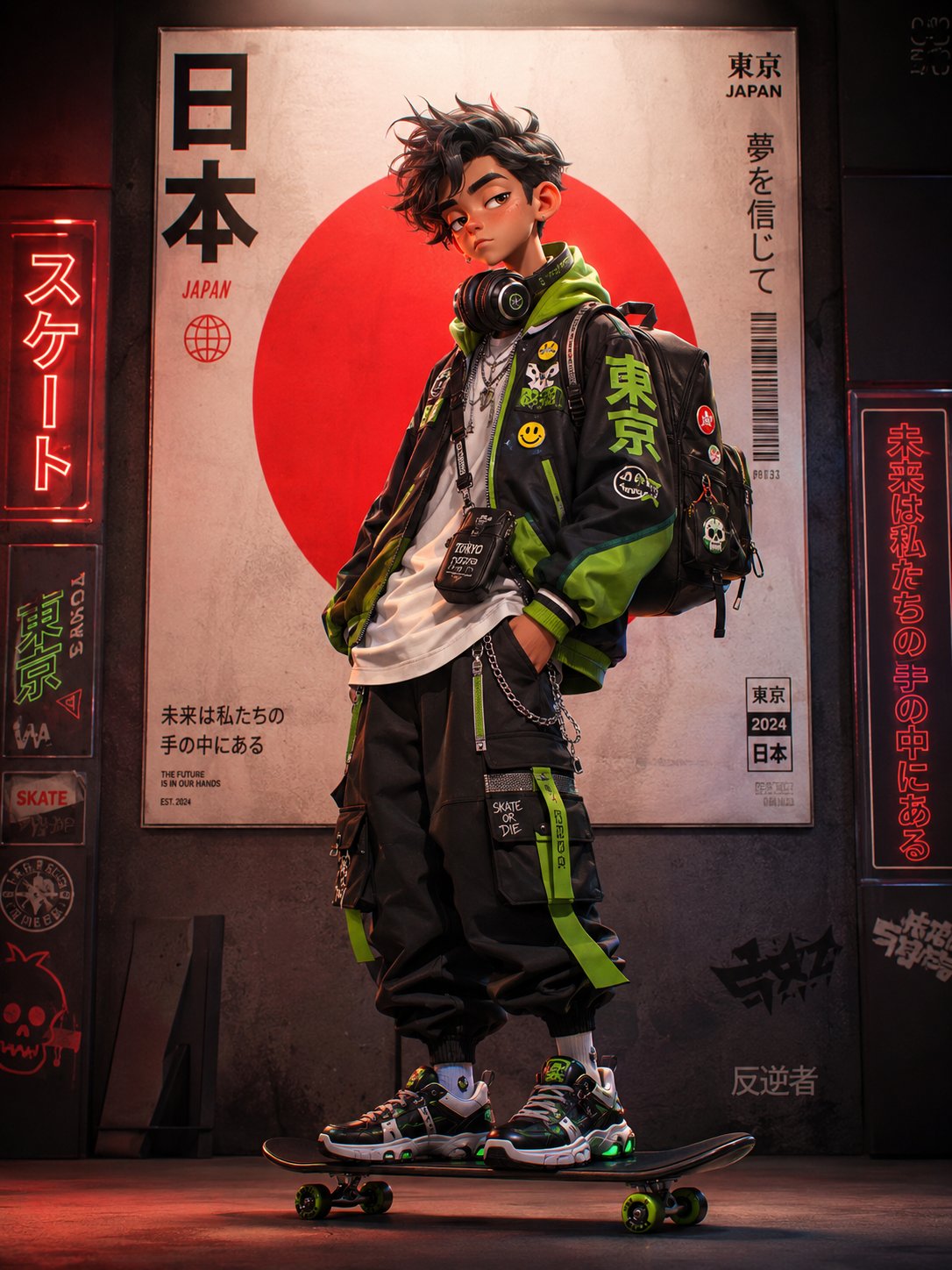
This page keeps the media, full prompt, and original source together so you can inspect the result first and decide whether the prompt is worth copying, saving, or comparing.
Case Insights
To make this page easier to search, cite, and reuse later, the case is also broken down into practical guidance about usage, visual cues, and prompt structure.
Best Fit Scenarios
- Use this as a character design benchmark when you need a fast style baseline before rewriting your own prompt.
- It is especially helpful if your target overlaps with 35mm, Neon, Portrait and you want to judge the image result before tuning wording.
- Keep it as a control sample when you compare nearby prompt variants one variable at a time.
Visual Signals To Notice
- The clearest style signals here are 35mm, Neon, Portrait, so those should usually stay in your first rewrite.
- Look at silhouette, costume language, mood styling, and whether the character reads clearly at a glance.
- This case keeps 2 media outputs, which makes it easier to check whether the style remains stable across multiple results.
How The Prompt Is Structured
- The prompt reads as a long, highly specified prompt, which is useful when you want to judge how much specificity this direction needs.
- Its keyword cluster is centered on 35mm, Neon, Portrait, so you can usually keep that cluster while swapping subject, camera, layout, or copy details.
- A practical rewrite path is: keep the outcome, keep the strongest style cues, then replace only the subject and environment blocks.
Good Follow-up Questions
- What changes first if you keep 35mm, Neon, Portrait but switch the subject matter?
- Which part of the result comes from section-level structure (Character Design) versus tag-level style cues?
- Which related cases in the same section give you a cleaner or more extreme variation of the same direction?
Full Prompt
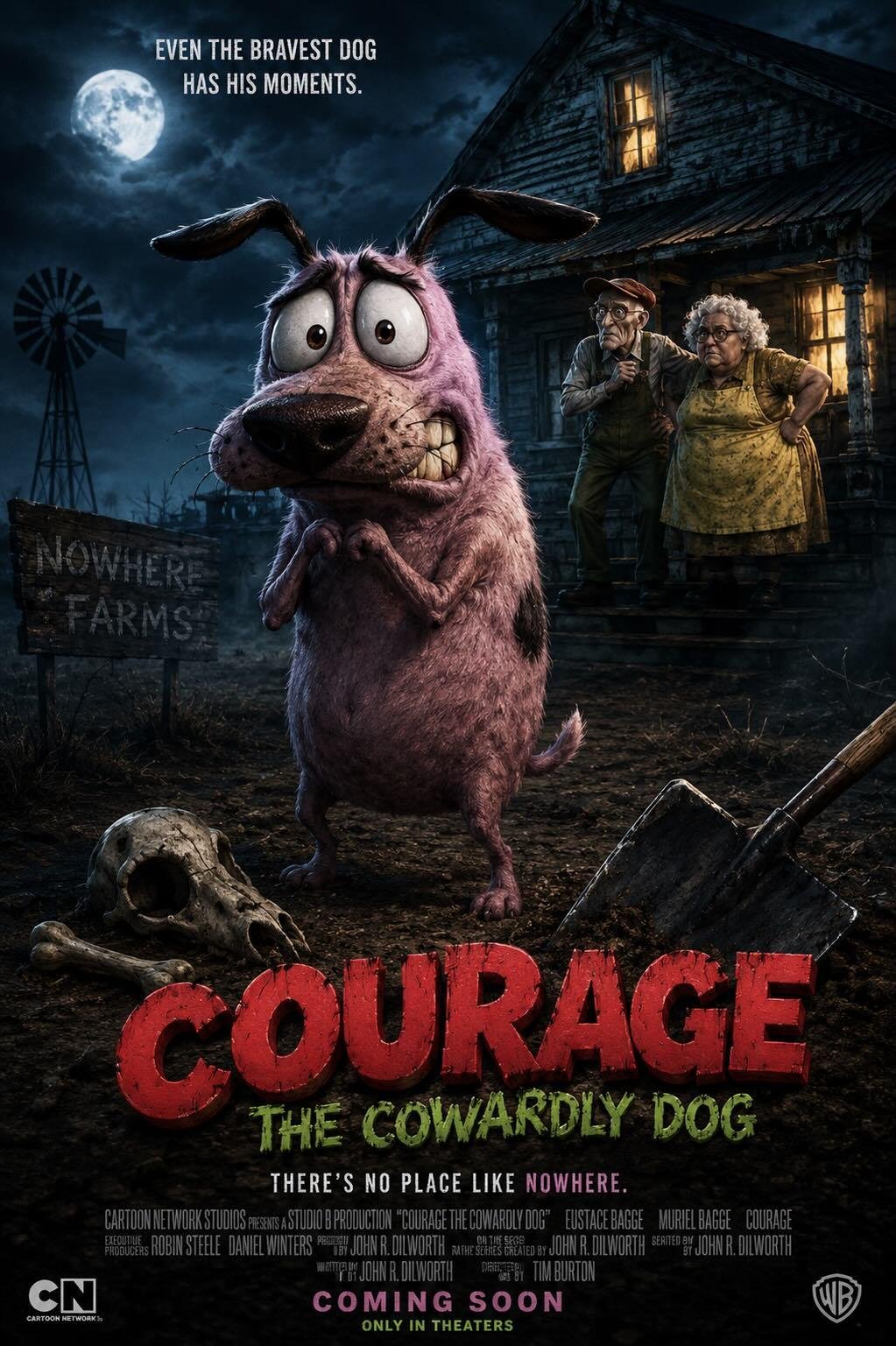
Ultra-Realistic AAA Movie Poster Conversion Use the uploaded image as the reference subject. Analyze its design, personality, silhouette, costume, colors, facial expression, powers, weapons, props, symbols, allies, enemies, and world. Transform the subject into a believable ultra-realistic live-action cinematic version while preserving its recognizable identity. The subject may be a cartoon, anime, comic, mascot, video game character, hero, villain, sci-fi, or fantasy figure. Create a premium vertical Hollywood blockbuster theatrical poster with dramatic composition, rich world-building, and AAA key-art quality. Core Goal Reimagine the subject as the lead character of a major live-action film adaptation. The poster should: - preserve the character's identity - translate the design into realism - build a cinematic universe around the character - include supporting characters and enemies - use the original color palette - feel like authentic theatrical key art Character Preservation Preserve: - silhouette and facial attitude - hairstyle or head shape - costume structure and colors - signature props, weapons, gadgets, powers, and symbols - personality and iconic presence Stylized or cartoon features should be reinterpreted realistically while remaining recognizable. Poster Composition - Top: giant close-up portrait of the realistic main character. - Center: full-body heroic pose on a story-related environment. - Sides: supporting cast, allies, rivals, villains, creatures, robots, or secondary characters. - Middle and lower areas: action scenes, props, symbols, and world details. - Lower third: large cinematic title. - Bottom: tagline and tiny production credits. Maintain clear hierarchy and professional ensemble poster composition. Supporting Cast & World-Building Automatically incorporate connected characters, enemies, creatures, vehicles, weapons, symbols, and iconic locations from the original universe. Build an immersive world appropriate to the series, such as futuristic cities, laboratories, castles, battlefields, alien planets, magical realms, or cyberpunk environments. Add cinematic atmosphere: clouds, smoke, embers, lightning, fog, energy glows, sparks, debris, explosions, particles, ships, drones, creatures, and depth. Color & Lighting Derive the palette from the original character. Use cinematic split tones: - cool colors: blue, teal, violet, steel, neon - warm colors: orange, red, gold, fire Illuminate the main character with: - strong rim light - dramatic backlight - volumetric lighting - atmospheric glow - reflective highlights - filmic color grading Realism Style Render everything like a high-budget live-action adaptation with: - realistic skin and hair - premium materials and textures - believable anatomy - cinematic depth - weathering and environmental effects - realistic light interaction Style: Hollywood key art, AAA concept poster, IMAX theatrical poster, franchise reboot. Title Area Large cinematic title: [MOVIE TITLE / CHARACTER NAME] Below it add: [TAGLINE] Include tiny fake production credits for authentic theatrical realism. Rendering Quality Ultra-realistic, cinematic, dramatic, intricate, polished, story-driven, visually balanced, rich atmospheric depth, blockbuster key-art quality, high detail, 8K. Negative Prompt Avoid: flat cartoon rendering, generic fan art, childish composition, clutter, poor anatomy, distorted hands, extra limbs, warped faces, identity loss, wrong colors, unrelated characters, plastic skin, duplicated characters, messy layouts, bad perspective, unreadable titles, weak lighting, empty backgrounds, inconsistent realism, poor color harmony, and low-budget cosplay appearance.