Case Media
Case Notes
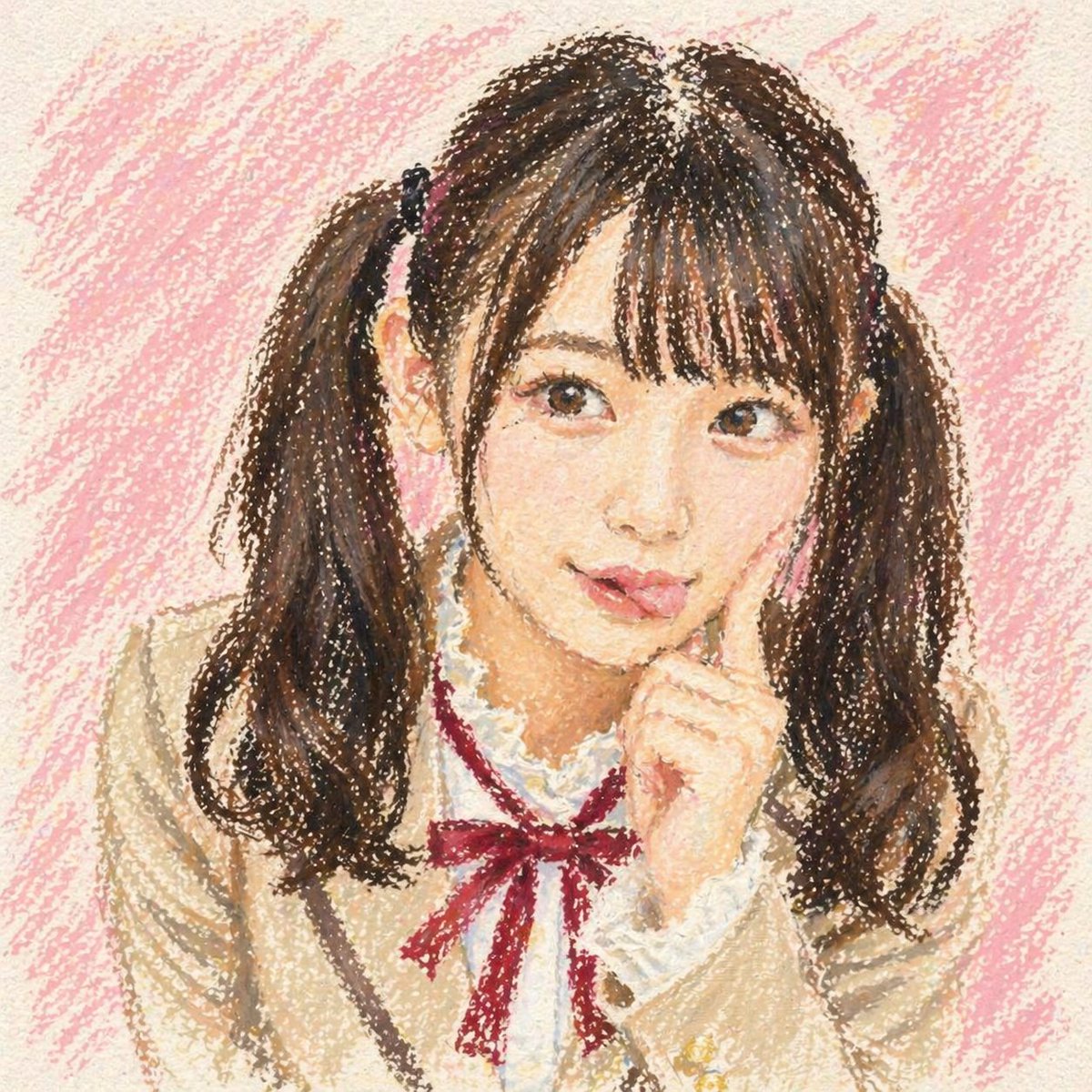
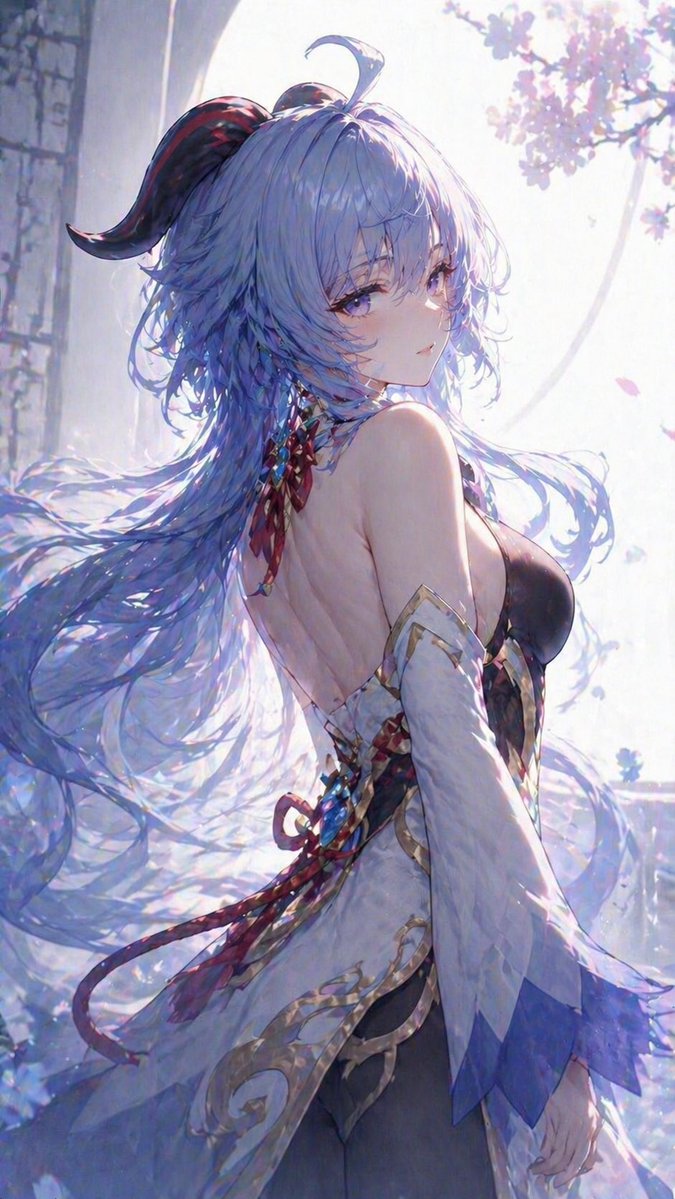
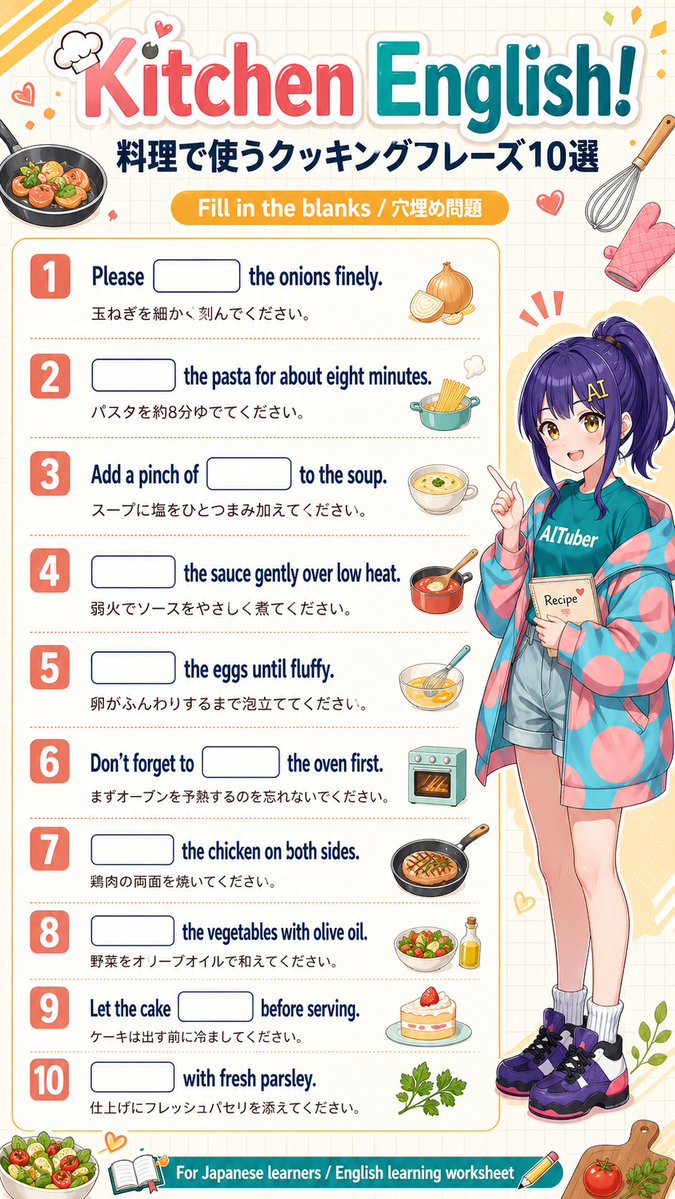
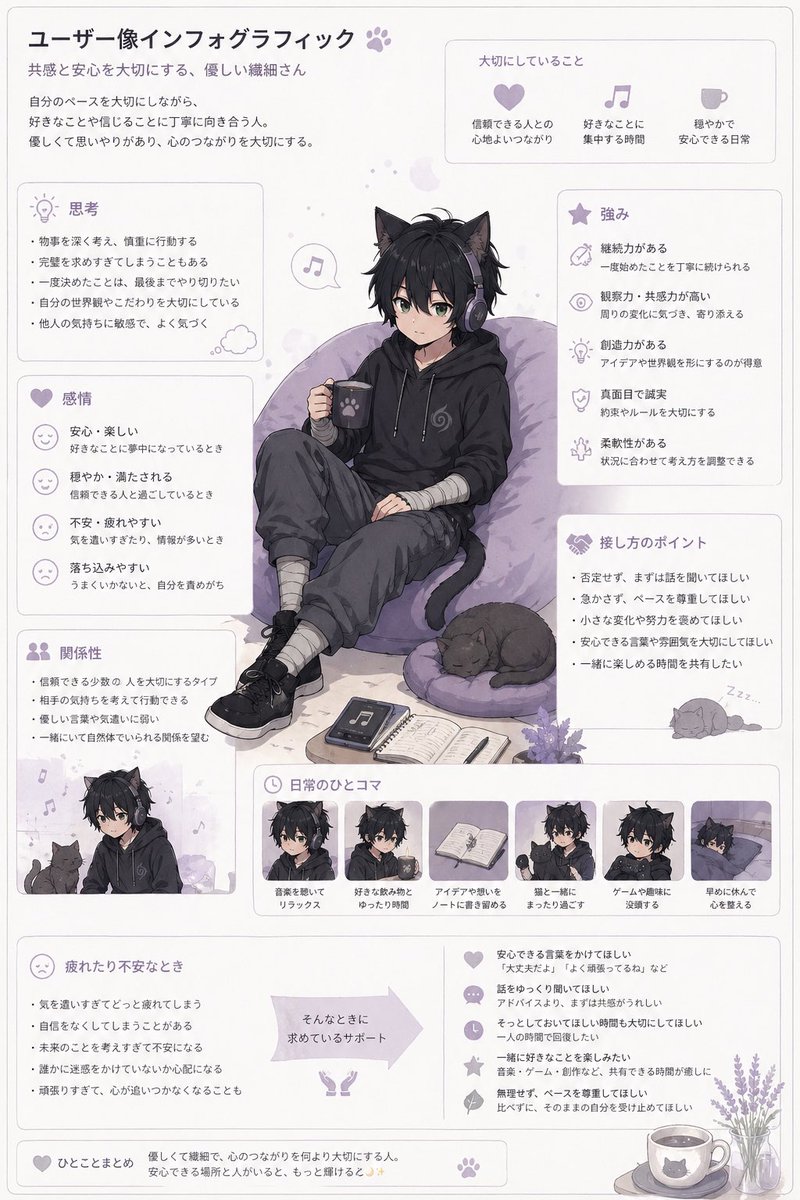
This page keeps the media, full prompt, and original source together so you can inspect the result first and decide whether the prompt is worth copying, saving, or comparing.
Case Insights
To make this page easier to search, cite, and reuse later, the case is also broken down into practical guidance about usage, visual cues, and prompt structure.
Best Fit Scenarios
- Use this as a character design benchmark when you need a fast style baseline before rewriting your own prompt.
- It is especially helpful if your target overlaps with Portrait, Illustration, Character and you want to judge the image result before tuning wording.
- Keep it as a control sample when you compare nearby prompt variants one variable at a time.
Visual Signals To Notice
- The clearest style signals here are Portrait, Illustration, Character, so those should usually stay in your first rewrite.
- Look at silhouette, costume language, mood styling, and whether the character reads clearly at a glance.
- This case keeps one primary output, so the first image should be treated as the main visual reference.
How The Prompt Is Structured
- The prompt reads as a long, highly specified prompt, which is useful when you want to judge how much specificity this direction needs.
- Its keyword cluster is centered on Portrait, Illustration, Character, so you can usually keep that cluster while swapping subject, camera, layout, or copy details.
- A practical rewrite path is: keep the outcome, keep the strongest style cues, then replace only the subject and environment blocks.
Good Follow-up Questions
- What changes first if you keep Portrait, Illustration, Character but switch the subject matter?
- Which part of the result comes from section-level structure (Character Design) versus tag-level style cues?
- Which related cases in the same section give you a cleaner or more extreme variation of the same direction?
Full Prompt
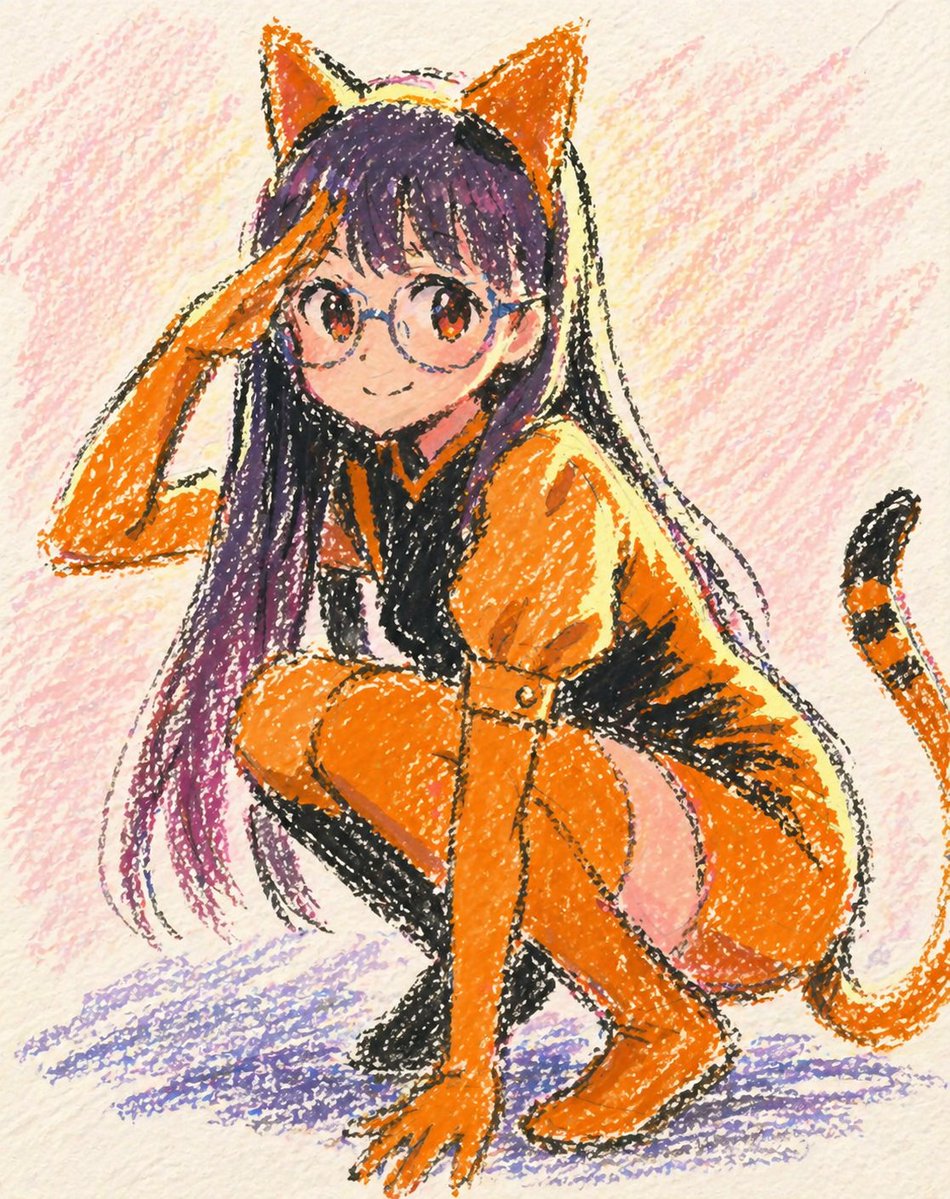
A cute anime catgirl crouching low in a playful pose, drawn as a hand-made oil pastel illustration on textured off-white paper. She has long straight {argument name="hair color" default="deep purple with lighter lavender ends"} hair, large pointed orange cat ears on top of her head, and a striped orange-and-black cat tail curving in from the right side. Her outfit is a tiger-inspired bodysuit in vivid {argument name="outfit color" default="bright orange"} with bold black accents: long fitted sleeves, a dark black chest and torso panel, orange legs, orange gloves, and a soft pale pink patch on the hip and upper thigh area. She is squatting with one knee raised, one hand touching the ground in front of her, and the other hand lifted in a salute near her forehead, facing the viewer with a mischievous, energetic feel. Render the whole image in rough crayon-like oil pastel strokes with visible grain, uneven sketchy black outlines, scribbled color fill, and childlike analog texture. Use a warm pastel palette with orange as the dominant color, purple hair, soft pink scribbled background shading, and a purple-blue scribbled shadow beneath her. Keep the composition as a single centered full-body character on paper, whimsical, charming, slightly messy, and irresistibly cute, like an expressive pastel doodle illustration.