Case Media
Case Notes
This page keeps the media, full prompt, and original source together so you can inspect the result first and decide whether the prompt is worth copying, saving, or comparing.
Case Insights
To make this page easier to search, cite, and reuse later, the case is also broken down into practical guidance about usage, visual cues, and prompt structure.
Best Fit Scenarios
- Use this as a character design benchmark when you need a fast style baseline before rewriting your own prompt.
- It is especially helpful if your target overlaps with 35mm, Portrait, Fashion and you want to judge the image result before tuning wording.
- Keep it as a control sample when you compare nearby prompt variants one variable at a time.
Visual Signals To Notice
- The clearest style signals here are 35mm, Portrait, Fashion, so those should usually stay in your first rewrite.
- Look at silhouette, costume language, mood styling, and whether the character reads clearly at a glance.
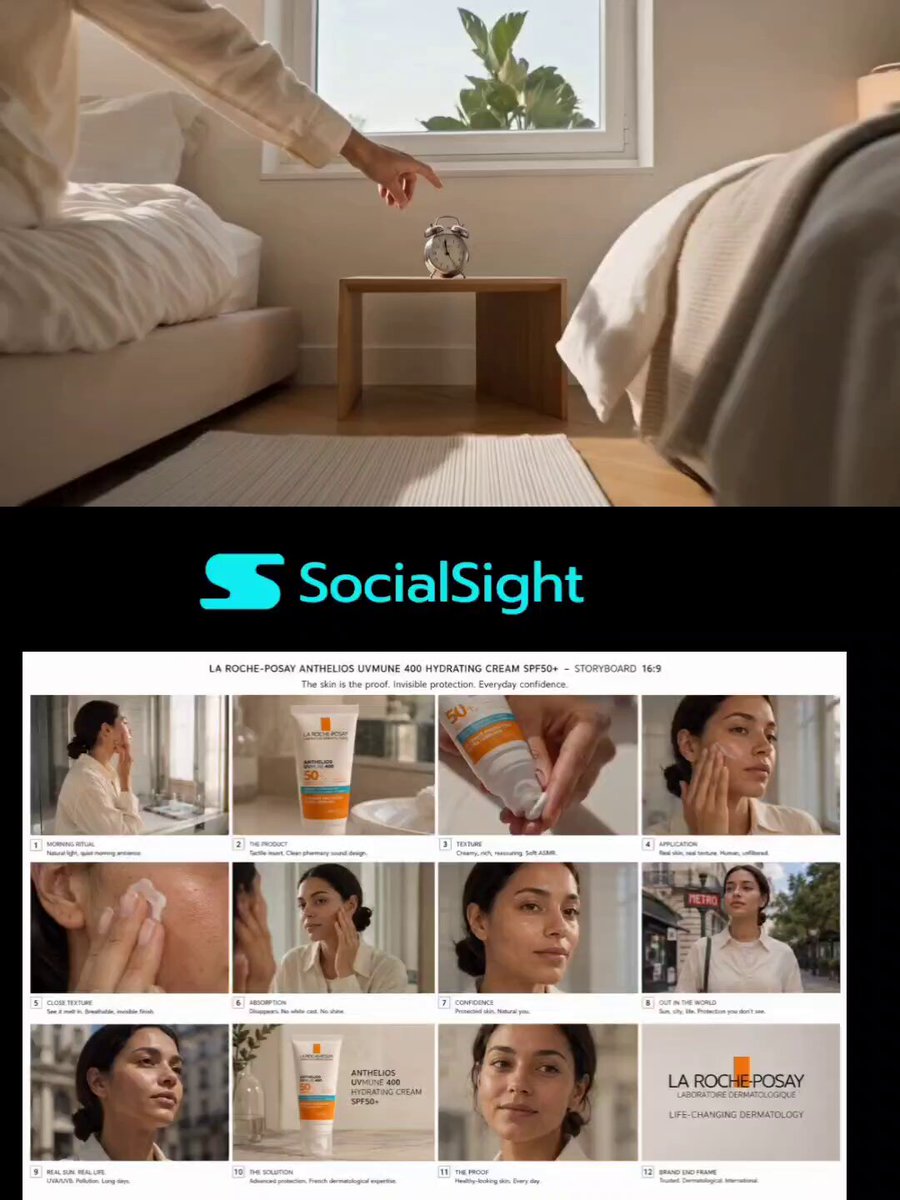
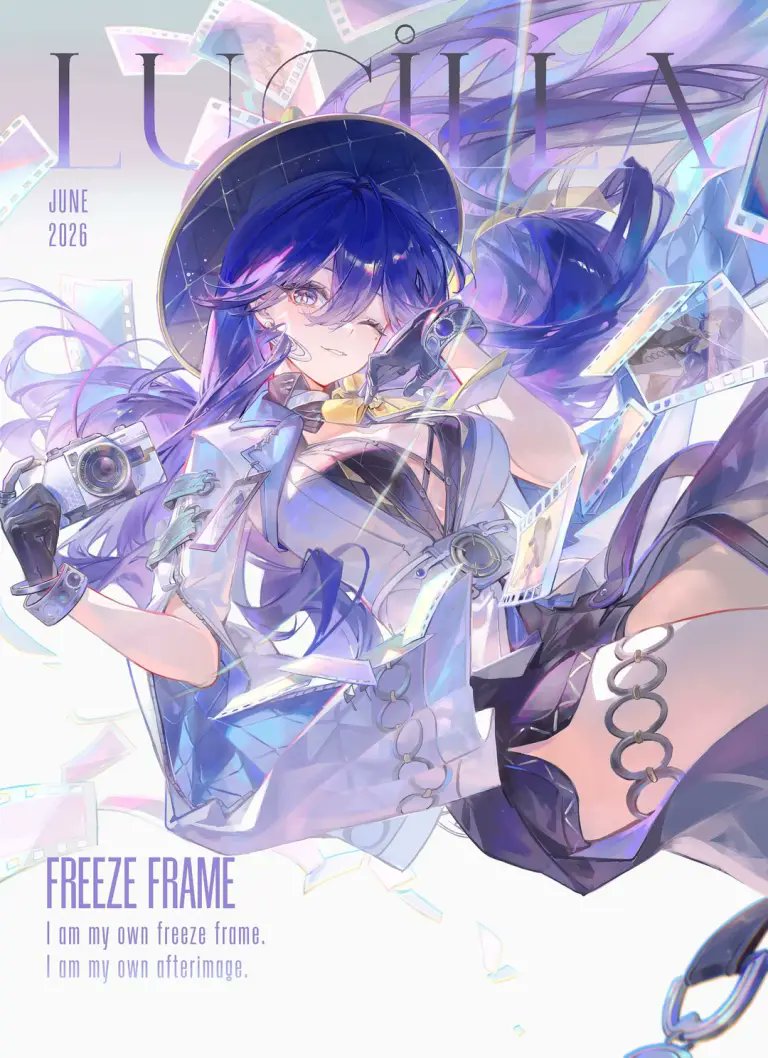
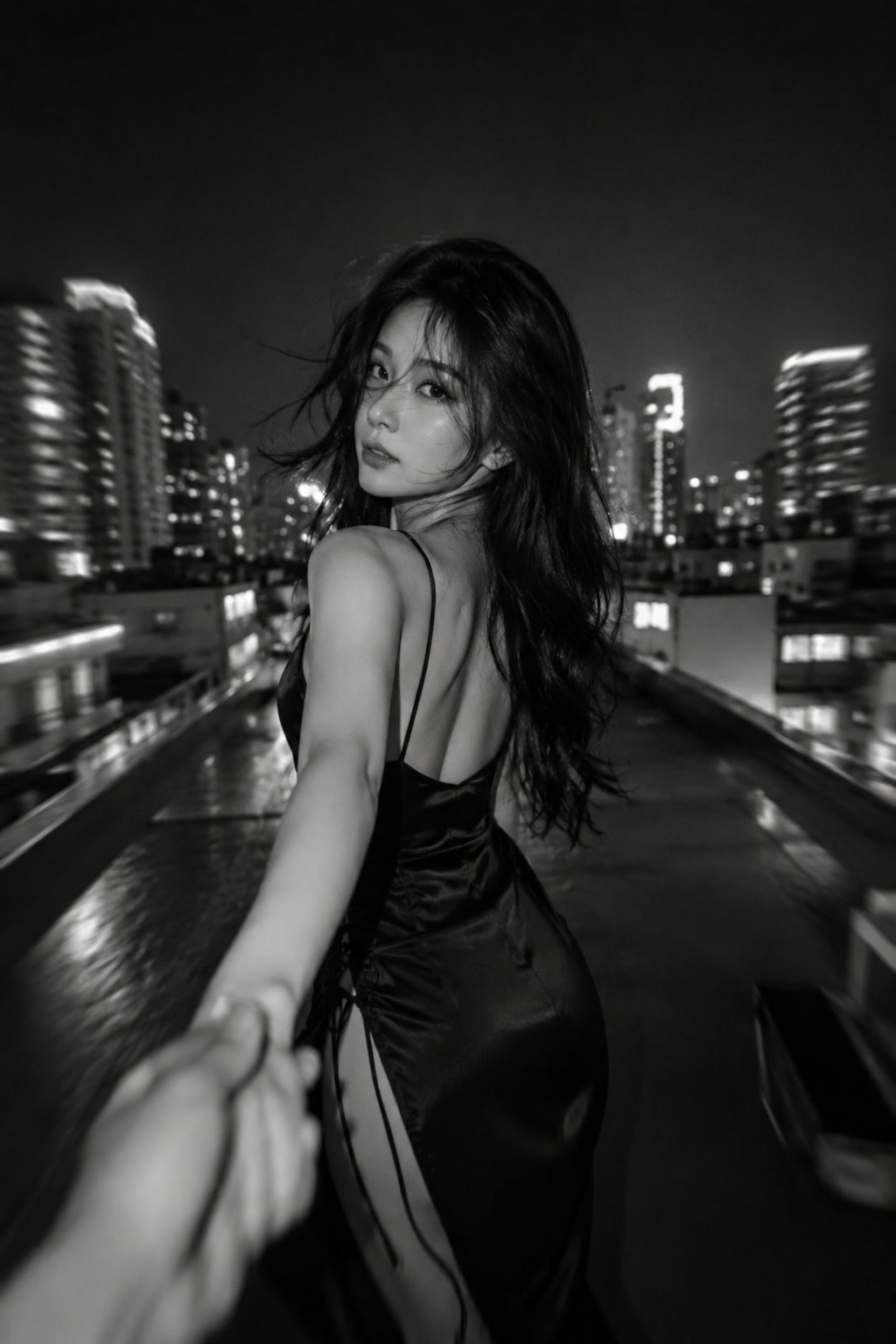
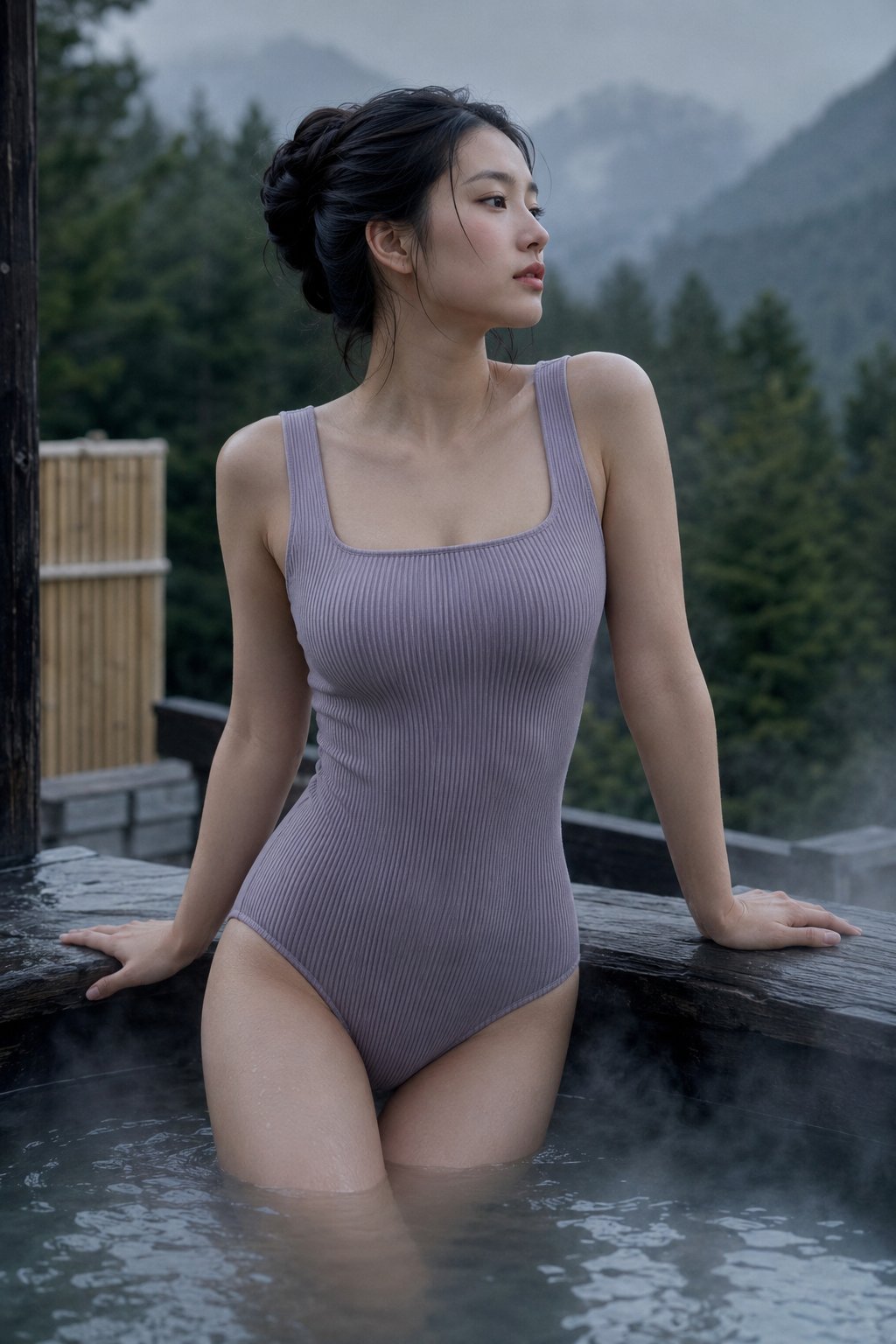
- This case keeps 2 media outputs, which makes it easier to check whether the style remains stable across multiple results.
How The Prompt Is Structured
- The prompt reads as a long, highly specified prompt, which is useful when you want to judge how much specificity this direction needs.
- Its keyword cluster is centered on 35mm, Portrait, Fashion, so you can usually keep that cluster while swapping subject, camera, layout, or copy details.
- A practical rewrite path is: keep the outcome, keep the strongest style cues, then replace only the subject and environment blocks.
Good Follow-up Questions
- What changes first if you keep 35mm, Portrait, Fashion but switch the subject matter?
- Which part of the result comes from section-level structure (Character Design) versus tag-level style cues?
- Which related cases in the same section give you a cleaner or more extreme variation of the same direction?
Full Prompt
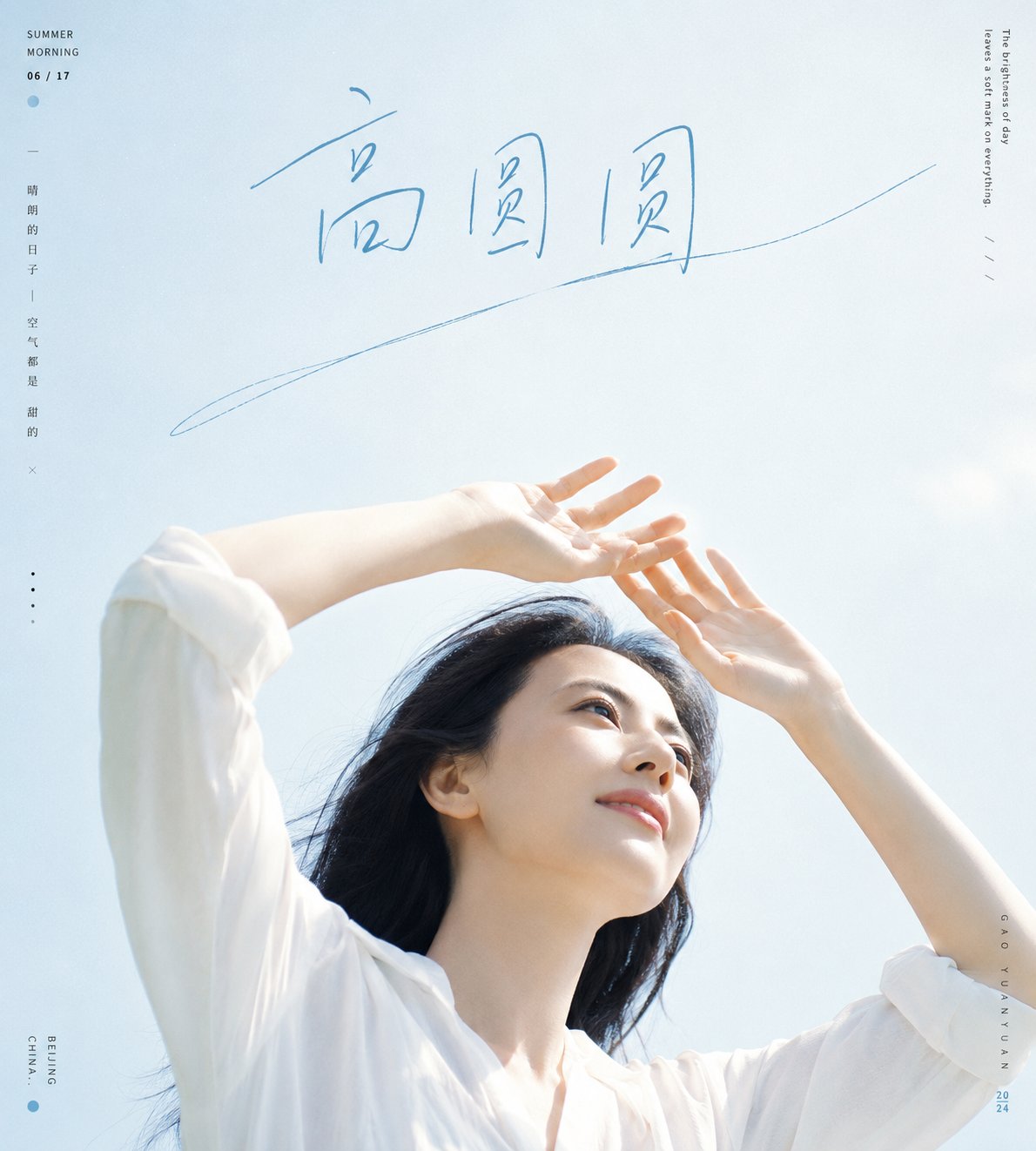
Generate a bright and clear portrait-style visual based on the specific theme content: the subject enters from the bottom of the frame, presented from a close-up, low-angle, looking-up perspective, with the body and arms forming an upward curve, hands blocking strong light above the face, and gaze chasing the blank space above, creating a refreshing, brisk, and summer-airy relationship between the character and the light source. The background occupies a large area as the main visual field, maintaining high brightness, cleanliness, breathability, and slight film grain, with soft edges but overall clarity, without adding heavy shadows or dirty, old filters. Colors are extracted from the theme's own season, materials, and emotions: the background bears the bright and clean structural base color, while the character's clothing and skin tone remain soft and natural, dark colors are only used for hair strands, gaze, or small information layers, and accent colors appear clearly in small areas; the overall image maintains high brightness, low turbidity, breathable color scales, and a bright and brisk mood. Handwritten-style large titles or signature-like lines are added to the blank space above, with strokes that are slender, elongated, slightly tilted, and featuring 'flying white' (dry brush) effects, like light lines blown by sunlight; small text is placed near the edges in restrained narrow columns or fine short lines, forming the editorial rhythm of a magazine inner page. The character is realistic, with translucent skin and simple clothing, the photo texture is soft yet clear, and the visual focus is the sunny sense of memory created by the large area of pure background, upward-looking body movements, floating handwritten words, and micro-typography on the edges. Around the specific theme content, generate a bright and clear portrait-style visual: the subject enters from the bottom of the frame, presented from a close-up, low-angle, looking-up perspective, with the body and arms forming an upward curve, hands blocking strong light above the face, and gaze chasing the blank space above, creating a refreshing, brisk, and summer-airy relationship between the character and the light source. The background occupies a large area as the main visual field, maintaining high brightness, cleanliness, breathability, and slight film grain, with soft edges but overall clarity, without adding heavy shadows or dirty, old filters. Colors are extracted from the theme's own season, materials, and emotions: the background bears the bright and clean structural base color, while the character's clothing and skin tone remain soft and natural, dark colors are only used for hair strands, gaze, or small information layers, and accent colors appear clearly in small areas; the overall image maintains high brightness, low turbidity, breathable color scales, and a bright and brisk mood. Handwritten-style large titles or signature-like lines are added to the blank space above, with strokes that are slender, elongated, slightly tilted, and featuring 'flying white' (dry brush) effects, like light lines blown by sunlight; small text is placed near the edges in restrained narrow columns or fine short lines, forming the editorial rhythm of a magazine inner page. The character is realistic, with translucent skin and simple clothing, the photo texture is soft yet clear, and the visual focus is the sunny sense of memory created by the large area of pure background, upward-looking body movements, floating handwritten words, and micro-typography on the edges. This theme: Gao Yuanyuan Ratio 9:10