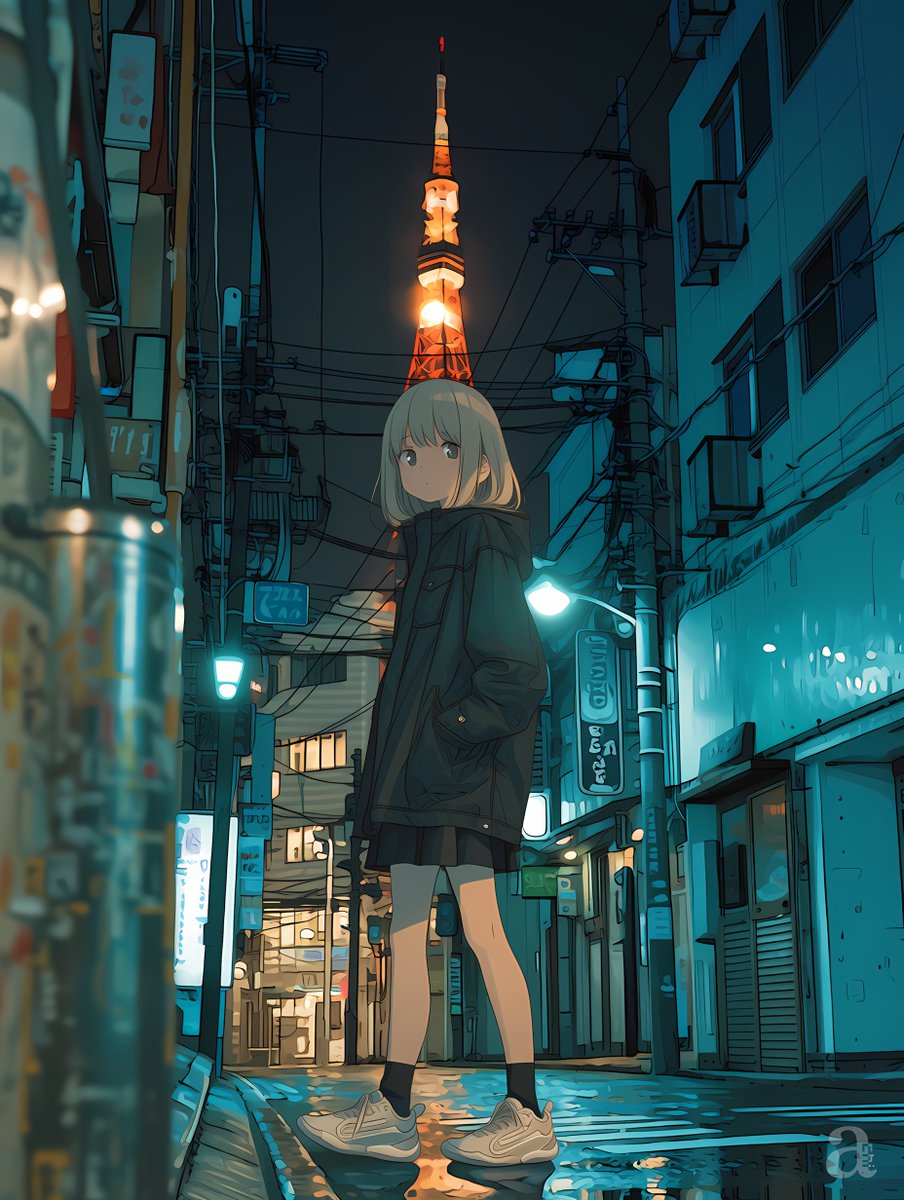
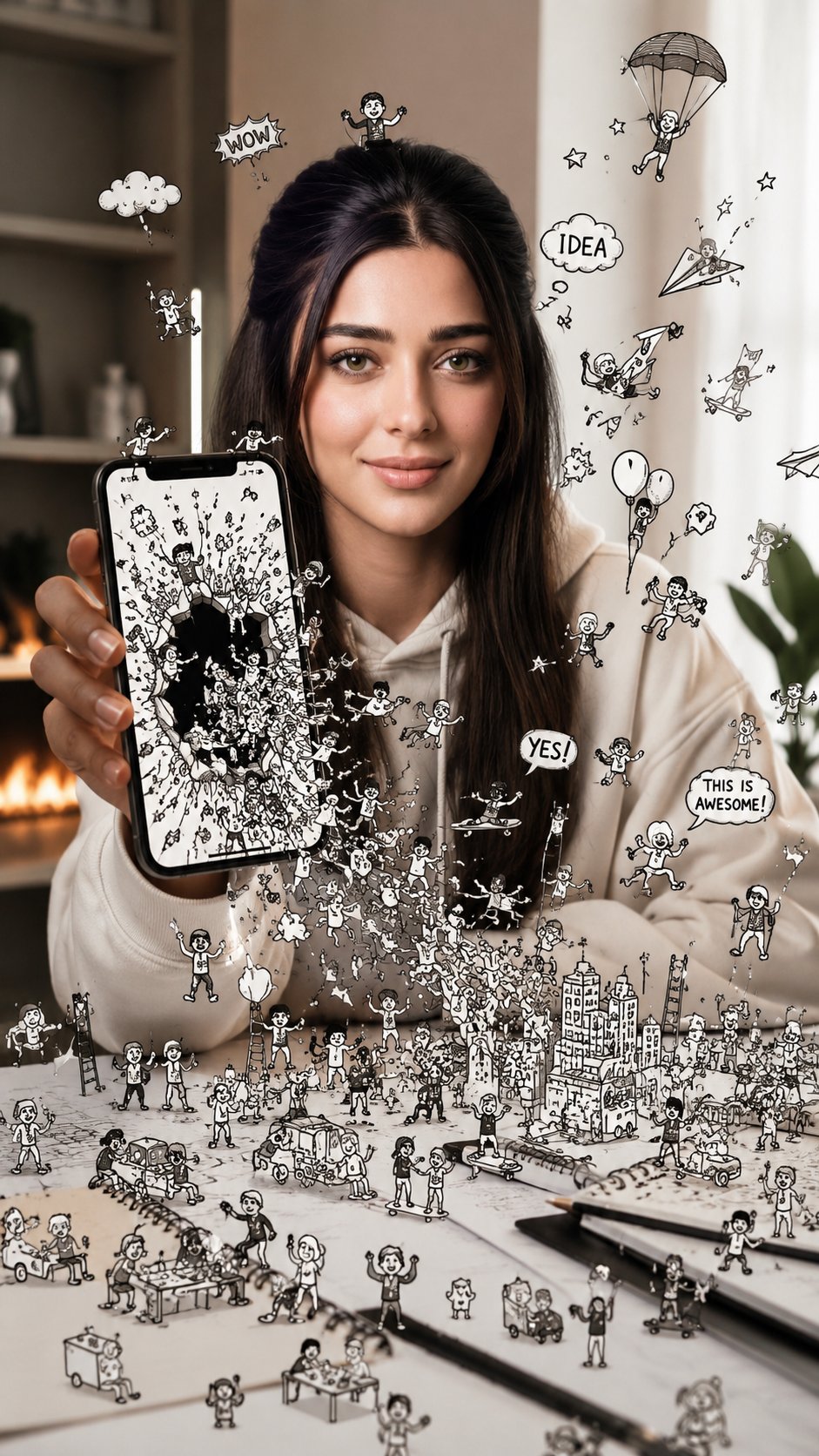
Case Media
Case Notes
This page keeps the media, full prompt, and original source together so you can inspect the result first and decide whether the prompt is worth copying, saving, or comparing.
Case Insights
To make this page easier to search, cite, and reuse later, the case is also broken down into practical guidance about usage, visual cues, and prompt structure.
Best Fit Scenarios
- Use this as a character design benchmark when you need a fast style baseline before rewriting your own prompt.
- It is especially helpful if your target overlaps with Cinematic, Illustration, Character and you want to judge the image result before tuning wording.
- Keep it as a control sample when you compare nearby prompt variants one variable at a time.
Visual Signals To Notice
- The clearest style signals here are Cinematic, Illustration, Character, so those should usually stay in your first rewrite.
- Look at silhouette, costume language, mood styling, and whether the character reads clearly at a glance.
- This case keeps one primary output, so the first image should be treated as the main visual reference.
How The Prompt Is Structured
- The prompt reads as a long, highly specified prompt, which is useful when you want to judge how much specificity this direction needs.
- Its keyword cluster is centered on Cinematic, Illustration, Character, so you can usually keep that cluster while swapping subject, camera, layout, or copy details.
- A practical rewrite path is: keep the outcome, keep the strongest style cues, then replace only the subject and environment blocks.
Good Follow-up Questions
- What changes first if you keep Cinematic, Illustration, Character but switch the subject matter?
- Which part of the result comes from section-level structure (Character Design) versus tag-level style cues?
- Which related cases in the same section give you a cleaner or more extreme variation of the same direction?
Full Prompt
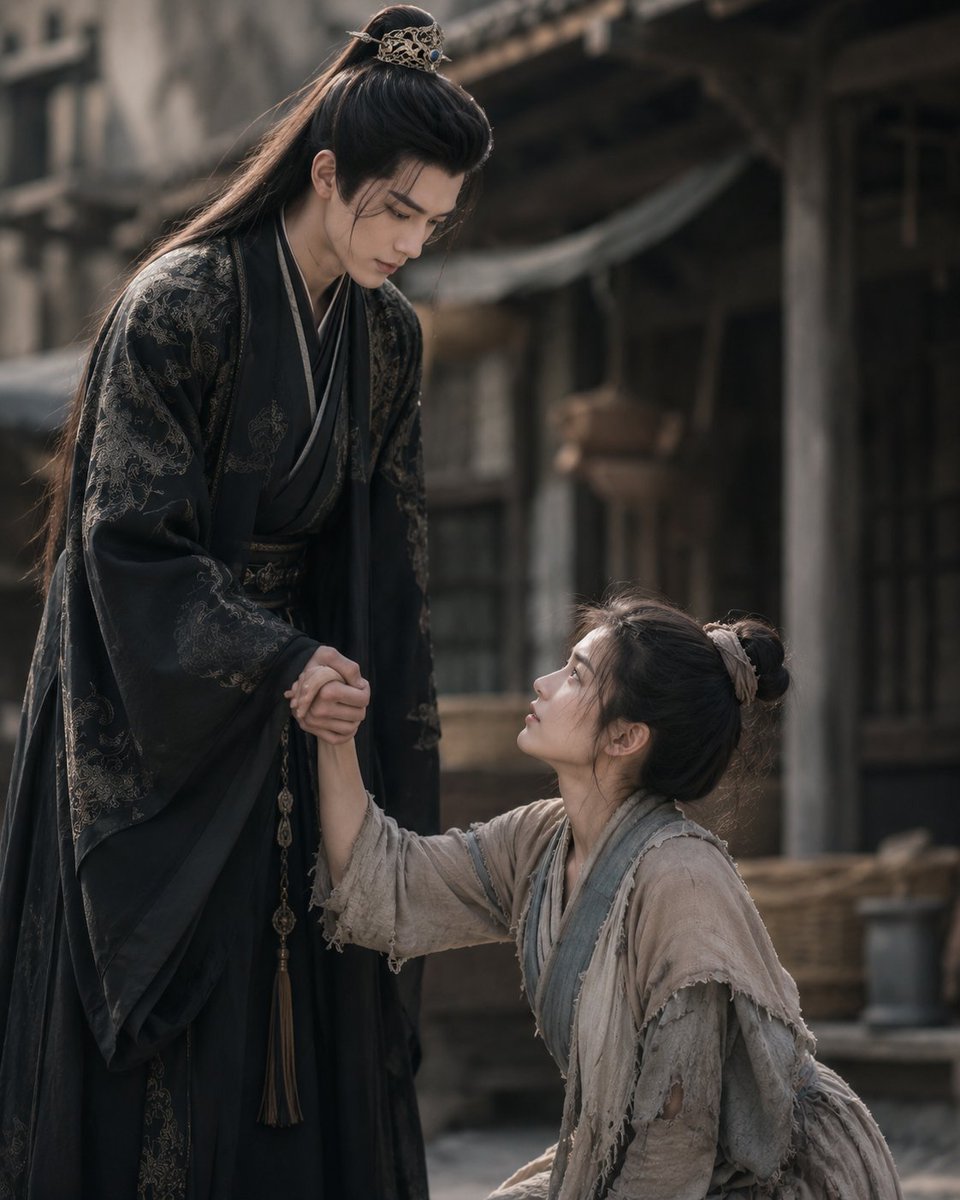
Create a cinematic still from a Chinese historical drama showing the first meeting between {argument name="male lead" default="a tall noble young man"} and {argument name="female lead" default="a poor young heroine"} in an old village street. The male lead stands on the left, tall and elegant, leaning down slightly while holding the heroine's hand to help her up; he wears a flowing black hanfu robe with subtle dark-gold embroidered patterns, layered collars, a belt with hanging tassel ornaments, and long black hair tied half-up with an ornate gold hair crown. The heroine kneels or sits lower on the right, looking up at him while reaching for his hand; she wears worn beige-gray rough cloth robes with frayed edges, layered blue-gray trim, patched sleeves, and messy black hair tied in a simple bun with a pale cloth ribbon. Include exactly two human figures, both with their faces obscured by soft rectangular brown blur blocks, while their body language remains emotional and dramatic. Set the scene in a weathered ancient Chinese town with wooden buildings, pillars, shadowed doorways, baskets, muted fabric awnings, and a dusty stone or dirt ground. Use {argument name="mood" default="melancholic romantic tension"}, shallow depth of field, natural soft daylight, muted earth tones, realistic costume texture, high-end period-drama cinematography, 4:5 vertical composition, the noble man occupying the left side and the heroine lower on the right, no text, no modern objects, no watermark.