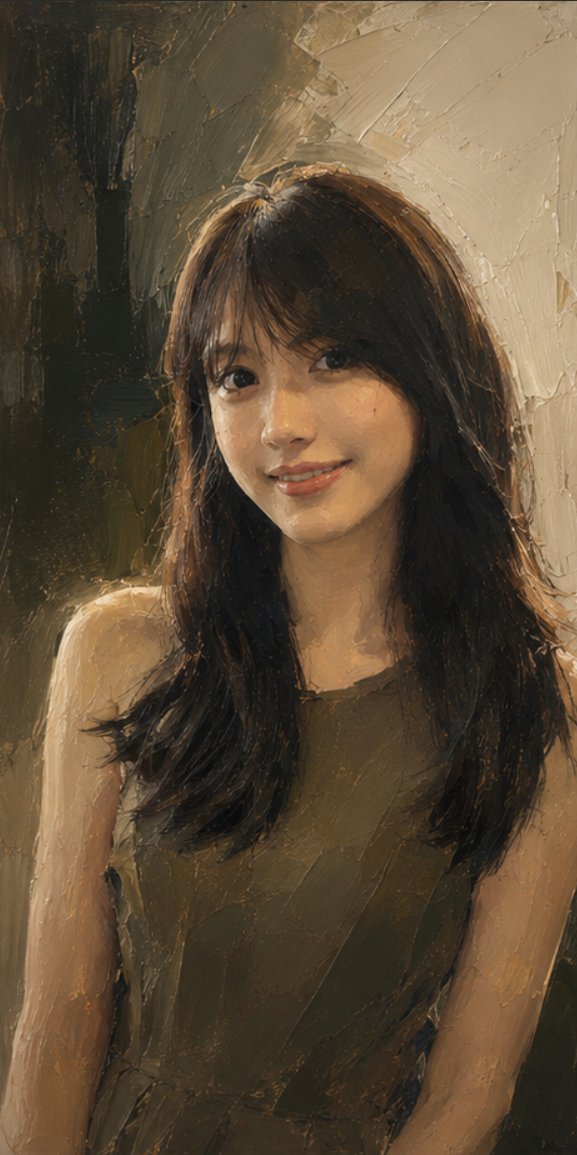
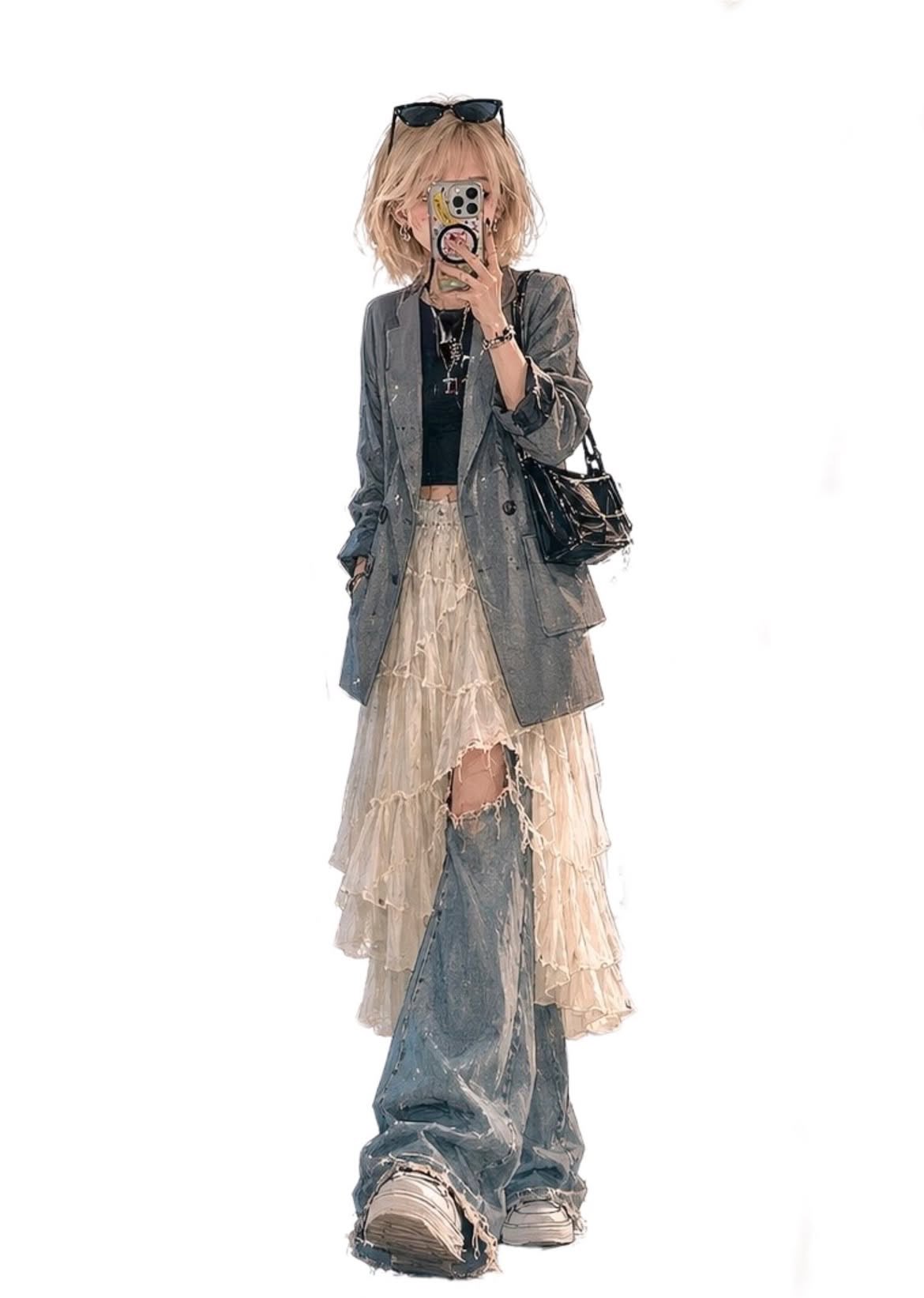
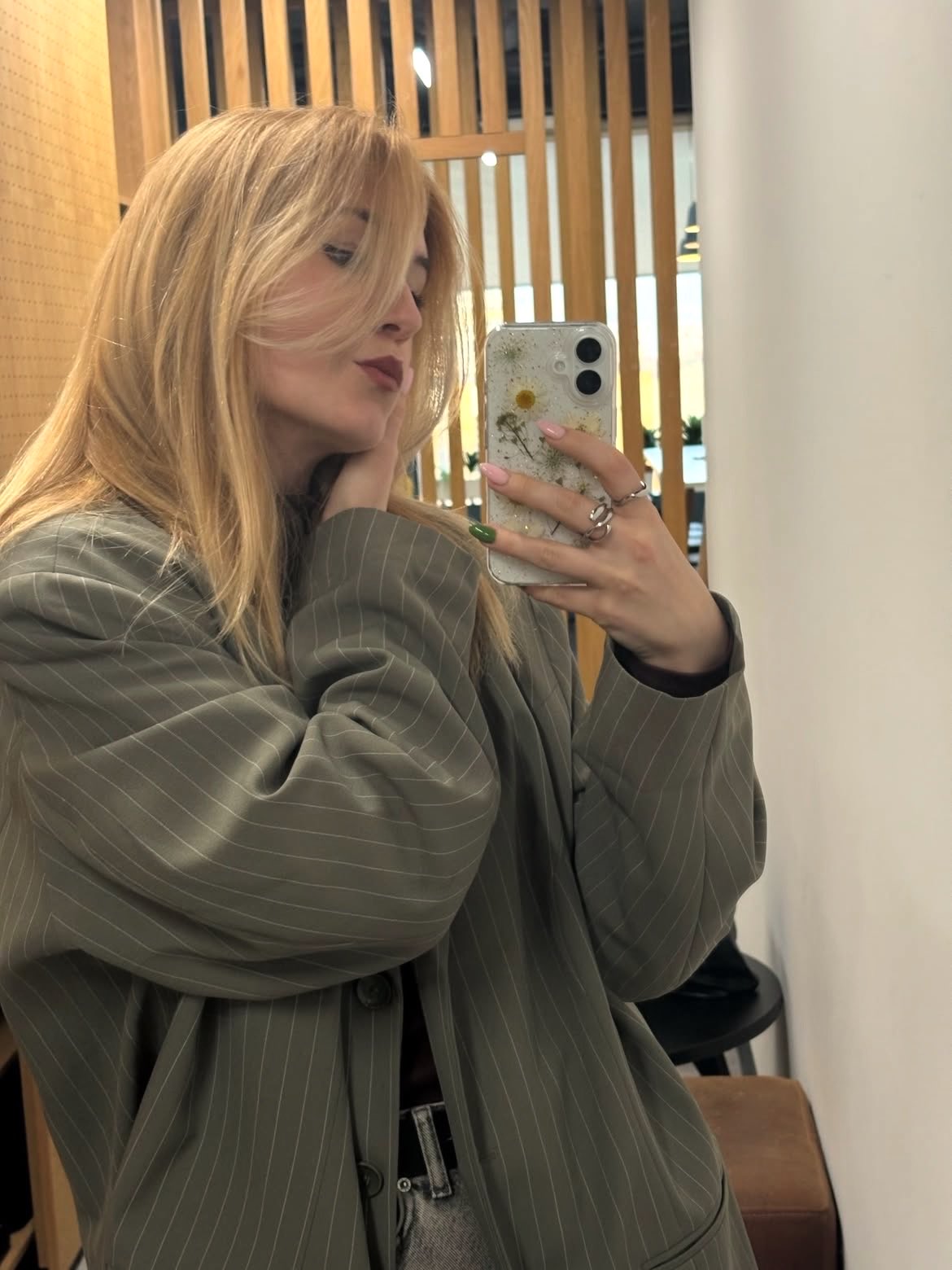
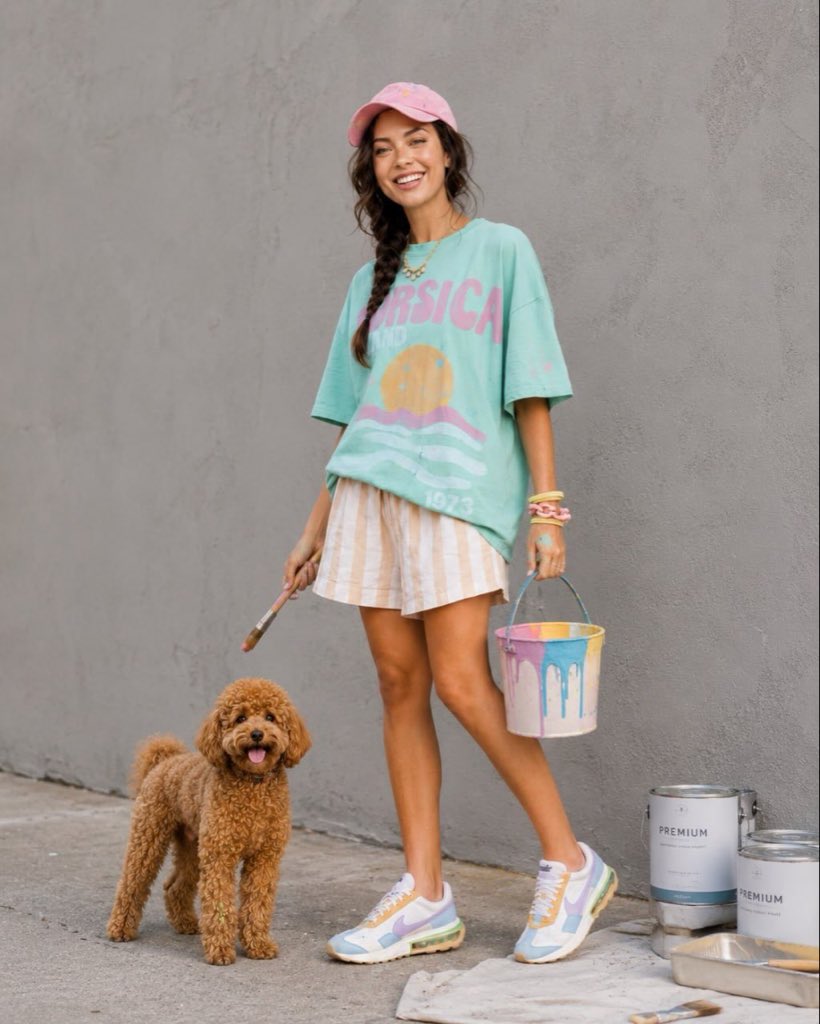
Case Media
Case Notes
This page keeps the media, full prompt, and original source together so you can inspect the result first and decide whether the prompt is worth copying, saving, or comparing.
Case Insights
To make this page easier to search, cite, and reuse later, the case is also broken down into practical guidance about usage, visual cues, and prompt structure.
Best Fit Scenarios
- Use this as a character design benchmark when you need a fast style baseline before rewriting your own prompt.
- It is especially helpful if your target overlaps with Portrait, Fashion, Illustration and you want to judge the image result before tuning wording.
- Keep it as a control sample when you compare nearby prompt variants one variable at a time.
Visual Signals To Notice
- The clearest style signals here are Portrait, Fashion, Illustration, so those should usually stay in your first rewrite.
- Look at silhouette, costume language, mood styling, and whether the character reads clearly at a glance.
- This case keeps 2 media outputs, which makes it easier to check whether the style remains stable across multiple results.
How The Prompt Is Structured
- The prompt reads as a long, highly specified prompt, which is useful when you want to judge how much specificity this direction needs.
- Its keyword cluster is centered on Portrait, Fashion, Illustration, so you can usually keep that cluster while swapping subject, camera, layout, or copy details.
- A practical rewrite path is: keep the outcome, keep the strongest style cues, then replace only the subject and environment blocks.
Good Follow-up Questions
- What changes first if you keep Portrait, Fashion, Illustration but switch the subject matter?
- Which part of the result comes from section-level structure (Character Design) versus tag-level style cues?
- Which related cases in the same section give you a cleaner or more extreme variation of the same direction?
Full Prompt
Transform any provided reference photo into a vertical 4:5 stylized ink-drawn sketchbook illustration. Use the person, outfit, pose, accessories, pet, objects, mood, and overall character from the reference photo as the main subject. Do not copy fixed clothing or fixed phrases from previous examples. Adapt all visual details to the new reference image. Create a high-detail black ink and fineliner illustration on a white sketchbook page. The drawing should fill almost the entire frame, with no fabric element, no colored cloth, and no extra textile foreground. Composition: - one main full-body or main portrait illustration based on the reference photo; - 1-3 additional smaller sketch studies inspired by the same subject, such as side view, back view, close-up portrait, accessory detail, pet/object detail, or gesture pose; - small hand-drawn decorative elements around the subject: hearts, stars, sparkles, arrows, leaves, dots, mood symbols, tiny doodles; - balanced but dense sketchbook layout, editorial zine feeling. All handwritten text must be in Russian only. The text should be random, natural, and relevant to the mood, outfit, season, activity, personality, or atmosphere of the reference photo. Do not repeat the same phrases every time. Art style: expressive handmade sketchbook aesthetic, nostalgic indie zine warmth, high-detail manga-influenced editorial line art, rich black India ink, fineliner, marker and brush-pen hatching, cross-hatching, varied pen nib strokes, subtle ink bleed, visible sketch construction lines. Render textures from the reference carefully: fabric folds, hair, accessories, shoes, bags, jewelry, pets, objects, skin shadows, material surfaces, and distinctive silhouette. Camera and format: vertical 4:5 format, close-up overhead flatlay photo of a white sketchbook page, slightly tilted top-down angle around 20 degrees, centered composition, drawing filling the screen, visible paper grain and sketchbook edge. Lighting: soft natural diffused morning daylight from a window, even cool-key illumination, subtle diagonal page shadow, gentle softbox fill, neutral whites, deep blacks. Image quality: high-resolution print-quality output, 300 DPI, ultra-crisp ink detail, slight warm tone adjustment, contrast +15, clarity +10, subtle vignette, selective sharpening on ink strokes, minimal noise reduction to preserve paper texture. Final look: contemporary sketchbook photography meets editorial zine illustration, clean, polished, high-fidelity, suitable for print and portfolio presentation.