Case Media

Case Notes
This page keeps the media, full prompt, and original source together so you can inspect the result first and decide whether the prompt is worth copying, saving, or comparing.
Case Insights
To make this page easier to search, cite, and reuse later, the case is also broken down into practical guidance about usage, visual cues, and prompt structure.
Best Fit Scenarios
- Use this as a character design benchmark when you need a fast style baseline before rewriting your own prompt.
- It is especially helpful if your target overlaps with Illustration, Character, Vertical and you want to judge the image result before tuning wording.
- Keep it as a control sample when you compare nearby prompt variants one variable at a time.
Visual Signals To Notice
- The clearest style signals here are Illustration, Character, Vertical, so those should usually stay in your first rewrite.
- Look at silhouette, costume language, mood styling, and whether the character reads clearly at a glance.
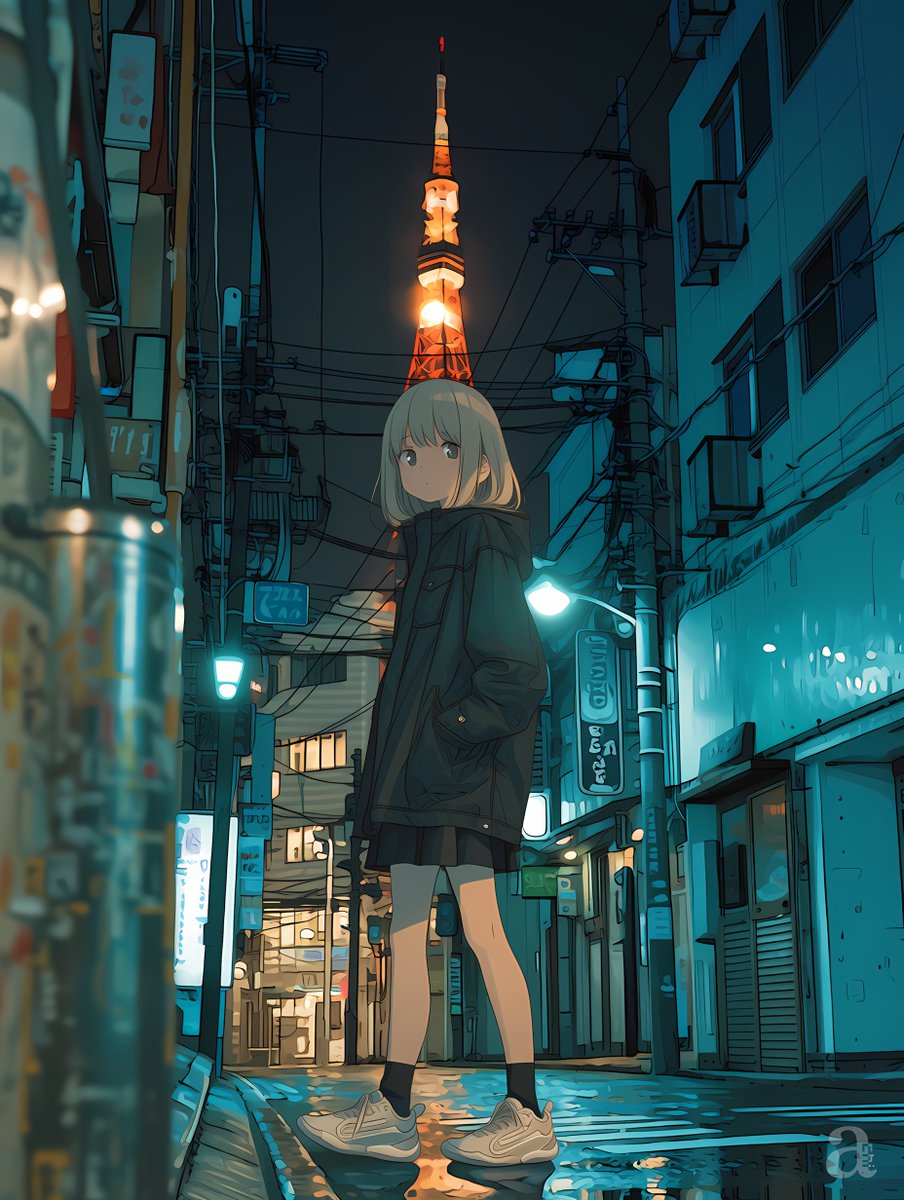
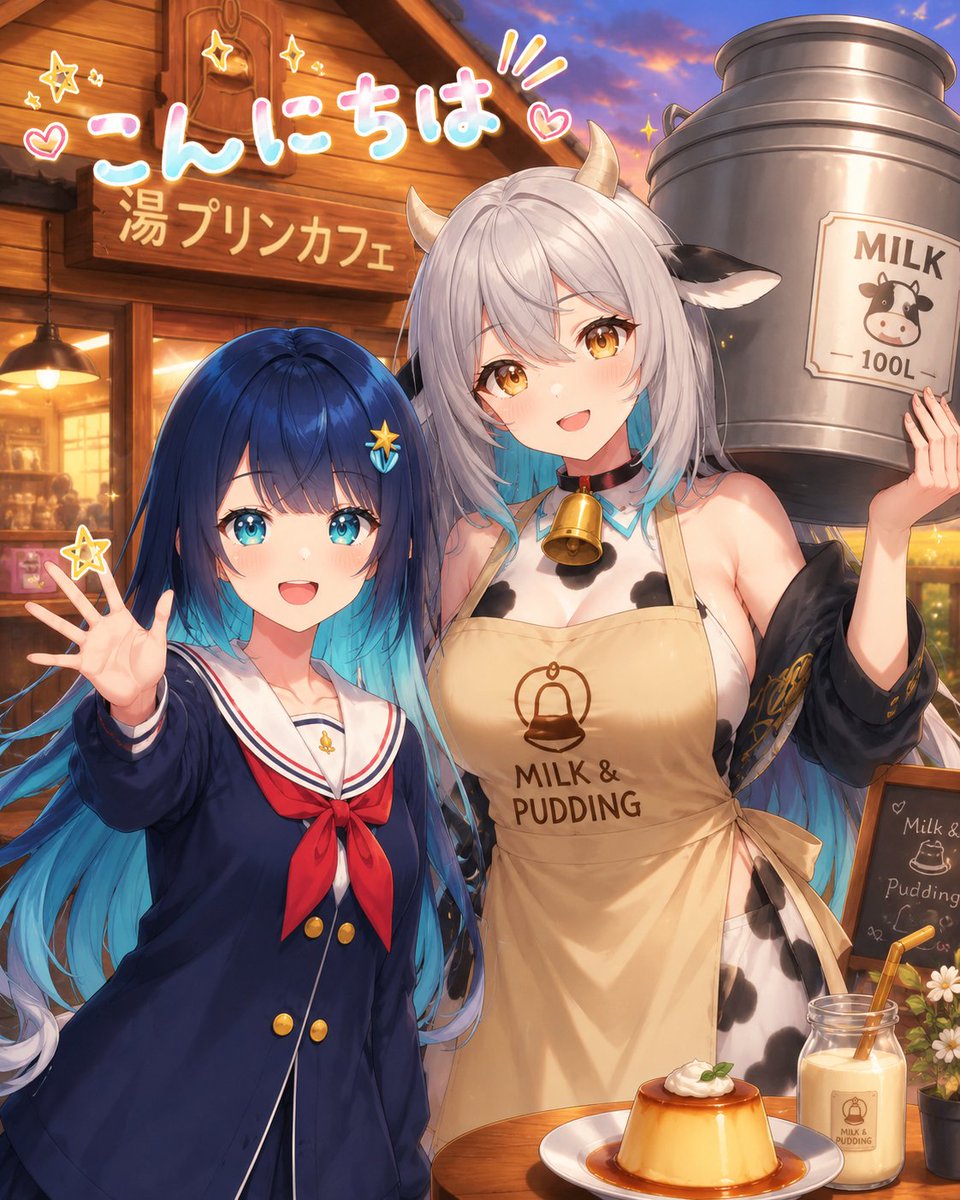
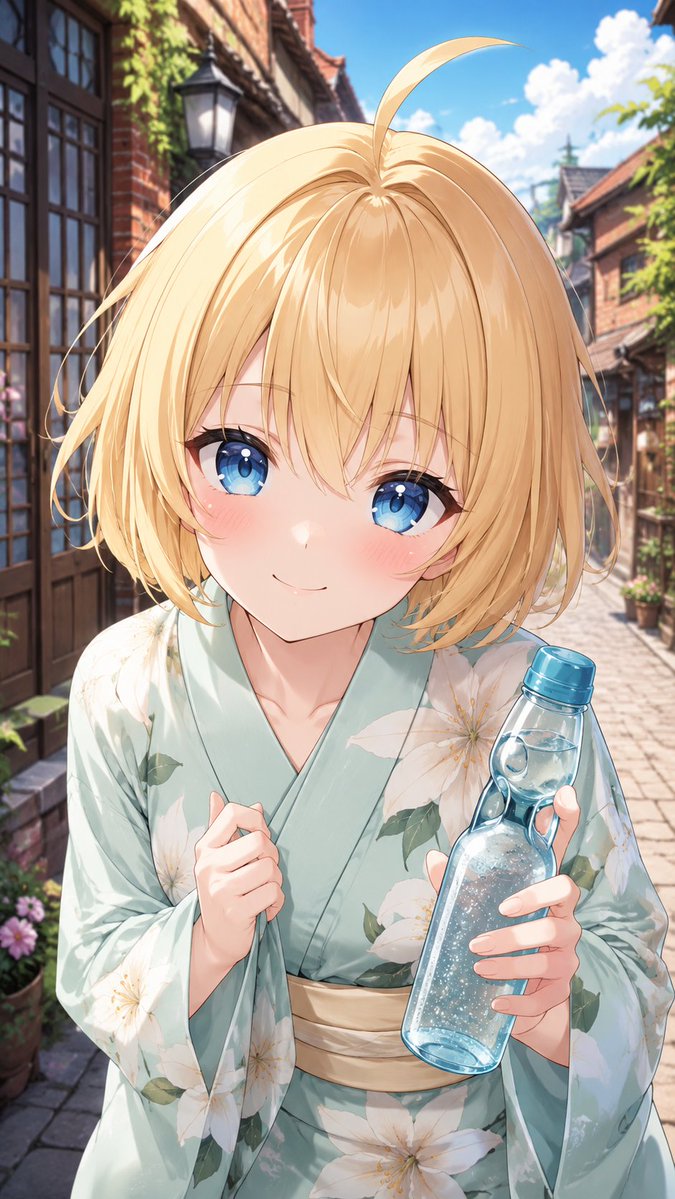
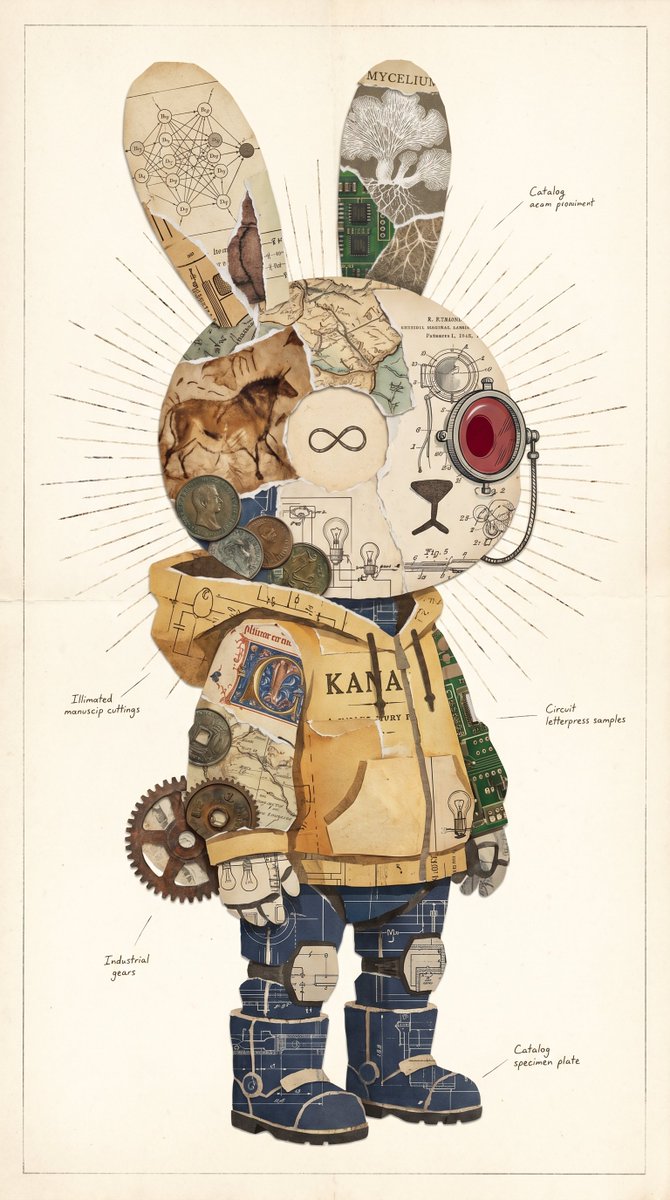
- This case keeps 2 media outputs, which makes it easier to check whether the style remains stable across multiple results.
How The Prompt Is Structured
- The prompt reads as a long, highly specified prompt, which is useful when you want to judge how much specificity this direction needs.
- Its keyword cluster is centered on Illustration, Character, Vertical, so you can usually keep that cluster while swapping subject, camera, layout, or copy details.
- A practical rewrite path is: keep the outcome, keep the strongest style cues, then replace only the subject and environment blocks.
Good Follow-up Questions
- What changes first if you keep Illustration, Character, Vertical but switch the subject matter?
- Which part of the result comes from section-level structure (Character Design) versus tag-level style cues?
- Which related cases in the same section give you a cleaner or more extreme variation of the same direction?
Full Prompt
Around specific theme content generate a high-brightness clean background street graffiti character visual: the main subject's whole body or most of the body stands in a clean high-brightness light field, realistic photography or realistic characters mixed with hand-drawn deep-value thick lines, theme-derived high-emotion color arrows, cross marks, symbols, handwritten short phrases, and naive small graphics. Character clothing maintains thematic material details, surrounding graffiti is like temporary emotional markers, both surrounding the body and overlapping local parts, forming an effect of 'photographic subject hijacked by draft lines'. Colors are extracted from the theme into roles of background, subject structure, information text, emphasis points, and texture shadows as light background, low-brightness theme-colored characters, a small amount of theme-derived high-emotion color warning lines, and a small amount of theme cold-tone handwritten character relationships, bright but not clean and boring, with a sense of danger, joking, and on-site creation. Text and lines must have thickness differences, wrist traces, and misalignments, do not make them into regular illustration stickers. —————— Store standee: vertical 3:4, an adult barber holding clippers standing in front of a mirror, apron and tool cart retain realistic texture. Text to be clearly seen: 'Men's Quick Cut 39', small text nearby 'Weekdays 11:00-16:00 / No card needed for haircut'. Visual requirements: scissors symbols, hair strand lines, price circles, and arrows overlapping near the character's shoulder, like hand-drawn recommendations made by store staff on a photo.