Case Media
Case Notes
This page keeps the media, full prompt, and original source together so you can inspect the result first and decide whether the prompt is worth copying, saving, or comparing.
Case Insights
To make this page easier to search, cite, and reuse later, the case is also broken down into practical guidance about usage, visual cues, and prompt structure.
Best Fit Scenarios
- Use this as a character design benchmark when you need a fast style baseline before rewriting your own prompt.
- It is especially helpful if your target overlaps with Portrait, Character, Vertical and you want to judge the image result before tuning wording.
- Keep it as a control sample when you compare nearby prompt variants one variable at a time.
Visual Signals To Notice
- The clearest style signals here are Portrait, Character, Vertical, so those should usually stay in your first rewrite.
- Look at silhouette, costume language, mood styling, and whether the character reads clearly at a glance.
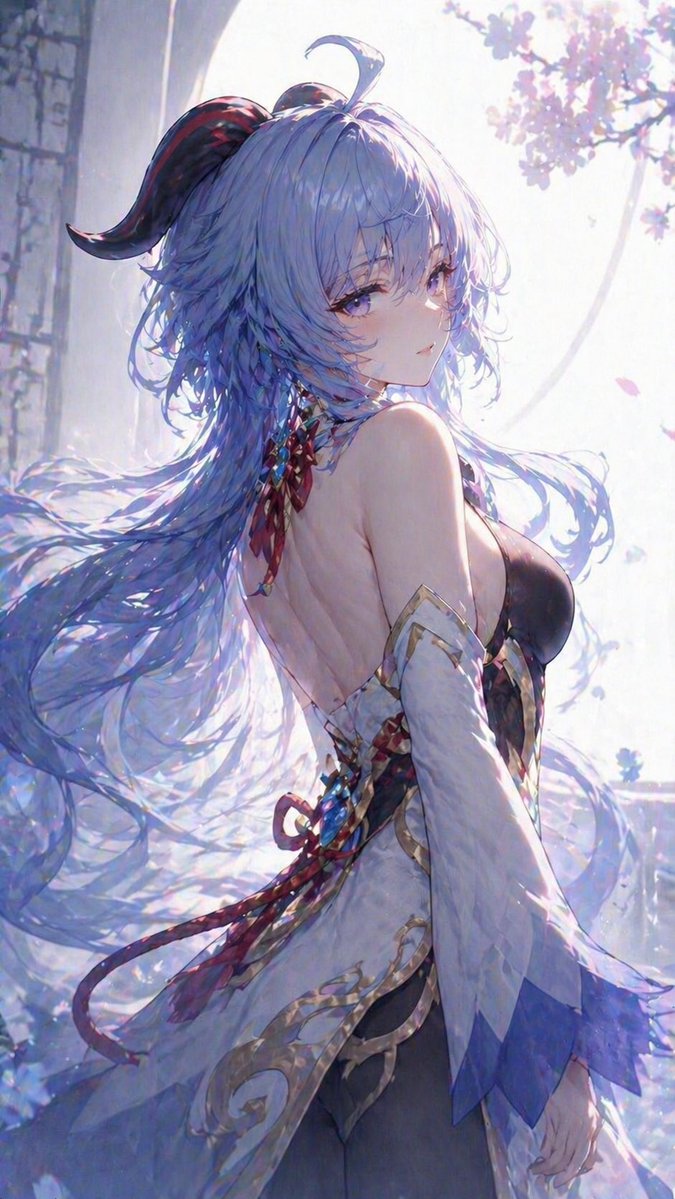
- This case keeps one primary output, so the first image should be treated as the main visual reference.
How The Prompt Is Structured
- The prompt reads as a long, highly specified prompt, which is useful when you want to judge how much specificity this direction needs.
- Its keyword cluster is centered on Portrait, Character, Vertical, so you can usually keep that cluster while swapping subject, camera, layout, or copy details.
- A practical rewrite path is: keep the outcome, keep the strongest style cues, then replace only the subject and environment blocks.
Good Follow-up Questions
- What changes first if you keep Portrait, Character, Vertical but switch the subject matter?
- Which part of the result comes from section-level structure (Character Design) versus tag-level style cues?
- Which related cases in the same section give you a cleaner or more extreme variation of the same direction?
Full Prompt
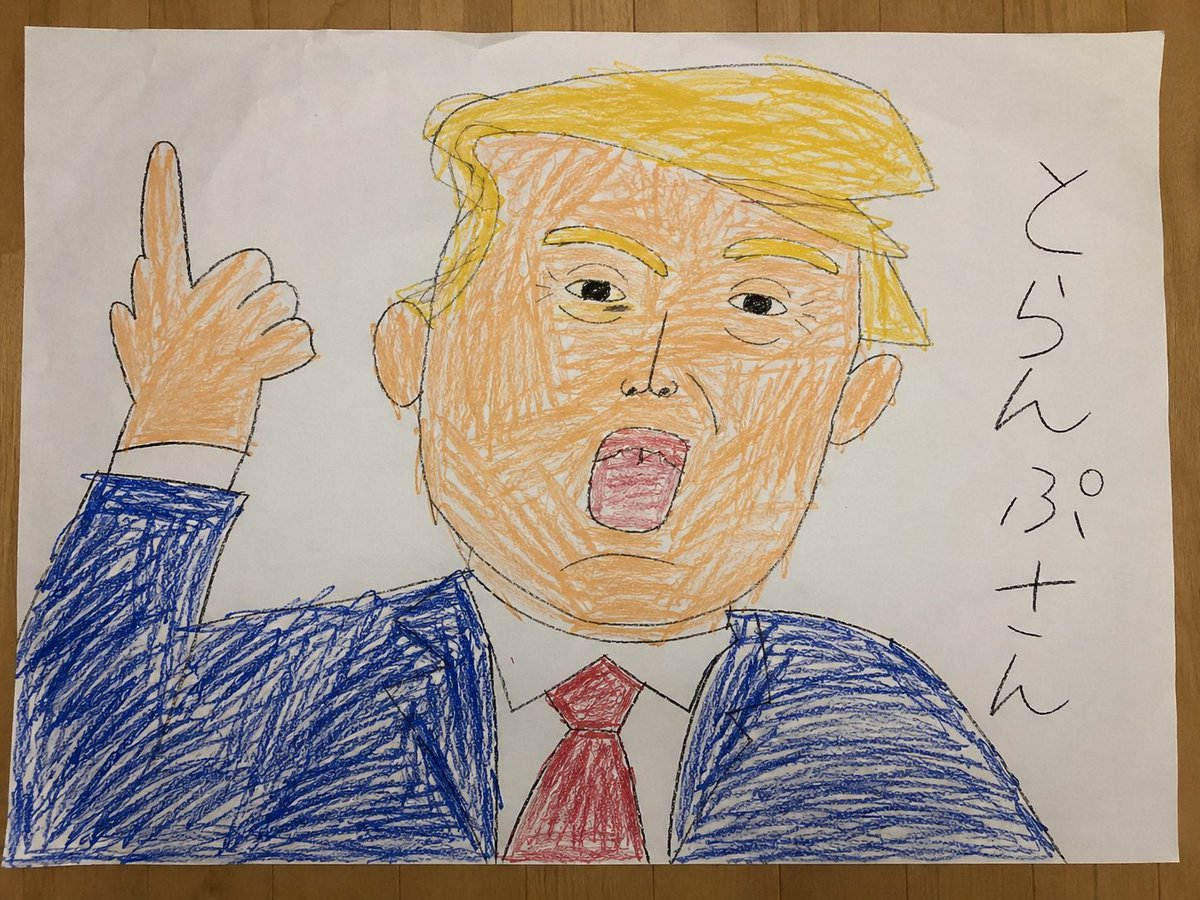
A realistic overhead photo of a childlike crayon drawing on a slightly wrinkled white sheet of paper placed on a wooden tabletop. The drawing shows a simple portrait of {argument name="character" default="Donald Trump"} in a naive elementary-school style, with messy yellow crayon hair, peach-colored skin, large ears, a blue suit jacket, white shirt collar, and a red necktie. The face is front-facing and fills most of the page, with one raised hand on the left side of the paper making a rude gesture with the middle finger extended. The linework is uneven black pencil or crayon outline, and the coloring is rough, scribbly, and intentionally clumsy, with visible childlike strokes that go outside the lines. On the right side of the page, there is vertical handwritten Japanese text in black that reads {argument name="side text" default="とらんぷさん"}. The composition is a candid smartphone snapshot, not a clean scan, showing the entire sheet of paper, slight perspective distortion, soft indoor lighting, and the texture of the wooden surface around the page. Emphasize the authentic handmade crayon texture, awkward proportions, and convincing “bad but charming” children’s artwork aesthetic.