Case Media
Case Notes
This page keeps the media, full prompt, and original source together so you can inspect the result first and decide whether the prompt is worth copying, saving, or comparing.
Case Insights
To make this page easier to search, cite, and reuse later, the case is also broken down into practical guidance about usage, visual cues, and prompt structure.
Best Fit Scenarios
- Use this as a character design benchmark when you need a fast style baseline before rewriting your own prompt.
- It is especially helpful if your target overlaps with Portrait, Poster, Illustration and you want to judge the image result before tuning wording.
- Keep it as a control sample when you compare nearby prompt variants one variable at a time.
Visual Signals To Notice
- The clearest style signals here are Portrait, Poster, Illustration, so those should usually stay in your first rewrite.
- Look at silhouette, costume language, mood styling, and whether the character reads clearly at a glance.
- This case keeps 2 media outputs, which makes it easier to check whether the style remains stable across multiple results.
How The Prompt Is Structured
- The prompt reads as a long, highly specified prompt, which is useful when you want to judge how much specificity this direction needs.
- Its keyword cluster is centered on Portrait, Poster, Illustration, so you can usually keep that cluster while swapping subject, camera, layout, or copy details.
- A practical rewrite path is: keep the outcome, keep the strongest style cues, then replace only the subject and environment blocks.
Good Follow-up Questions
- What changes first if you keep Portrait, Poster, Illustration but switch the subject matter?
- Which part of the result comes from section-level structure (Character Design) versus tag-level style cues?
- Which related cases in the same section give you a cleaner or more extreme variation of the same direction?
Full Prompt
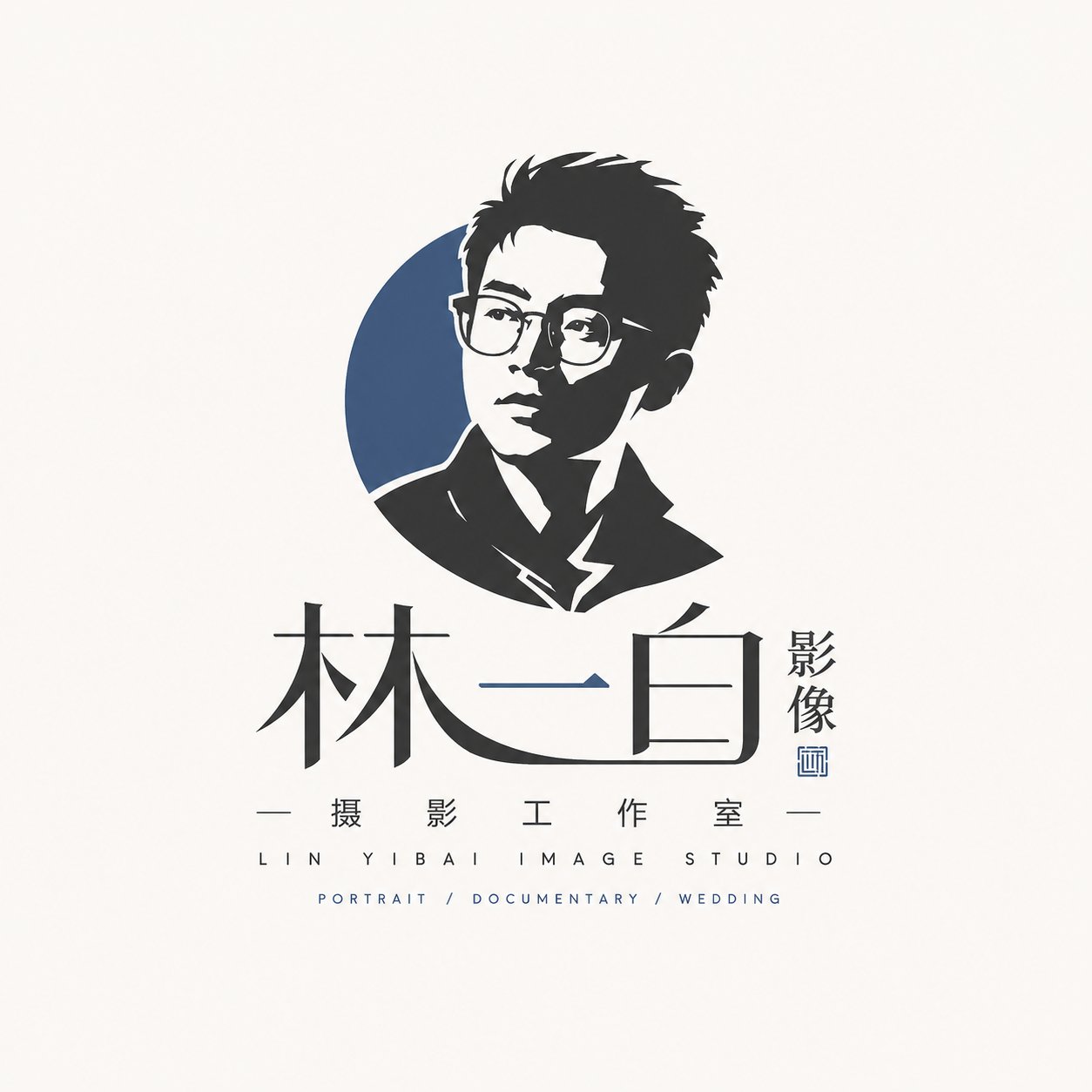
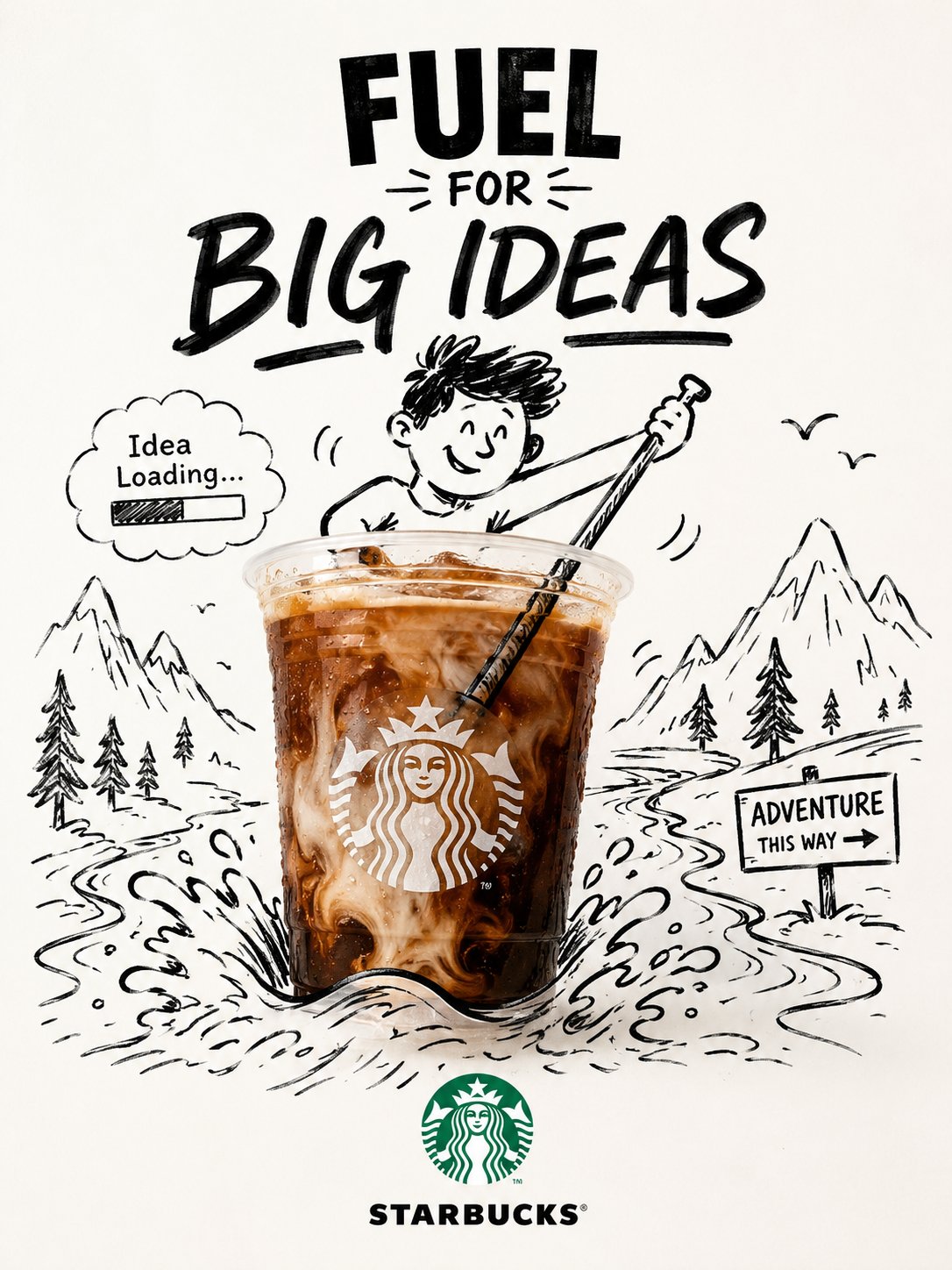
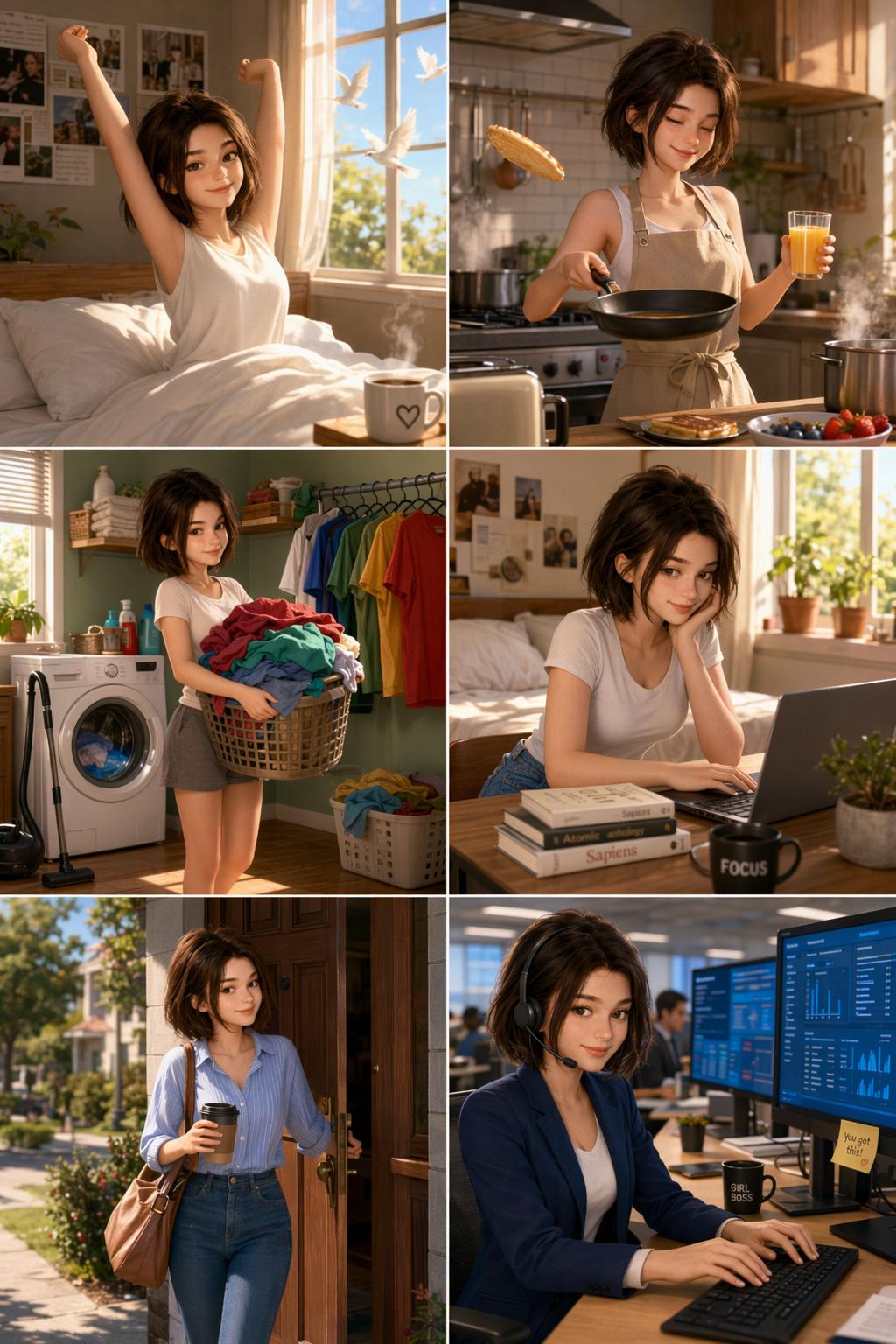
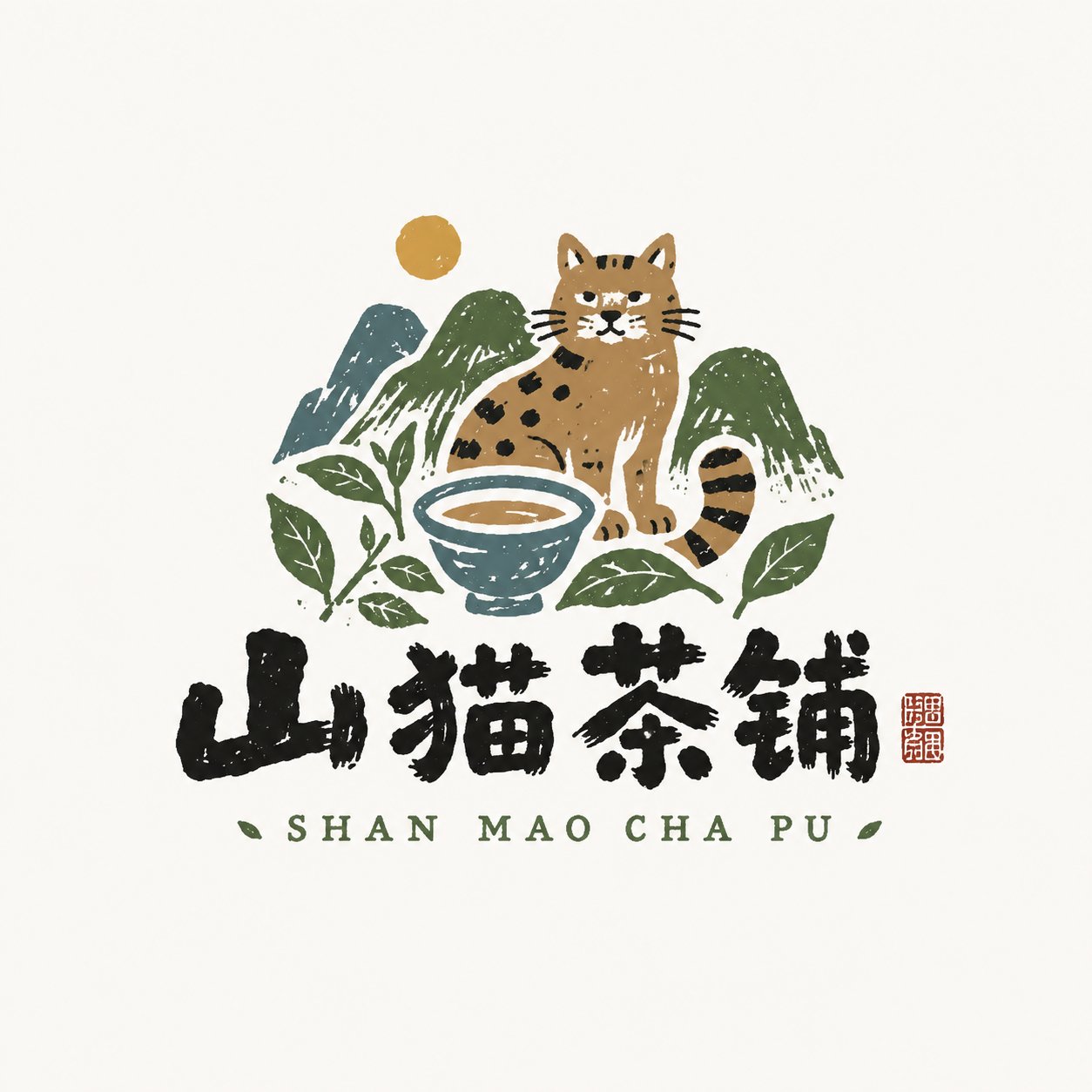
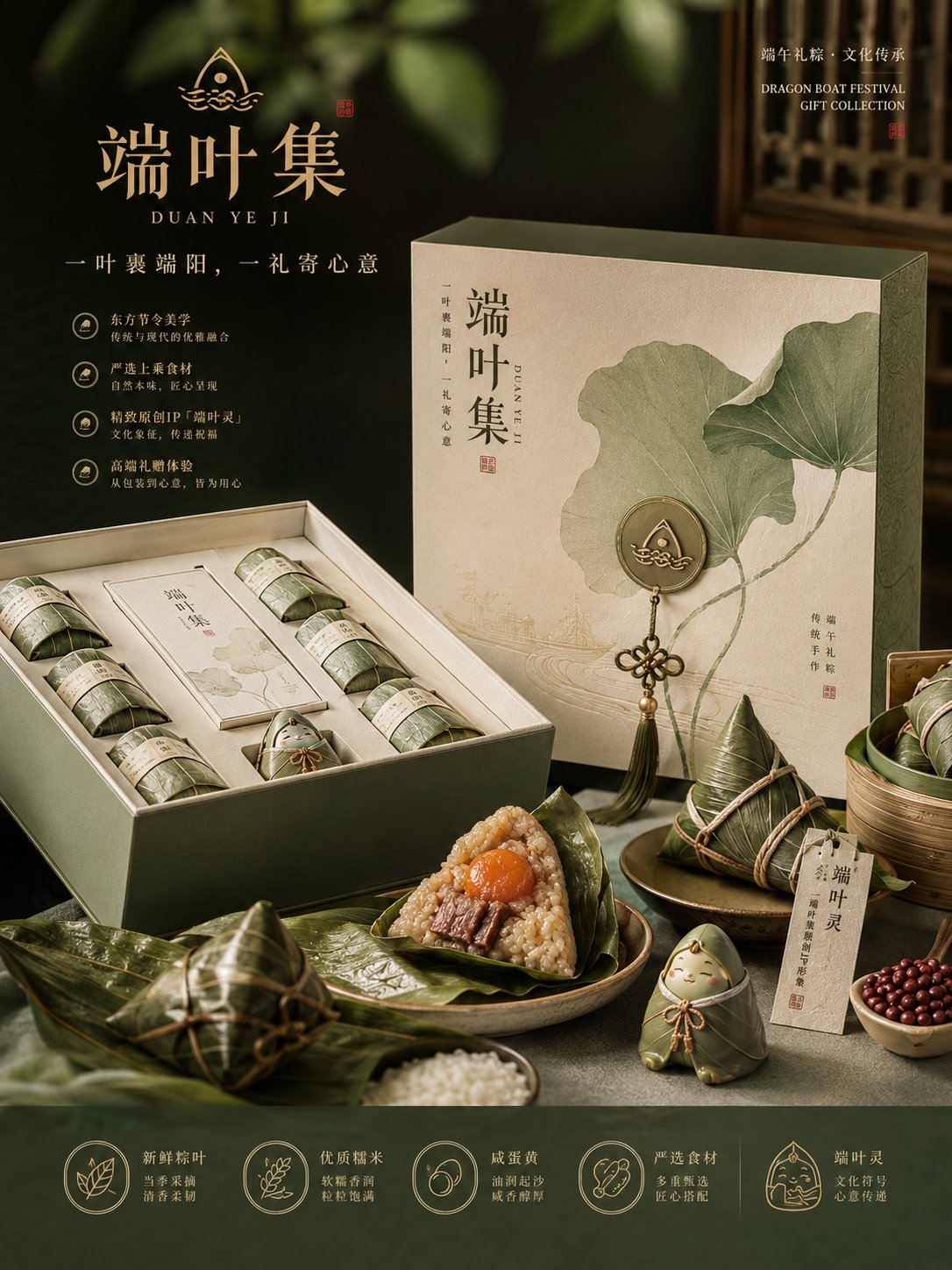
Please generate a set of high-completion, visually unified 'Original IP Commercialization Proposal / 4-Board Original IP Commercialization Proposal' based on the brand information provided by the user. Note: This is not a four-grid collage, nor a master image combining 4 contents into one screen, but a set of 4 independent images that must be 'generated sequentially'. You need to complete these 4 images continuously under the same brand visual system. The 4 images must obviously belong to the same brand, but each image has different responsibilities and cannot just be 4 repetitive variants. This is not a regular poster design, general e-commerce detail page, or a single packaging rendering, but a complete visual proposal possessing: branding, IP sense, product sense, packaging sense, scene sense, commercial realization sense, business proposal sense, exhibition sense, and portfolio quality. [User Input] Brand Name, English Auxiliary Name, Brand Type/Industry, One-sentence Brand Positioning, Core Keywords (3–8), Target Audience, Overall Style Direction, Brand Slogan, Main Product/Core Service, Product Line/SKU Info, Brand Story/Regional Characteristics/Cultural Background, Main Color Preference, Secondary Color Preference, Accent Color Preference, Cultural Elements/Graphic Elements to Incorporate, IP Image Requirement (Yes/No/Weakened IP), IP Direction Preference, Preferred Application Direction (Packaging/Gift Box/Store/E-commerce/Social Media/Merchandise/Cold Chain/Shelf/Other), Style to Avoid, Aspect Ratio (Default Portrait 3:4, customizable), Other Supplementary Explanations. [Overall Task] Please extract and unify the brand's visual DNA internally based on the above information, and then generate 4 independent images sequentially based on the same brand DNA. Before formally generating the 4 images, please unify the following content and keep it consistent in the subsequent 4 images: 1. Brand core temperament, 2. Brand visual keywords, 3. Main/Secondary/Accent colors, 4. Font tendency and glyph temperament, 5. Graphic language/Auxiliary pattern language, 6. Visual presentation of products or services, 7. IP image setting method, 8. Unified rules for packaging/application materials/merchandise/scenes, 9. Overall screen temperament: brand sense, proposal sense, commercial sense, exhibition sense, series sense, 10. 4 images with unified style but clear information division, not repetitive variants. [Special Requirements regarding IP] 1. This proposal cannot only have a Logo without IP sense. Even if the overall route is high-end, restrained, and realistic, it should possess an 'IP recognition role' or 'symbolic IP image'. 2. The IP does not necessarily have to be an exaggerated cartoon character, but can be a more high-end and restrained 'cultural symbol IP / brand totem IP / mascot IP / emblem IP / seal IP / charm IP / micro-sculpture IP'. 3. If the brand is suitable for a light IP route, please understand IP as 'brand recognition role', which can appear in emblems, seals, tags, pendants, charms, seals, packaging details, and social media symbols, not necessarily occupying the whole screen as a protagonist. 4. If the brand is more suitable for a strong IP route, the role can be clearer, but it must still be unified with the brand system and cannot appear cheap, childish, or like stock material. 5. If the user explicitly requests 'not too cartoonish', please treat the IP as: more high-end, more realistic, more designed, and more like a brand recognition symbol rather than a childish Q-version character. [Overall Uniformity Requirements] 1. The four images must obviously belong to the same brand system (Brand name, color system, font temperament, graphic language, brand symbol, IP image, product logic must be unified). 2. The four images are not 4 repetitive posters, but 4 brand commercialization proposal images with different duties. 3. All 4 images should have high completion, brand proposal sense, commercial sense, exhibition sense, and portfolio quality. 4. Layouts can differ, but the overall aesthetics, design language, and visual system must be highly unified. 5. Automatically match the most suitable content according to different brand types. 6. If text appears in the image, ensure the brand name, title, module name, slogan, and key product names are concise and clear, trying to be accurate without stacking long text. 7. Each image should be suitable for independent display, and when placed together, it should be obvious that they are a whole set of proposals. 8. Do not merge four images into one, do not make a four-grid, do not make a one-page overview collage. 9. Please generate in order: 1st -> 2nd -> 3rd -> 4th. 10. Generate only the current independent image each time, and automatically continue the brand system already established, until all 4 are completed. 11. If the user requests 'high-end realism', the screen must have a sense of real commercial photography, real material, real light and shadow, and real product texture, rather than illustration collage, low-quality material sense, or cheap e-commerce images. 12. If the user requests 'cultural elements', modernize, design, and brand the cultural elements. Do not simply stack traditional decorative symbols. 13. If the user requests 'not too cartoonish', handle it as light IP, heavy brand, and strong product sense. [Structure of the 4 Boards] 1. Brand Hero Board: Sets the tone, first visual memory point, shows brand name, English name, slogan, core temperament, visual elements, color system, core symbols. 2. Identity & IP System Board: Explains the 'visual system', shows wordmark, colors, font, auxiliary graphics, packaging pattern logic, IP image system (roles, charms, seals, tags, etc.), small application system. 3. Product & Packaging System Board: Shows how the brand lands on 'products/packaging/service carriers', demonstrates commercial implementation, relevant to brand type. 4. Campaign & Sales Scenario Board: Shows visual effects after entering real communication scenes, demonstrating brand recognition, communication power, and scenario extension capabilities. [Execution Method] 1. Understand and unify brand visual DNA. 2. Generate 1st image. 3. Generate 2nd image. 4. Generate 3rd image. 5. Generate 4th image. Do not merge, do not repeat, do not make grids. Generate only one at a time, remember the established system. [Image and Quality Requirements] Default aspect ratio 3:4, high definition, detailed, brand proposal/commercial sense, realistic, main Chinese text with English support, text clear and accurate. [Negative Constraints] No 'Logo only without IP', no poster collages, no low-quality e-commerce details, no cheap stock material, no traditional element stacking, no childishness unless requested, no repetitive variants, no grids, no fake-looking packaging, no copying existing brands.