Case Media
Case Notes
This page keeps the media, full prompt, and original source together so you can inspect the result first and decide whether the prompt is worth copying, saving, or comparing.
Case Insights
To make this page easier to search, cite, and reuse later, the case is also broken down into practical guidance about usage, visual cues, and prompt structure.
Best Fit Scenarios
- Use this as a character design benchmark when you need a fast style baseline before rewriting your own prompt.
- It is especially helpful if your target overlaps with Portrait, Poster, Illustration and you want to judge the image result before tuning wording.
- Keep it as a control sample when you compare nearby prompt variants one variable at a time.
Visual Signals To Notice
- The clearest style signals here are Portrait, Poster, Illustration, so those should usually stay in your first rewrite.
- Look at silhouette, costume language, mood styling, and whether the character reads clearly at a glance.
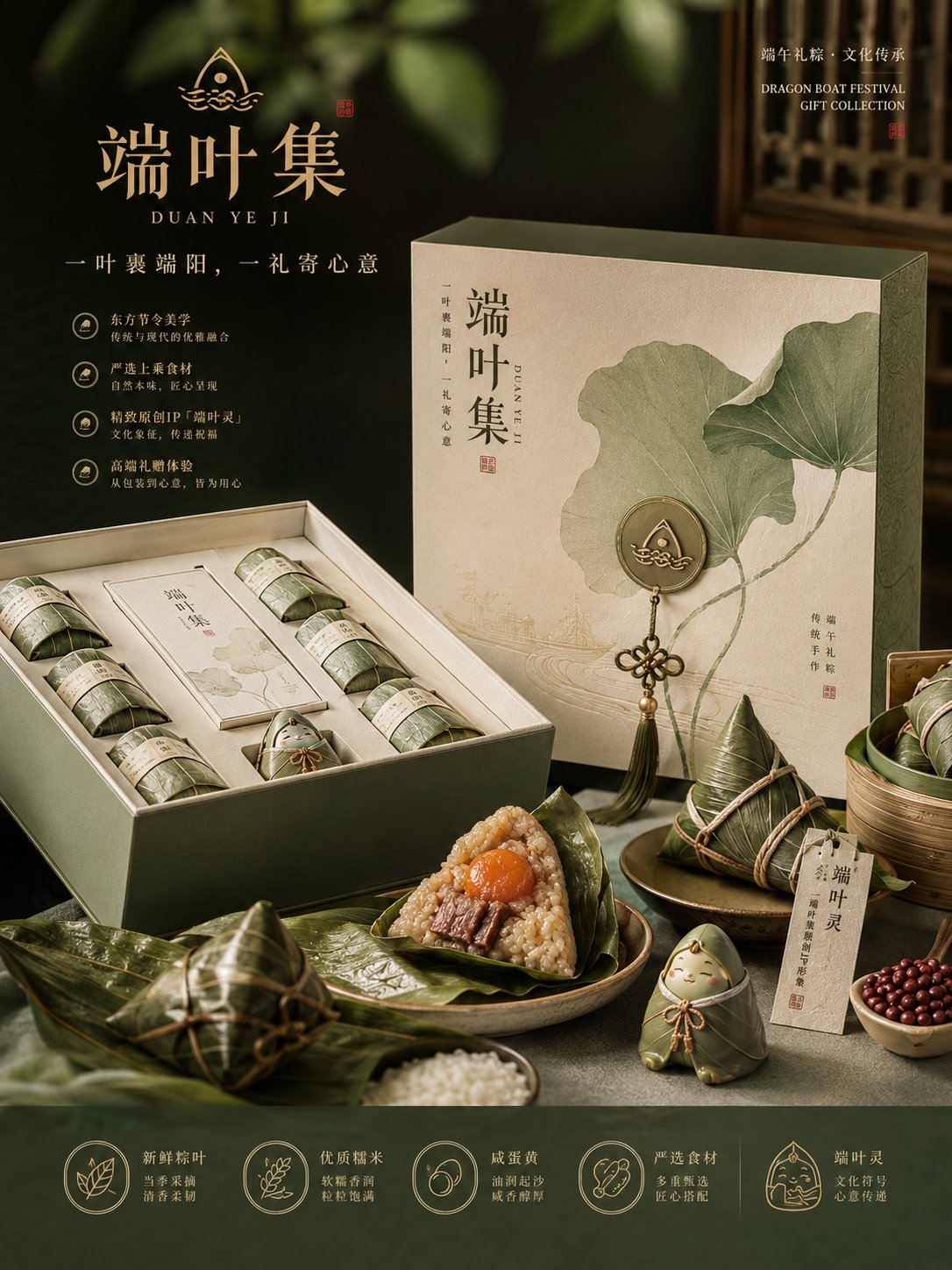
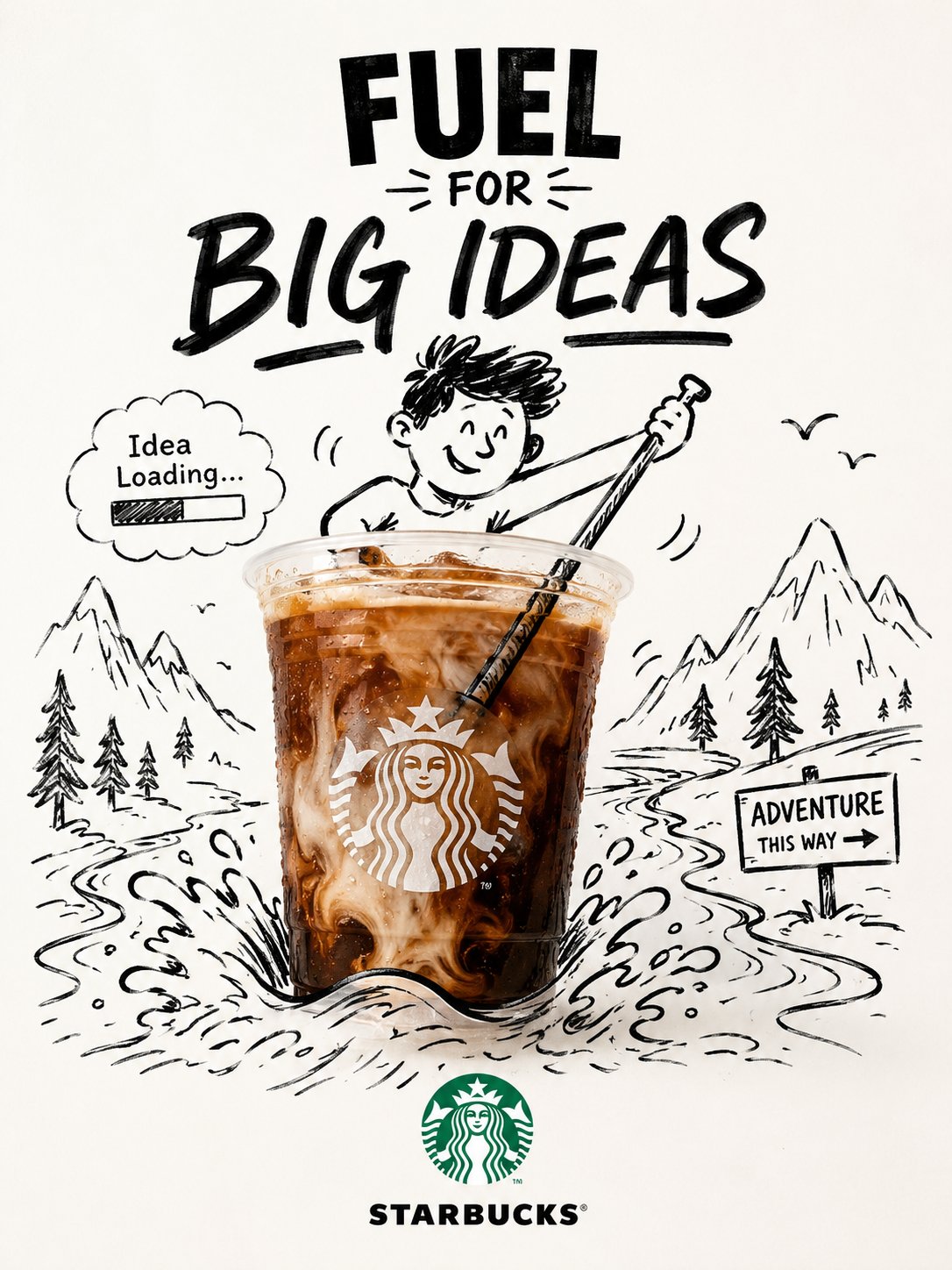
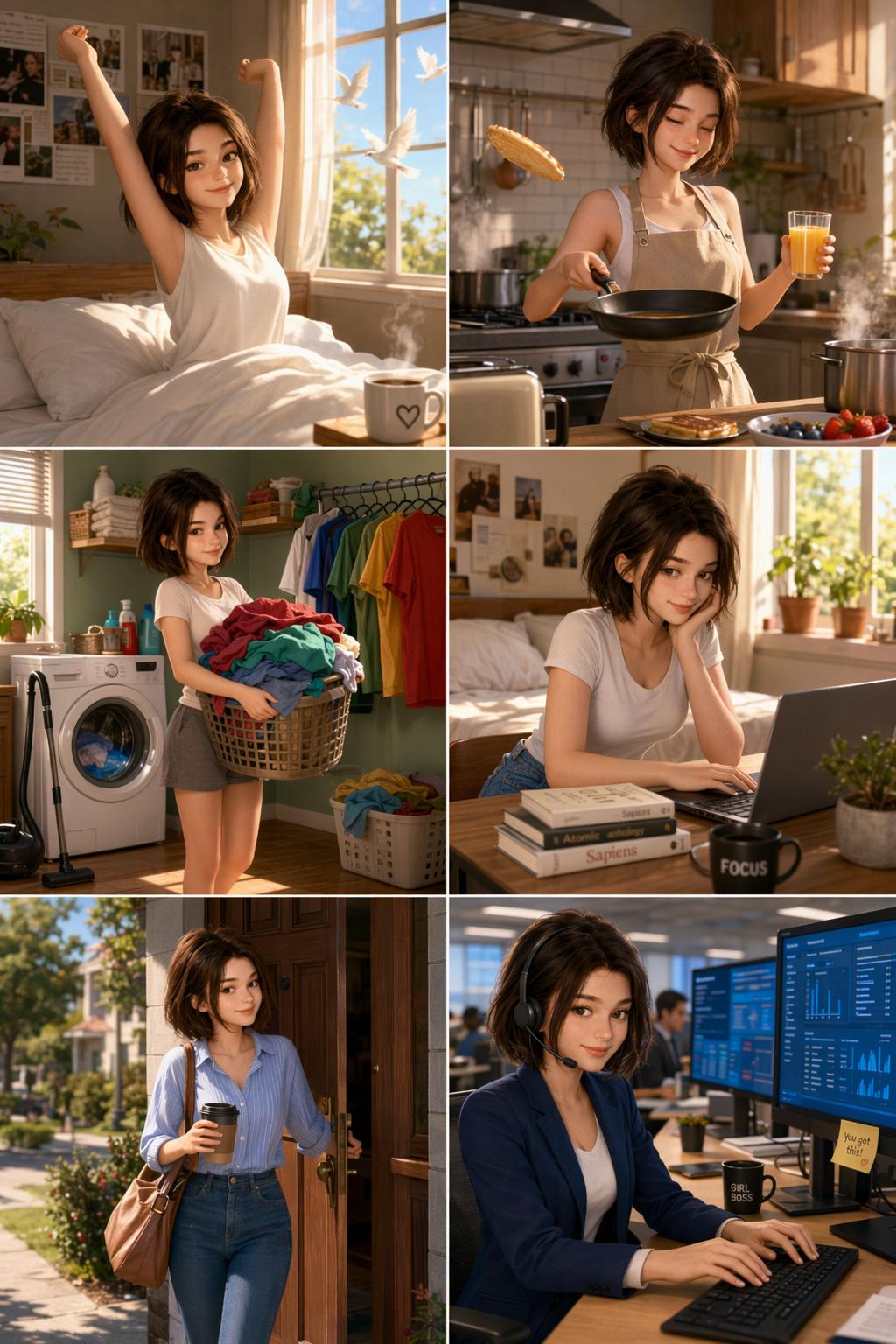
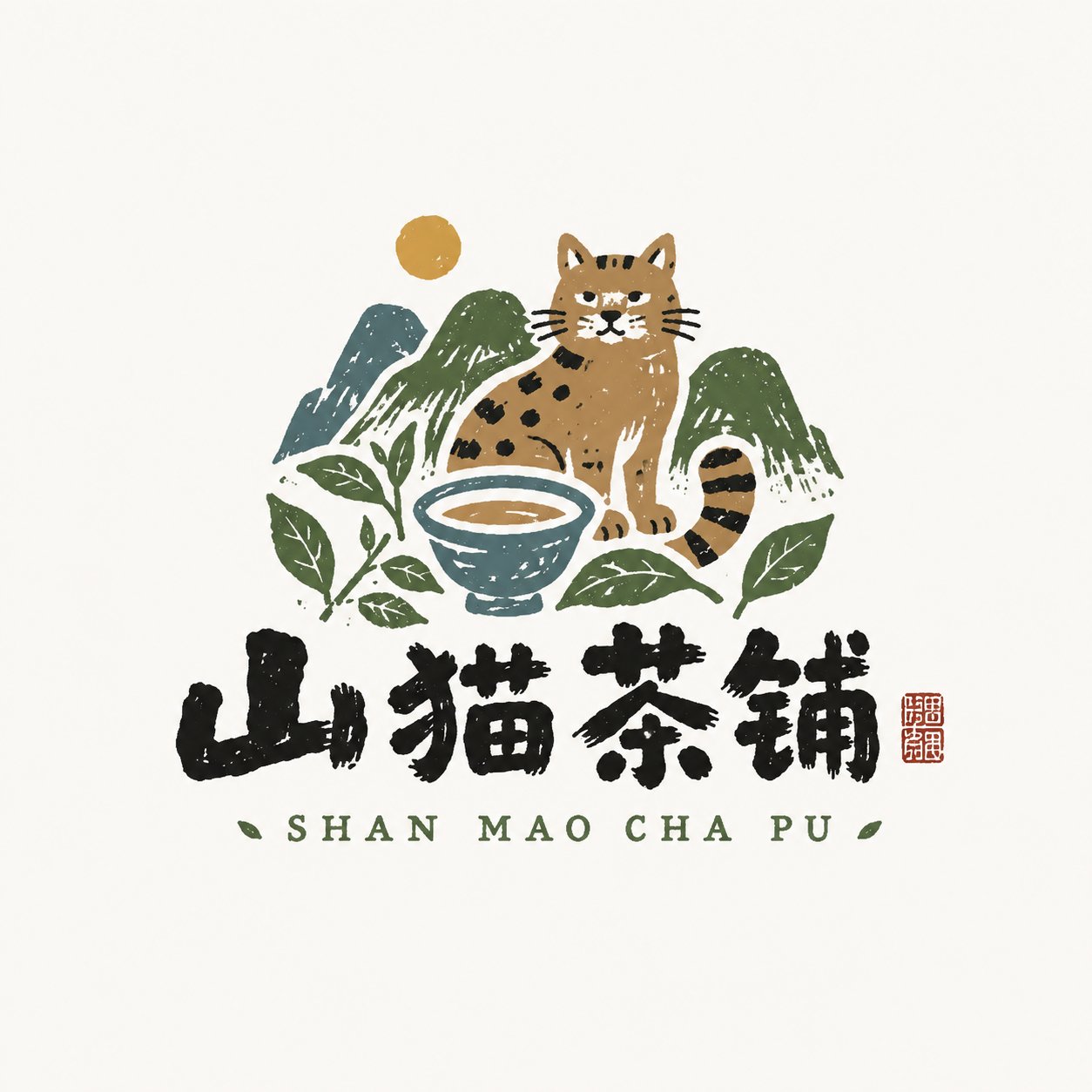
- This case keeps 2 media outputs, which makes it easier to check whether the style remains stable across multiple results.
How The Prompt Is Structured
- The prompt reads as a long, highly specified prompt, which is useful when you want to judge how much specificity this direction needs.
- Its keyword cluster is centered on Portrait, Poster, Illustration, so you can usually keep that cluster while swapping subject, camera, layout, or copy details.
- A practical rewrite path is: keep the outcome, keep the strongest style cues, then replace only the subject and environment blocks.
Good Follow-up Questions
- What changes first if you keep Portrait, Poster, Illustration but switch the subject matter?
- Which part of the result comes from section-level structure (Character Design) versus tag-level style cues?
- Which related cases in the same section give you a cleaner or more extreme variation of the same direction?
Full Prompt
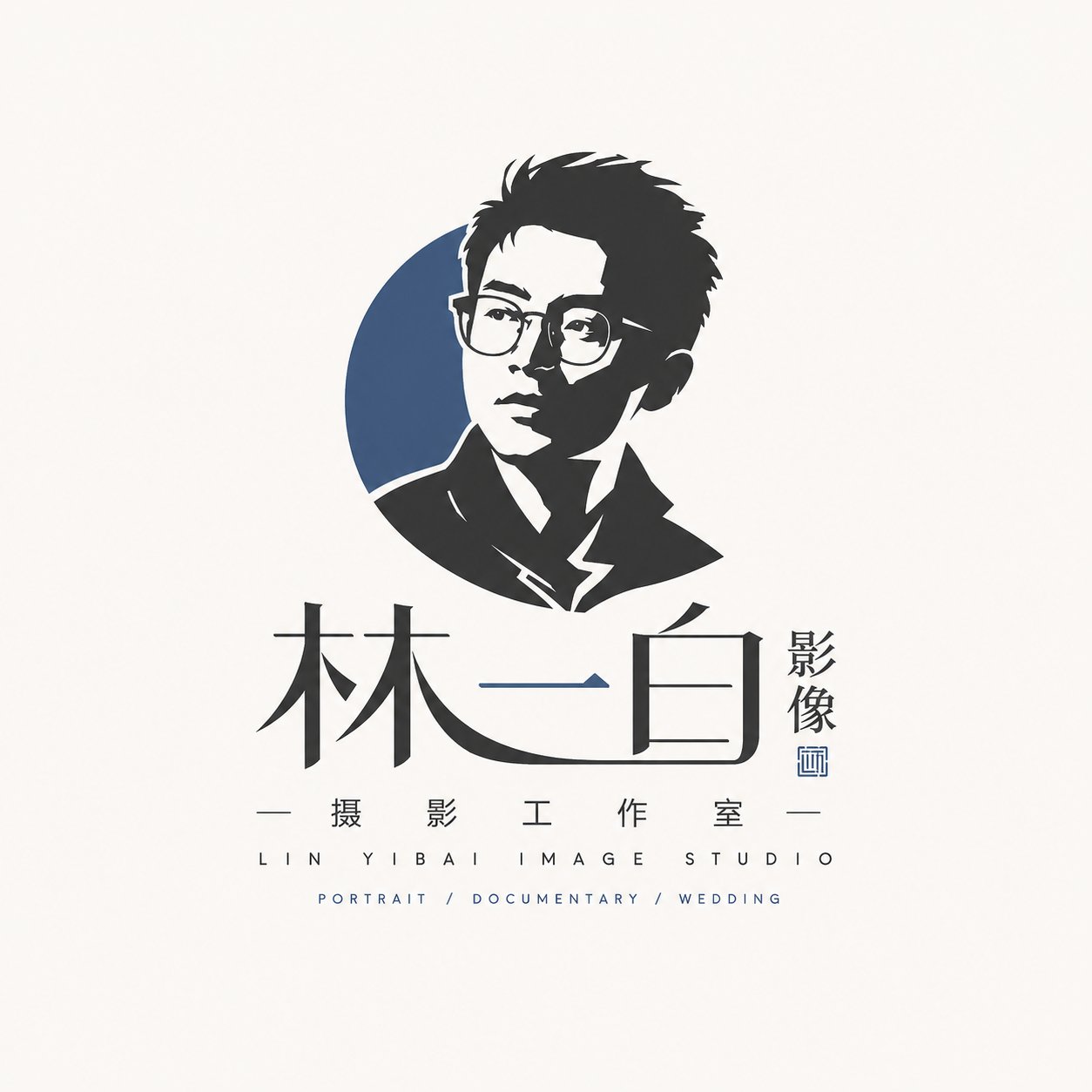
Please design a high-completeness "Portrait Brand Wordmark Logo" based on the user-inputted [Brand Name / Personal Name] [Subtitle / Product Name] [Type / Industry] [Brand Positioning] [Person Identity] [Person Characteristics] [Professional Attributes] [Emotional Temperament] [Wordmark Style] [Main Color] [Secondary Color] [Aspect Ratio]. [User Input] Brand Name / Personal Name: [Brand Name / Personal Name] Subtitle / Product Name: [Subtitle / Product Name] Type / Industry: [Photography Studio / Coffee Owner / Fitness Coach / Catering Owner / Design Studio / Consultant Brand / Doctor Personal Brand / Self-media IP / Trendy Studio, etc.] Brand Positioning: [Brand Positioning] Person Identity: [Photographer / Coffee Owner / Coach / Chef / Designer / Consultant / Teacher / Doctor / Content Owner, etc.] Person Characteristics: [Hairstyle / Glasses / Beard / Hat / Face Shape / Clothing / Pose / Tools / Temperament Characteristics] Professional Attributes: [Professional / Trendy / Friendly / Owner Sense / Service Sense / Credibility / Craftsmanship, etc.] Emotional Temperament: [Professional, Steady, Friendly, Opinionated, Trendy, Credible, Warm, Capable, Down-to-earth, Owner Temperament, etc.] Wordmark Style: [Modern Rational / Retro Owner / Strength Sports / Handwritten Sign / Street Trend / Professional Studio, etc.] Main Color: [Main Color] Secondary Color: [Secondary Color] Aspect Ratio: [Aspect Ratio] [Important Rules: If the user uploaded a portrait / personal photo] If the user provides a reference image of the person, please use that reference image as the basis for the character's image. Requirements: 1. Retain the core identification features of the person, including but not limited to: face shape, hairstyle, hairline, glasses, beard, hat, facial proportions, clothing silhouette, overall temperament; 2. Do not directly copy the reference photo into a realistic illustration, nor make it a common photo-to-illustration conversion; 3. The reference person must be processed into a logo-like, block-like, symbolic, and artistic form; 4. The goal is to "preserve person recognition + enhance brand sense," not mechanical replication; 5. If the person has obvious professional characteristics or personal style, these should also be preserved and strengthened; 6. If the pose in the uploaded photo is not suitable for a logo, it can be adjusted to a half-body / avatar composition more suitable for a logo while preserving the recognition features. [If no person photo is uploaded] If the user does not provide a reference photo, design an original portrait logo that matches the brand positioning based on the user's input of person identity, person characteristics, professional attributes, and emotional temperament. [Core Goal] What needs to be designed this time is a "Portrait Brand Wordmark Logo" that truly has a designer sense and brand recognition. It is not a common avatar illustration, nor is it a simple "avatar + typing" composite image. Instead, it must integrate "person portrait, customized wordmark, professional identity, brand temperament, and a few structural elements" into a complete, commercially usable, communicable, and scalable personal brand logo. The final effect should look like a main brand logo that a real personal brand, studio brand, owner brand, or professional service brand can use directly. [Design Essence] The focus of this type of logo is not to draw the person realistically, but to transform the person into a brand personality symbol: 1. Portrait is responsible for memory points; 2. Brand wordmark is responsible for recognition; 3. Professional characteristics are responsible for positioning; 4. Font design is responsible for style; 5. Composition structure is responsible for completeness. [Most Important Principles] 1. The person must be the main recognition point, but not like a common illustration avatar; 2. The person must be processed artistically, in blocks, and symbolically; 3. The brand name / person name must be clear and eye-catching, with a sense of a customized wordmark; 4. The wordmark cannot use standard fonts directly; it must have industry temperament and design variations; 5. The person and the wordmark must form a whole, not a mechanical vertical arrangement; 6. The overall look must have a sense of branding, style, and commercial completeness; 7. Don't be too formal, too template-like, or too ordinary; it should have a designer's work feel. [Portrait Portrait Requirements] Please design a high-recognition character avatar or half-body image around [Person Identity] and [Person Characteristics]. The character's expression should lean towards logo-ization, using: - Black and white block portraits; - Flat line-art portraits; - Print-style portraits; - Silk-screen poster-style portraits; - Half-body professional character graphics; - Character avatars in circular / semi-circular / color block bases. Person requirements: 1. Retain the most critical personal features, such as hairstyle, glasses, beard, hat, clothing silhouette, face shape, pose; 2. Do not strive for complete realism; use strong generalization and artistic extraction; 3. Strengthen black and white light and shadow blocks to form stronger visual recognition; 4. Allow for slight exaggeration, angle changes, and postural expressions of the character; 5. Professional tools can be added, such as cameras, coffee cups, spatulas, dumbbells, books, pens, headphones, etc.; 6. The character's silhouette must be clear and suitable for recognition even when scaled down; 7. The character should be like a brand symbol, not a common avatar. [Wordmark Design Requirements] The brand name / person name must be designed as a stylish wordmark, not ordinary typography. Please choose the corresponding wordmark language according to the industry. [Relationship Between Portrait and Wordmark] The person and the text cannot be separated; there must be a structural relationship: 1. The portrait can be pressed above the wordmark; 2. The wordmark can support the character; 3. Semi-circular / color block bases can connect the character and the text; 4. Tools, horizontal lines, ribbons, small seals can serve as connecting structures; 5. The whole should be like a complete logo, not an avatar image + title text. [Composition Structure Requirements] The following structures can be selected based on the brand: 1. Person avatar on top, customized wordmark below, auxiliary subtitle; 2. Semi-circle / circular seal portrait base + main wordmark + small sub-mark; 3. Person half-body image + large wordmark + horizontal line / ribbon / small tag; 4. Person on the left, wordmark on the right, suitable for more modern professional brands; 5. The person and the wordmark form an overall badge feel, suitable for coaches, catering, and coffee owners. Overall requirements: - Clear primary and secondary; - Person has memory points; - Wordmark has a sense of design; - Moderate white space; - Suitable for small-scale use; - Cannot be poster-like. [Color Requirements] It is recommended to use black, white, and gray as the main body, paired with 1 emphasis color. Requirements: 1. Restrained colors but with memory points; 2. The emphasis color is used for bases, horizontal lines, ribbons, small seals, and auxiliary graphics; 3. Don't use too many colors; 4. Don't use cheap gradients; 5. Don't look like a common cartoon avatar. [Auxiliary Element Requirements] A small number of design structural elements can be added to enhance completeness: - Semi-circular base; - Circular badge; - Horizontal line; - Small seal; - Ribbon; - ESTD year; - English subtitle; - Slogan; - Small professional icon; - Signature-style handwriting; - Small red seal / small color block. Auxiliary elements must serve the overall composition and cannot become piled-up decorations. [Visual Presentation Requirements] 1. This is a standalone logo display image, not a poster; 2. The background is clean, recommending white, off-white, or light gray backgrounds; 3. The main body of the logo is clear and complete; 4. The portrait has artistic processing; 5. The wordmark has a customized design feel; 6. The person, text, and professional attributes are unified; 7. Suitable for use in scenarios such as avatars, business cards, storefronts, social media, brand packaging, work uniforms, stickers, etc. [Style Keywords] Portrait Brand Wordmark Logo, Portrait Brand Wordmark Logo, personal branding logo, stylized portrait logo, custom wordmark, portrait identity design, founder logo, studio logo, designer-style logo, black and white block portrait, brand personality mark. [Acceptance Criteria] Please ensure the final result meets: 1. The person is recognizable as the main character at a glance; 2. The brand name is recognizable at a glance; 3. If there is a reference photo, the person's image should maintain a clear identification link with the reference photo; 4. The portrait has artistic processing, not a common avatar; 5. The wordmark has a customized feel, not ordinary typography; 6. The person and the wordmark form a complete logo; 7. Restrained color matching but with brand memory points; 8. Can reflect professional identity; 9. Suitable for commercial use and social communication. [Output Requirements] Please finally output a high-completeness "Portrait Brand Wordmark Logo". If the user uploaded a portrait photo, please perform logo-ization and artistic reconstruction while retaining the core identification features of the person; If no photo is uploaded, design the person's image according to the text settings. The final product must be a concise, professional, memorable, and complete logo with a designer's work feel.