Case Media
Case Notes
This page keeps the media, full prompt, and original source together so you can inspect the result first and decide whether the prompt is worth copying, saving, or comparing.
Case Insights
To make this page easier to search, cite, and reuse later, the case is also broken down into practical guidance about usage, visual cues, and prompt structure.
Best Fit Scenarios
- Use this as a character design benchmark when you need a fast style baseline before rewriting your own prompt.
- It is especially helpful if your target overlaps with Cinematic, Illustration, Character and you want to judge the image result before tuning wording.
- Keep it as a control sample when you compare nearby prompt variants one variable at a time.
Visual Signals To Notice
- The clearest style signals here are Cinematic, Illustration, Character, so those should usually stay in your first rewrite.
- Look at silhouette, costume language, mood styling, and whether the character reads clearly at a glance.
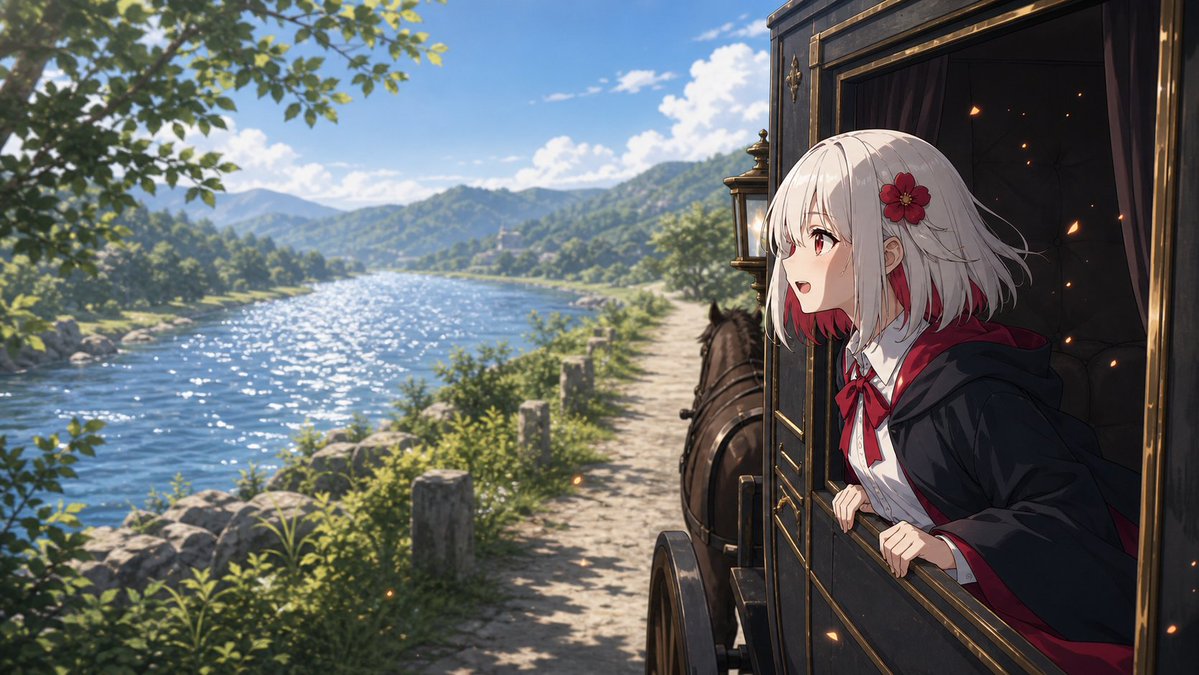
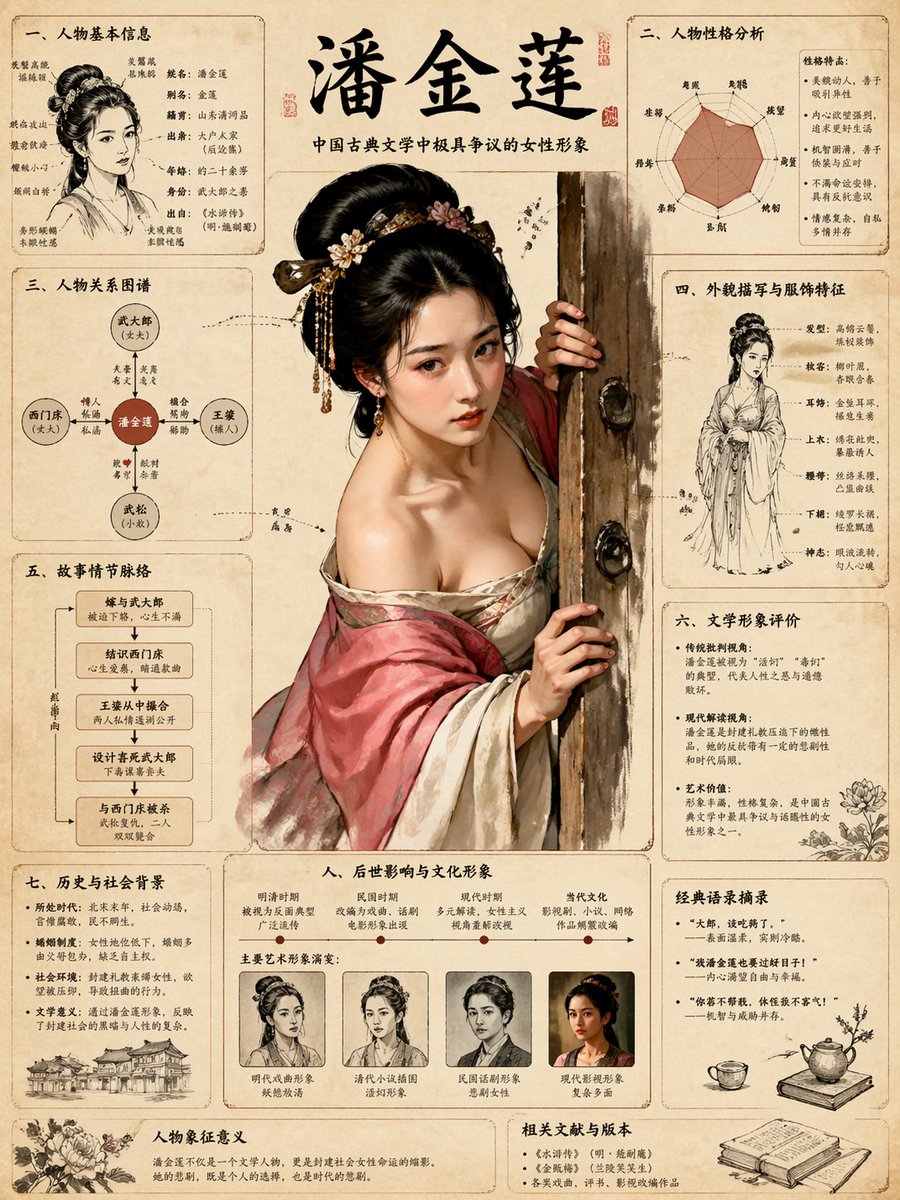
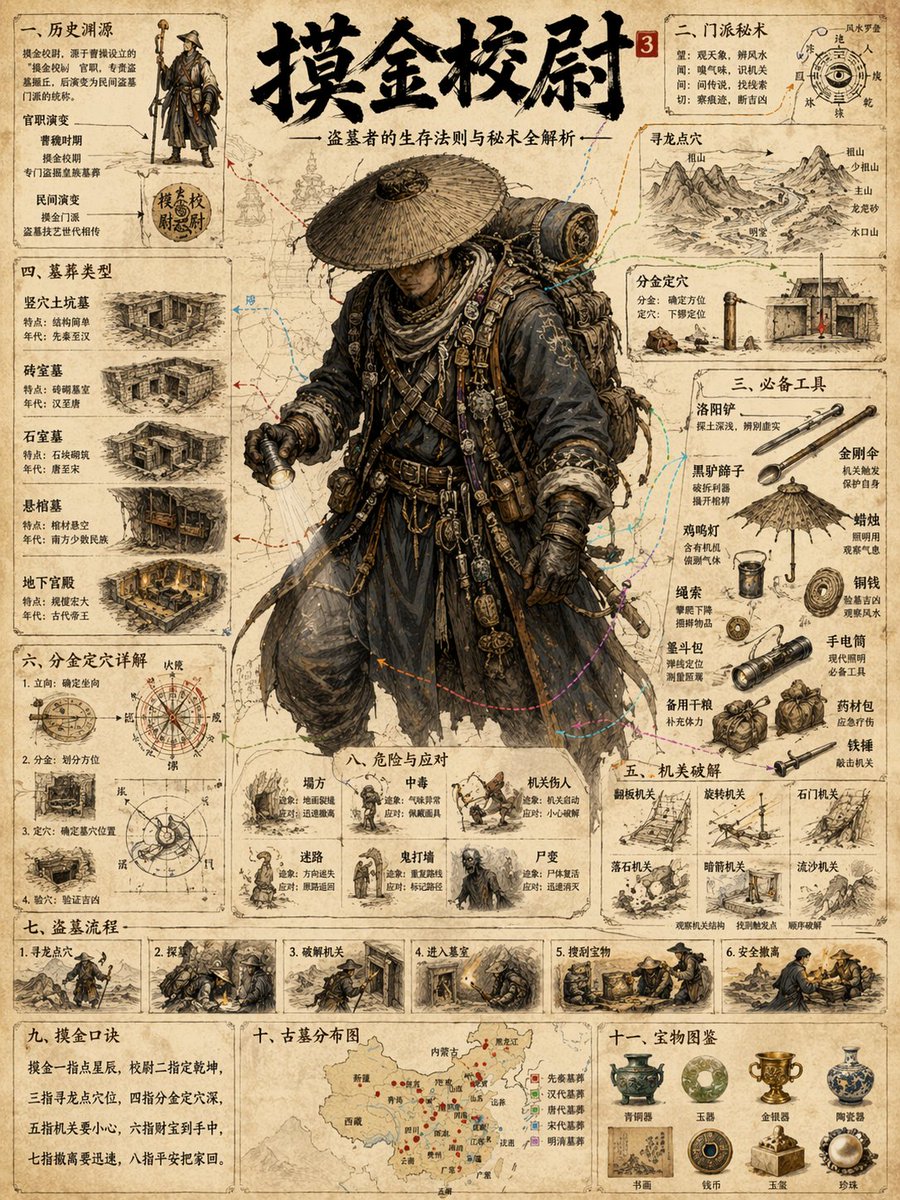
- This case keeps one primary output, so the first image should be treated as the main visual reference.
How The Prompt Is Structured
- The prompt reads as a long, highly specified prompt, which is useful when you want to judge how much specificity this direction needs.
- Its keyword cluster is centered on Cinematic, Illustration, Character, so you can usually keep that cluster while swapping subject, camera, layout, or copy details.
- A practical rewrite path is: keep the outcome, keep the strongest style cues, then replace only the subject and environment blocks.
Good Follow-up Questions
- What changes first if you keep Cinematic, Illustration, Character but switch the subject matter?
- Which part of the result comes from section-level structure (Character Design) versus tag-level style cues?
- Which related cases in the same section give you a cleaner or more extreme variation of the same direction?
Full Prompt
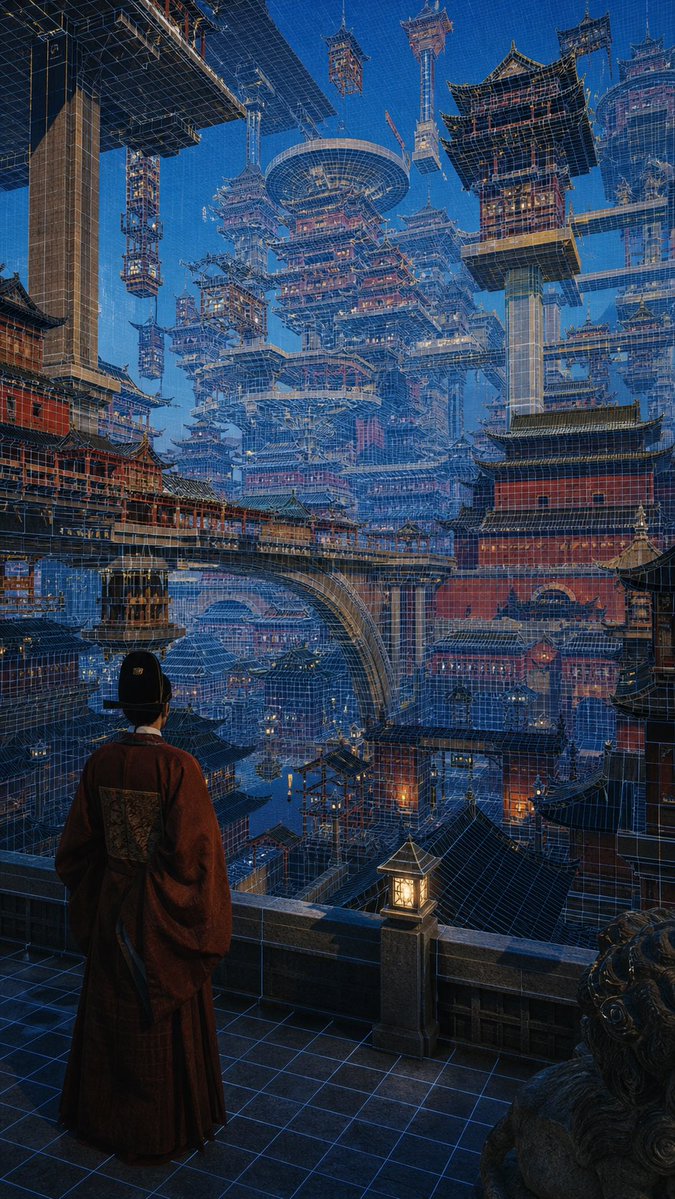
Create a highly detailed vertical cinematic concept art scene of a lone {argument name="character role" default="ancient Chinese court official"} seen from behind, standing on a stone balcony at night and gazing over an immense futuristic megacity built from traditional East Asian palace architecture. The figure wears a dark red flowing robe and black official hat, framed in the lower left foreground beside a glowing square lantern and a carved stone guardian lion. The city is a vast layered maze of red palace walls, tiled pagoda roofs, bridges, towers, terraces, and suspended buildings, all interwoven with luminous blue holographic wireframe construction lines like an architectural blueprint overlay. Massive floating pagodas, cranes, scaffold-like towers, circular sky platforms, and elevated walkways fill the deep perspective, creating a surreal cyber-imperial capital that rises into a clear deep-blue evening sky. Use dramatic scale, dense architectural detail, cool blue ambient light with warm orange lantern accents, realistic painterly rendering, intricate linework, atmospheric depth, and a sense of awe and quiet contemplation. Style should combine {argument name="visual style" default="cyberpunk ancient Chinese architectural fantasy"}, ultra-detailed matte painting, cinematic lighting, sharp perspective, vertical 9:16 composition, no text, no logos.