Case Media
Case Notes
This page keeps the media, full prompt, and original source together so you can inspect the result first and decide whether the prompt is worth copying, saving, or comparing.
Case Insights
To make this page easier to search, cite, and reuse later, the case is also broken down into practical guidance about usage, visual cues, and prompt structure.
Best Fit Scenarios
- Use this as a character design benchmark when you need a fast style baseline before rewriting your own prompt.
- It is especially helpful if your target overlaps with Poster, Illustration, Character and you want to judge the image result before tuning wording.
- Keep it as a control sample when you compare nearby prompt variants one variable at a time.
Visual Signals To Notice
- The clearest style signals here are Poster, Illustration, Character, so those should usually stay in your first rewrite.
- Look at silhouette, costume language, mood styling, and whether the character reads clearly at a glance.
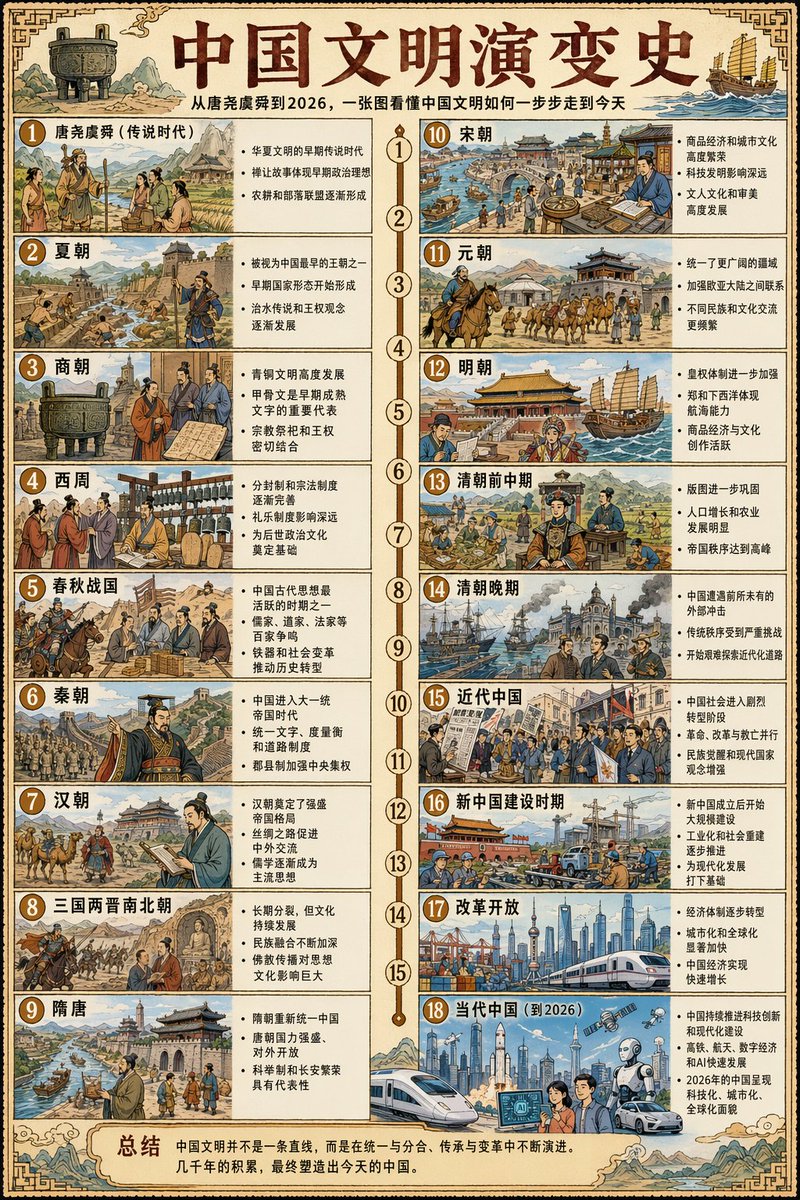
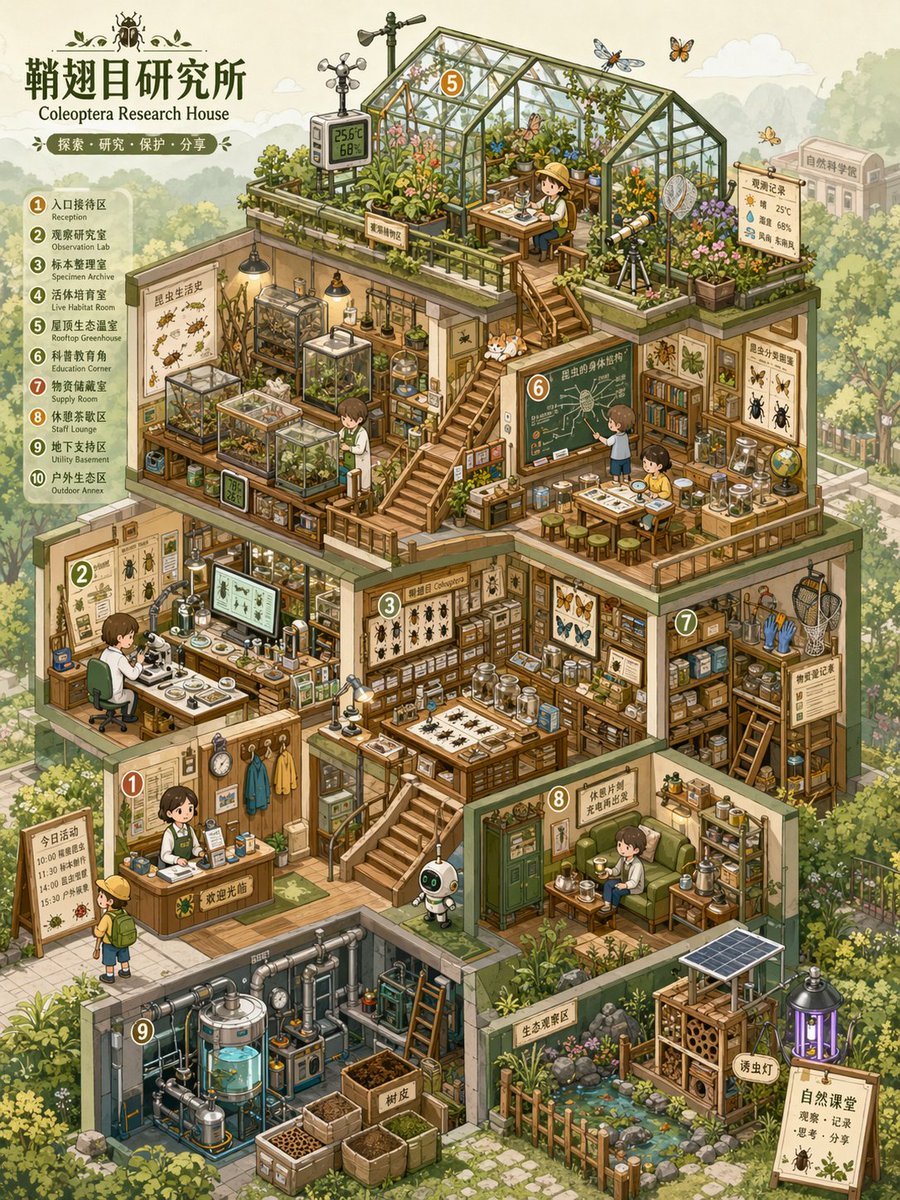
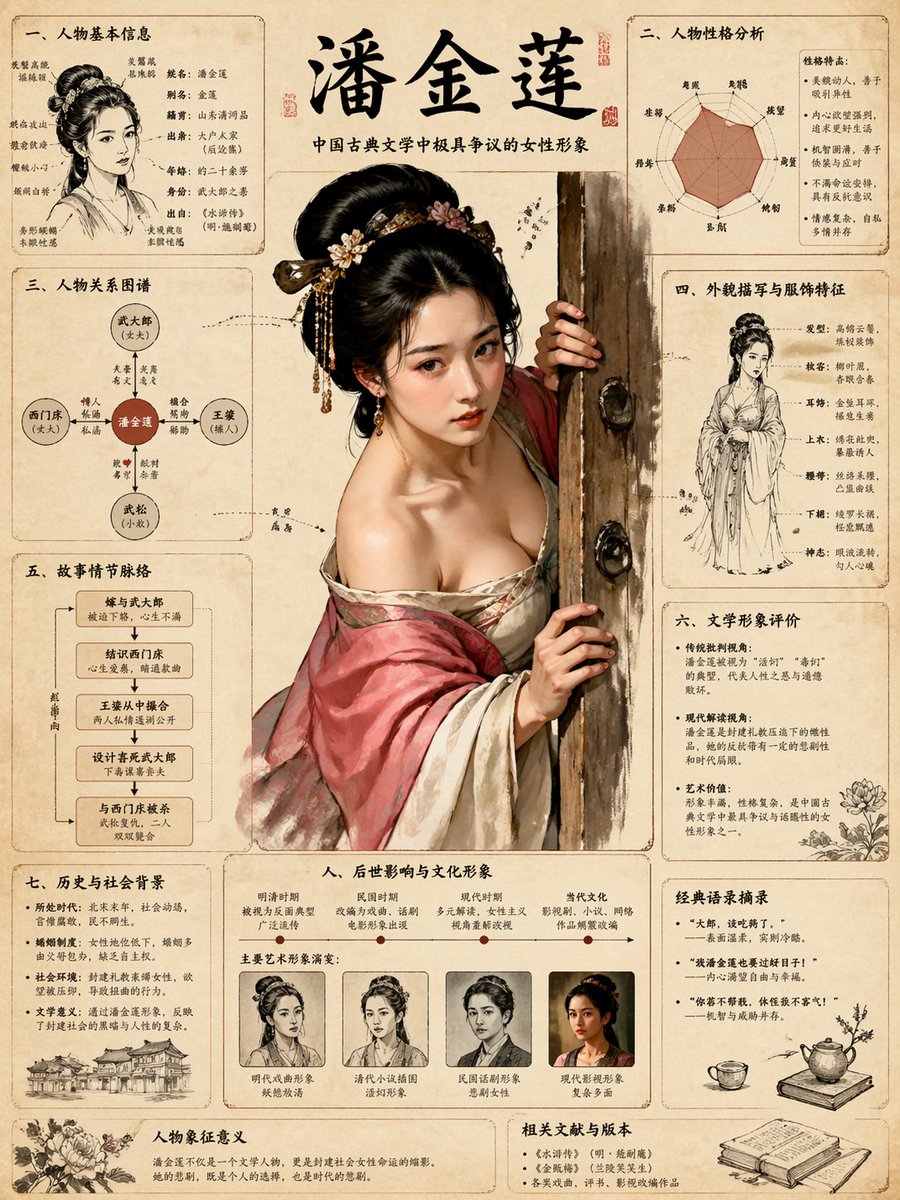
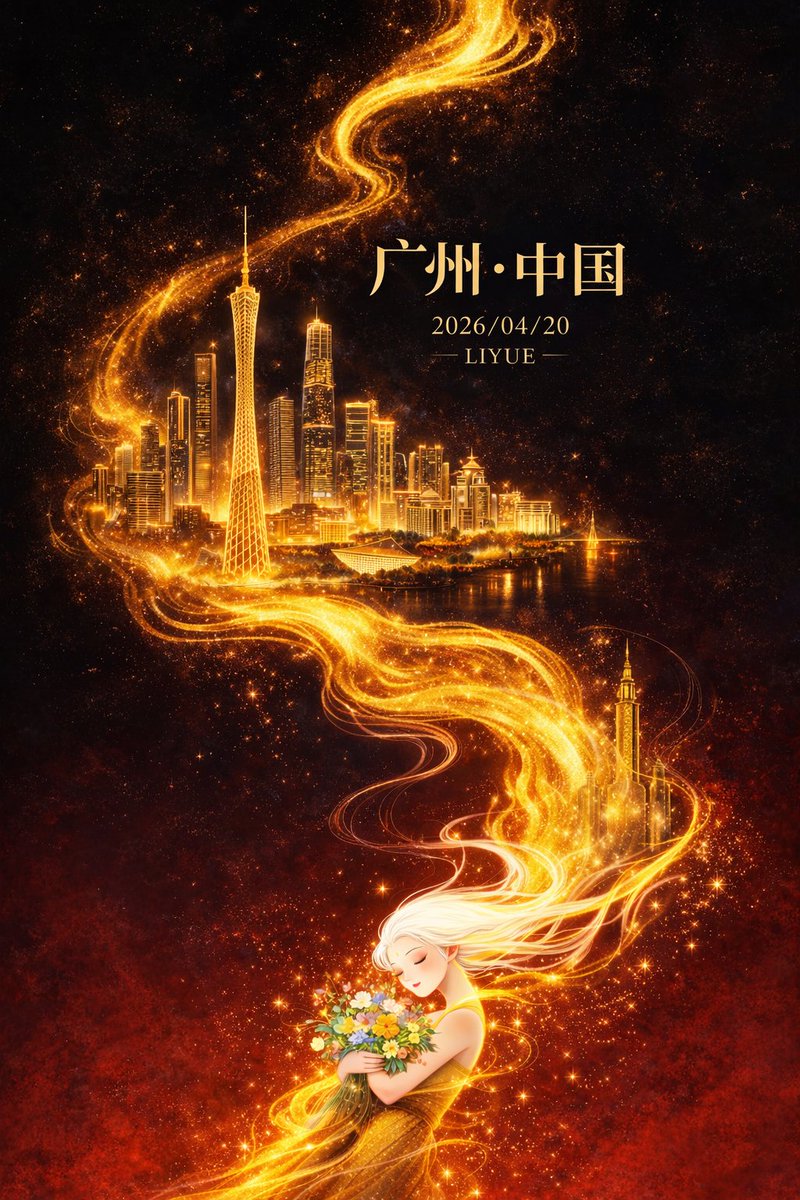
- This case keeps 4 media outputs, which makes it easier to check whether the style remains stable across multiple results.
How The Prompt Is Structured
- The prompt reads as a long, highly specified prompt, which is useful when you want to judge how much specificity this direction needs.
- Its keyword cluster is centered on Poster, Illustration, Character, so you can usually keep that cluster while swapping subject, camera, layout, or copy details.
- A practical rewrite path is: keep the outcome, keep the strongest style cues, then replace only the subject and environment blocks.
Good Follow-up Questions
- What changes first if you keep Poster, Illustration, Character but switch the subject matter?
- Which part of the result comes from section-level structure (Character Design) versus tag-level style cues?
- Which related cases in the same section give you a cleaner or more extreme variation of the same direction?
Full Prompt
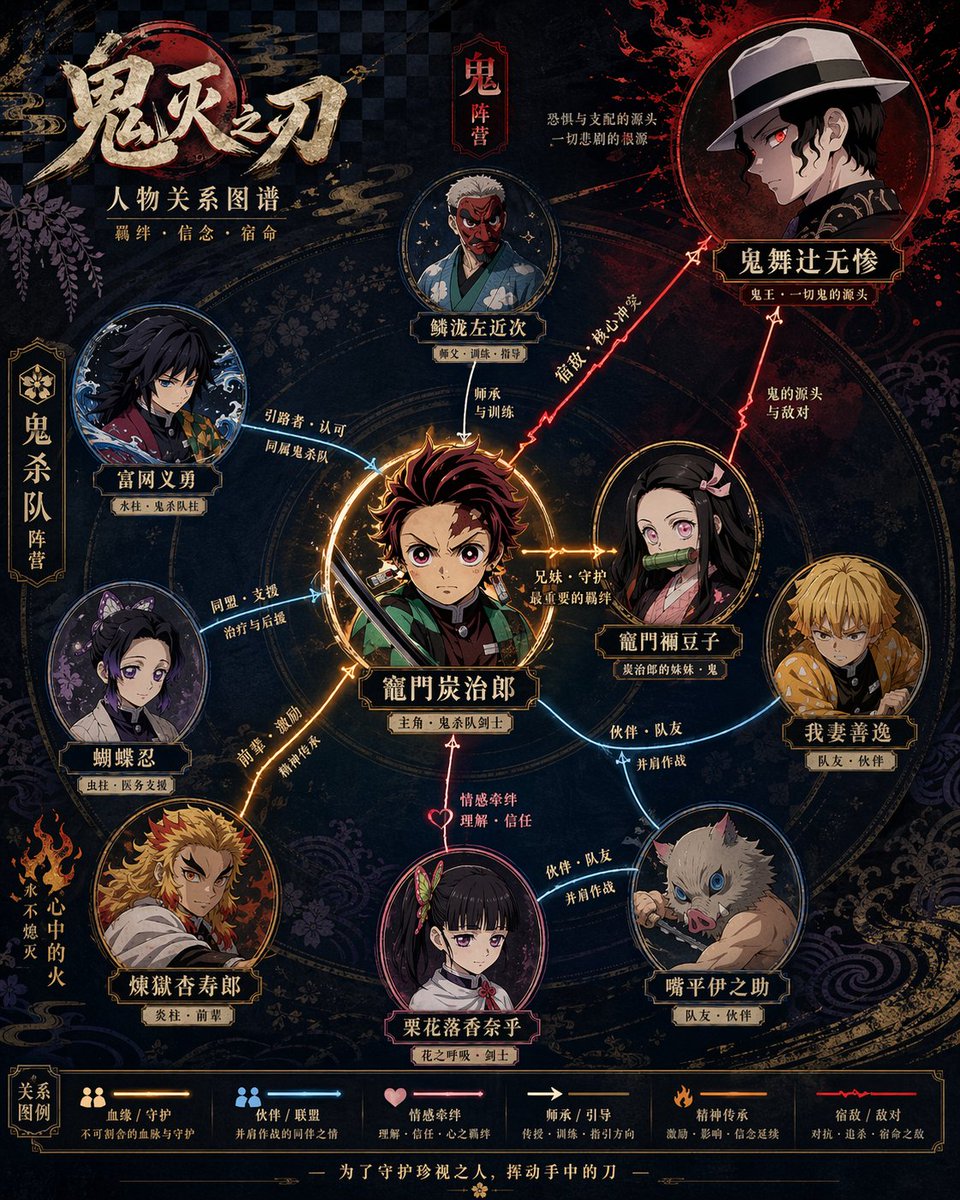
Please generate a high-design character relationship map poster based on {argument name="theme" default="Demon Slayer"}. This image should not be a simple illustration, but a character relationship map that combines information visualization, narrative structure, poster design sense, and stylistic fidelity. Please automatically complete the following: - Identify the work and core settings corresponding to the theme - Extract the most representative 6–12 key characters, not exceeding 15 if necessary - Identify and display key character relationships, including blood ties, romance, friendship, alliances, hostility, master-disciple, etc. - Automatically choose a composition method based on the work's characteristics, such as protagonist-centered, dual-core confrontation, faction-based, family tree, or chronological evolution - Automatically refine the work's style DNA, including color, worldview symbols, textures, mood, typography, and representative elements - Transform these stylistic elements into an overall visual design for the relationship map, rather than simply copying an official poster - Use different colors, line types, and arrows to distinguish different relationships, ensuring clear lines and layers without clutter - Make core characters most prominent, followed by important characters, and subordinate characters weakened to form a clear visual hierarchy - Ensure every character name is legible, with identity or faction labels if necessary The final product should satisfy: - Immediate understanding of character hierarchy and key relationships - Obvious alignment with the original work's temperament and setting - Combines the clarity of an infographic with the premium design of a poster - Unified, exquisite, complete, and suitable for social media sharing or poster display - Avoids a cheap flowchart feel, messy piling, and information overload.