Case Media
Case Notes
This page keeps the media, full prompt, and original source together so you can inspect the result first and decide whether the prompt is worth copying, saving, or comparing.
Case Insights
To make this page easier to search, cite, and reuse later, the case is also broken down into practical guidance about usage, visual cues, and prompt structure.
Best Fit Scenarios
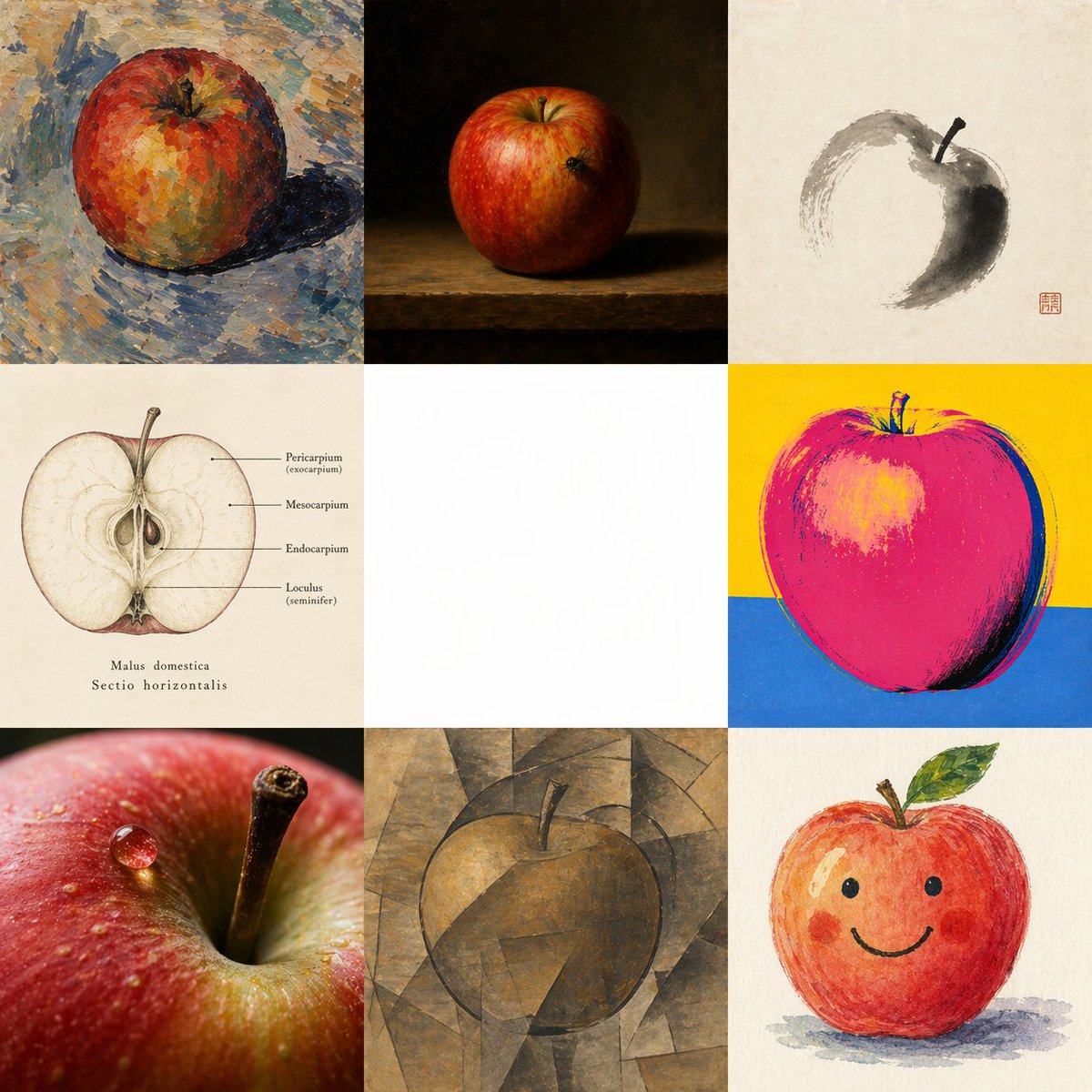
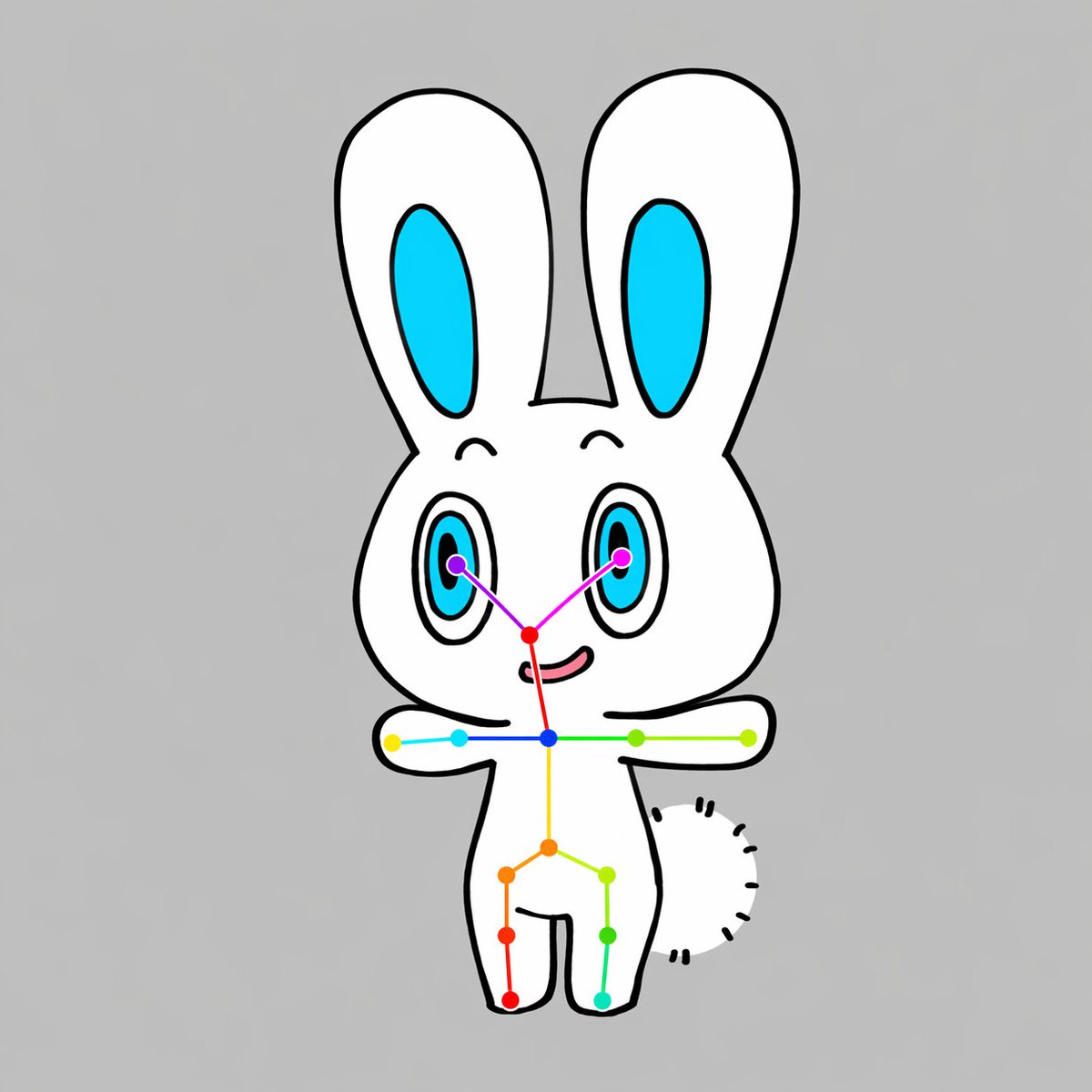
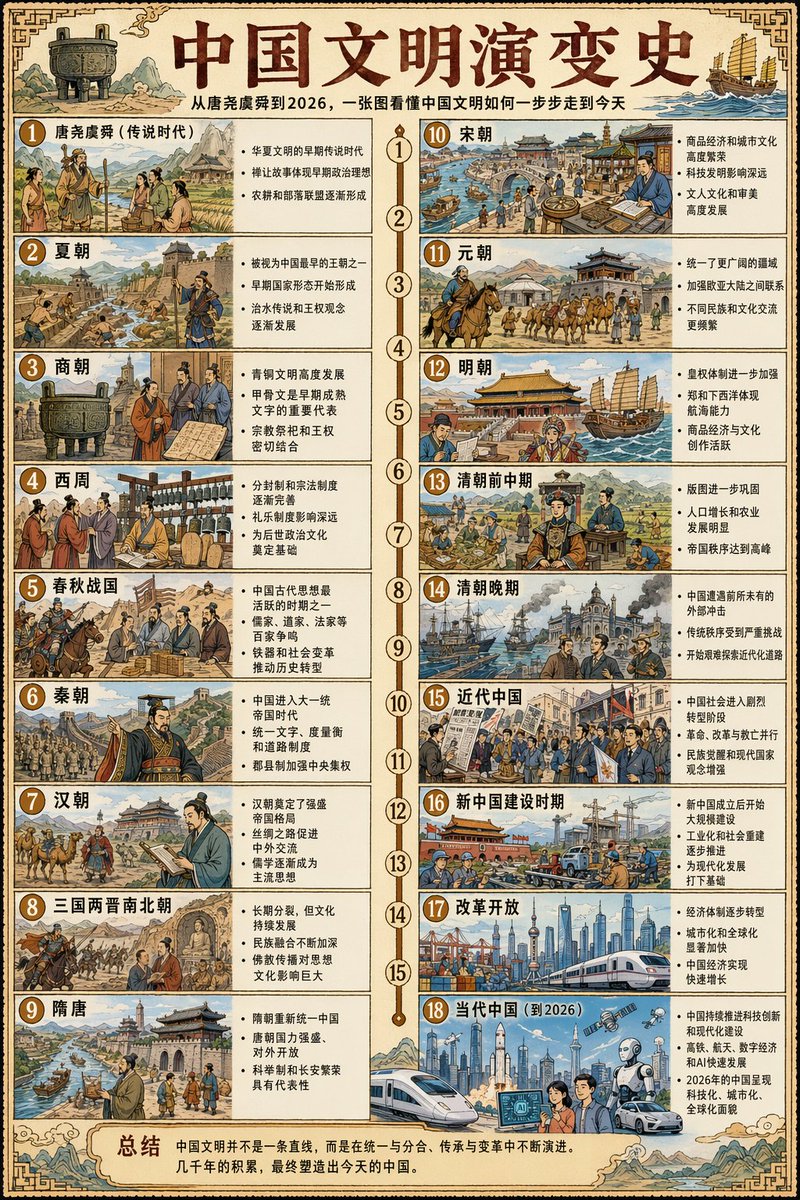
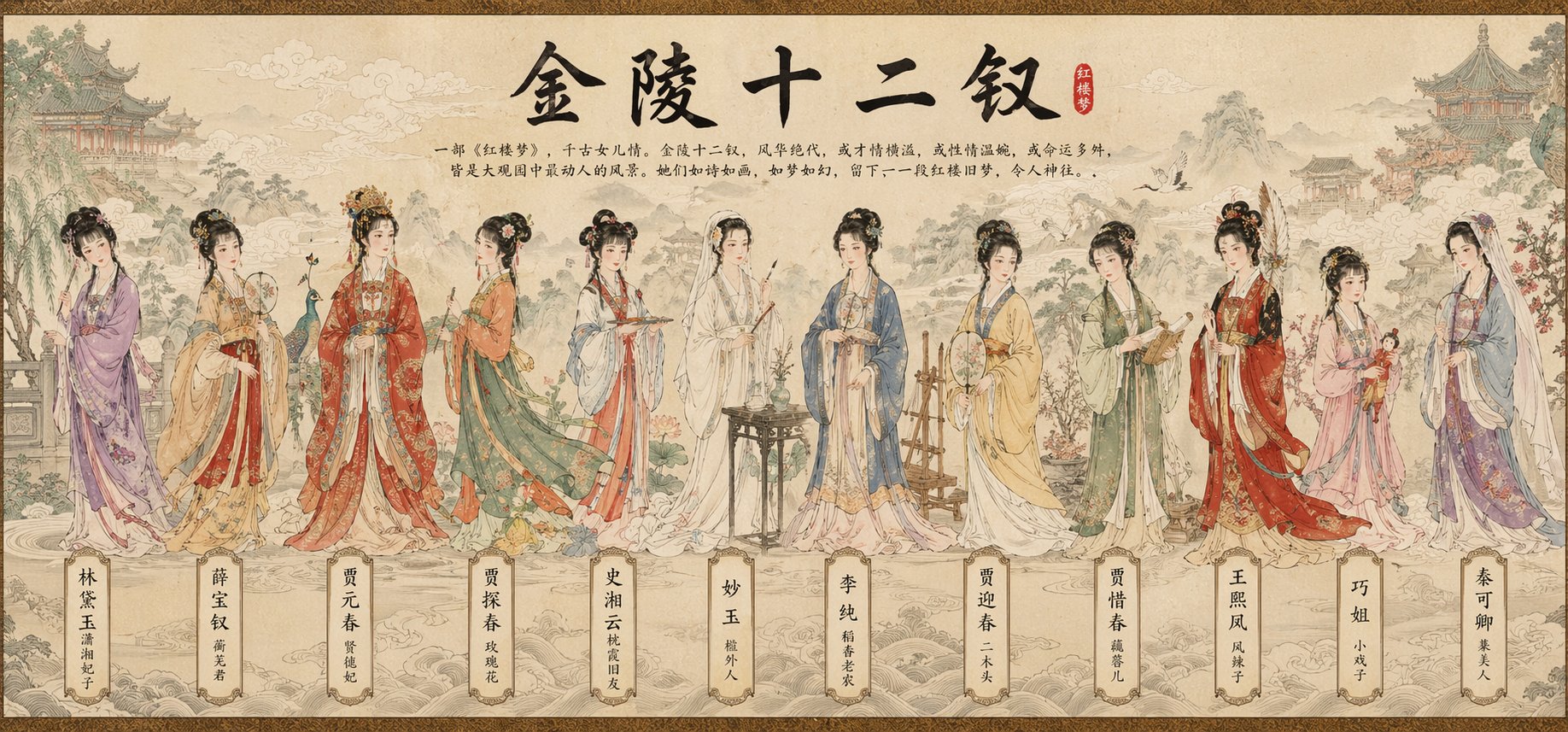
- Use this as a character design benchmark when you need a fast style baseline before rewriting your own prompt.
- It is especially helpful if your target overlaps with Illustration, Character, Watercolor and you want to judge the image result before tuning wording.
- Keep it as a control sample when you compare nearby prompt variants one variable at a time.
Visual Signals To Notice
- The clearest style signals here are Illustration, Character, Watercolor, so those should usually stay in your first rewrite.
- Look at silhouette, costume language, mood styling, and whether the character reads clearly at a glance.
- This case keeps one primary output, so the first image should be treated as the main visual reference.
How The Prompt Is Structured
- The prompt reads as a long, highly specified prompt, which is useful when you want to judge how much specificity this direction needs.
- Its keyword cluster is centered on Illustration, Character, Watercolor, so you can usually keep that cluster while swapping subject, camera, layout, or copy details.
- A practical rewrite path is: keep the outcome, keep the strongest style cues, then replace only the subject and environment blocks.
Good Follow-up Questions
- What changes first if you keep Illustration, Character, Watercolor but switch the subject matter?
- Which part of the result comes from section-level structure (Character Design) versus tag-level style cues?
- Which related cases in the same section give you a cleaner or more extreme variation of the same direction?
Full Prompt
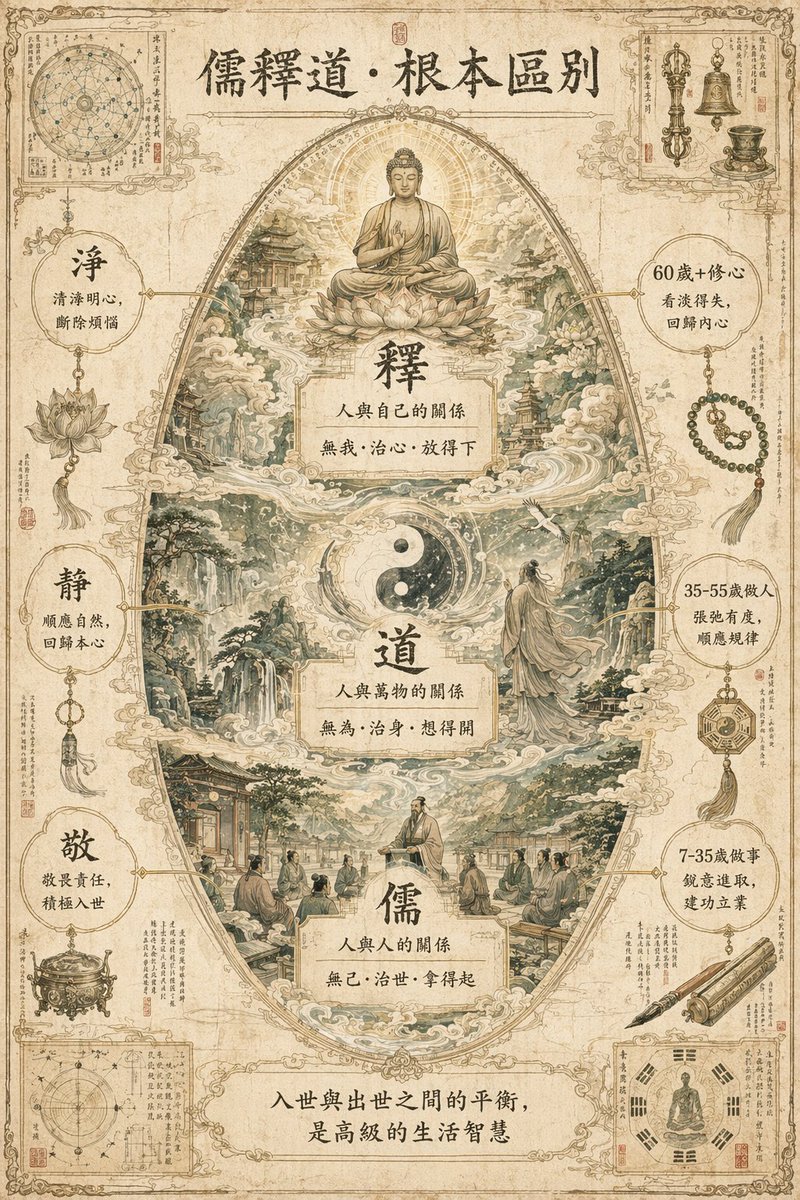
A breathtaking and extremely complex world-building infographic masterpiece conceptualizing the "{argument name="theme" default="Fundamental Differences between Confucianism, Buddhism, and Taoism"}", designed as a profound {argument name="style" default="ancient Oriental mythological manuscript"}. Background: Pure white vintage textured canvas with a light beige aged parchment base color, subtle frayed edges, and water stain textures. Core Layout: Central vision uses a grand "vertical egg-shaped layered structure", with Buddhism, Taoism, and Confucianism layers from top to bottom. Margins: Four corners are decorated with fine micro-illustrations featuring ancient observation notes, ritual implements, and runes. Colors: Low-saturation sage green, light gold, and off-white as main tones; overall light and soft without harsh high-saturation colors. Details: Architectural lines, landscape brushwork, lotus patterns, and cloud layers are clearly visible and exquisitely detailed. Seamless Fusion: The three layers transition naturally through clouds and flowing water; the Buddhist halo, Taoist Taiji mist, and Confucian scholarly aura connect seamlessly. Style: Classical ink line art + low-saturation digital watercolor, with a light Chinese-style ancient book manuscript texture. Text Annotations: Authentic Traditional Chinese characters in a mottled vintage Song typeface. Each annotation includes a short title + a line of poetic description, connected to corresponding details by dark gold hair-thin lines with no overlapping pointers. Aspect Ratio: {argument name="aspect ratio" default="3:4"} vertical format, independent and complete. Title Area (Top): `儒釋道·根本區別` (Confucianism, Buddhism, Taoism: Fundamental Differences) Central Layer Labels: Top "Buddhism": `釋`, `Relationship between man and self`, `Selflessness, governing the heart, letting go` Middle "Taoism": `道`, `Relationship between man and all things`, `Non-action, governing the body, being open-minded` Bottom "Confucianism": `儒`, `Relationship between man and man`, `No ego, governing the world, taking responsibility` Side Annotations: Left: `Purity`: pure heart and clear mind, cutting off troubles; `Stillness`: following nature, returning to the original heart; `Respect`: respecting responsibility, active involvement in society. Right: `60+ Spiritual Cultivation`: looking lightly at gain/loss; `35-55 Conduct`: living with flexibility, following laws; `7-35 Actions`: forging ahead, building careers. Bottom Summary: `The balance between being in the world and being out of the world is high-level life wisdom.`