Case Media

Case Notes
This page keeps the media, full prompt, and original source together so you can inspect the result first and decide whether the prompt is worth copying, saving, or comparing.
Case Insights
To make this page easier to search, cite, and reuse later, the case is also broken down into practical guidance about usage, visual cues, and prompt structure.
Best Fit Scenarios
- Use this as a character design benchmark when you need a fast style baseline before rewriting your own prompt.
- It is especially helpful if your target overlaps with Cinematic, Poster, Illustration and you want to judge the image result before tuning wording.
- Keep it as a control sample when you compare nearby prompt variants one variable at a time.
Visual Signals To Notice
- The clearest style signals here are Cinematic, Poster, Illustration, so those should usually stay in your first rewrite.
- Look at silhouette, costume language, mood styling, and whether the character reads clearly at a glance.
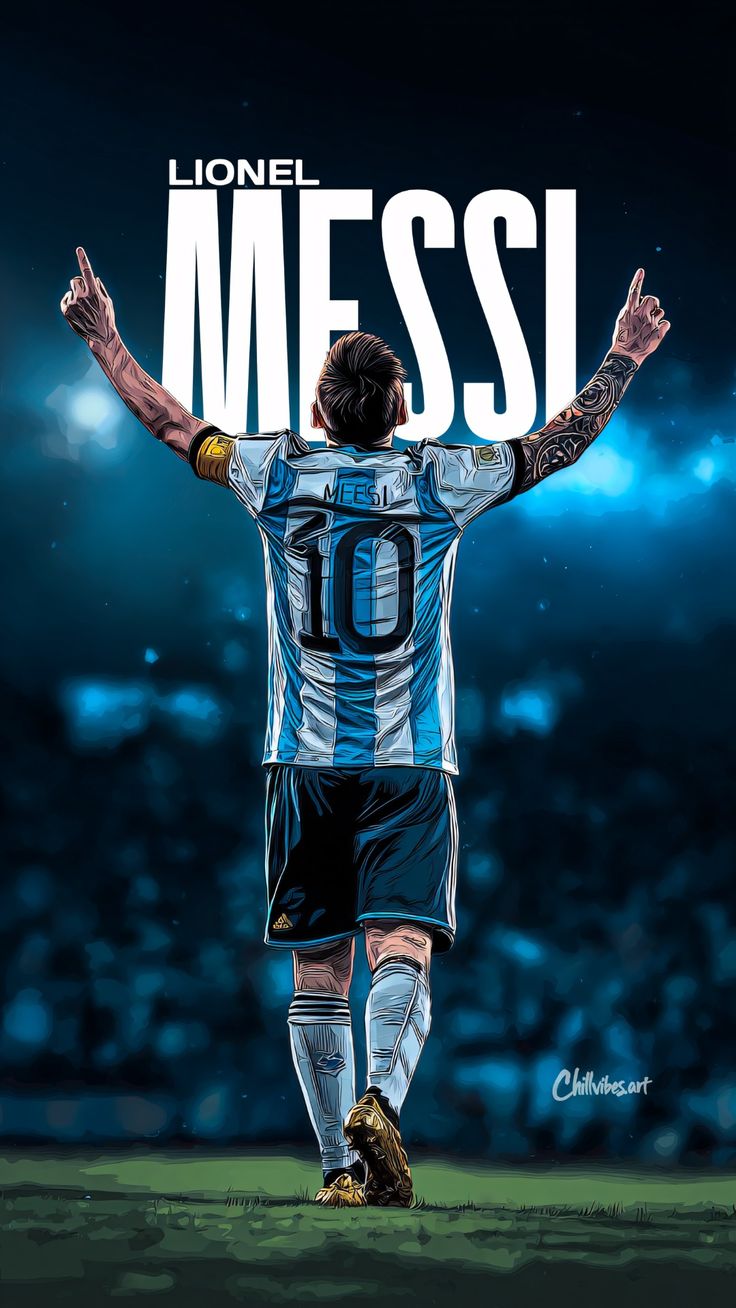
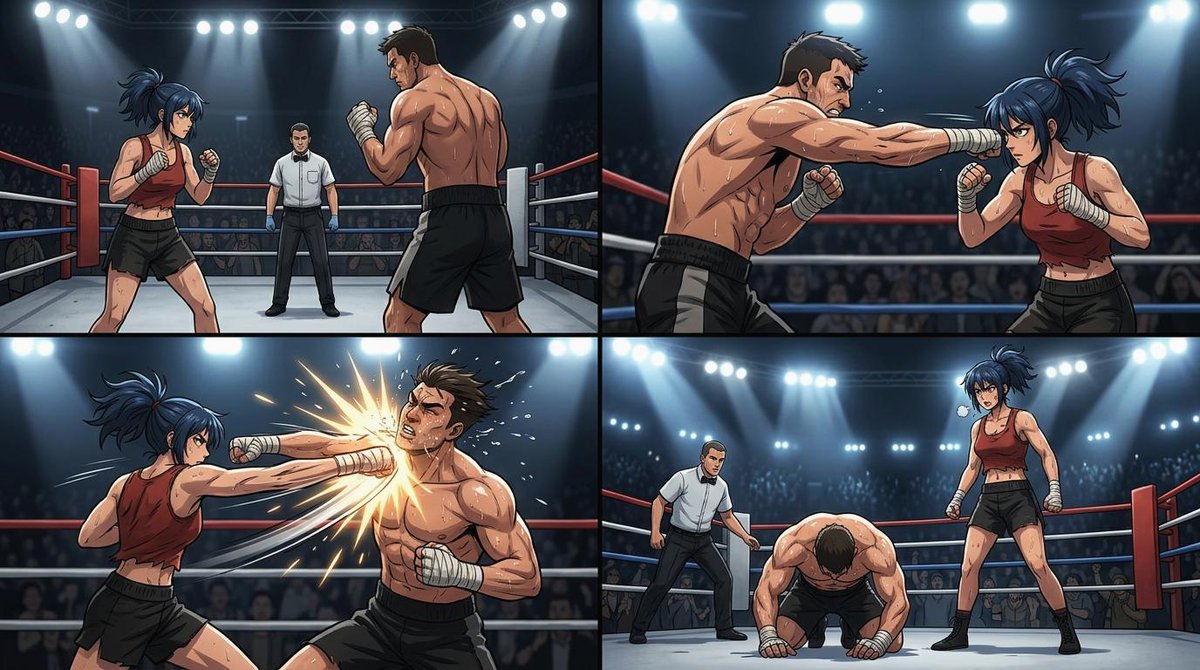
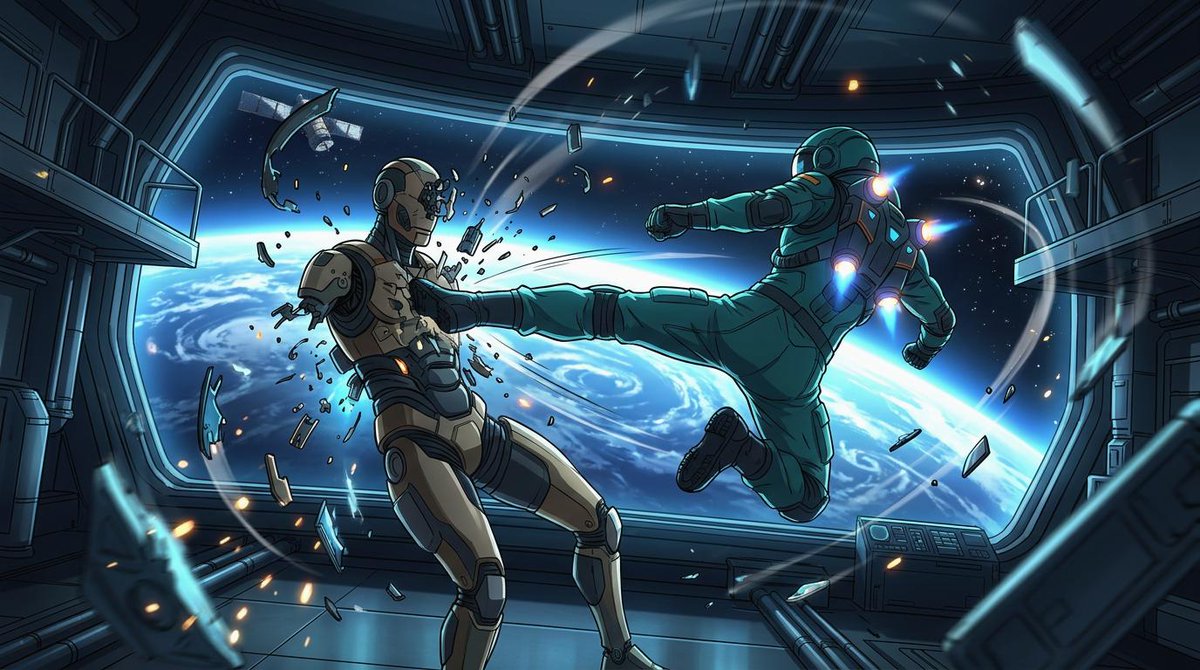
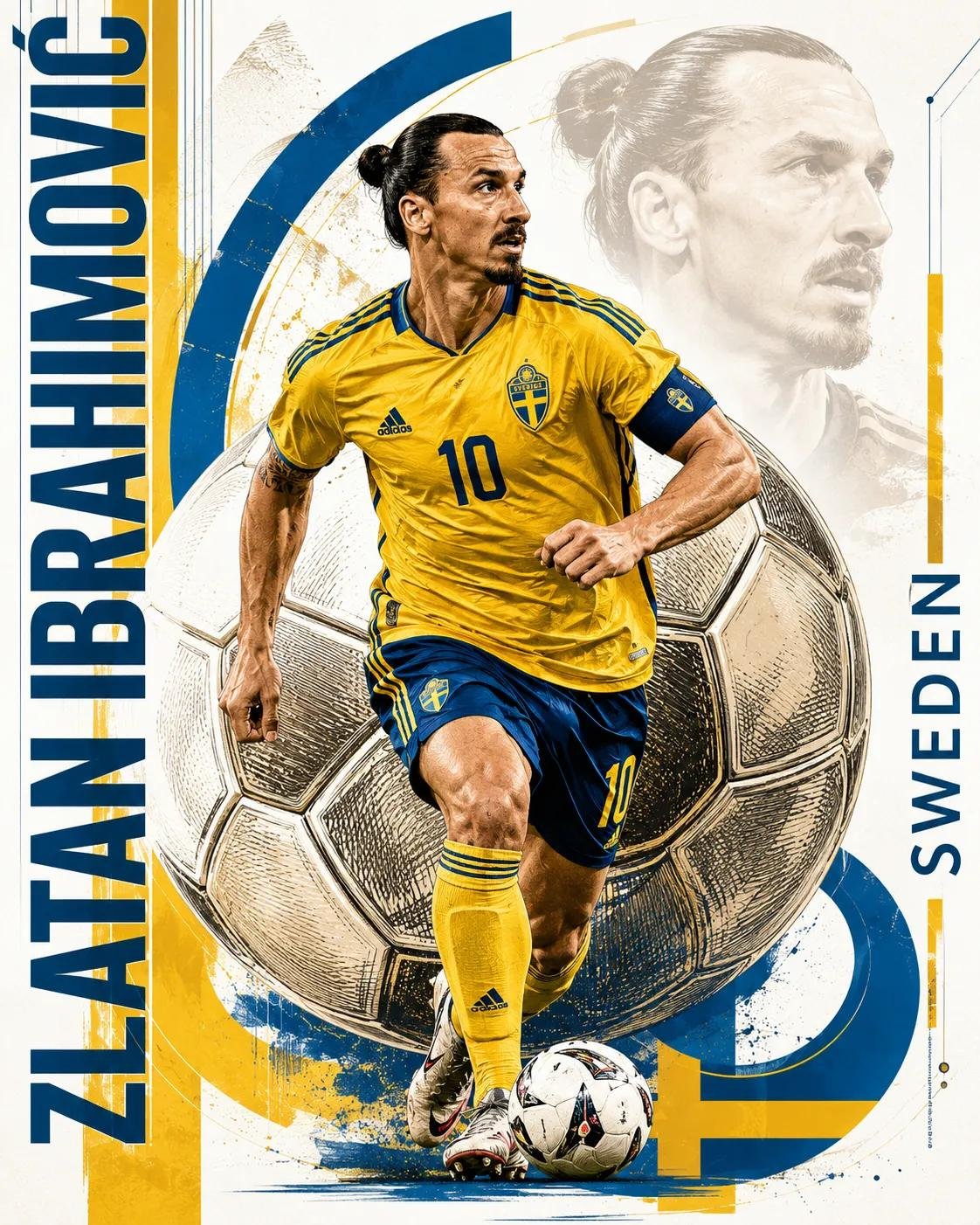
- This case keeps one primary output, so the first image should be treated as the main visual reference.
How The Prompt Is Structured
- The prompt reads as a long, highly specified prompt, which is useful when you want to judge how much specificity this direction needs.
- Its keyword cluster is centered on Cinematic, Poster, Illustration, so you can usually keep that cluster while swapping subject, camera, layout, or copy details.
- A practical rewrite path is: keep the outcome, keep the strongest style cues, then replace only the subject and environment blocks.
Good Follow-up Questions
- What changes first if you keep Cinematic, Poster, Illustration but switch the subject matter?
- Which part of the result comes from section-level structure (Character Design) versus tag-level style cues?
- Which related cases in the same section give you a cleaner or more extreme variation of the same direction?
Full Prompt
Create a horizontal 16:9 cinematic 16-panel pro wrestling fight storyboard. The image should be a 4x4 storyboard grid showing a complete championship match sequence between two athletic male wrestlers inside a packed arena. Wrestler A: long-haired high-flyer, lean and explosive, dark ring gear. Wrestler B: short-haired power fighter, stronger build, dark ring gear with a different accent color. Keep both characters visually consistent across all 16 panels. Each panel should have a clear number, short action label, motion arrows and small storyboard notes. Sequence: 1. tense face-off 2. sprint collision 3. rope rebound 4. shoulder impact 5. close-up struggle 6. power lift 7. mid-air body slam 8. mat impact 9. crowd reaction 10. top-rope climb 11. aerial jump 12. spinning strike 13. final crash 14. referee 3-count 15. belt raised 16. victory celebration Use multi-camera sports cinematography: wide shots, close-ups, low angles, slow-motion key frames, impact close-ups and crowd reaction panels. Hyper-realistic, cinematic, premium fight promo style, dramatic arena lights, sweat spray, mat bounce, strong motion energy. No real logos, no blood, no gore, no cartoon style.