案例媒体
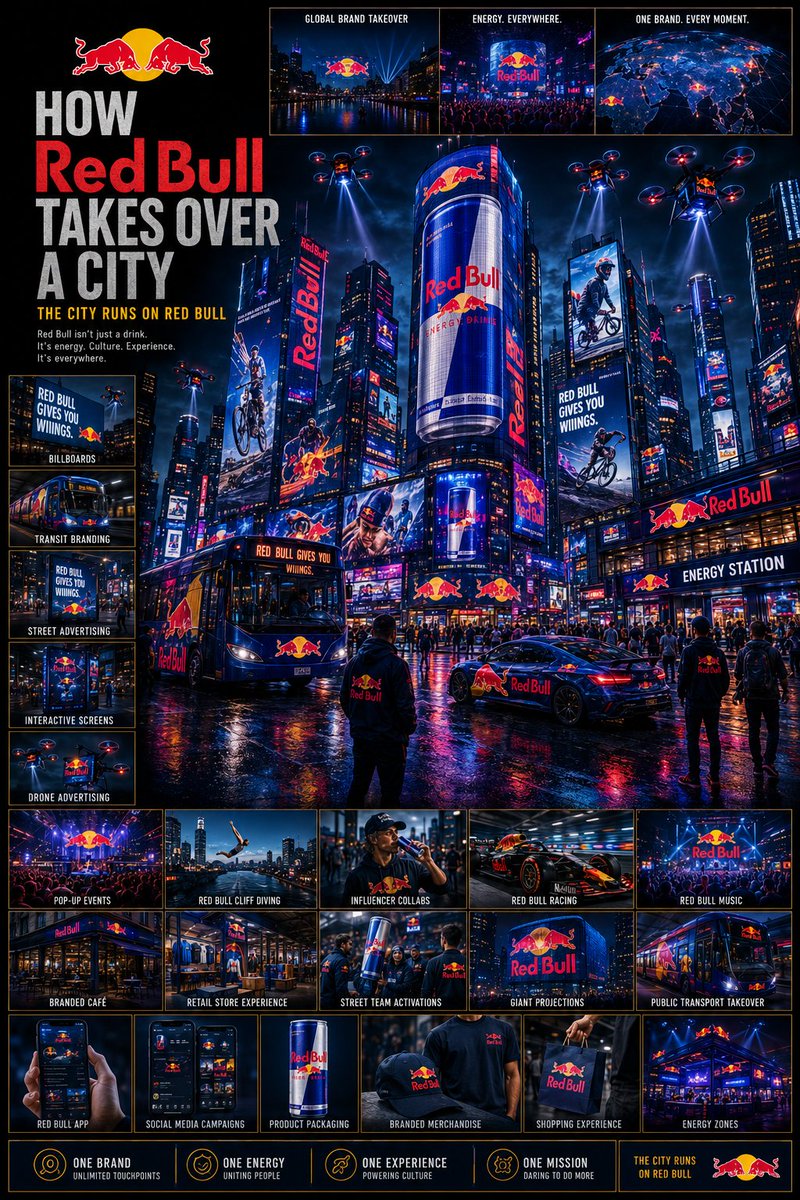
案例说明
这个页面把案例媒体、完整 Prompt 和出处放在一起,方便你先看结果,再判断这条 Prompt 是否值得复制、收藏或加入对比。
案例解读
为了方便搜索、引用和后续复用,这里会把案例的适用场景、画面重点和 Prompt 结构拆成更容易浏览的说明。
这类案例适合用在什么场景
- 把它当作 UI 与社交媒体截图 的基准案例最合适,先看成片方向,再决定自己的 Prompt 要往哪边改。
- 如果你的目标也落在 电影感、时尚、海报 这些方向,这条案例特别适合先看图判断风格,再回头微调描述。
- 做 Prompt 对比时,也很适合作为控制组,只改一个变量去看结果变化。
画面重点与风格信号
- 这条案例最明显的风格信号集中在 电影感、时尚、海报,所以第一次改写时最好先保留这些关键词。
- 这类案例更值得先看界面密度、卡片层级,以及屏幕内容有没有先于文字讲清故事。
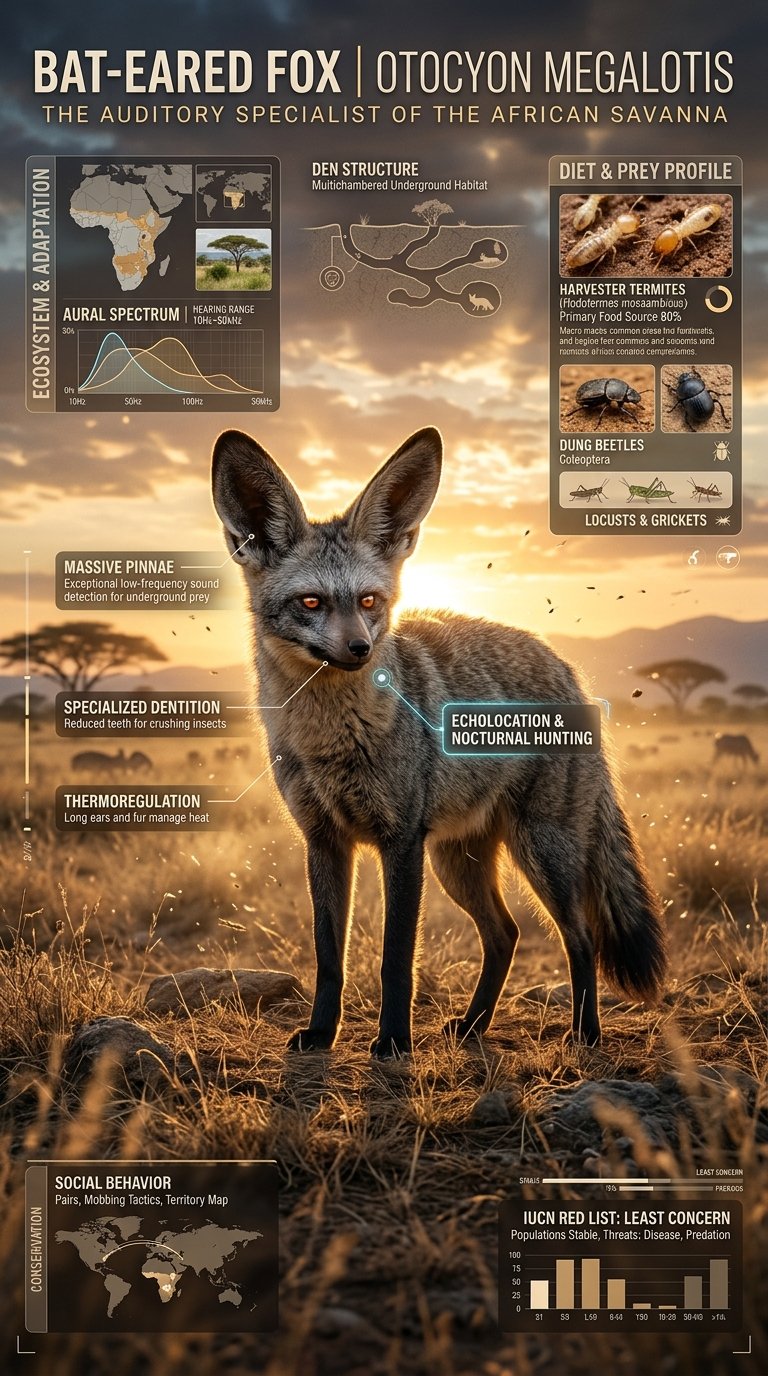
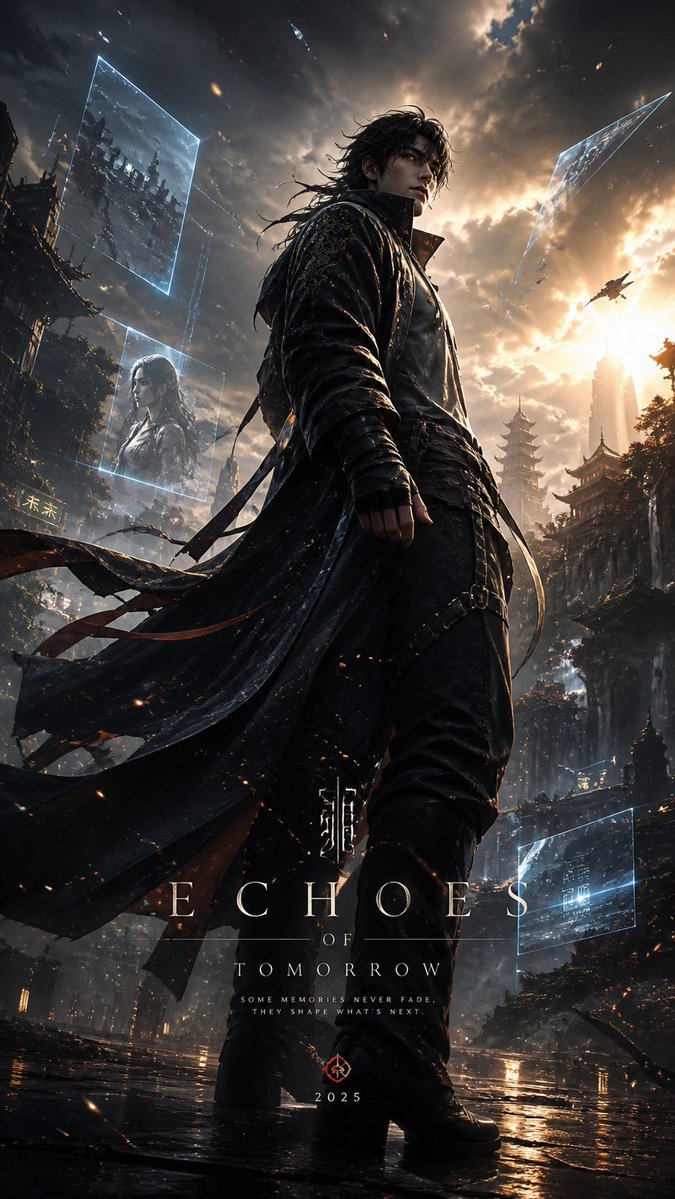
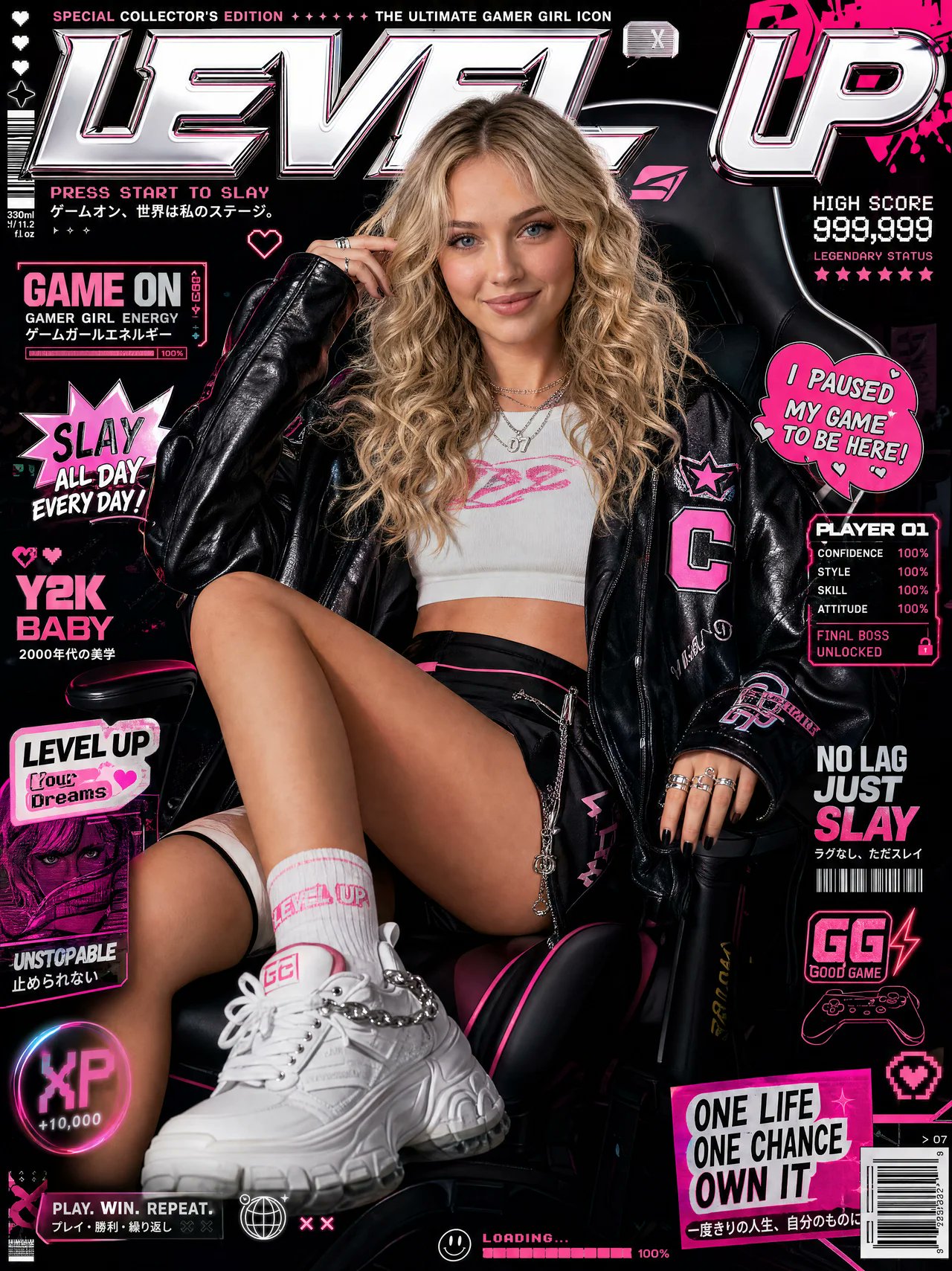
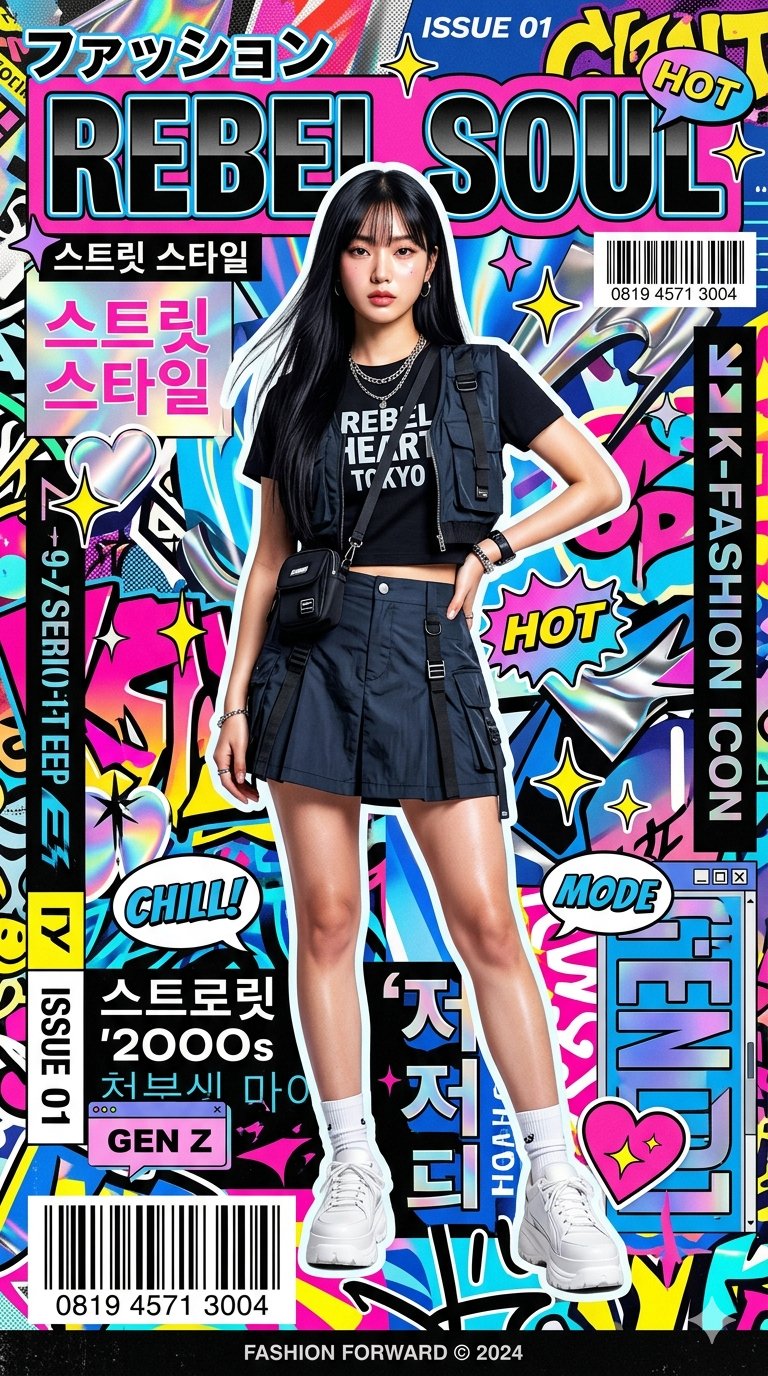
- 当前保留了 4 份媒体输出,适合顺手观察同一方向在多张结果里的稳定性。
Prompt 结构可以怎么理解
- 这条 Prompt 整体属于一条比较长、约束条件很多的 Prompt,很适合拿来判断这类方向到底需要写到多细。
- 关键词簇主要围绕 电影感、时尚、海报 展开,所以复用时可以先保留这组风格词,再替换主体、镜头、环境或文案信息。
- 最稳的改写方式通常是先保留结果方向和最强风格信号,只替换主体设定与场景块。
如果你是带着问题来的,可以先看这些角度
- 如果保留 电影感、时尚、海报,只换主体题材,结果最先变化的会是哪一部分?
- 这条结果里,哪些特征更像是 UI 与社交媒体截图 的结构特征,哪些又是标签风格本身带来的?
- 同分类的相关案例里,哪几条能给你更克制或更极致的相邻变体?
完整 Prompt
Using the {argument name="brand name" default="[BRAND NAME]"}, create a highly detailed cinematic poster: “HOW {argument name="brand name" default="[BRAND NAME]"} TAKES OVER A CITY” GOAL: Show the brand expanding across an entire city ecosystem until it becomes impossible to ignore. This must feel like: global campaign rollout + futuristic city domination + luxury advertising ecosystem. The brand should appear integrated naturally into the city, not random logo placement. CORE RULE: Everything must be visually inspired by the brand identity of “{argument name="brand name" default="[BRAND NAME]"}”: brand colors typography style design language visual energy aesthetic mood The city itself should begin to feel transformed by the brand identity. MAIN STRUCTURE: Vertical 4:5 poster Dense multi layered composition Huge cinematic city scene mixed with many smaller detail panels TOP SECTION: Include: “{argument name="brand name" default="[BRAND NAME]"}” logo or wordmark Campaign title Short {argument name="slogan" default="slogan (max 5 words)"} MAIN HERO SCENE: Show a massive cinematic city environment where “{argument name="brand name" default="[BRAND NAME]"}” has become dominant. Include: giant digital billboards skyscraper LED screens branded taxis buses train wraps storefronts public transport stations branded cafés interactive street ads branded drones or futuristic media systems The city should feel alive and overloaded with coordinated branding. CITY ENVIRONMENT: Create: realistic streets crowds of people traffic nightlife urban lighting weather atmosphere The branding should blend naturally into the environment. MICRO SCENES: Around the main scene, include many smaller panels showing: people using branded products social media campaign visuals branded pop up events digital ads on phones branded shopping bags influencer campaigns café branding event installations giant building projections ADVERTISEMENT SYSTEM: OUTDOOR: billboards LED towers transit ads street posters DIGITAL: mobile ads social media ads app UI interactive screens PHYSICAL: packaging shopping bags uniforms vehicles VISUAL DETAILS: Add: glowing reflections rain reflections on streets holographic screens animated signage crowds interacting with ads city lights matching the brand palette COLOR SYSTEM: Strictly derived from the brand identity colors. Use: lighting reflections atmosphere ad screens to reinforce the brand identity. STYLE: cinematic urban realism futuristic advertising aesthetic dense but readable luxury campaign presentation Inspired by: Tokyo/Shibuya LED overload Times Square campaigns cyberpunk city advertising luxury fashion campaign rollouts DEPTH: 40 to 80 visual elements layered foreground/midground/background multiple scales of detail IMPORTANT RULES: no random logo spam branding must feel intelligently integrated every ad placement should feel int