案例媒体
案例说明
这个页面把案例媒体、完整 Prompt 和出处放在一起,方便你先看结果,再判断这条 Prompt 是否值得复制、收藏或加入对比。
案例解读
为了方便搜索、引用和后续复用,这里会把案例的适用场景、画面重点和 Prompt 结构拆成更容易浏览的说明。
这类案例适合用在什么场景
- 把它当作 UI 与社交媒体截图 的基准案例最合适,先看成片方向,再决定自己的 Prompt 要往哪边改。
- 如果你的目标也落在 时尚、海报、UI 这些方向,这条案例特别适合先看图判断风格,再回头微调描述。
- 做 Prompt 对比时,也很适合作为控制组,只改一个变量去看结果变化。
画面重点与风格信号
- 这条案例最明显的风格信号集中在 时尚、海报、UI,所以第一次改写时最好先保留这些关键词。
- 这类案例更值得先看界面密度、卡片层级,以及屏幕内容有没有先于文字讲清故事。
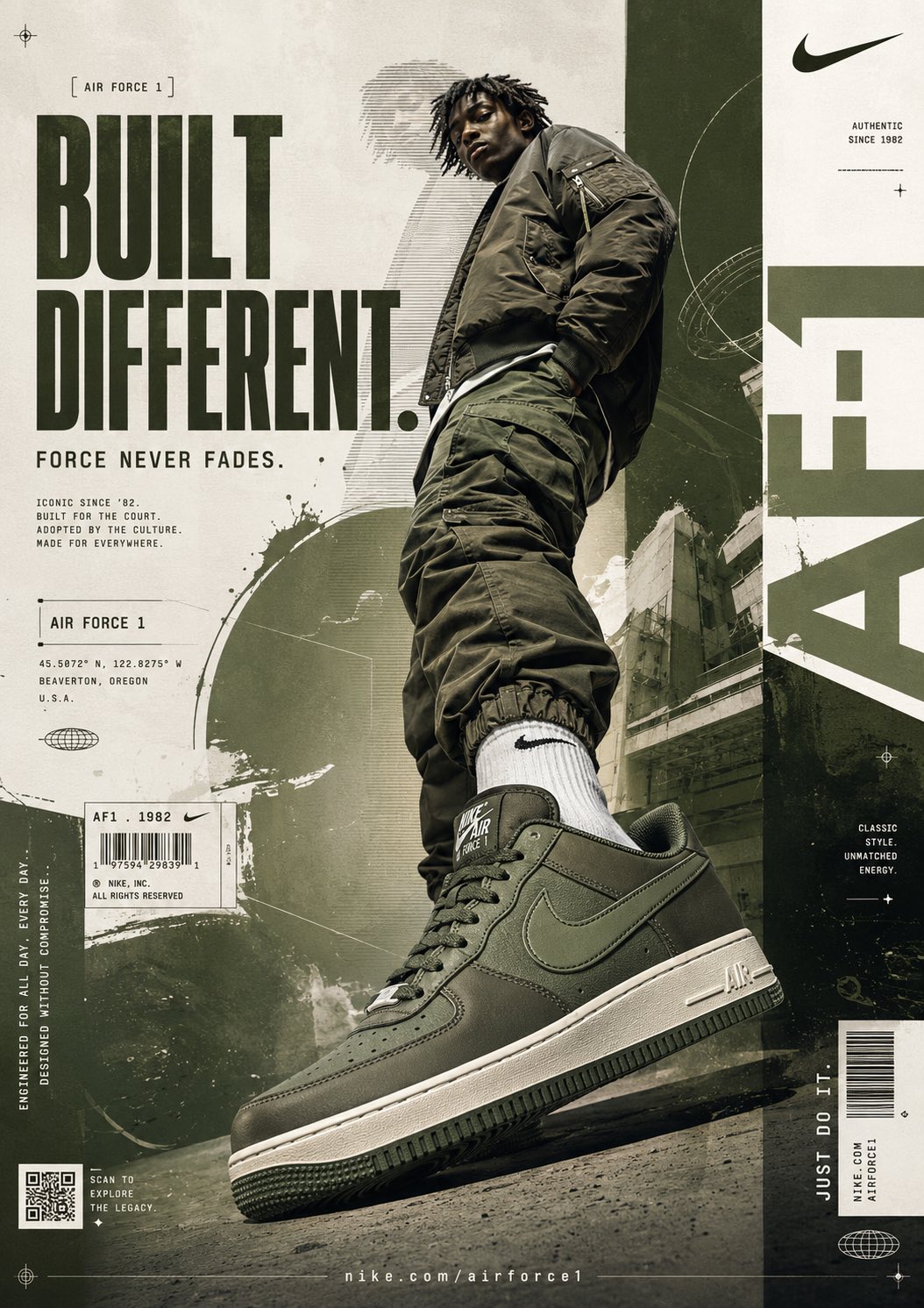
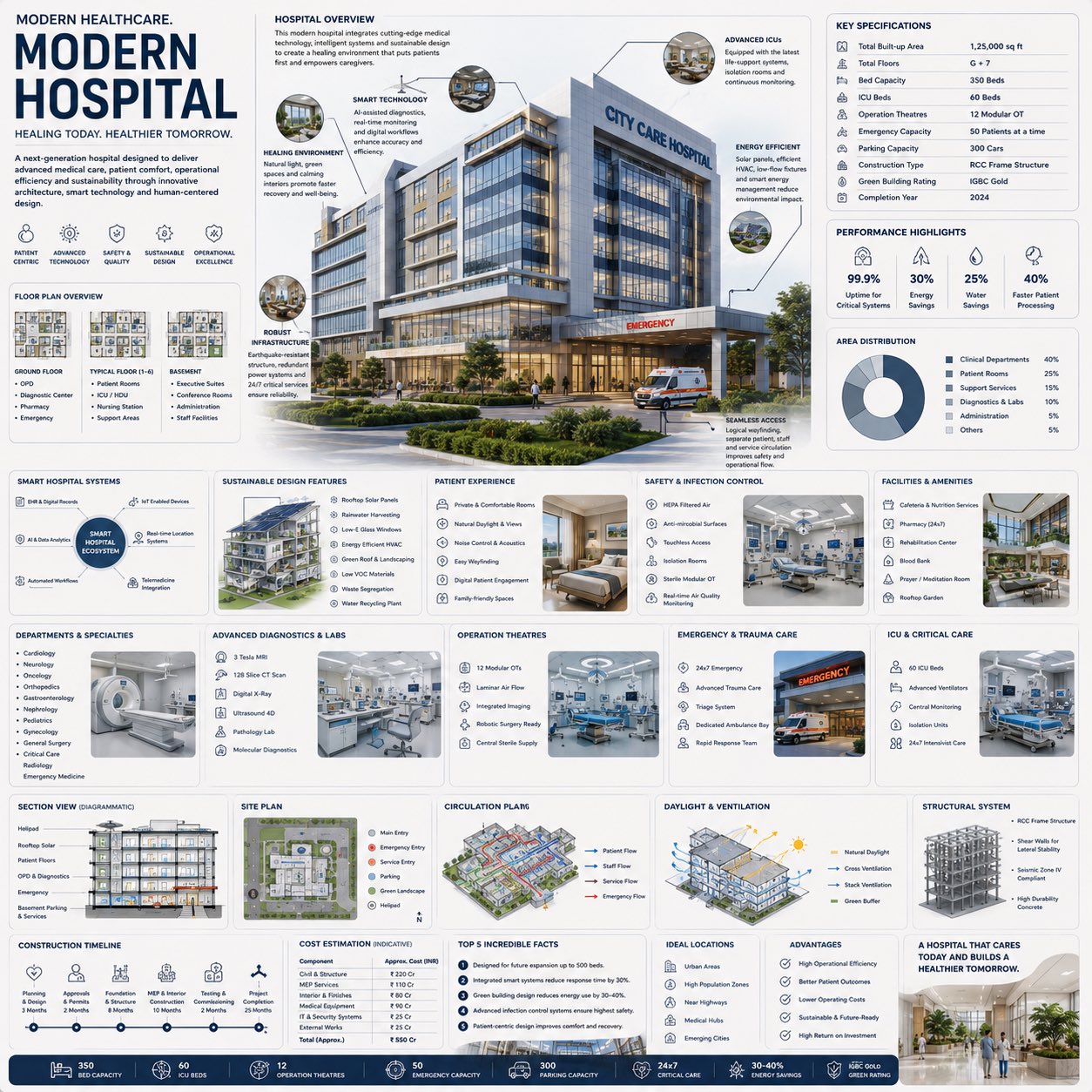
- 当前保留了 2 份媒体输出,适合顺手观察同一方向在多张结果里的稳定性。
Prompt 结构可以怎么理解
- 这条 Prompt 整体属于一条比较长、约束条件很多的 Prompt,很适合拿来判断这类方向到底需要写到多细。
- 关键词簇主要围绕 时尚、海报、UI 展开,所以复用时可以先保留这组风格词,再替换主体、镜头、环境或文案信息。
- 最稳的改写方式通常是先保留结果方向和最强风格信号,只替换主体设定与场景块。
如果你是带着问题来的,可以先看这些角度
- 如果保留 时尚、海报、UI,只换主体题材,结果最先变化的会是哪一部分?
- 这条结果里,哪些特征更像是 UI 与社交媒体截图 的结构特征,哪些又是标签风格本身带来的?
- 同分类的相关案例里,哪几条能给你更克制或更极致的相邻变体?
完整 Prompt
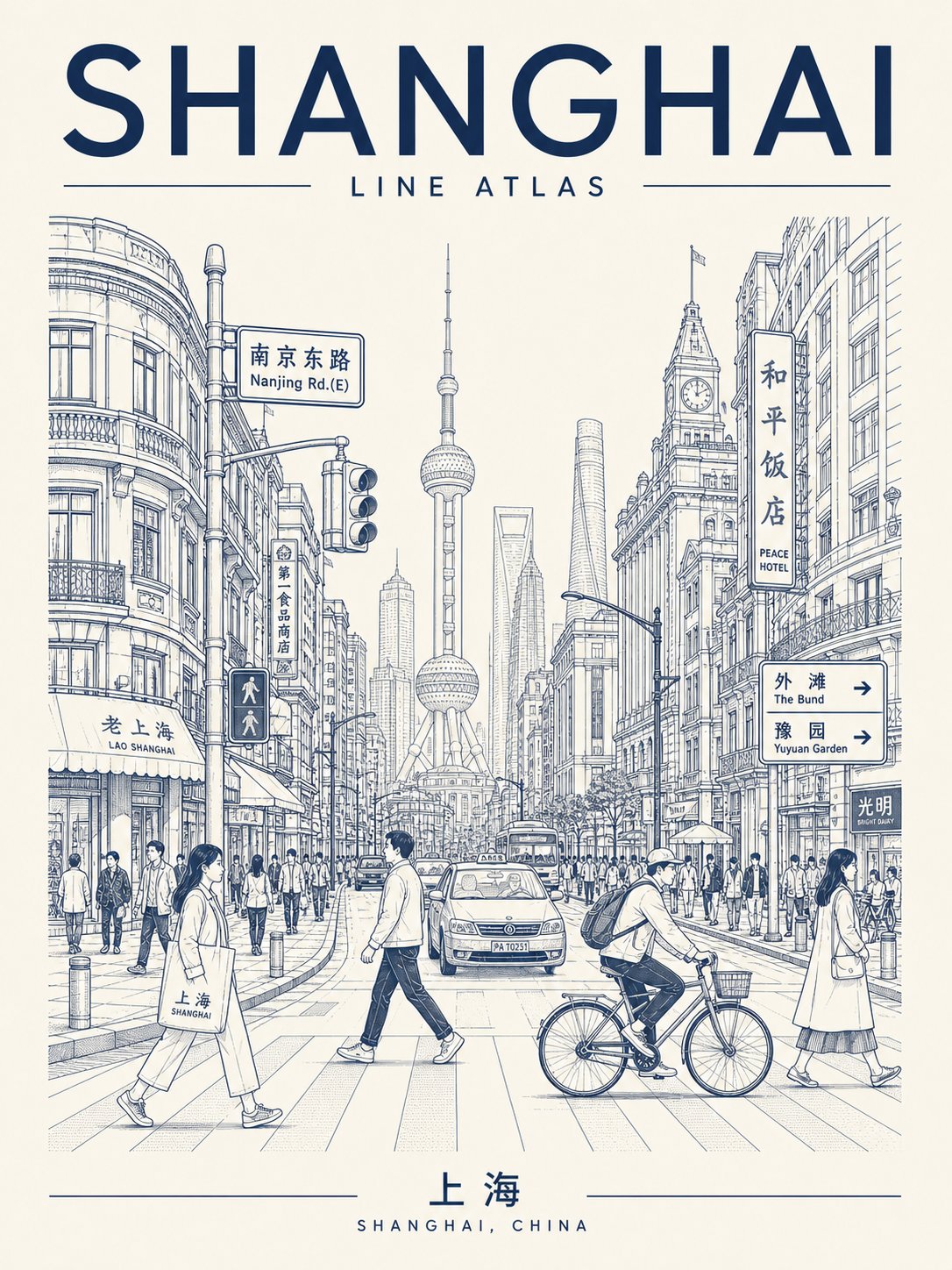
Generate a high-fidelity "Urban Line Atlas Poster." The design is based on the visual language of a monochrome urban line-drawing travel poster, featuring a visual framework consisting of a top title, middle streetscape depth, core landmarks, flanking buildings, foreground figures, and a bottom footer. [Theme City Details] - City Name: [Insert Name] - Main English Title: [e.g., TOKYO RHYTHM / SHIBUYA PULSE / URBAN LINE ATLAS] - Local Language Title: [Chinese or native name] - Country/Region: [Location] - Core Landmark: [Representative landmark] - Street Scene: [Specific neighborhood or atmosphere] - Mood Theme: [Commuter morning / Rainy street / Weekend afternoon / Sunset cycling / Twilight walk] - Color Palette: [Vermilion / Black-gray / Deep indigo / Dark green / Umber / Burgundy] - Aspect Ratio: [3:4 or 2:3 vertical] [Positioning] This is a hybrid of a travel memorial, urban visual atlas, architectural manuscript, and editorial cover. It should feel like a high-end urban archive rather than a generic tourist brochure—combining city recognition with authentic street-life vitality. [Composition] 1. Top Title Area: Bold and striking English titles, potentially including city codes, series numbers, coordinates, or subheadings. 2. Middle Streetscape: Deep perspective view. The angle can be centered, slightly tilted, or a high-angle view to ensure a unique composition. 3. Visual Anchor: Core landmarks should be recognizable in the mid or background, integrated naturally into the daily street scene. 4. High-Density Details: Flanking buildings should feature local facades, shops, road signs, traffic lights, subway entrances, and wires. 5. Human Elements: Include natural foreground elements like commuters, cyclists, tourists, coffee cups, or taxis to add a sense of life. 6. Footer: A standalone area designed like a city tag, travel receipt, or archive index. [Typography & Style] Text must be crisp and integrated into the design system. Use monochrome or minimal duotone line-drawing style on paper textures (cream/light gray). Lines should be precise and restrained, resembling architectural pen sketches or screen prints. [Innovation & Constraints] Please innovate in title placement, street perspective, and information modules. Avoid: Watercolors, thick painting, cartoon/chibi styles, cyberpunk, large color blocks, or cheap souvenir aesthetics. Generate a high-definition, clean-lined, collectible vertical urban poster.