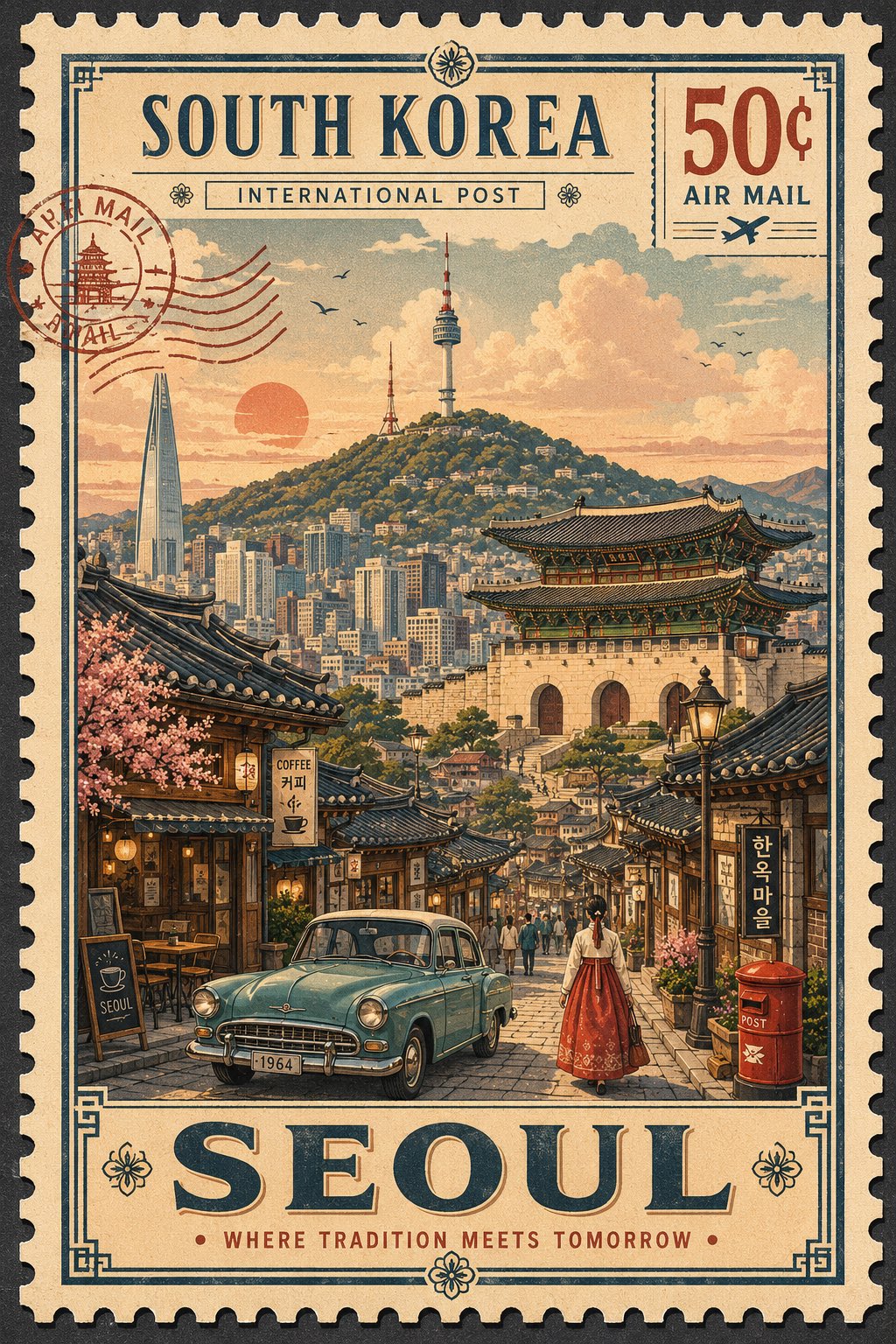
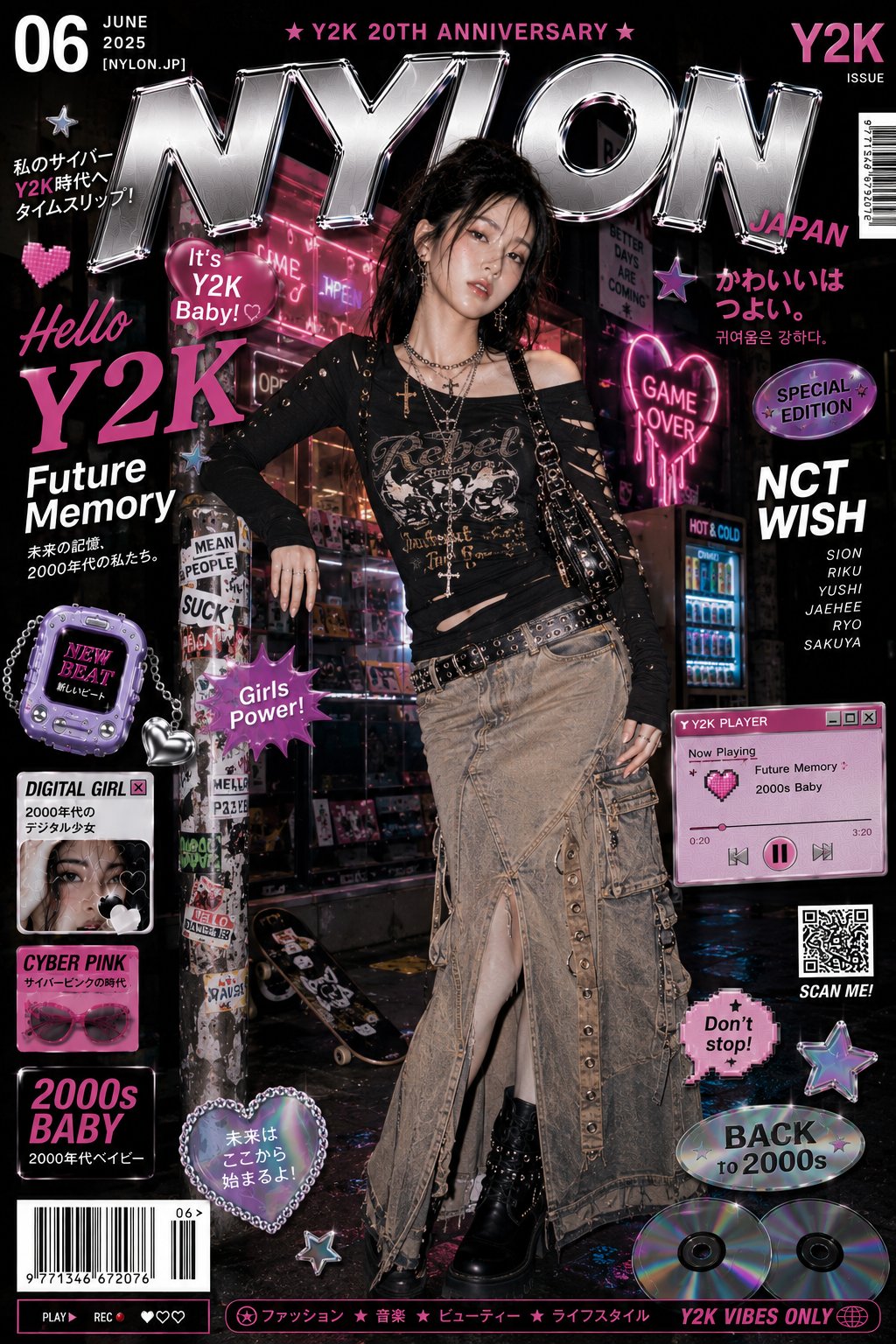
案例媒体
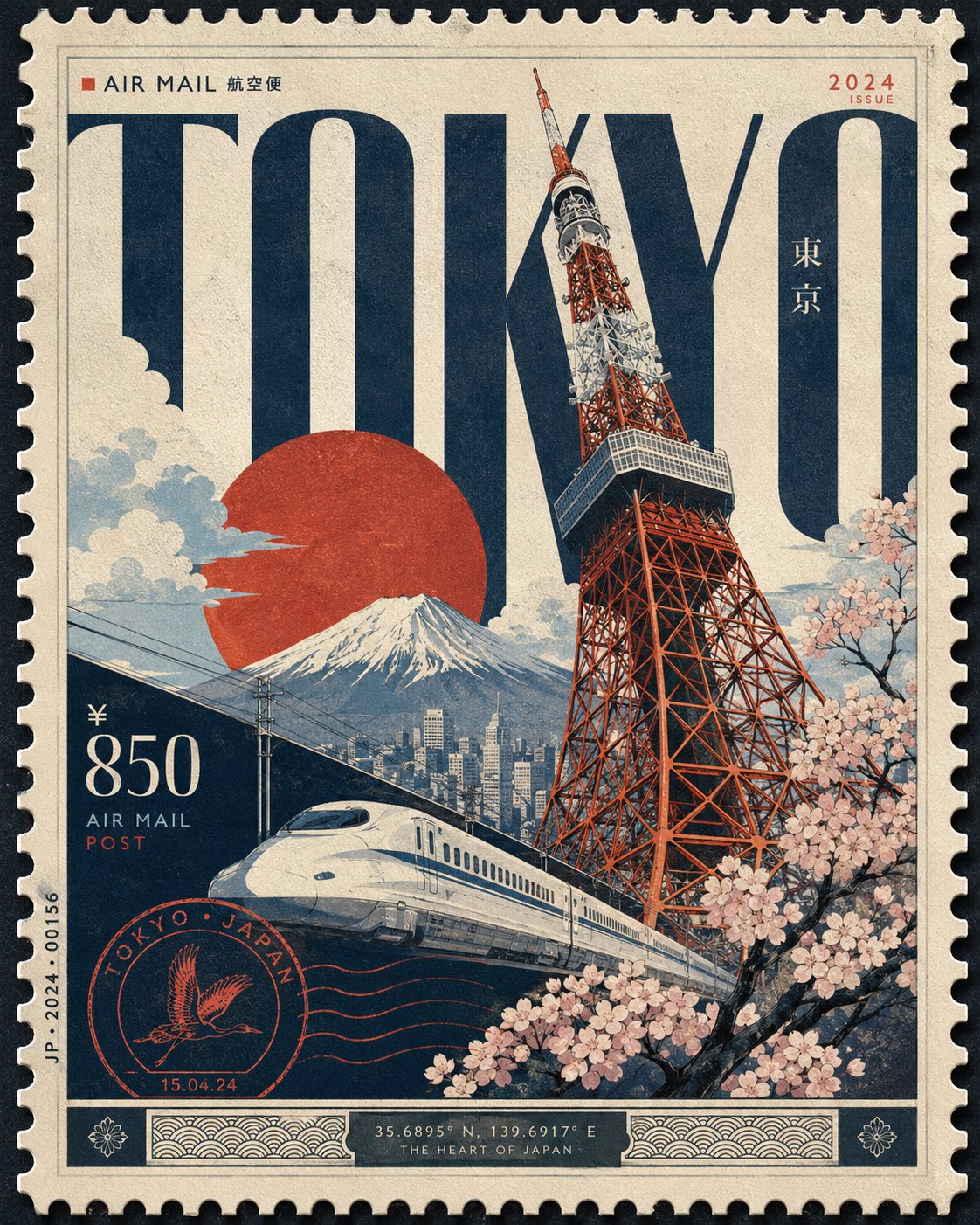
案例说明
这个页面把案例媒体、完整 Prompt 和出处放在一起,方便你先看结果,再判断这条 Prompt 是否值得复制、收藏或加入对比。
案例解读
为了方便搜索、引用和后续复用,这里会把案例的适用场景、画面重点和 Prompt 结构拆成更容易浏览的说明。
这类案例适合用在什么场景
- 把它当作 UI 与社交媒体截图 的基准案例最合适,先看成片方向,再决定自己的 Prompt 要往哪边改。
- 如果你的目标也落在 霓虹、电影感、时尚 这些方向,这条案例特别适合先看图判断风格,再回头微调描述。
- 做 Prompt 对比时,也很适合作为控制组,只改一个变量去看结果变化。
画面重点与风格信号
- 这条案例最明显的风格信号集中在 霓虹、电影感、时尚,所以第一次改写时最好先保留这些关键词。
- 这类案例更值得先看界面密度、卡片层级,以及屏幕内容有没有先于文字讲清故事。
- 当前保留了 2 份媒体输出,适合顺手观察同一方向在多张结果里的稳定性。
Prompt 结构可以怎么理解
- 这条 Prompt 整体属于一条比较长、约束条件很多的 Prompt,很适合拿来判断这类方向到底需要写到多细。
- 关键词簇主要围绕 霓虹、电影感、时尚 展开,所以复用时可以先保留这组风格词,再替换主体、镜头、环境或文案信息。
- 最稳的改写方式通常是先保留结果方向和最强风格信号,只替换主体设定与场景块。
如果你是带着问题来的,可以先看这些角度
- 如果保留 霓虹、电影感、时尚,只换主体题材,结果最先变化的会是哪一部分?
- 这条结果里,哪些特征更像是 UI 与社交媒体截图 的结构特征,哪些又是标签风格本身带来的?
- 同分类的相关案例里,哪几条能给你更克制或更极致的相邻变体?
完整 Prompt
Design a premium 4:5 collectible postal-stamp poster for [CITY], where the entire composition is one monumental luxury postage stamp filling the frame edge-to-edge like a rare national artifact. The stamp should dominate the canvas with oversized tactile perforation edges, elegant engraved borders, and immersive object-focused composition. Style: handcrafted gouache illustration blended with silkscreen poster aesthetics, editorial travel art, and museum-grade print minimalism. The artwork should capture the city’s true atmosphere through architecture, skyline rhythm, transportation, landscape, cultural motifs, climate, geometry, and environmental identity - interpreted in elegant graphic forms rather than cliché tourist postcards. The composition should feel dynamic and asymmetric. One dominant city element should rise diagonally through the stamp while secondary forms flow around it to create depth and movement. Preserve intentional negative space for a refined premium feel. Avoid clutter and over-detailed realism. Typography is a major part of the design. The city name “[CITY]” must appear massive and integrated directly into the stamp artwork like a luxury masthead, partially interacting with the illustration through masking, overlap, or depth. Typography style should adapt naturally to the city’s personality — refined serif for historic cities, sleek modern grotesk for futuristic cities, softer flowing forms for coastal or tropical cities, expressive handcrafted lettering for artistic cities. Keep all secondary typography minimal and authentic: tiny denomination number, AIR MAIL / POST text, issue year, serial numbers, microscopic postal marks, engraved information strip, and subtle cancellation details integrated into the borders without cluttering the composition. Lighting should feel like premium collectible print photography: soft directional highlights revealing tactile matte paper grain, embossed ink edges, subtle print pressure, delicate shadow depth around perforation cuts, and refined ink density. No dramatic cinematic lighting. Color palette must intelligently adapt to the city while remaining restrained, elegant, and atmospheric: • coastal → turquoise, coral, faded cream • desert → terracotta, saffron, dusty pink • neon megacity → cobalt, magenta, deep navy • historic → olive, parchment, burgundy • tropical → emerald, mango, sea blue • snowy northern → icy blue, muted pine, silver gray Final result should feel like an ultra-rare commemorative stamp sold in a luxury museum design store — sophisticated, tactile, immersive, collectible, and timeless. Negative: generic travel posters, floating landmarks, souvenir aesthetics, busy collages, excessive typography, fake vintage distress, stock vector icons, random gradients, low-detail illustration, centered layouts, generic stamp mockups, noisy textures, over-rendered realism.