案例媒体
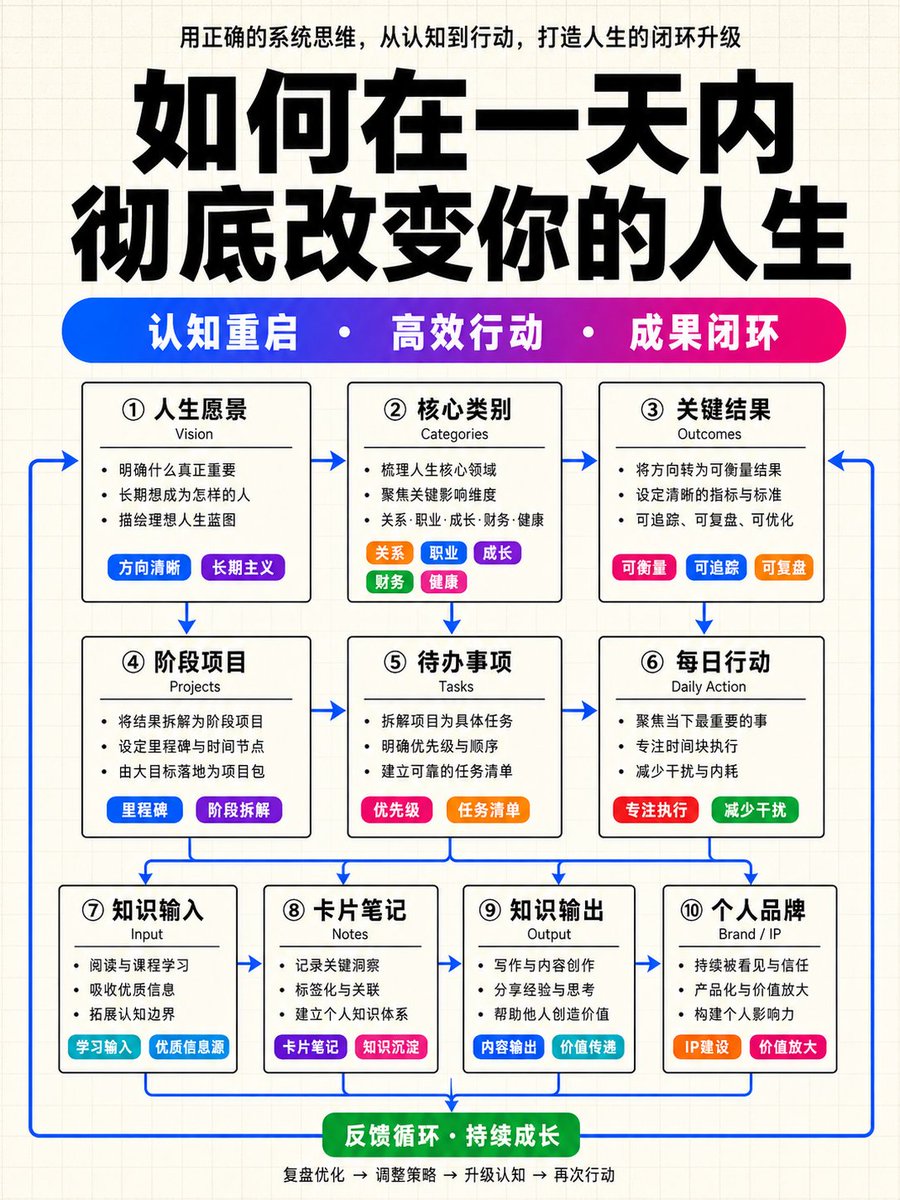
案例说明
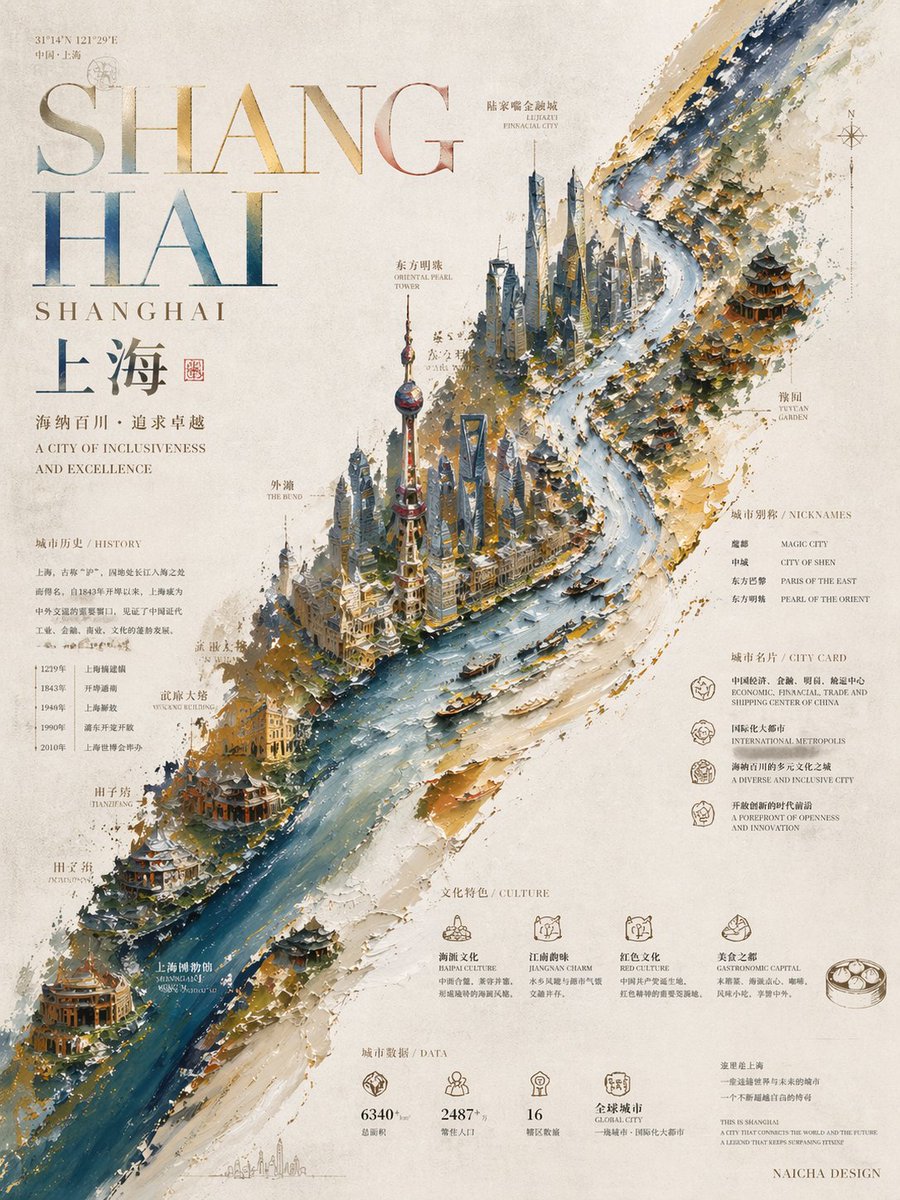
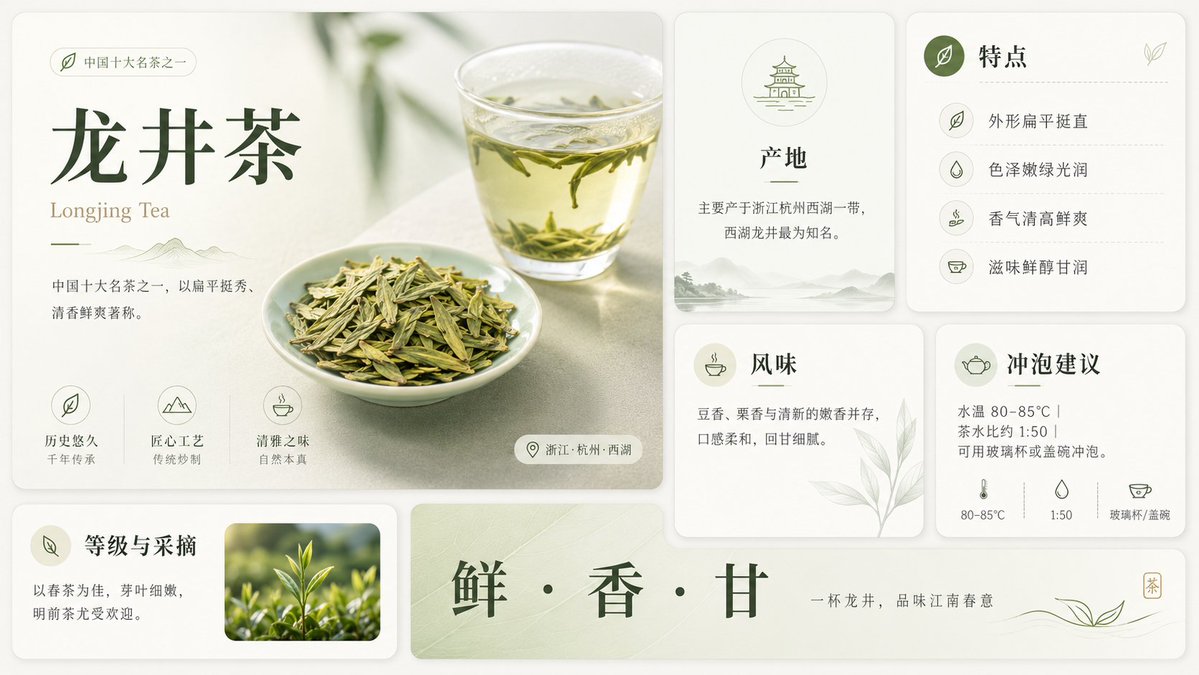
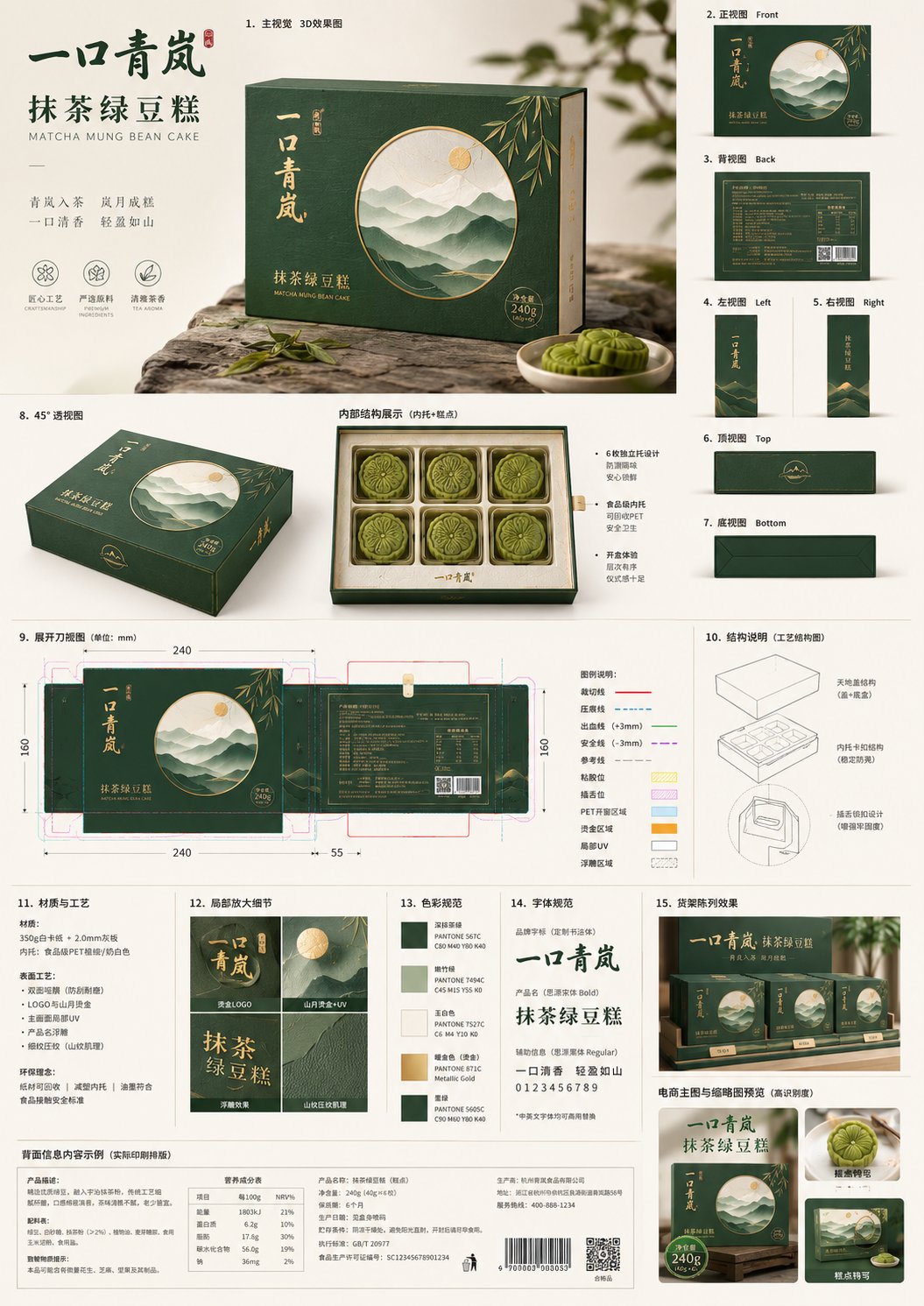
这个页面把案例媒体、完整 Prompt 和出处放在一起,方便你先看结果,再判断这条 Prompt 是否值得复制、收藏或加入对比。
案例解读
为了方便搜索、引用和后续复用,这里会把案例的适用场景、画面重点和 Prompt 结构拆成更容易浏览的说明。
这类案例适合用在什么场景
- 把它当作 UI 与社交媒体截图 的基准案例最合适,先看成片方向,再决定自己的 Prompt 要往哪边改。
- 如果你的目标也落在 海报、插画、UI 这些方向,这条案例特别适合先看图判断风格,再回头微调描述。
- 做 Prompt 对比时,也很适合作为控制组,只改一个变量去看结果变化。
画面重点与风格信号
- 这条案例最明显的风格信号集中在 海报、插画、UI,所以第一次改写时最好先保留这些关键词。
- 这类案例更值得先看界面密度、卡片层级,以及屏幕内容有没有先于文字讲清故事。
- 当前保留了 2 份媒体输出,适合顺手观察同一方向在多张结果里的稳定性。
Prompt 结构可以怎么理解
- 这条 Prompt 整体属于一条比较长、约束条件很多的 Prompt,很适合拿来判断这类方向到底需要写到多细。
- 关键词簇主要围绕 海报、插画、UI 展开,所以复用时可以先保留这组风格词,再替换主体、镜头、环境或文案信息。
- 最稳的改写方式通常是先保留结果方向和最强风格信号,只替换主体设定与场景块。
如果你是带着问题来的,可以先看这些角度
- 如果保留 海报、插画、UI,只换主体题材,结果最先变化的会是哪一部分?
- 这条结果里,哪些特征更像是 UI 与社交媒体截图 的结构特征,哪些又是标签风格本身带来的?
- 同分类的相关案例里,哪几条能给你更克制或更极致的相邻变体?
完整 Prompt
Please generate a high-end Chinese knowledge architecture infographic with a vertical 9:16 composition. The overall visual language is fixed as: light cream-white grid paper background + cover-level oversized bold title + high-saturation blue-purple-magenta gradient keyword capsule bar + white-base black-bordered structural modules + colorful small capsule labels inside modules + blue arrow closed-loop connections. This is not an ordinary flowchart or a tech UI panel. Please generate a high-end infographic similar to a high-quality knowledge blogger's course cover, knowledge payment system diagram, or methodology architecture poster. The overall style must be restrained, clean, and highly orderly, but local colorful labels must be striking enough to make the image richer and more layered than an ordinary black-and-white architecture diagram. 1. Fixed Visual Style: Background: Use a light cream-white grid paper background with very fine, light gray grid lines. No gradients, dark backgrounds, heavy shadows, glassmorphism, skeuomorphism, tech HUD, or cyber UI. General Vibe: Minimalist, restrained, rational, and orderly structure. Black and white skeleton with colors used only for keyword bars, small labels, emphasis blocks, and blue arrows. 2. Top Title Area Layout: Top description sentence (small centered text extracted from content), Oversized bold Chinese main title (the largest visual element with high visual impact), and a Horizontal high-saturation gradient keyword capsule bar (blue to purple to magenta transition with 3 core keywords separated by white dots). 3. Main Module Structure Rules: 3-layer structure (3 + 3 + 4 modules). Total of 10 white-base modules with black borders and small rounded corners. Each module contains a Chinese title, English sub-title, 2-4 short sentences, and colorful small capsule labels. 4. Content Automatic Arrangement Rules: Automatically extract and organize content into Strategy/Cognition (Layer 1), Action/Execution (Layer 2), and Input/Output/Brand (Layer 3). Use colorful labels for categories, sources, methods, tools, etc. If content is insufficient, maintain the 3+3+4 structure with reasonable generalizations. 5. Module Internal Color Accents: Vibrant colors must come from labels, not background colors. At least 5 modules must include high-saturation small capsule labels from the pool of blue, purple, magenta, orange, green, and cyan. 6. Blue Arrow Loop Rules: Use medium-high saturation blue arrows to show the flow from top to bottom and returning to create a closed loop. 7. Text Hierarchy: Clear weighting from the main title (thickest/largest) to the gradient bar text, module titles, and then body text. 8. Final Acceptance Criteria: Ensure grid background, top description, oversized title, gradient keyword bar, 3+3+4 module structure, colorful labels, and blue closed-loop arrows are all present and satisfy the style requirements. 9. Prohibitions: No gradient/dark backgrounds, no large color cards, no glassmorphism, no complex illustrations, no PPT or mind map styles, and no gray arrows. 10. User Variables: Top Title (Fill in main title here) and Content (Fill in natural language content here to be automatically processed).