案例媒体
案例说明
这个页面把案例媒体、完整 Prompt 和出处放在一起,方便你先看结果,再判断这条 Prompt 是否值得复制、收藏或加入对比。
案例解读
为了方便搜索、引用和后续复用,这里会把案例的适用场景、画面重点和 Prompt 结构拆成更容易浏览的说明。
这类案例适合用在什么场景
- 把它当作 UI 与社交媒体截图 的基准案例最合适,先看成片方向,再决定自己的 Prompt 要往哪边改。
- 如果你的目标也落在 电影感、海报、插画 这些方向,这条案例特别适合先看图判断风格,再回头微调描述。
- 做 Prompt 对比时,也很适合作为控制组,只改一个变量去看结果变化。
画面重点与风格信号
- 这条案例最明显的风格信号集中在 电影感、海报、插画,所以第一次改写时最好先保留这些关键词。
- 这类案例更值得先看界面密度、卡片层级,以及屏幕内容有没有先于文字讲清故事。
- 当前只有一张主图,所以第一张结果图就是最核心的参考基准。
Prompt 结构可以怎么理解
- 这条 Prompt 整体属于一条比较长、约束条件很多的 Prompt,很适合拿来判断这类方向到底需要写到多细。
- 关键词簇主要围绕 电影感、海报、插画 展开,所以复用时可以先保留这组风格词,再替换主体、镜头、环境或文案信息。
- 最稳的改写方式通常是先保留结果方向和最强风格信号,只替换主体设定与场景块。
如果你是带着问题来的,可以先看这些角度
- 如果保留 电影感、海报、插画,只换主体题材,结果最先变化的会是哪一部分?
- 这条结果里,哪些特征更像是 UI 与社交媒体截图 的结构特征,哪些又是标签风格本身带来的?
- 同分类的相关案例里,哪几条能给你更克制或更极致的相邻变体?
完整 Prompt
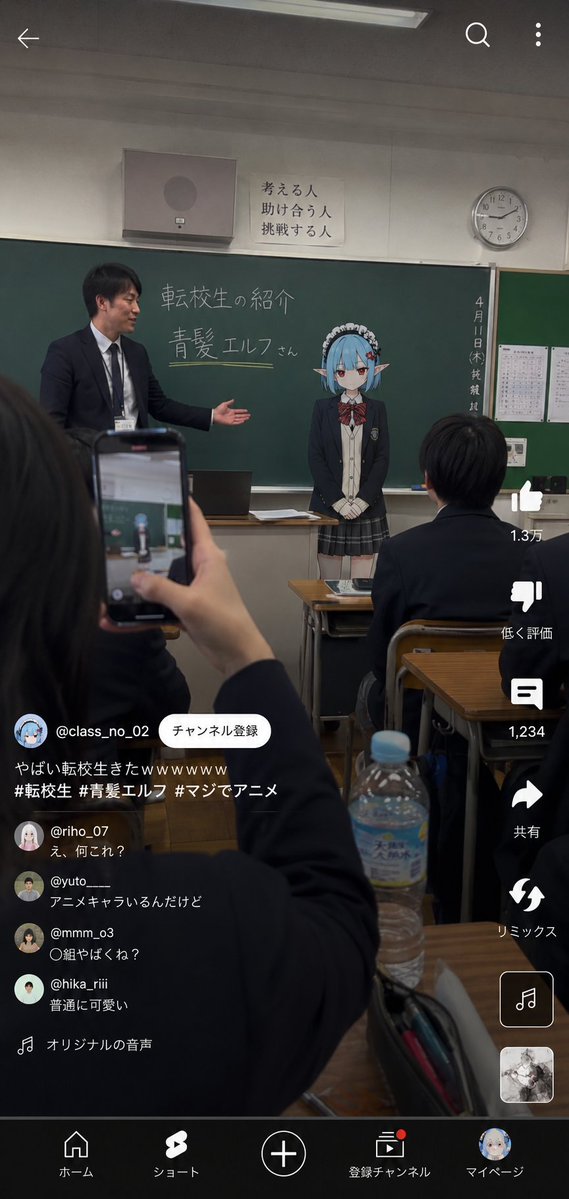
Use the reference image as the base for character design to depict the moment an "{argument name="situation" default="reincarnated anime character transfers to a real-world school"}." Accurately maintain the atmospheric feel of the character as an anime illustration. Do not break the character's identity; do not turn them into a live-action human. Maintain anime illustration expression for the character part. The character is dressed in a realistic Japanese high school uniform (blazer, tie, ribbon, cardigan, shirt, school-specified skirt). The setting is a realistic Japanese high school classroom with blackboards, desks, fluorescent lights, handouts, curtains, and lockers. The background should not be too clean; emphasize a sense of daily life and school clutter. Composition should look like a vertical smartphone video with UI elements from TikTok or Instagram Reels. In the foreground, naturally frame the hands of a student holding a smartphone, a desk, and a notebook. At the front of the classroom, a realistic teacher is introducing the anime character student named {argument name="name" default="Blue-Haired Elf"} written in chalk. The character should look slightly nervous or expressionless, trying to blend in naturally. Lighting should be unified across the character and classroom. Add smartphone-like textures: slight HDR, sensor noise, minor JPEG artifacts, and handheld camera instability. Avoid cinematic or glossy rendering; prioritize the feeling of a candidly posted video.