案例媒体
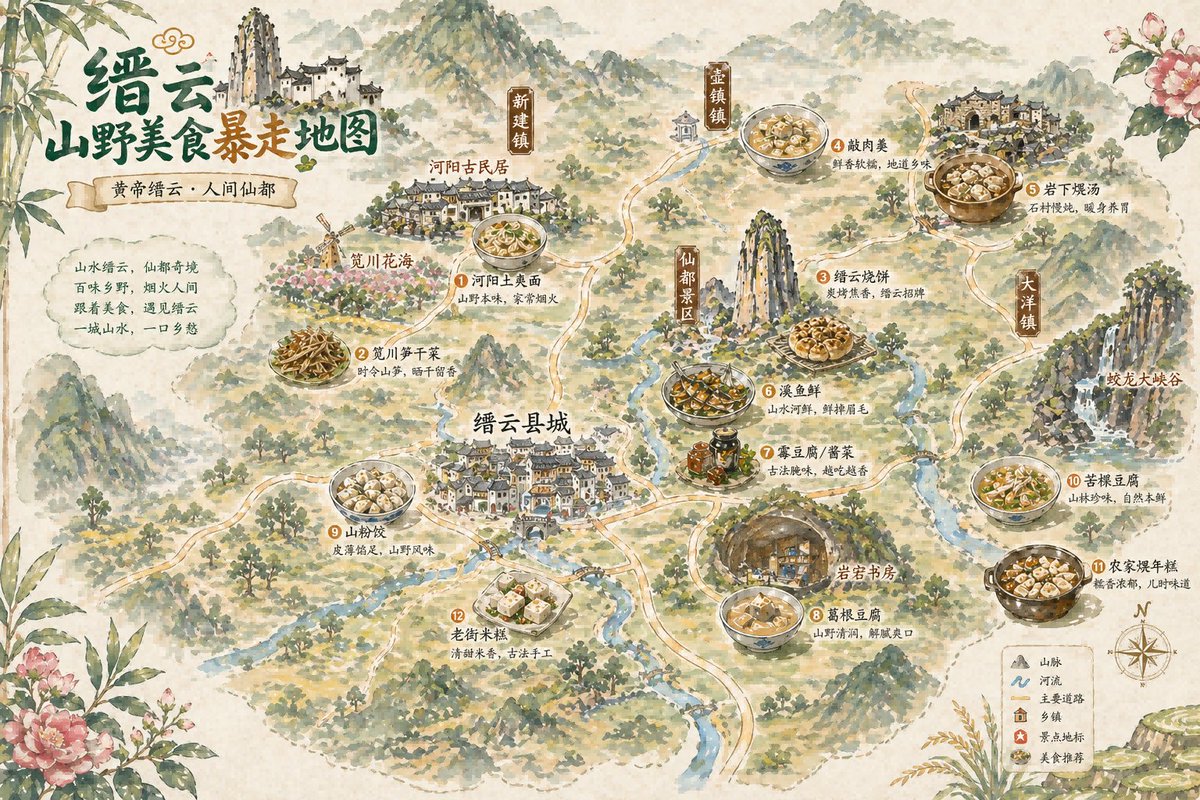
案例说明
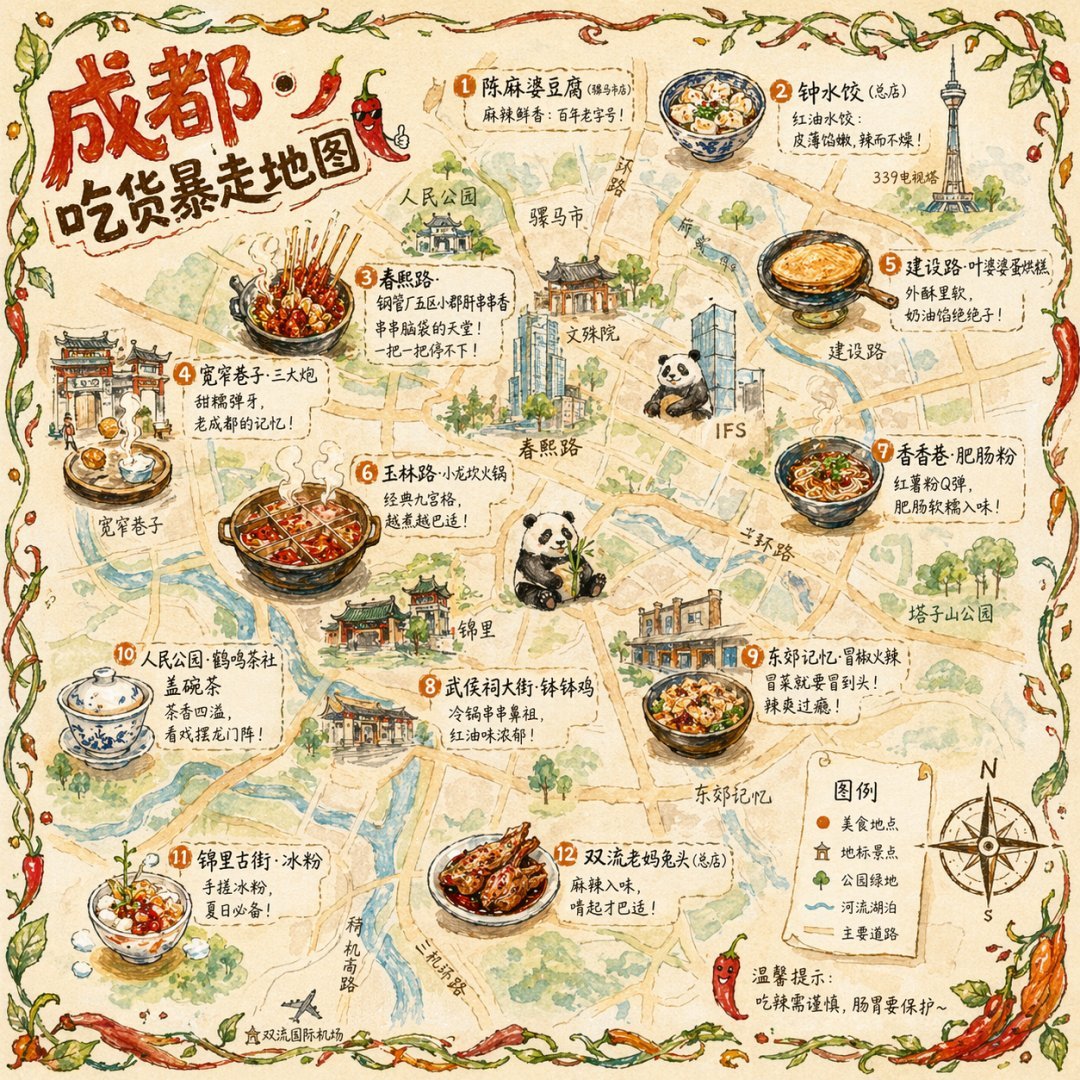
这个页面把案例媒体、完整 Prompt 和出处放在一起,方便你先看结果,再判断这条 Prompt 是否值得复制、收藏或加入对比。
案例解读
为了方便搜索、引用和后续复用,这里会把案例的适用场景、画面重点和 Prompt 结构拆成更容易浏览的说明。
这类案例适合用在什么场景
- 把它当作 海报与插画 的基准案例最合适,先看成片方向,再决定自己的 Prompt 要往哪边改。
- 如果你的目标也落在 海报、插画、城市视觉 这些方向,这条案例特别适合先看图判断风格,再回头微调描述。
- 做 Prompt 对比时,也很适合作为控制组,只改一个变量去看结果变化。
画面重点与风格信号
- 这条案例最明显的风格信号集中在 海报、插画、城市视觉,所以第一次改写时最好先保留这些关键词。
- 重点多半在版式节奏、标题层级、插画材质和信息在画面里的摆放方式。
- 当前只有一张主图,所以第一张结果图就是最核心的参考基准。
Prompt 结构可以怎么理解
- 这条 Prompt 整体属于一条比较长、约束条件很多的 Prompt,很适合拿来判断这类方向到底需要写到多细。
- 关键词簇主要围绕 海报、插画、城市视觉 展开,所以复用时可以先保留这组风格词,再替换主体、镜头、环境或文案信息。
- 最稳的改写方式通常是先保留结果方向和最强风格信号,只替换主体设定与场景块。
如果你是带着问题来的,可以先看这些角度
- 如果保留 海报、插画、城市视觉,只换主体题材,结果最先变化的会是哪一部分?
- 这条结果里,哪些特征更像是 海报与插画 的结构特征,哪些又是标签风格本身带来的?
- 同分类的相关案例里,哪几条能给你更克制或更极致的相邻变体?
完整 Prompt
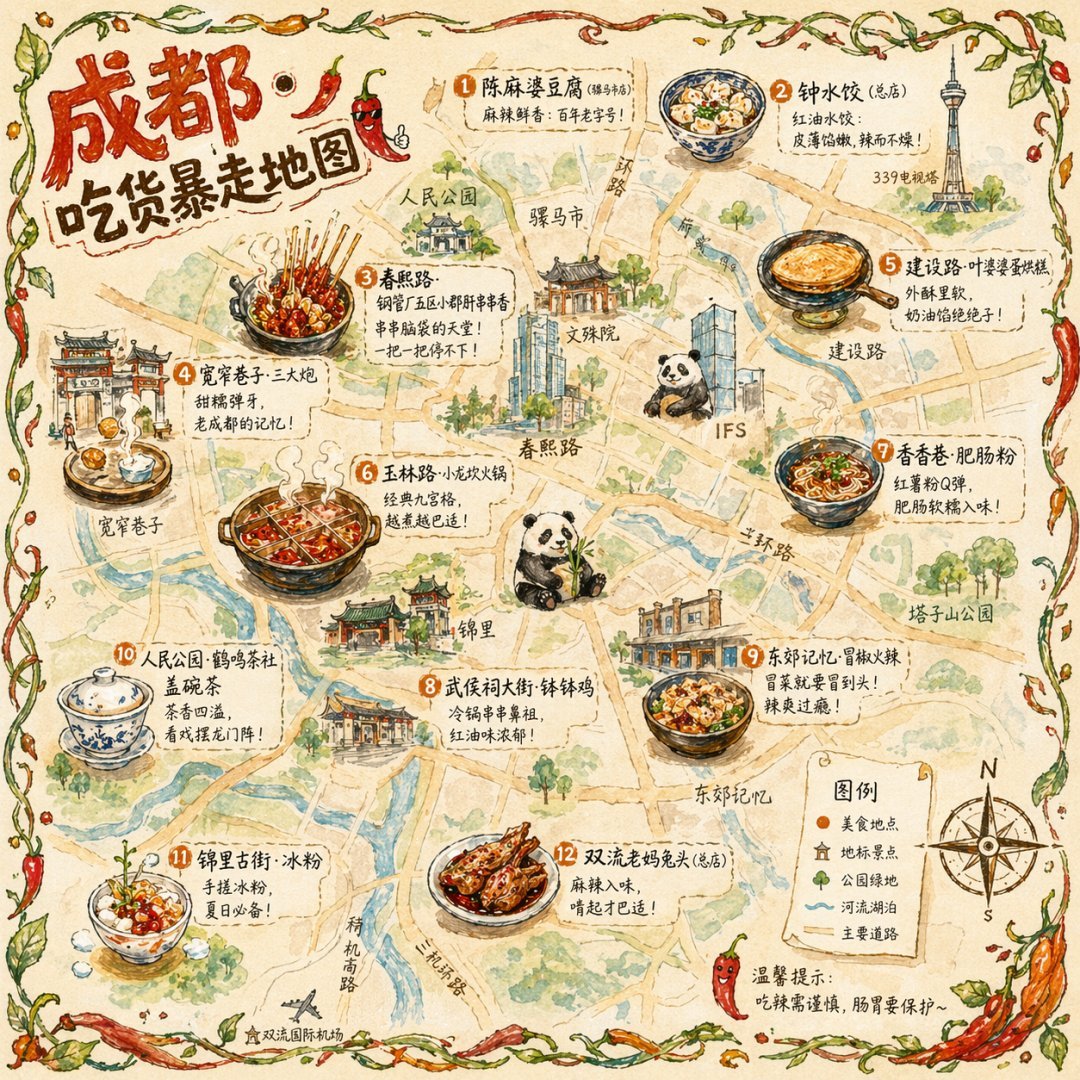
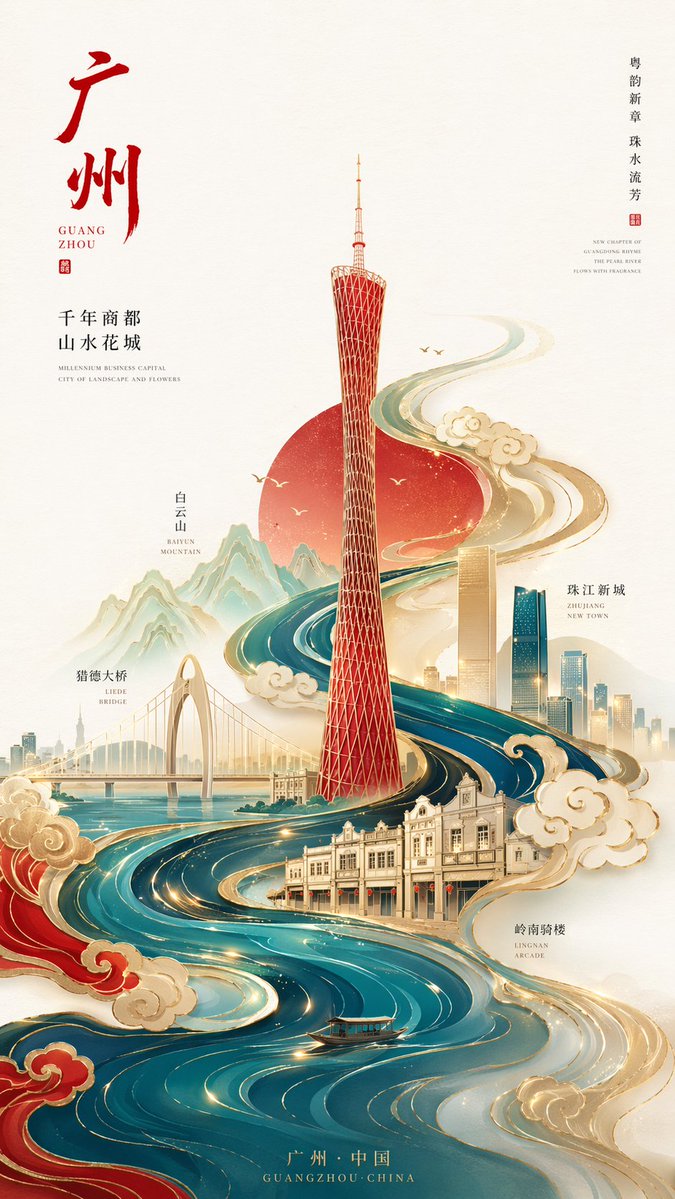
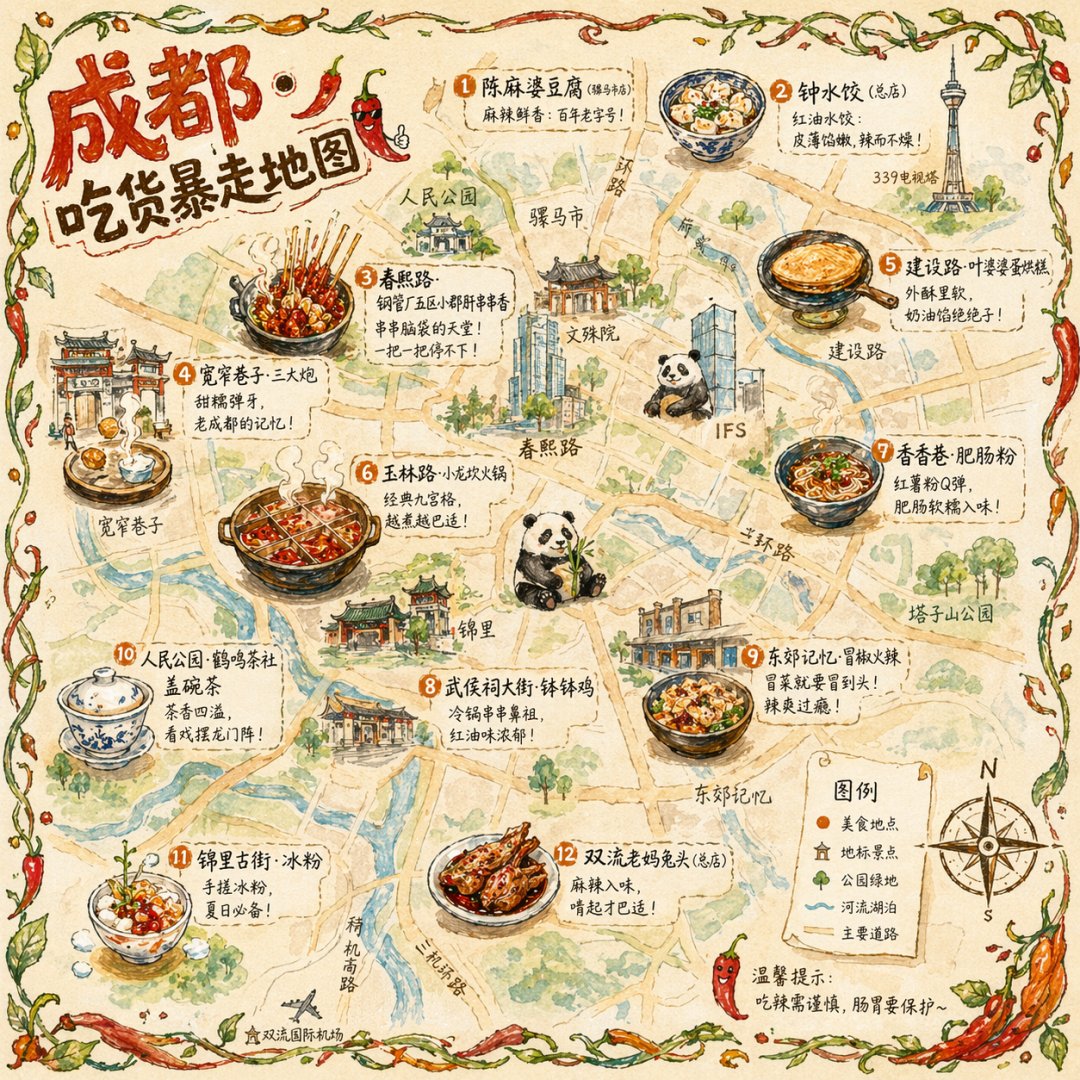
A hand-painted vintage Chinese tourist food map poster in watercolor and ink wash style, shown from a bird’s-eye view over a misty mountainous county landscape. The composition is a stylized illustrated map of {argument name="place name" default="缙云"}, with pale rice-paper texture, soft beige background, green-gray mountains, winding rivers, country roads, old towns, scenic rocks, bamboo leaves, and pink flowers framing the corners. Large artistic Chinese calligraphy title at the upper left reads {argument name="headline text" default="缙云 山野美食暴走地图"}, with a small subtitle ribbon below reading “黄帝缙云·人间仙都”. Add a poetic text block on the left in Chinese: “山水缙云,仙都奇境 百味乡野,烟火人间 跟着美食,遇见缙云 一城山水,一口乡愁”. In the center is the main county town labeled “缙云县城”, surrounded by illustrated routes connecting scenic destinations and local dishes. Include exactly 12 numbered food stops, each with a realistic painted bowl or plate of food placed on the map near its location, with orange circular numbers and Chinese labels plus a short one-line description. The 12 stops are: 1 “河阳土爽面” with description “山野本味,宾客烟火”; 2 “笕川笋干菜” with description “时令山珍,晒干留香”; 3 “缙云烧饼” with description “炭炉焦香,卷云招牌”; 4 “敲肉羹” with description “鲜香软糯,地道乡味”; 5 “岩下炖汤” with description “石材慢炖,暖身养胃”; 6 “溪鱼鲜” with description “山水河鲜,鲜掉眉毛”; 7 “壶镇扁食/落菜” with description “古法胶味,越吃越香”; 8 “葛根豆腐” with description “山野清润,解腻爽口”; 9 “山粉饺” with description “皮薄馅足,山野风味”; 10 “苦槠豆腐” with description “山林珍味,自然本鲜”; 11 “农家焐年糕” with description “糯香浓郁,儿时味道”; 12 “老街米糕” with description “清甜米香,古法手工”. Mark exactly 8 place labels on the map: “新建镇”, “壶镇镇”, “大洋镇”, “仙都景区”, “河阳古民居”, “岩宕书房”, “蛟龙大峡谷”, and “缙云县城”. Paint recognizable scenic clusters with white-walled black-roofed traditional houses, steep karst peaks, bridges, and terraced terrain. Add a small legend box at the lower right with exactly 5 items labeled “山脉”, “河流”, “主要道路”, “乡镇”, and “景点地标”, plus a sixth food icon label “美食推荐”. Include a decorative compass rose nearby. Overall mood is elegant, artisanal, nostalgic, and premium, like a cultural tourism poster combining local cuisine guide and scenic map illustration, with highly polished composition and refined Chinese branding.