案例媒体
案例说明
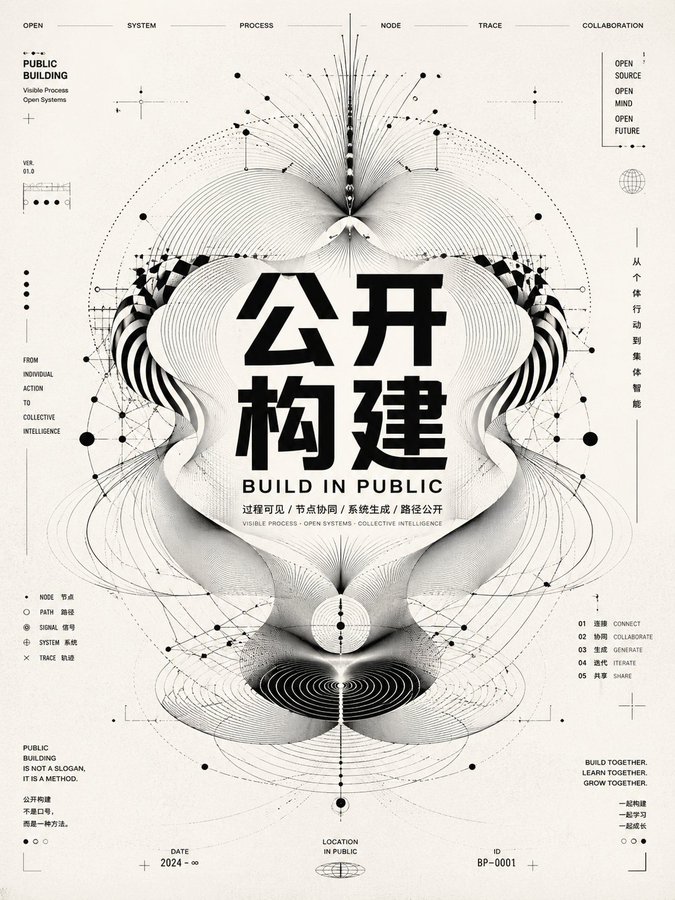
这个页面把案例媒体、完整 Prompt 和出处放在一起,方便你先看结果,再判断这条 Prompt 是否值得复制、收藏或加入对比。
案例解读
为了方便搜索、引用和后续复用,这里会把案例的适用场景、画面重点和 Prompt 结构拆成更容易浏览的说明。
这类案例适合用在什么场景
- 把它当作 模型对比与社区 的基准案例最合适,先看成片方向,再决定自己的 Prompt 要往哪边改。
- 如果你的目标也落在 海报、插画、角色 这些方向,这条案例特别适合先看图判断风格,再回头微调描述。
- 做 Prompt 对比时,也很适合作为控制组,只改一个变量去看结果变化。
画面重点与风格信号
- 这条案例最明显的风格信号集中在 海报、插画、角色,所以第一次改写时最好先保留这些关键词。
- 这类案例最有价值的地方通常是看差异:到底改了什么、哪里崩了、是哪段 Prompt 造成的变化。
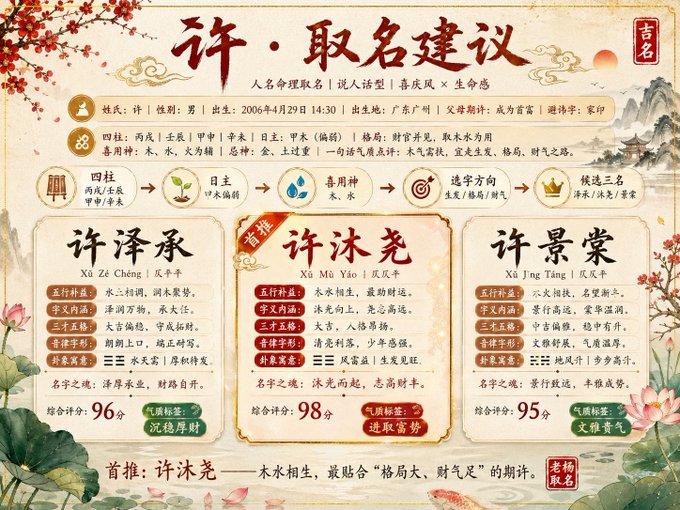
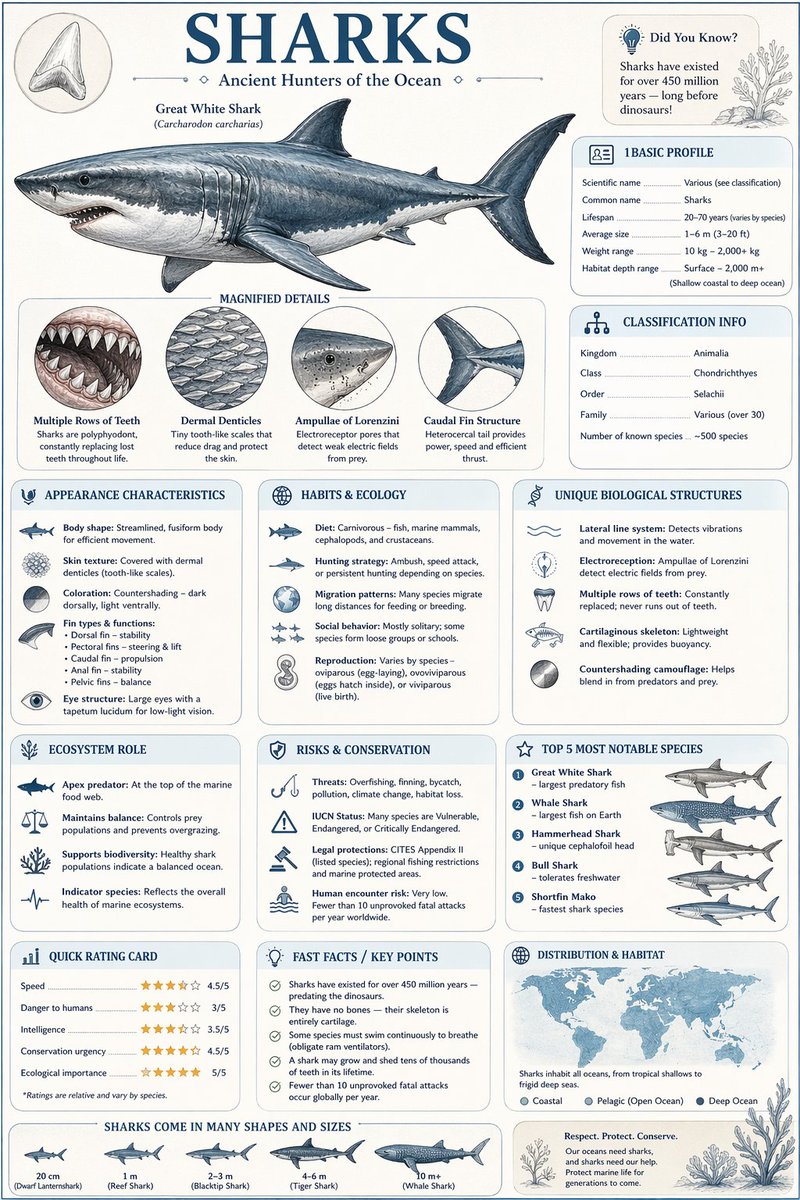
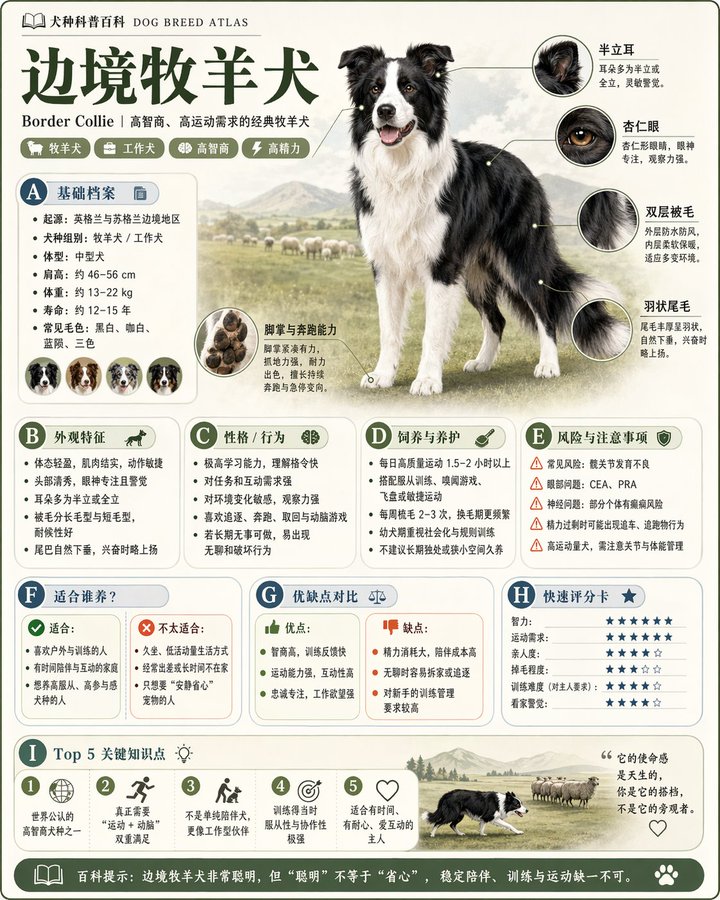
- 当前保留了 2 份媒体输出,适合顺手观察同一方向在多张结果里的稳定性。
Prompt 结构可以怎么理解
- 这条 Prompt 整体属于一条比较长、约束条件很多的 Prompt,很适合拿来判断这类方向到底需要写到多细。
- 关键词簇主要围绕 海报、插画、角色 展开,所以复用时可以先保留这组风格词,再替换主体、镜头、环境或文案信息。
- 最稳的改写方式通常是先保留结果方向和最强风格信号,只替换主体设定与场景块。
如果你是带着问题来的,可以先看这些角度
- 如果保留 海报、插画、角色,只换主体题材,结果最先变化的会是哪一部分?
- 这条结果里,哪些特征更像是 模型对比与社区 的结构特征,哪些又是标签风格本身带来的?
- 同分类的相关案例里,哪几条能给你更克制或更极致的相邻变体?
完整 Prompt
Please create a high-completion "Monochrome Optical Concept Poster" based on the user-input [Theme Text] and [Image Ratio]. [User Input] Theme Text: [Custom] Image Ratio: [Custom according to needs] This is not an ordinary text poster, nor a simple layout poster, nor a figurative illustration, but a high-completion concept poster with the "Theme Text" as the core, integrating "Black and White Op Art", "Parametric Generative Graphics", "Biomorphic Abstraction", and "Experimental Swiss Style Typography". The overall look must have a strong visual impact, modern design sense, abstraction, orderliness, philosophical feel, and a unified series style. [Overall Style Requirements] 1. The overall adopts black and white monochrome as the main tone, with a background of clean light cream white, warm white, or extremely light gray paper texture. 2. The main visual of the image should present a high-contrast abstract graphic language, combining elements such as optical illusion, mirror symmetry, ripples, repeated curves, parametric arcs, radial lines, moiré patterns, concentric lines, dot matrices, checkerboard deformations, fluid forms, feather-like or wing-like structures, nodes, circuits, paths, and energy fields. 3. The graphics cannot just be decorative; they must form a semantic echo with the [Theme Text]: making the abstract graphics look like they are "explaining" the emotion, structure, tension, or relationship of this theme. 4. The style should lean towards high-end graphic design, experimental posters, futuristic visual archives, design exhibition posters, and conceptual album cover vibes, avoiding commercial promotional feel, cheap feel, and ordinary social media template feel. [Main Title Requirements] 1. Use the [Theme Text] as the most important main title of the entire poster, placed in the center or core visual area of the image, with a large font size, strong recognition, and strong visual dominance. 2. The main title must be rendered accurately, without typos, missing characters, or incorrect characters. 3. If the [Theme Text] is in Chinese, the Chinese main title shall prevail, and a small English subtitle or English explanation can be automatically added as supplementary information; if the [Theme Text] is in English, the English main title shall prevail, and a smaller line of Chinese supplementary explanation can be automatically added. 4. The font style of the main title should be modern, restrained, and powerful, suitable for high-end design posters, without cartoonish feel or excessive flashiness. [Composition and Visual Structure Requirements] 1. The image should have a clear "central order", and it is recommended to adopt one of the following structures, automatically judging the most suitable method based on the theme: - Symmetric Confrontation - Central Axis Explosion - Bidirectional Collision - Resonant Aggregation - Node Path - Vortex Circuit - Ritual Exhibition 2. If the theme leans towards "conflict, confrontation, gaming, scrambling, dilemma, historical tension", visual structures such as left-right clashing, dual-core confrontation, central collision, splitting, and pulling can be adopted. 3. If the theme leans towards "integration, symbiosis, resonance, connection, harmony, order", visual structures such as mirror echoing, centripetal convergence, ripple resonance, and structural interlocking can be adopted. 4. If the theme leans towards "speculation, cognition, system, decision-making, philosophy, mechanism", visual organization methods such as nodes, connecting lines, circuits, paths, balanced structures, and parametric diagram feel can be adopted. 5. The main abstract graphic should be strong enough to become the recognition symbol of the poster alone, but it must not overwhelm the main title. [Typography and Information Hierarchy Requirements] 1. In addition to the main title, a small amount of auxiliary typography information can be added to the image to enhance the "archival feel / exhibition feel / conceptual feel", for example: - Small English keywords - Small Chinese keywords - Vertical side notes - Short navigation-style words at the top or bottom - Short slogans - Structural labels - Symbolic explanatory text 2. These auxiliary information should be automatically generated around the theme; the content should be short, small, and refined, without large paragraphs of explanation, and not like article typography. 3. Appropriately add dots, lines, crosses, asterisks, rings, grids, coordinate-like symbols, minimalist icons, to enhance the systematic feel and experimental feel. 4. The layout should have a breathing feel and white space, and cannot be too crowded; at the same time, there must be enough information density to form a high-end visual effect of "strong design sense but not cluttered". [Theme Translation Logic Requirements] 1. You cannot just put the theme text on and finish; you must transform the [Theme Text] into a visual metaphor. 2. For example: - If the theme has a sense of conflict, the graphics should reflect pulling, confrontation, collision, fission, imbalance, oppression, and battlefield feel. - If the theme has a sense of integration, the graphics should reflect convergence, echo, flow, interlocking, resonance, connection, and balance. - If the theme has a sense of dilemma or gaming, the graphics should reflect bifurcation, choice, nodes, balance, paths, tension, and loops. - If the theme has a sense of history or epic, the graphics can introduce abstract expressions of artifacts, patterns, ritual feel, and power feel, but still need to maintain a modern black and white experimental design style. 3. The abstract graphics should look like "the form after the concept has been visualized", rather than random patterns. [Image Texture Requirements] 1. The texture leans towards graphic design and high-end printing visuals, with black and white being clean and crisp, and clear edges. 2. Subtle paper texture, faint noise, and printing feel can be appropriately added, but do not over-retro. 3. The overall should look like a poster that can be directly used for: - Exhibition posters - Viewpoint covers - Design-focused feature covers - Conceptual visual posters - Cultural and ideological cover images 4. Avoid generating realistic characters, real scene photography, cartoon illustrations, colorful commercial advertising styles, and juvenile graphic languages. [Final Output Requirements] Please output a concept poster with complete composition, prominent main title, strong abstract graphics, high-end typography, unified black and white, and a sense of series and collectibility. Make sure that the [Theme Text] is accurate and clear, the overall style is unified, and the image has strong characteristics of "Optical Abstraction + Conceptual Typography + Modern Design Poster".